A 47-year study has identified an uncomfortable reality about aging: Physical fitness and muscular endurance can begin declining around age 35, even among people who exercise regularly.
The findings, published in the Journal of Cachexia, Sarcopenia and Muscle, suggest that staying active may slow age-related physical decline without completely preventing it. But researchers also discovered something encouraging for adults who start exercising later in life.
Next: Lifting Weights After 50? Scientists Say There’s Another Way to Stay Strong
Why Your Body May Peak Earlier Than You Think
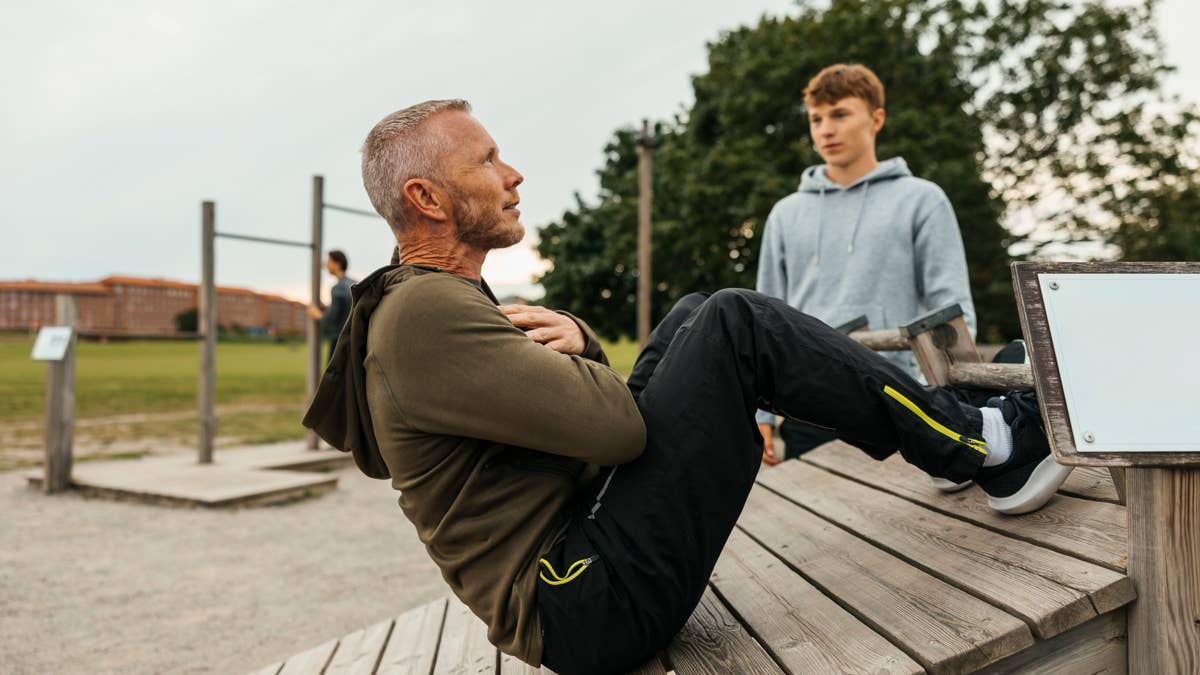
Researchers at Sweden’s Karolinska Institutet followed 427 people born in 1958, repeatedly measuring physical performance from adolescence through age 63.
The study found that aerobic capacity and muscular endurance generally peaked between ages 26 and 36. Performance then declined gradually, with the rate of deterioration increasing later in adulthood.
By age 63, overall physical capacity had fallen approximately 30 to 48 percent from peak levels across the measures studied.
The researchers emphasized that declining performance before age 40 can eventually contribute to meaningful physical limitations, particularly among sedentary adults.
Next: The Biggest Mistake Men Over 50 Make, According to Longevity Researchers
The Surprising Benefit of Starting Exercise Later
The most encouraging finding wasn’t when physical performance began declining. It was what happened when previously inactive adults started moving.
According to Karolinska Institutet, participants who became physically active during adulthood improved their physical capacity by approximately 5 to 10 percent.
“It is never too late to start moving,” said lead researcher Maria Westerståhl, PhD.
She explained that exercise can slow physical deterioration, even when it cannot eliminate the underlying effects of aging.
The distinction matters: Age-related decline does not mean that every individual must become weaker each year. Training can still produce meaningful improvements from someone’s current baseline.
Related: Scientists Found a Hidden Cause of Muscle Aging and Exercise May Help Fight It
Next: Older Men Tried a Trendy Strength Method That Delivered a Surprising Result
What This Means for Staying Strong After 40
The study does not establish a universal birthday when strength suddenly disappears. Researchers measured several aspects of physical performance, including aerobic fitness, muscular endurance, and jumping power, which followed different age-related patterns.
For adults over 40, the practical response is to maintain regular exercise, including progressive resistance training, while tracking improvements in strength and functional performance.
The takeaway: You cannot stop biological aging, but you can continue building physical capacity. Starting later is considerably better than remaining inactive.
Next: Physical Therapists Say These 6 Exercises Are the Secret to Strength and Longevity
Related: Scientists Tested Intermittent Fasting and Found a Surprising Fat-Loss Advantage