Modification is one of the clearest forms of personal expression with any motorcycle. There are good builds and bad ones, of course, but owners often share the same optimism when it comes to resale. Spend $1,200 on an exhaust, $1,500 on suspension, and a few hundred more on a seat and tail-tidy kit, and it is easy to feel that all that added individuality has also added value. The problem is that the next rider’s taste is just as personal, and they may be searching for a completely stock motorcycle. The used market is less sentimental about what those parts cost. Buyers still start with the year, model, condition, mileage, service history, and comparable prices. Good upgrades can make a motorcycle more desirable, but that is very different from making their original cost recoverable.
The Used Market Values The Motorcycle Before Your Build

Kelley Blue Book effectively explains why the math for used bikes works this way. Its motorcycle resale values are based on auctions, dealer reports, listings, transactions, and market conditions, while its standard values assume a clean motorcycle. KBB also says that some additional equipment may make a bike more marketable without having a consistent enough used-market value to assign a dollar figure. This is essentially the heart of the problem.
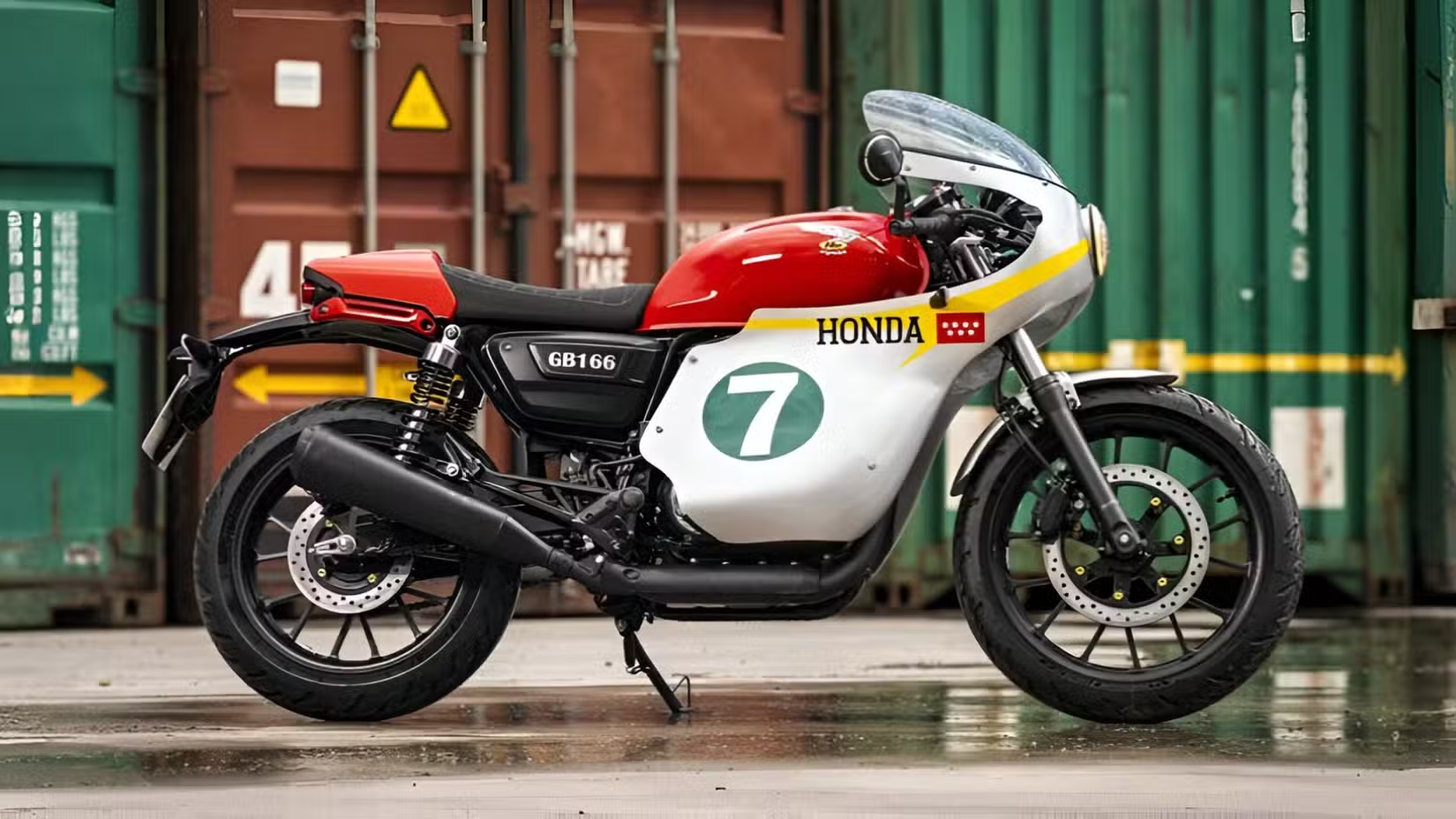
A seller sees individual receipts, separating the bike and the mods. A buyer sees one complete motorcycle on offer. If a clean stock example is worth roughly $7,000, the buyer does not automatically add the price of an exhaust, shock, rearsets, and labor. Those parts have already been used, and some are useful only if the next rider wants the same setup. This also makes trade-ins tougher because a dealer has to think beyond the enthusiast before them. A loud exhaust, unusual paint scheme, or stiff suspension setup can narrow that bike’s potential audience.
Private buyers can be more generous, but the same rule applies here as well. Motorcycle mods can improve its capability, and they can increase resale value, just rarely by what they originally cost you. They may support the asking price, shorten the sale, or distinguish one bike from similar examples. Popular models show how quickly those benefits separate from actual cost recovered, and that should make this even clearer.
A Modified Yamaha MT-07 Still Lives In The MT-07 Price Range
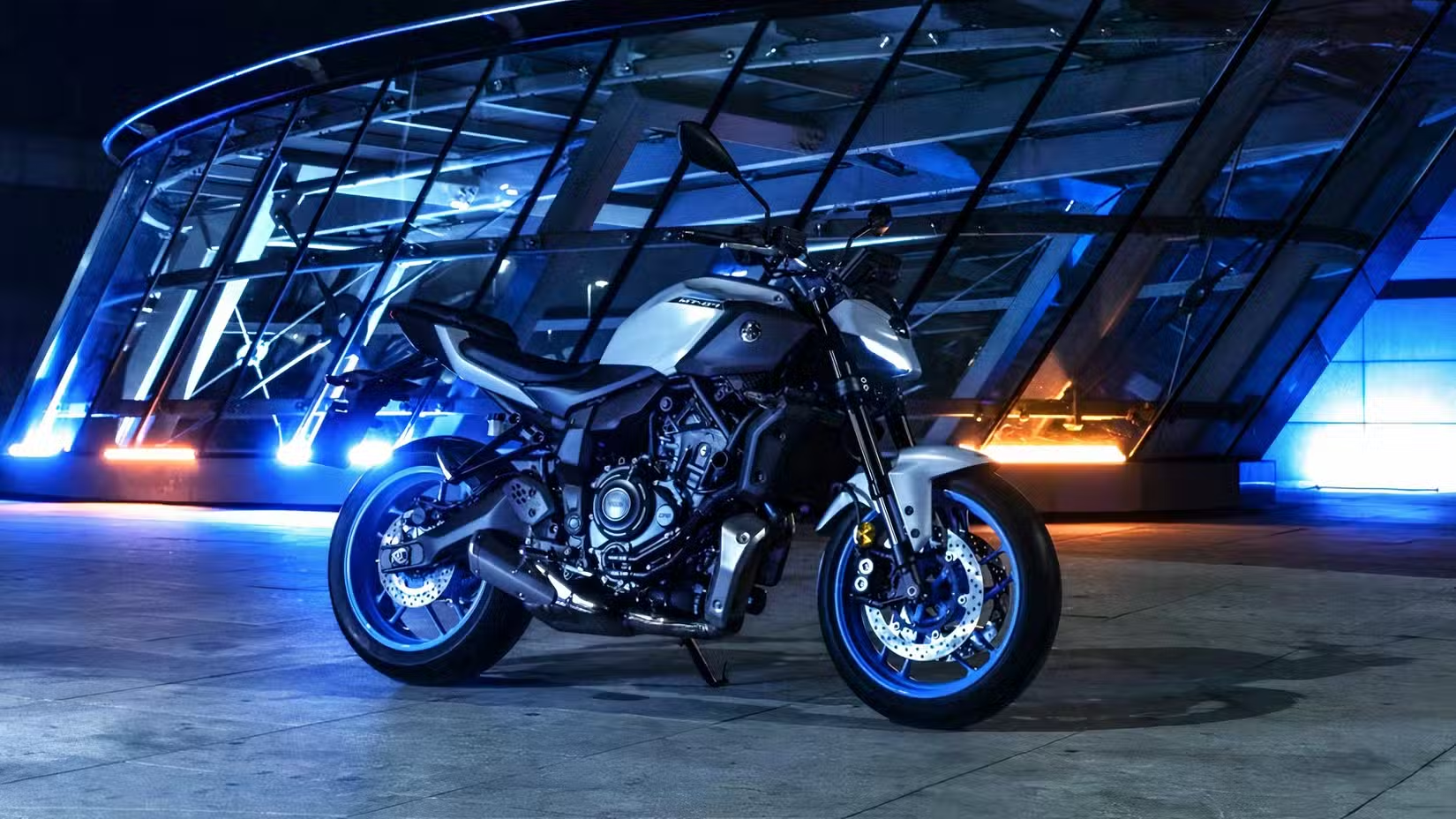
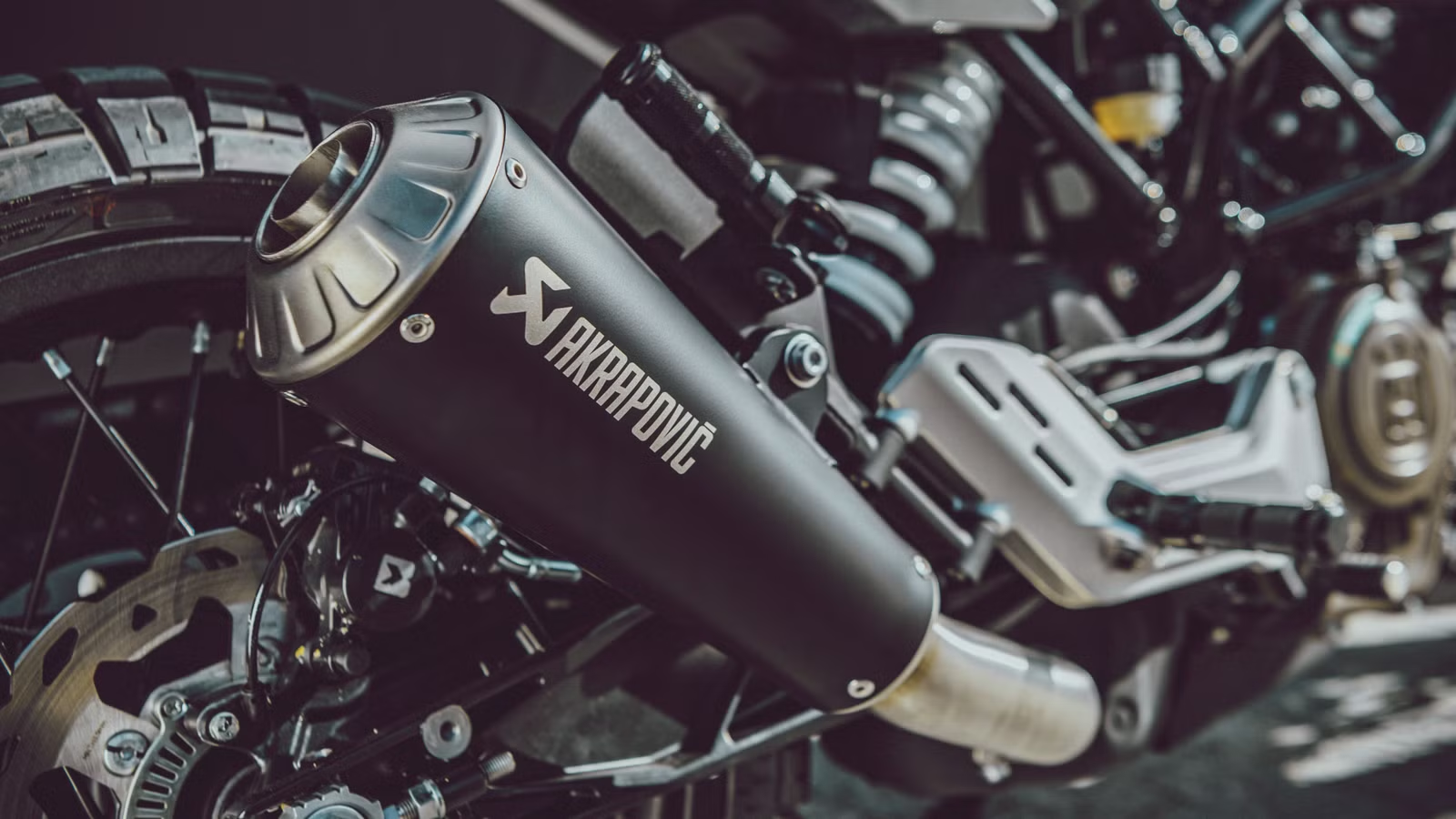
Let’s take an example. KBB currently values a 2022 Yamaha MT-07 at $5,200 for trade-in, in good condition with typical mileage. On Cycle Trader, a modified 3,575-mile example was advertised at $6,800 with an Akrapovic full exhaust, tail tidy, integrated tail light, and frame sliders. Another 13,000-mile bike asked $9,300 despite the seller claiming $3,000 to $3,500 in similar upgrades.
Other 2022 MT-07 listings sat around $6,800 to $7,500, so desirable aftermarket parts did not automatically move the modified bikes beyond the normal market range. Mileage, condition, seller type, and location still matter more. Asking prices also do not tell us what eventually sold, but they do show why modification receipts are poor evidence of added resale value. A cleaner, stock example may appeal to more buyers simply because nobody has to undo another rider’s choices.
Bigger Upgrade Budgets Do Not Change The Rule
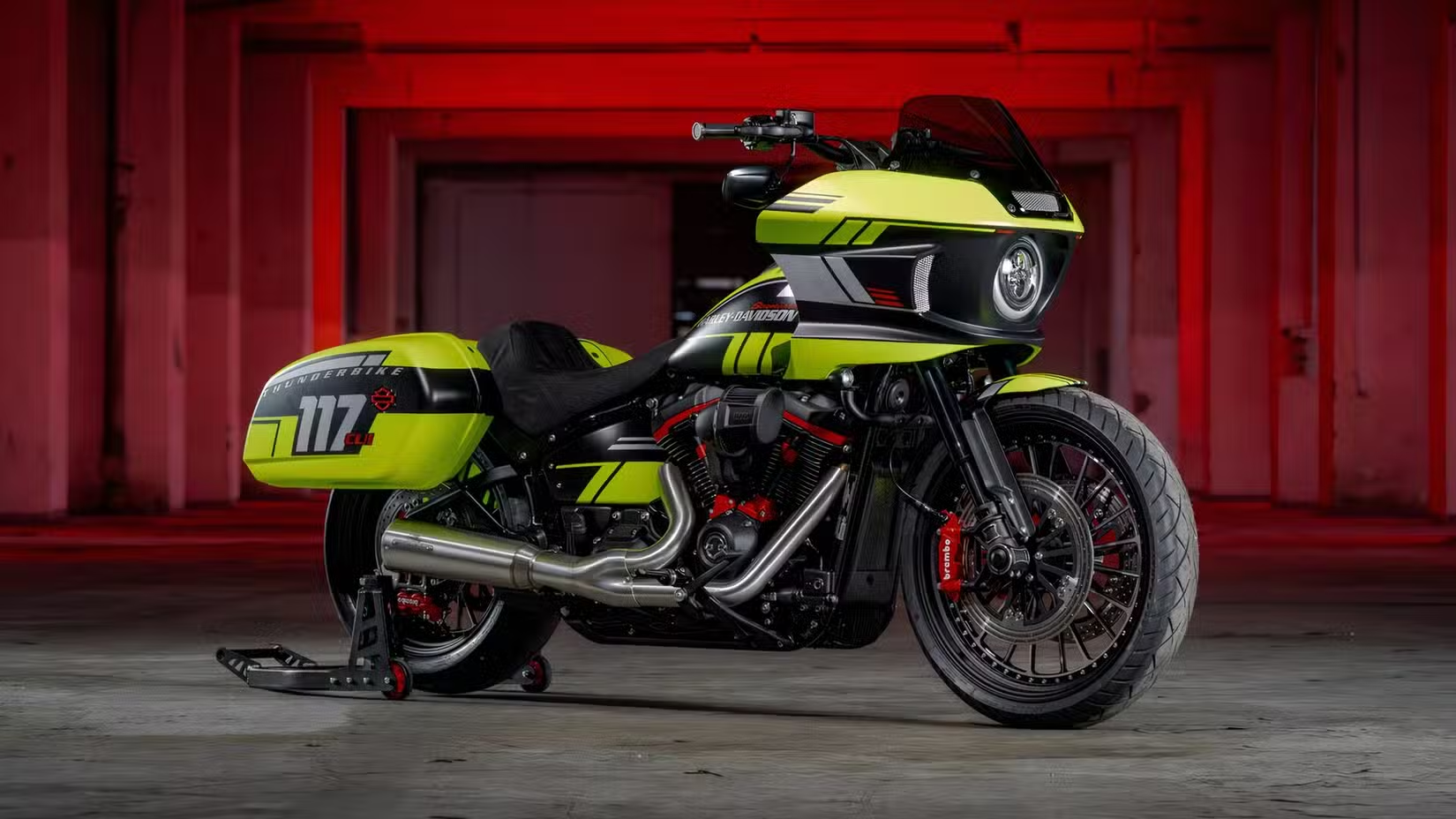
If this were only an MT-07 problem, owners of pricier tourers could shrug the problem off. But they cannot. Cycle Trader showed an all-stock 2021 Harley-Davidson Street Glide with 4,301 miles at $15,990. A privately listed example with 7,011 miles asked $16,500 after receiving Wilbers suspension, Vance & Hines exhaust, a tune, heated grips, two Mustang seats, handlebars, lighting, a touring trunk, and other accessories. The seller also retained the original exhaust and suspension.
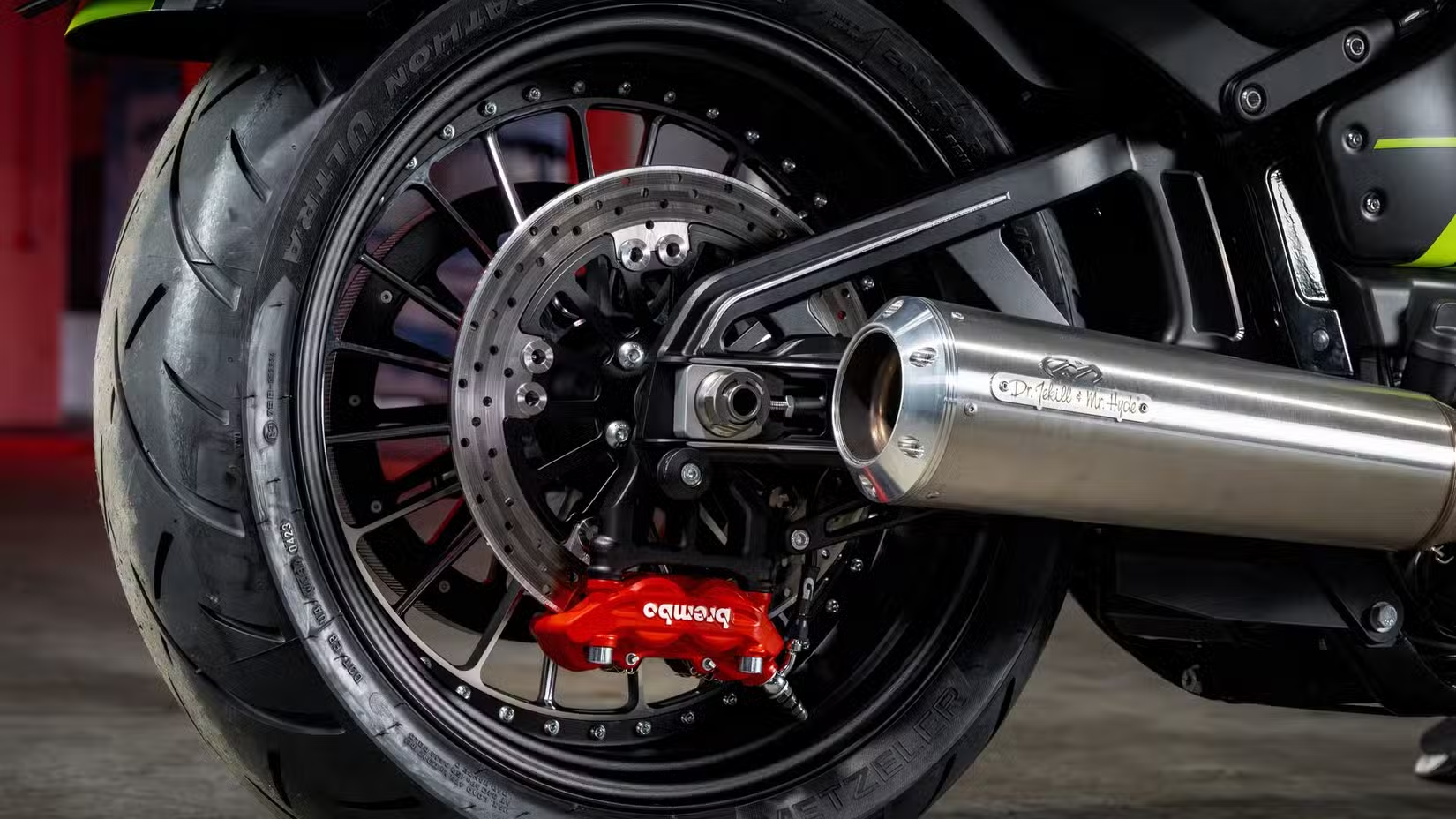
The bikes differ in mileage and location, so the $510 gap cannot be assigned to the modifications alone. But it serves as a useful context. The modification parts list represents substantial spending, yet the asking premium over one clean stock example was modest. Another modified 2021 Street Glide with Stage 1 equipment, heated grips, lighting, and comfort accessories was advertised at $17,800 with 19,670 miles. The market still anchored both bikes to the underlying Street Glide.
Practical Accessories Have A Better Chance Than Personal Ones
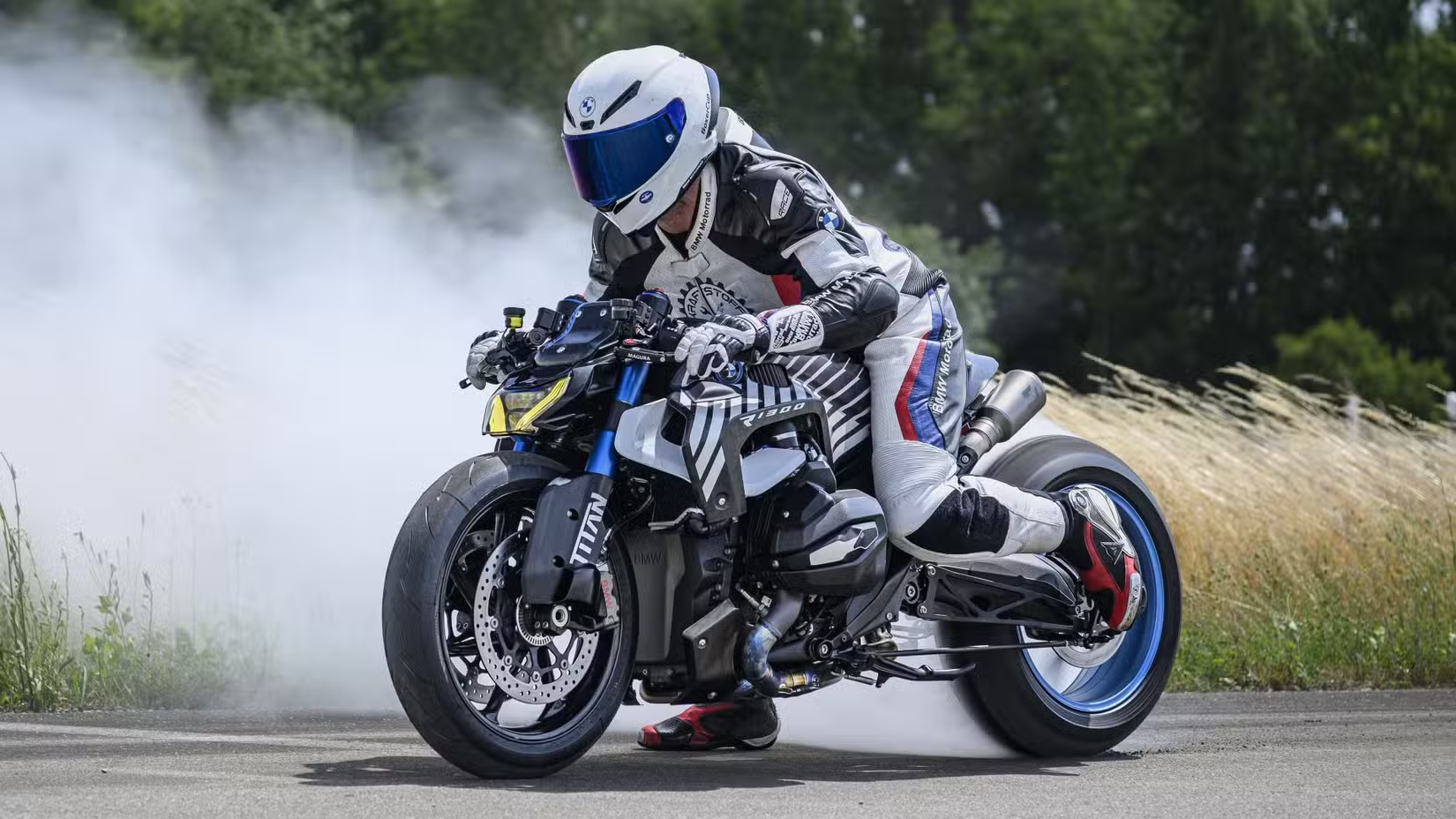
Luggage, heated grips, crash protection, a center stand, and model-specific touring equipment tend to be more attractive because their usefulness is obvious. These are mostly equipment that just about any new bike shopper is bound to get installed. The next rider may have bought those items anyway, and is now getting a bike already equipped with the items. So in such a case, the mods can improve salability and sometimes justify a premium, especially when they are OEM-sold or neatly integrated accessories.
Custom paint, engine work, extreme ergonomics, chopped bodywork, and irreversible wiring are harder to justify to the next person. Their value narrows to a niche and entirely depends on taste and trust. Premium suspension can also be personal because the spring rate and setup may suit the outgoing owner better than the next person, who may prefer an entirely different setup for their use case. So, as a rule of thumb, universal usefulness travels to the next owner better than personal preference does.
Protect The Exit Without Giving Up The Upgrades
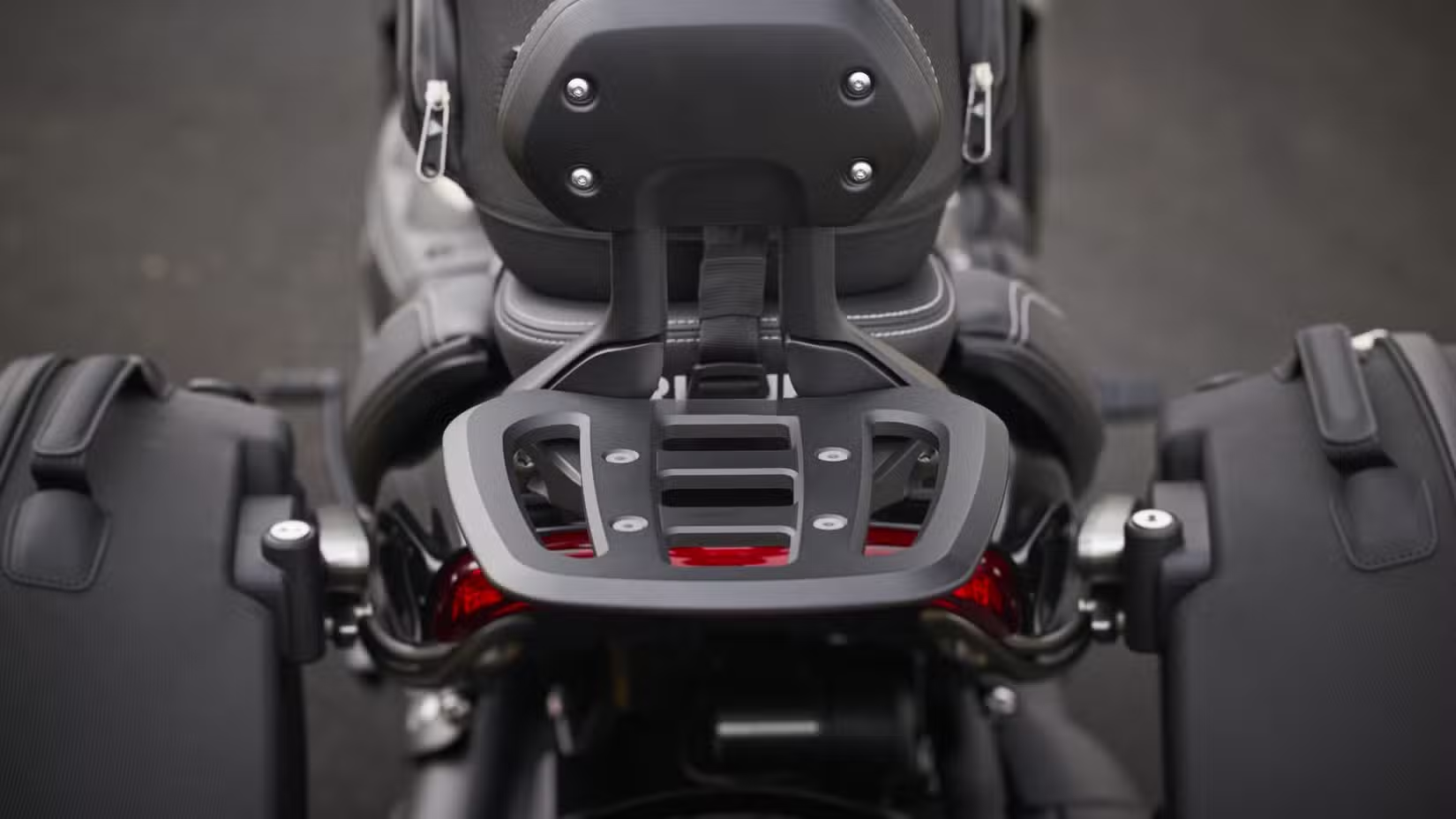
If resale matters to you, then always favor changes that can be reversed and keep the original components like exhaust, seat, controls, bodywork, and suspension parts with you. This is just so that you have the ability to offer an option to the prospective buyer — buy the modded bike as is or slap on the original parts and renegotiate the price accordingly. This also opens an opportunity for you to sell the parts separately, giving you a better chance of recovering their costs as they target buyers specifically shopping for them. Receipts and setup records also help remove uncertainty about the quality of fitment and work done, so it’s a good idea to retain them as well.
That is also the best way to think about modification costs in the first place. Buy suspension because it improves the ride for you, luggage because you travel, or a seat because the stock one hurts. Unless you’re planning to keep the bike for life, custom paint, invasive engine work, extreme ergonomic mods, and irreversible fabrication carry greater resale risk because they narrow the audience that may share your vision and taste. Lastly, whatever money comes back later should be treated as a bonus, not part of the initial investment.
Source: Various Manufacturers, KBB, Cycle Trader