A Mutation Detected Early in Japan May Explain Flu Rise in the West
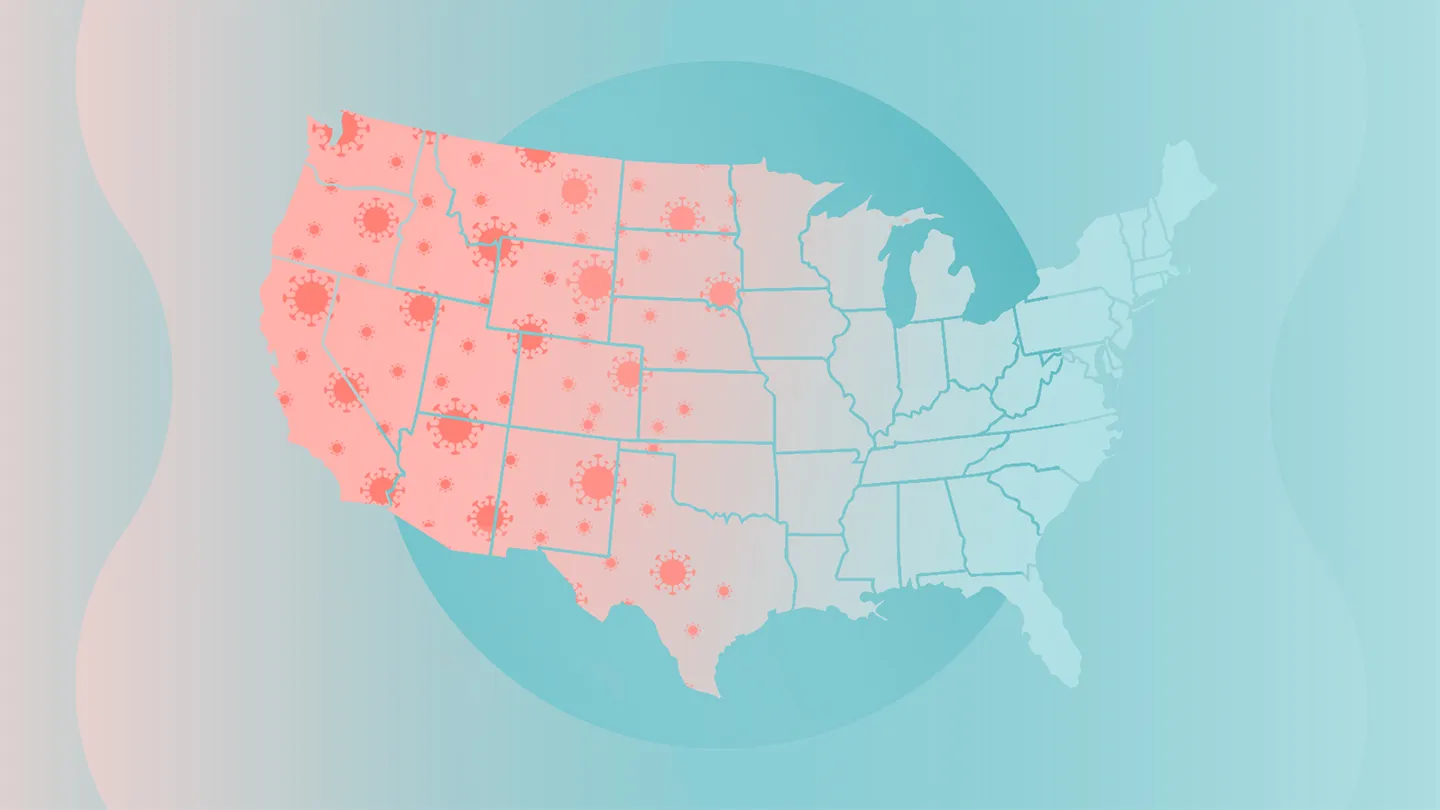
To some degree, the flu wave in Japan connected to G155E may explain the increase in cases in the western United States, according to Thomas Russo, MD, an infectious-diseases expert at the Jacobs School of Medicine and Biomedical Sciences at SUNY Buffalo in New York.
“Geographically, moving eastward from Japan, the western U.S. is the first stop,” says Dr. Russo. “In this era of international travel, this may in part explain the early rise in cases in the West.”
Russo points out, however, that flu is gaining ground throughout the continental United States. “Here in Buffalo, we’re seeing more patients testing positive and landing in the hospital.”
This Flu Season May Be Rough for Younger People
- Adults age 65 and older
- Children younger than 2 years old
- People with weakened immune systems
- People who’ve had a stroke
- People with asthma, chronic lung disease, neurological conditions, heart disease, kidney disorders, liver disorders, and blood disorders
- People with severe obesity, or a body mass index of 40 or above
Russo notes, however, that younger people may have less natural flu immunity and lower antibody neutralization against the circulating mutated H1N1 strain than many older adults.
“In some tested serum [blood] samples from different demographic age groups, the ability for teens and people in their twenties to neutralize the virus was significantly less than in older people,” he says. “This makes sense because older people have seen a lot more influenza, so they’re more likely to develop prior antibodies that have some cross-protection, even though it’s a new variant.”
Experts Say Get Your Flu Shot Now
Based on past flu seasons and the latest virus trajectory, we can expect much more illness and hospitalizations in the weeks ahead, Russo says. “Flu season is well short of peak,” he says.
Holiday gatherings will likely contribute to the spread, as people come together in closed spaces and air travel increases.
With these factors in mind, public health authorities are urging the public to take measures now to protect themselves and others.
Although the 2026–2027 flu shots were formulated before the G155E mutation emerged, the CDC still expects them to provide significant protection against severe illness this year.
In addition to vaccination, people may want to consider wearing a mask in crowded indoor environments, washing hands more often, and steering clear of others who are sick with flu, adds Dr. Maves.
How Bad Will Flu Symptoms Be This Year?
While flu season may have come early, there’s no evidence so far that the illness itself will be more severe or that there will be any unique symptoms, according to Chin-Hong.
No matter how harsh the virus proves to be, he urges the public to never underestimate the flu.
“Every year influenza kills tens of thousands of Americans,” he says. “This is a virus that can cause serious pneumonia, worsening of heart and lung disease, brain disease in rare cases, and lead to hospitalizations and deaths, especially in vulnerable populations.”
Most people get over the flu by taking care of themselves at home, but when physical signs become serious, you need to get immediate professional medical help.
Chin-Hong says that severe symptoms that may require hospitalization include:
- Shortness of breath or trouble breathing
- Confusion
- Inability to keep down fluids
- For infants and very young children: Bluish lips or face, increased fussiness, and not urinating (fewer wet diapers)