Growing up, Illeana Douglas spent a lot of time with her Oscar-winning grandfather in his Upper West Side apartment, where, salon-style, he would regularly host writers like Gore Vidal and screen legends like Myrna Loy. That duality seemed to inform the adult Illeana’s interests. In her twenties, she performed in a sketch comedy group at night, while holding down a day job as a film publicist, working on campaigns for future classics like The Princess Bride, The Untouchables, and Moonstruck.
She entered the ‘90s as one of Hollywood’s most reliable character actresses, stealing scenes in zeitgeist-defining films like Goodfellas and To Die For. “I would always get the part where I’d look through the script, and I’d go, ‘I don’t see any lines here,’” she says. “And they’d say, ‘Well, you’ll come up with something brilliant’… So it was writing—but not realizing I was writing.”
In the last decade or so, she’s made a Louise Brooks-like transition to film historian and writer, starting with her memoir I Blame Dennis Hopper: And Other Stories from a Life Lived in and Out of the Movies, later becoming a regular presence on TCM, that beloved haven of old movies, where she presented the Trailblazing Women series.
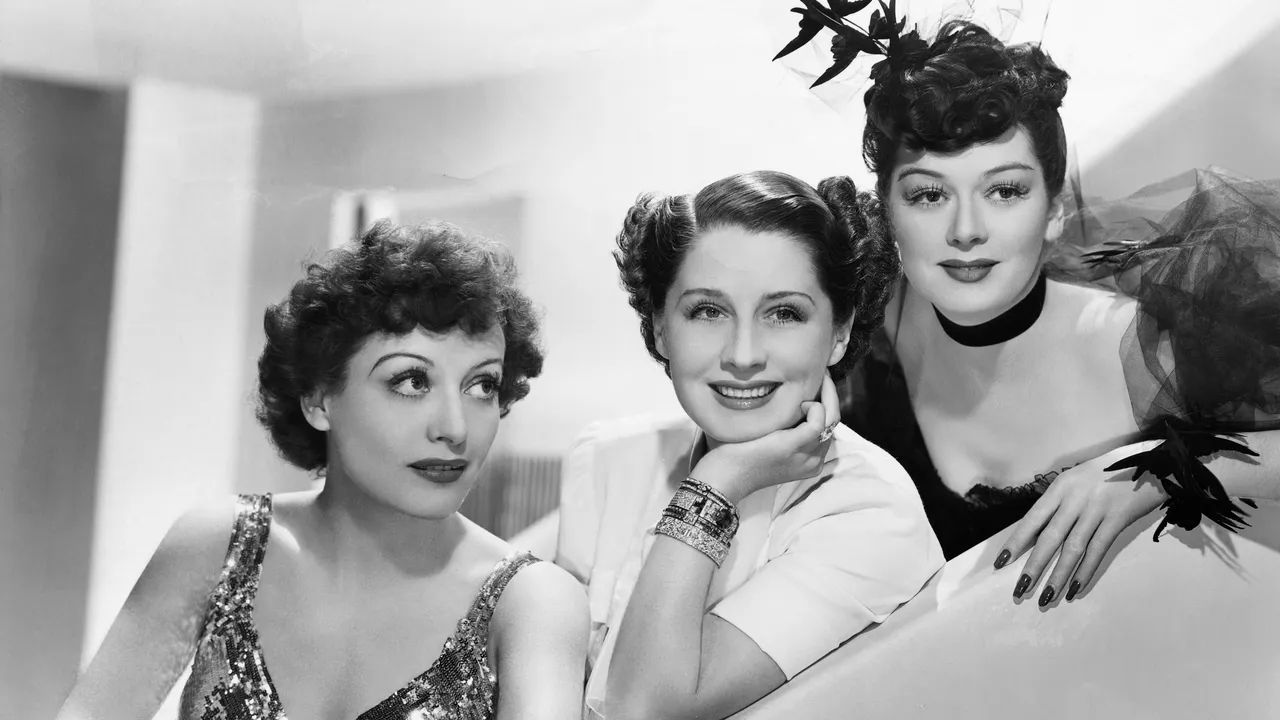
For her latest book, Jungle Red!: The Making of MGM’s The Women, Douglas tackles a subject she seems almost made for: the making of the 1939 all-female blockbuster that starred Norma Shearer, Joan Crawford, and Rosalind Russell; saved director George Cukor’s career; and spawned several fashion trends—not to mention remakes (including the unfortunately feckless 2008 version, starring Meg Ryan and Annette Bening).
Based on a play by the writer and former Vanity Fair managing editor Clare Boothe Luce, The Women follows the romantic and social upheavals of a group of frenemies in Manhattan high society, who circle like vultures when they learn that Norma Shearer’s virtuous socialite Mary Haines is about to lose her husband to Joan Crawford’s fabulously viperous shopgirl Crystal Allen. Told without the participation of a single male actor, The Women turned Hollywood’s all-boys club on its head, becoming a major hit in a year dominated by Gone With the Wind and The Wizard of Oz.
By the time the 1960s women’s movement took off, feminists were disavowing the film, pointing out that all the female characters ever talked about were the men. But decades later, it’s startling to see what the film tells us about the women of the era.