SUV buyers are conditioned to believe that bigger numbers belong to better vehicles. More horsepower, more towing capacity, and more cargo room generally represent useful upgrades, so a larger wheel should follow the same logic. That assumption helps automakers sell expensive appearance packages, but it does not necessarily give you a better SUV. Oversized wheels can sharpen steering response and accommodate larger brakes, yet those advantages rarely matter on an ordinary family crossover. What you are more likely to notice is a firmer ride, more expensive replacement tires, and less protection from potholes. The largest factory wheel may look impressive, but it is often the least practical choice.
The Most Expensive SUV Trim Is Not Always The Best To Drive
Appearance Packages Can Trade Comfort For Style
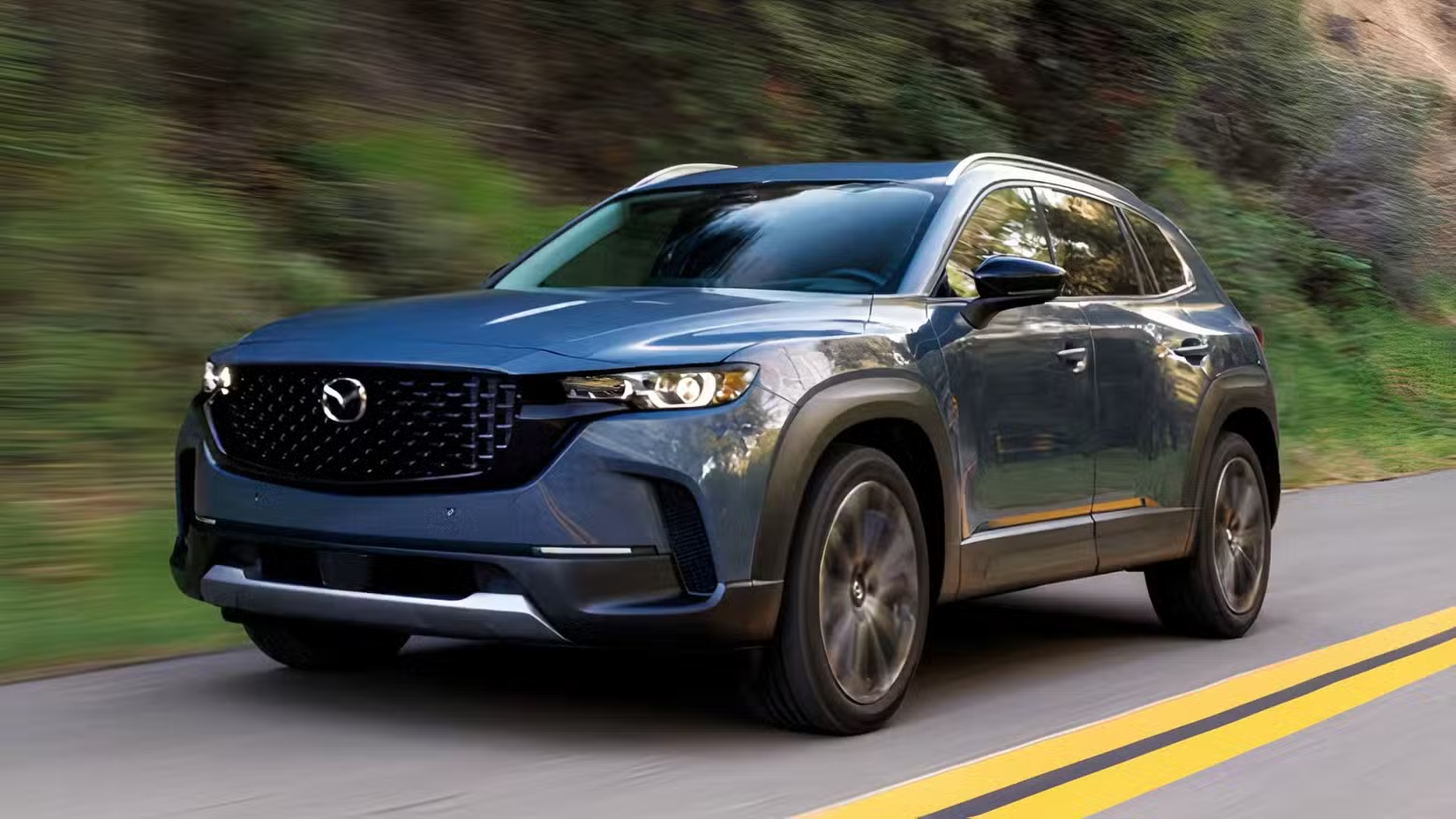
Automakers understand how much wheels influence a vehicle’s appearance. Larger wheels fill the openings beneath the fenders, reduce the amount of visible tire sidewall, and give an ordinary crossover a lower, more planted stance. That is why oversized wheels commonly appear on Premium, Limited, Platinum, and Sport trims.
The 2026 Mazda CX-50 provides a useful example. The 2.5 S Preferred starts at $32,400 and rides on 17-inch wheels with P225/65R17 tires. Moving to the $34,900 2.5 S Premium brings 20-inch wheels wearing P245/45R20 tires. The Premium adds worthwhile equipment, including leather seating, but it retains the same naturally aspirated 2.5-liter four-cylinder engine and basic chassis arrangement.
Those 20-inch wheels make the CX-50 look more expensive, but they do not add horsepower, increase towing capacity, or transform its suspension. You receive additional comfort and technology features with the Premium trim, but the larger wheels themselves are primarily a styling change. Depending on the roads you drive, they may also make the SUV less comfortable.
Automakers Pair Oversized Wheels With Dark Trim For A Reason — And It’s Not Performance
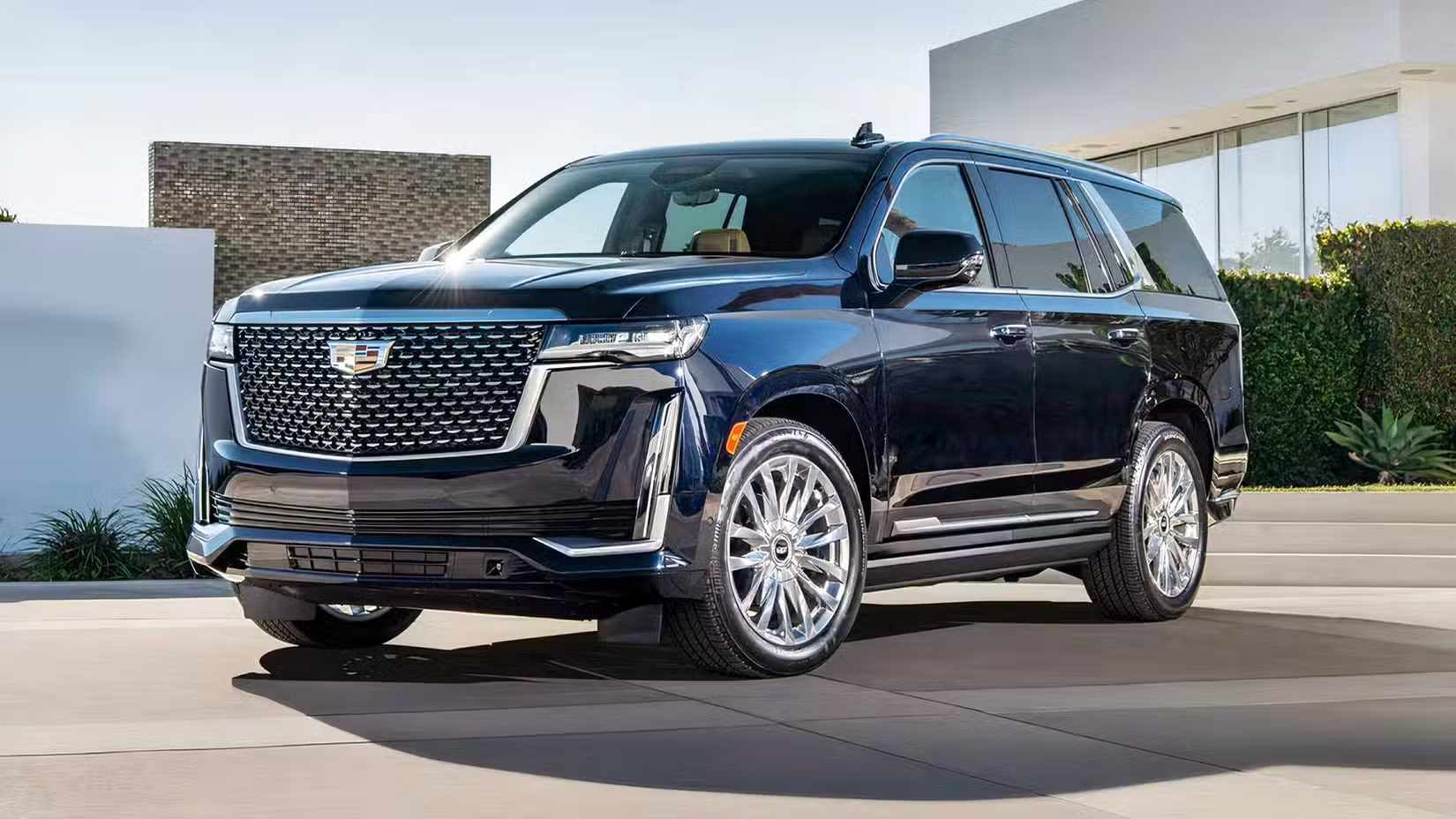
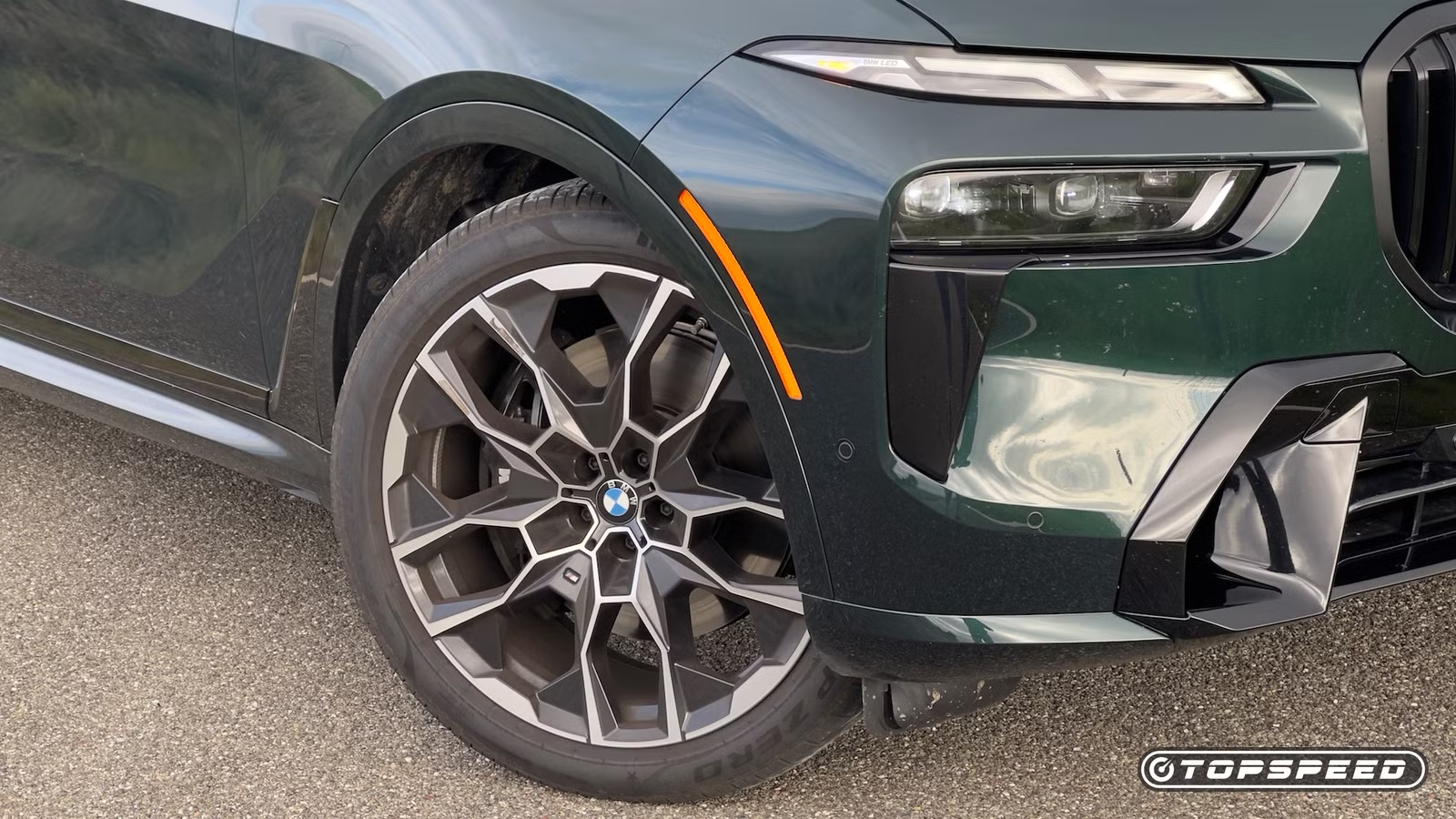
Wheel sizes that once belonged to exotic cars are now normal on family SUVs. A 17-inch wheel can look undersized inside a modern wheel opening, while 20 and 21-inch designs create the proportions buyers associate with an expensive vehicle. Some full-size SUVs now offer 22 and 24-inch wheels directly from the factory.
Manufacturers also make the visual purpose fairly clear. Large wheels are frequently paired with black badges, contrasting roofs, dark exterior trim, and more aggressive fascias. These features are designed to change how the SUV looks rather than how it performs. That distinction matters when an appearance-oriented trim costs thousands more. The extra interior equipment may justify the price, but you should not assume the biggest available wheels make it the most capable or best-driving version.
Oversized Wheels Are The Feature That Is Mostly About Appearance
A Larger Wheel Usually Means A Shorter Tire Sidewall
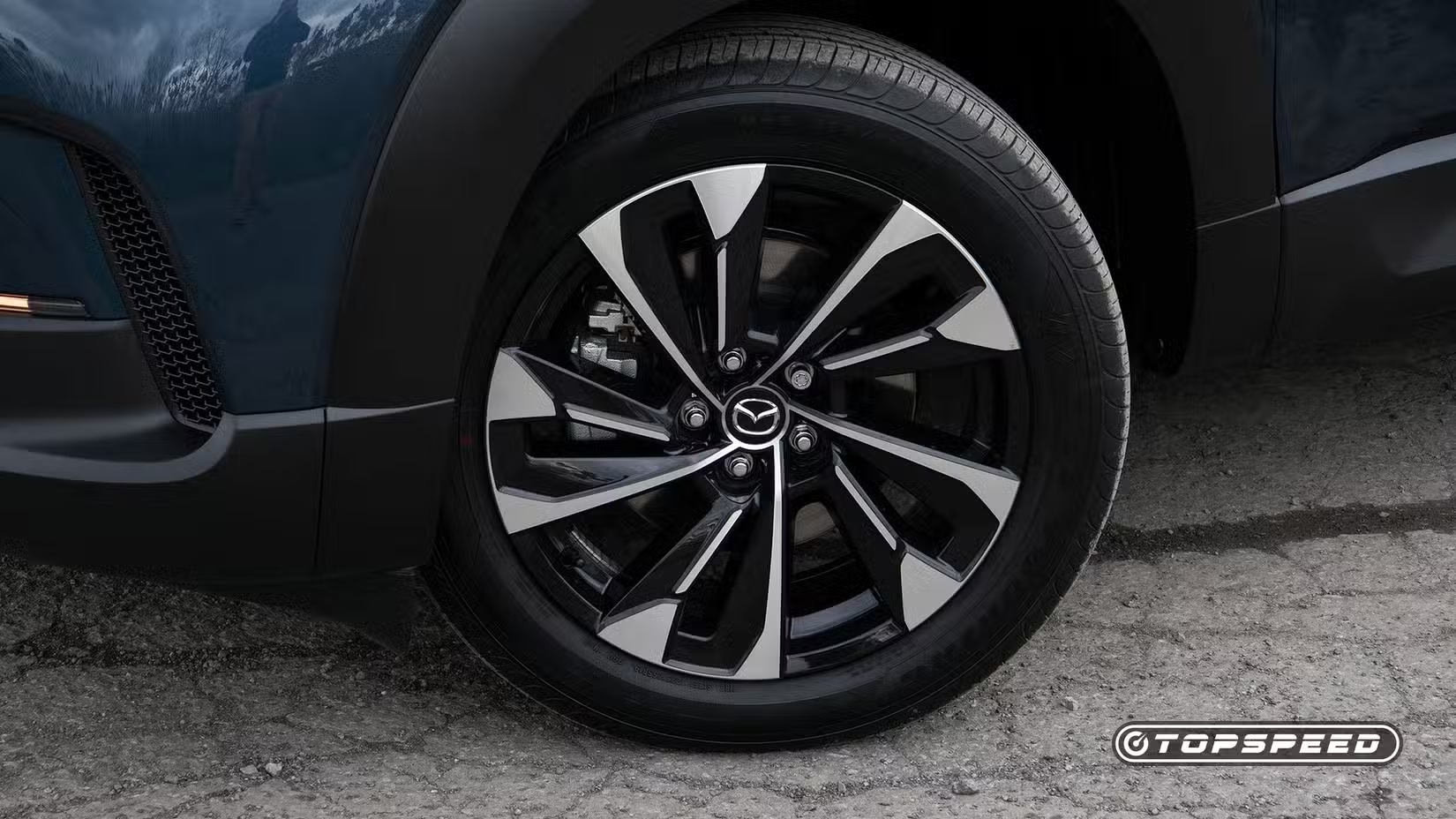
Automakers cannot simply install a much taller tire without affecting speedometer accuracy, gearing, suspension clearance, and electronic safety systems. When wheel diameter increases, tire sidewall height usually decreases so the overall wheel-and-tire assembly remains close to its original diameter.
The CX-50 illustrates this clearly. Its P225/65R17 tire has approximately 5.8 inches of sidewall. The P245/45R20 tire fitted to the Premium provides about 4.3 inches. Despite the three-inch difference in wheel diameter, the complete tire assemblies are within roughly two-tenths of an inch of each other. Consequently, the 20-inch wheel does not produce three additional inches of ground clearance. Most of the visual change comes from replacing flexible tire sidewall with metal wheel. That can make steering inputs feel more immediate, but it also leaves less rubber available to absorb sharp impacts.
Most Family SUVs Cannot Exploit The Potential Performance Benefit

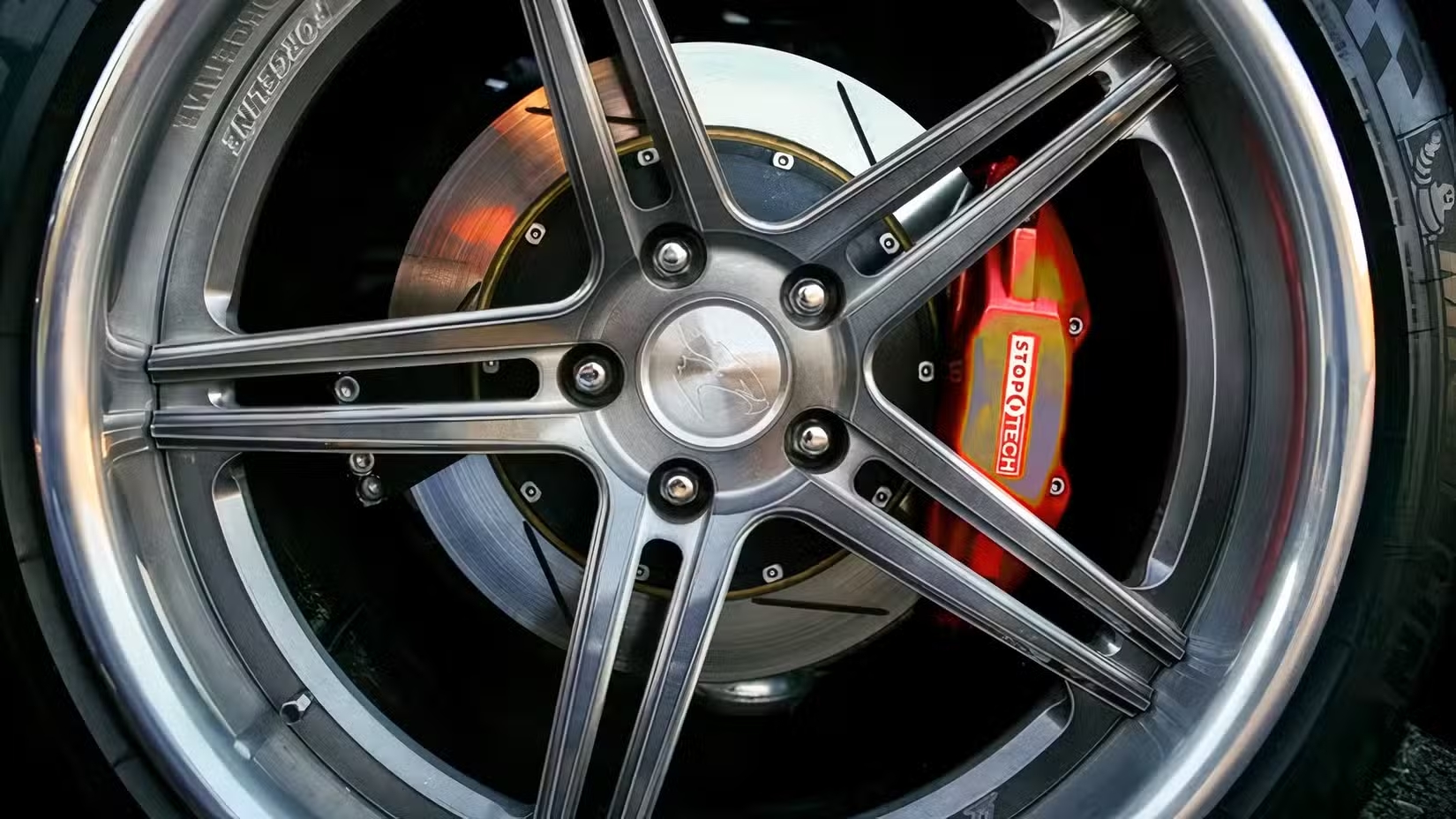
There are legitimate reasons to fit larger wheels. A performance SUV may require additional internal wheel clearance for larger brake rotors and calipers. A lower-profile tire can also resist flex during aggressive cornering, potentially improving steering response. That argument weakens when the wheel upgrade is fitted to a crossover with the same brakes, suspension, engine, and everyday all-season tires as the model beneath it. Most owners will never generate enough cornering force during a commute to benefit from slightly stiffer sidewalls.
Tire construction and compound matter more than wheel diameter alone. A high-quality tire mounted on an 18-inch wheel can provide better wet grip, braking performance, and steering feel than a mediocre tire fitted to a 21-inch wheel. A larger number on the specification sheet does not guarantee better performance.
The Visual Upgrade Can Make An SUV Worse On Real Roads
Less Sidewall Gives Potholes More Leverage
A tire is more than a replaceable rubber covering. Its sidewall forms part of the vehicle’s cushioning system, flexing over cracks, expansion joints, and broken pavement before those impacts reach the wheel and suspension.
A low-profile tire has less room to flex. When it strikes a deep pothole, the tire can become pinched between the road and the wheel. That impact can produce a sidewall bubble, cut the tire, bend the rim, or crack an alloy wheel. Low-profile tires are not guaranteed to fail, but they give the road hazard less rubber to travel through before reaching something expensive.
This vulnerability is especially relevant on an SUV. You may choose an SUV partly because you expect it to tolerate poor roads better than a sedan. Pairing it with extremely low-profile tires can surrender some of that advantage, even though the vehicle continues to look rugged.
The Ride Can Become Firmer Without Making The SUV More Capable
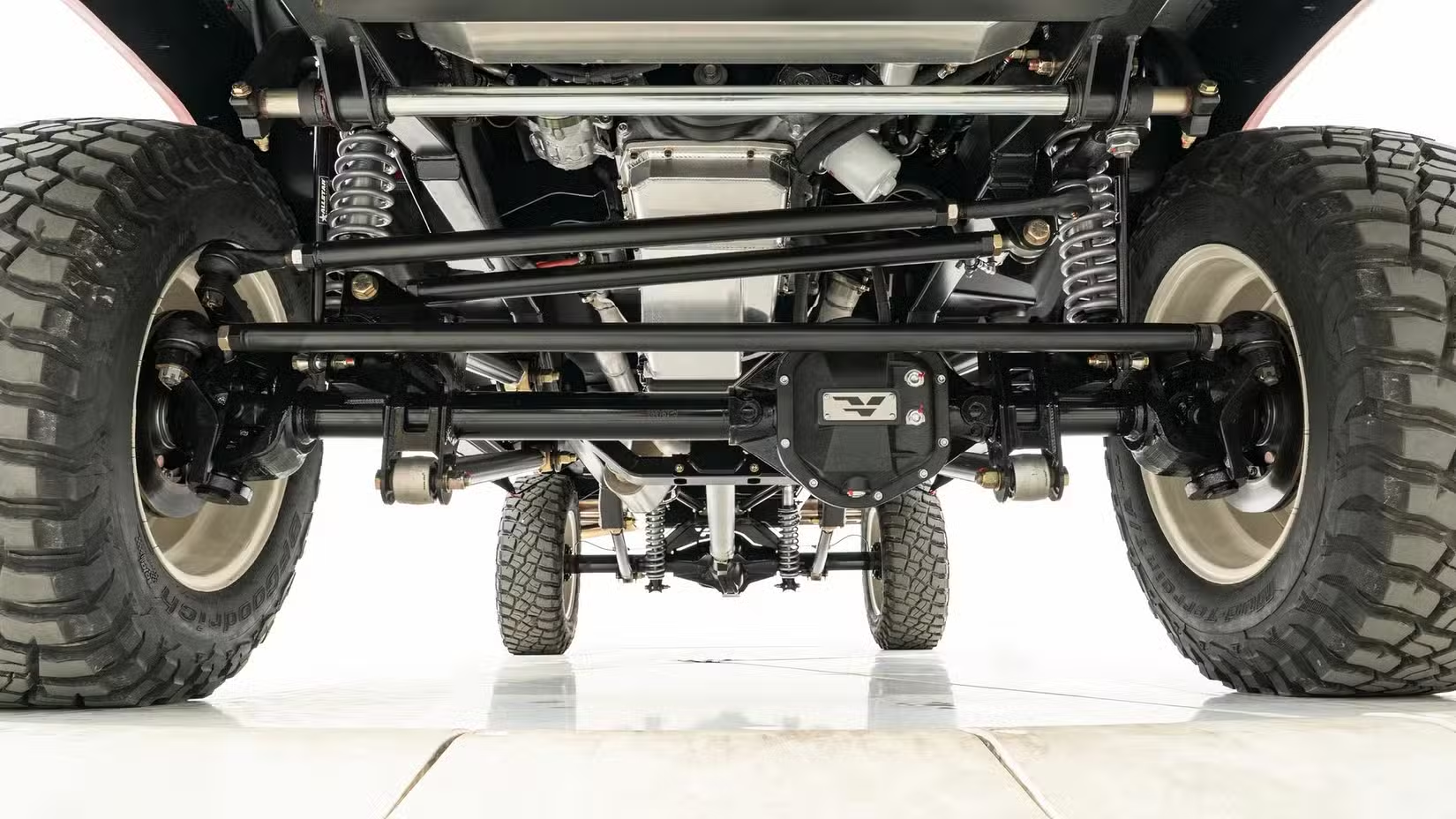
Suspension tuning determines much of an SUV’s ride quality, but its tires still perform important work. Taller sidewalls help round off sharp impacts that springs and dampers cannot completely isolate. Replacing some of that sidewall with wheel can introduce more noise, vibration, and harshness into the cabin. Adaptive dampers can reduce the penalty, but they cannot replace missing rubber. If two otherwise similar SUVs use different wheel sizes, the version with more sidewall will generally have the comfort advantage over rough pavement.
Large wheels also do not increase towing capacity, create additional AWD capability, or automatically improve off-road performance. Serious off-road SUVs generally use smaller wheels with taller sidewalls because that combination provides better impact protection and allows drivers to reduce tire pressure when conditions require it. The most expensive-looking setup is not necessarily the most capable one.
Larger Wheels Can Increase Costs After The SUV Leaves The Dealer
Low-Profile Replacement Tires Often Cost More
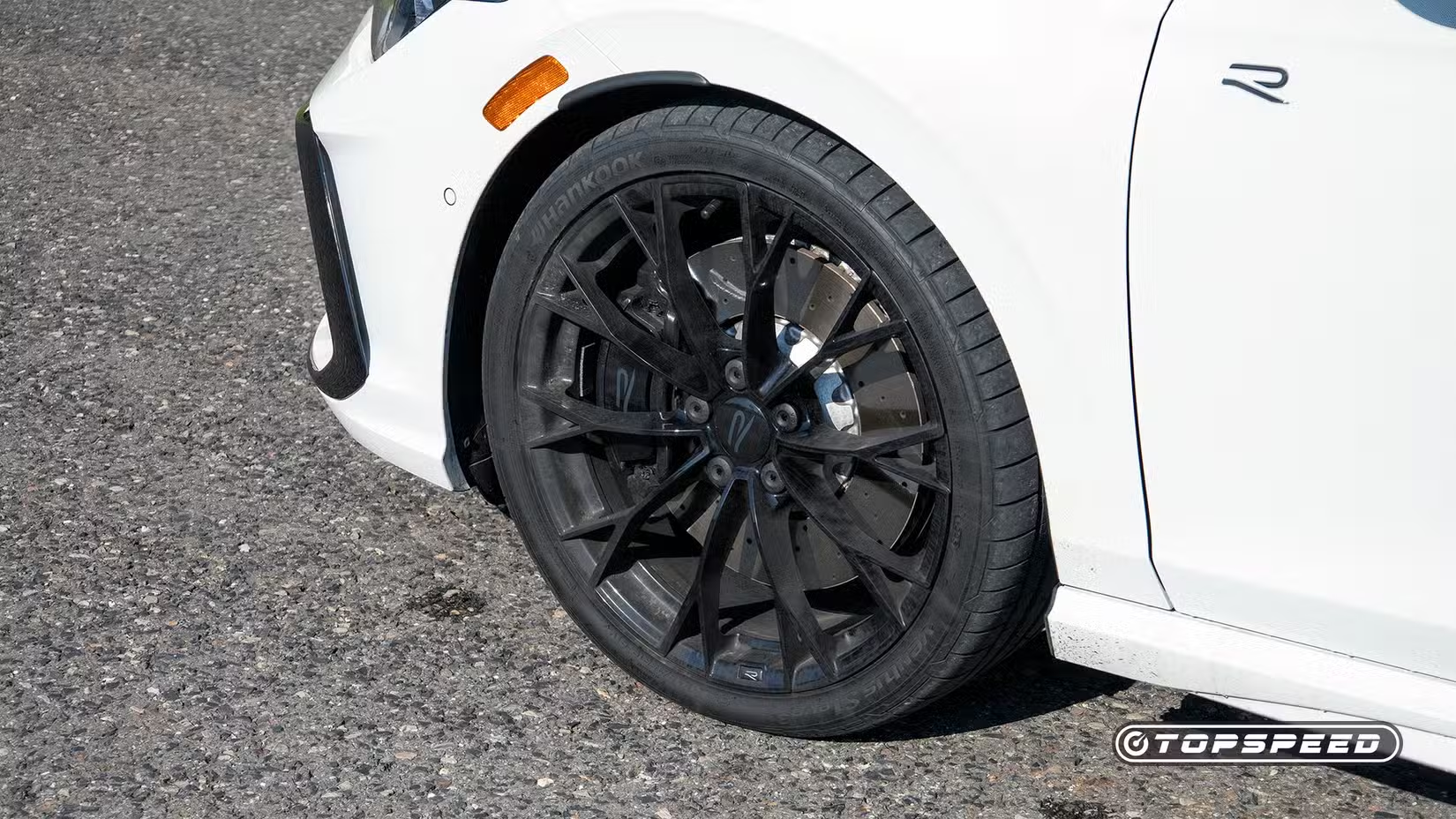
The financial difference becomes apparent when the original tires wear out. At recent retail prices, a Michelin CrossClimate2 in the CX-50’s 225/65R17 size costs approximately $225 per tire. The same tire model in the available 245/45R20 size costs about $333. That places a set of four at roughly $900 for the 17-inch size and $1,332 for the 20-inch version before installation, taxes, disposal fees, or alignment work. The larger tires create an approximately $432 difference every time you replace the complete set.
Prices vary by brand and retailer, but the pattern is common. Larger and less common sizes frequently cost more, while a widely used 17- or 18-inch size may give you more choices across budget, touring, all-weather, and winter categories. A damaged large alloy wheel can add another substantial expense.
Extra Rotating Mass Can Work Against Efficiency And Acceleration
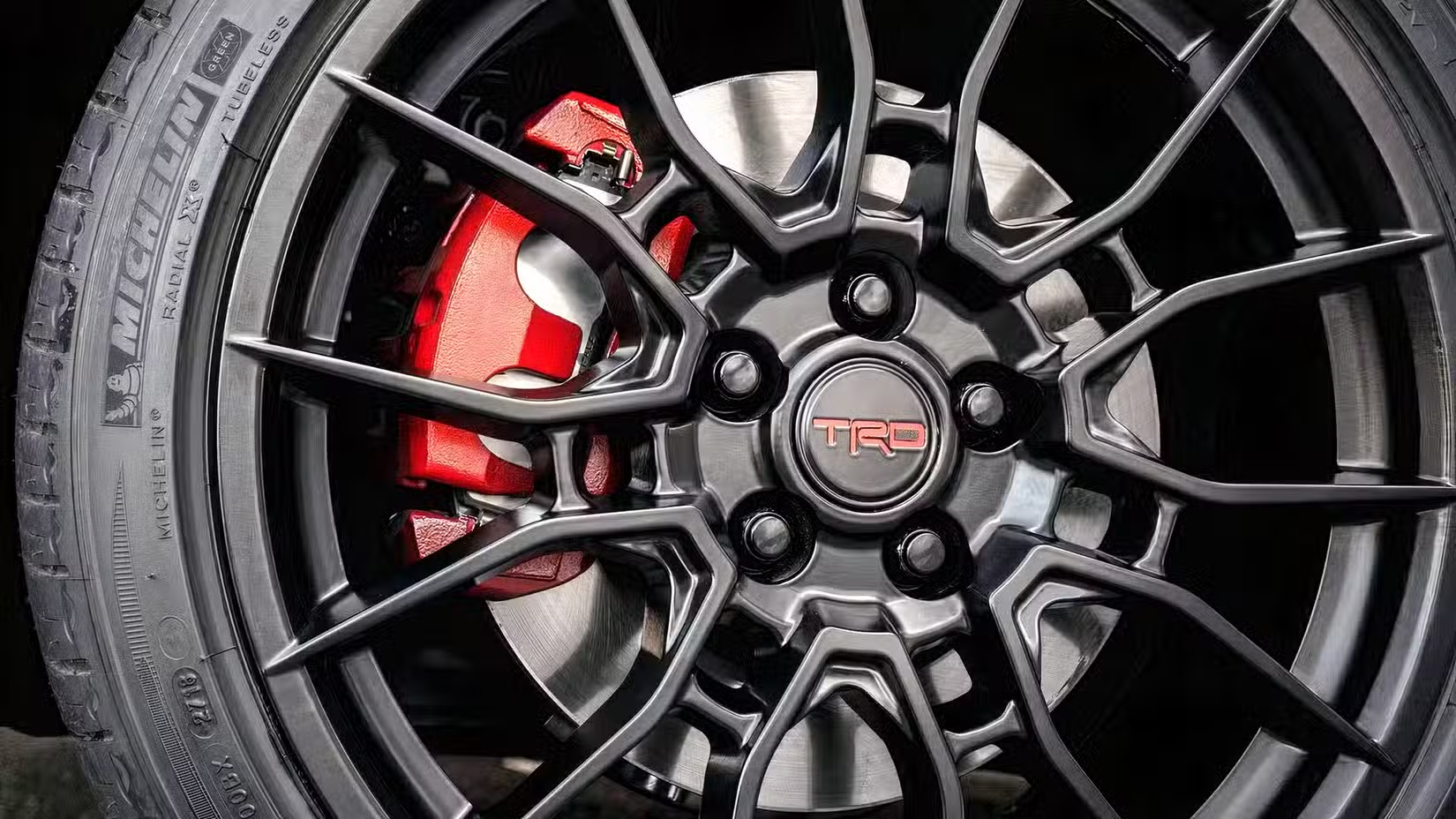
Larger wheels are not automatically heavier. A lightweight forged wheel can weigh less than a smaller cast design, and the weight of the tire must also be considered. Nevertheless, many factory wheel-and-tire upgrades add unsprung and rotating mass.
The engine must accelerate that mass whenever you pull away, while the suspension must control it over bumps. Wider tires can also increase rolling resistance and aerodynamic drag. In most family SUVs, however, the real-world difference in acceleration or fuel economy will be modest and may be difficult to separate from temperature, tire pressure, traffic, and driving style.
Electric SUVs can make the effect easier to see. The 2026 Volvo EX90 AWD is rated for up to 305 miles of range with 21-inch wheels, compared with up to 298 miles when fitted with its 20- or 22-inch configurations. That seven-mile difference is small, and tire design contributes alongside wheel size, but it demonstrates that the most visually impressive setup is not automatically the most efficient.
The Smaller Factory Wheel Is Often The Smarter Choice
Why The Tire Compound Matters More Than The Wheel Size You’re Paying For
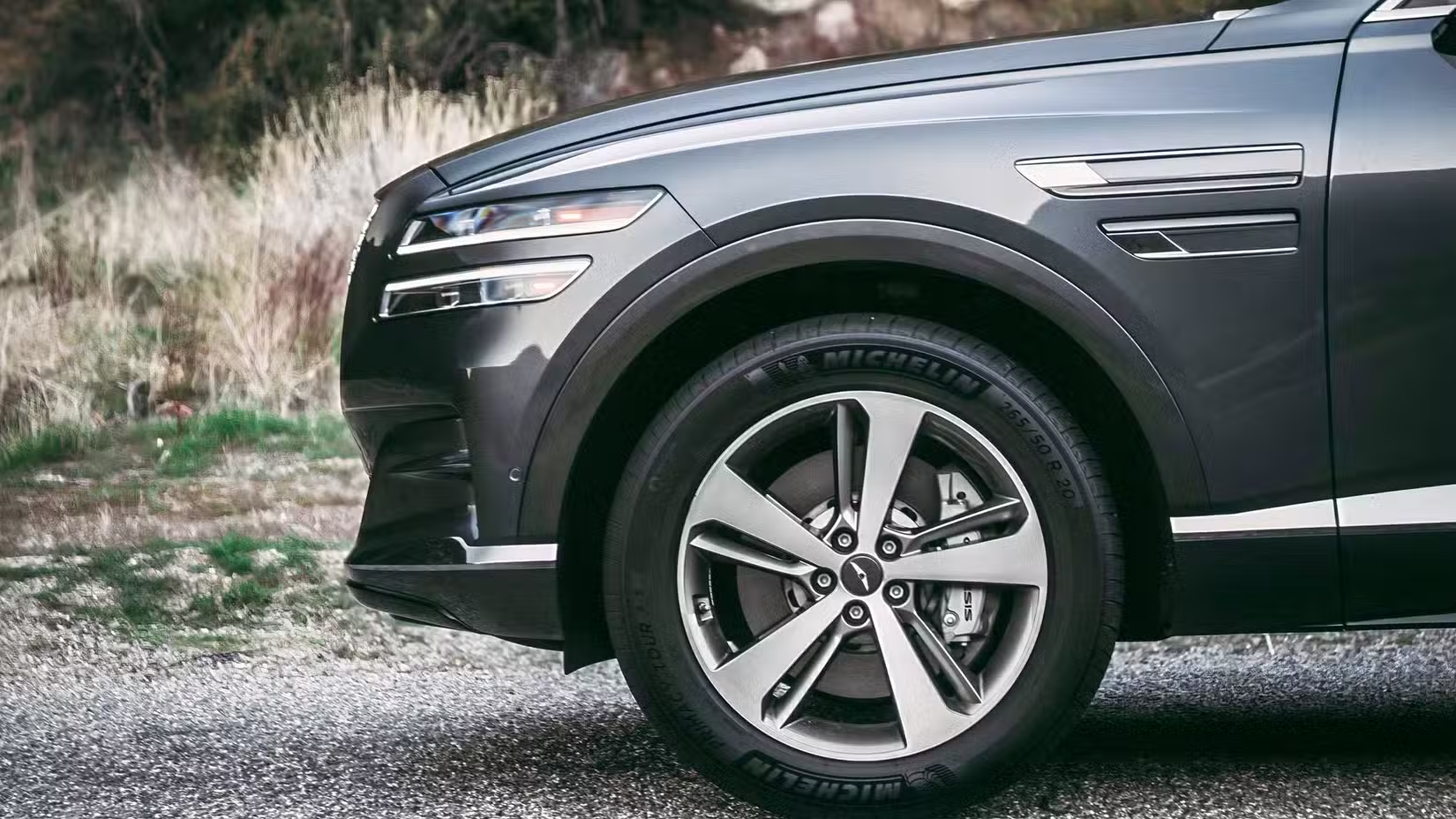
Before paying for a wheel upgrade, look at the complete tire specification. Compare sidewall height, replacement prices, available tire models, load ratings, and the type of roads you drive most often.
A smaller factory wheel is usually the better fit if you regularly encounter potholes, gravel roads, snow, or long stretches of rough pavement. It can also make sense if comfort and predictable ownership costs matter more than maximum visual impact. An 18-inch wheel fitted with a quality touring tire may deliver a better everyday experience than a 21-inch wheel wearing a cheaper tire selected to control replacement costs.
If you change wheel sizes after buying the SUV, remain within a manufacturer-approved fitment. The replacement package must preserve the appropriate overall diameter, clearance, load capacity, and speed rating. An incorrect setup can affect handling, speedometer accuracy, and the operation of electronic safety systems.
Large Wheels Make Sense When You Accept The Tradeoff
Oversized wheels are not a scam, and choosing them does not make you an uninformed buyer. Appearance is a valid reason to prefer one vehicle over another. You look at your SUV every day, and the right wheel design can dramatically improve its stance. Large wheels also make sense on performance SUVs equipped with brakes that physically require them. If you value sharper initial steering response and are willing to accept a firmer ride and higher replacement costs, the trade can be reasonable.
The problem is assuming that larger automatically means better. On most family SUVs, oversized wheels provide their biggest benefit while the vehicle is parked. Smaller factory wheels often offer more comfort, greater pothole protection, and less expensive replacement tires without sacrificing the capability you actually use. Test-drive the SUV on the wheel size you intend to buy, preferably over imperfect pavement. The showroom may convince your eyes that the larger wheel is essential, but the road, and eventually your tire bill, may tell you something different.