But where is that spot? Well, after a new car’s first three years and 36,000 miles, valuation intelligence firm VIP Data estimates that it is projected to lose 65 per cent of its initial asking price; 15-30 per cent of that can be in the first year alone. Things start to taper off as the years progress, though, so snapping up something between two and five years old will almost always represent the best value for money. Just be aware that many manufacturer warranties run out after three years, so you may want to consider extending your cover for peace of mind.
4. Hold off and buy when the time is right
Just like booking a holiday or theatre tickets, prices for used cars fluctuate throughout the year, making some times better to buy than others. Insights firm Cox Automotive tells us that used car values can fluctuate by anything between one and three per cent per month, with the greatest dips typically occurring towards the end of the year.
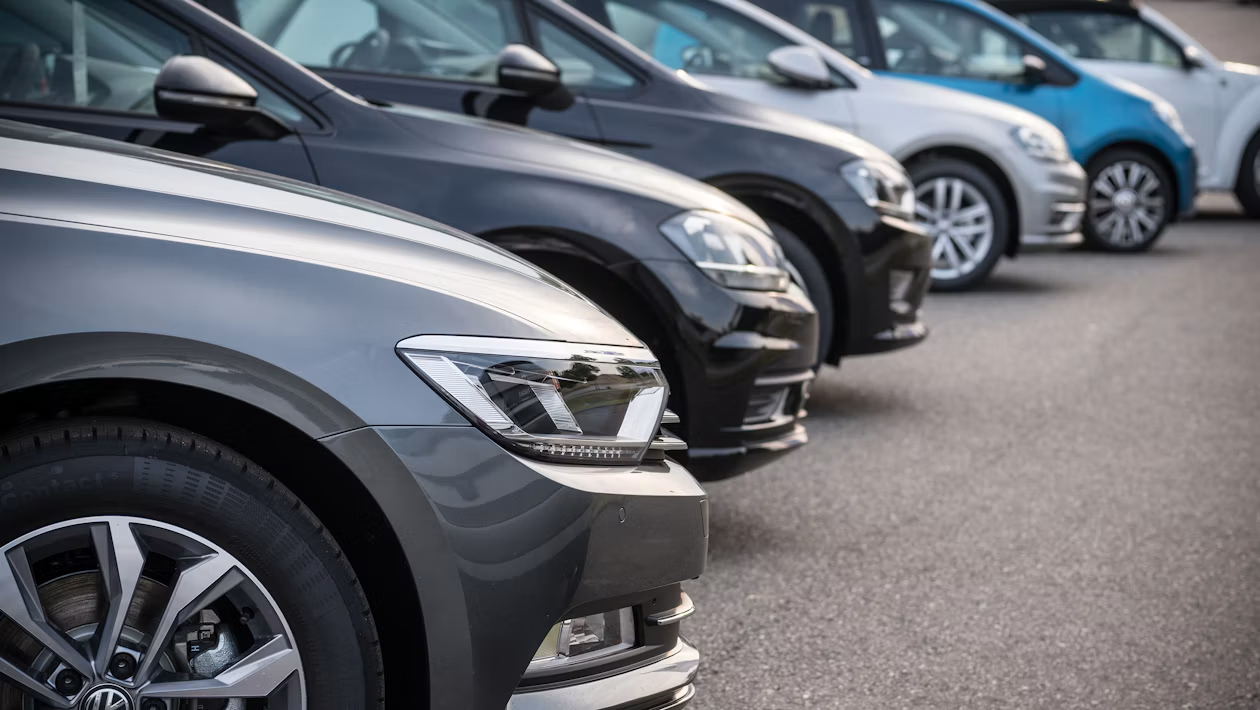
However, often the best times to buy are at the end of the month – mainly in March and September. Then, following the bi-annual plate change, people have often traded in their old cars for new ones and, as a result, a large influx of used cars enters the market. With supply outstripping demand, it’s often possible to snap up a good deal as dealers try to hit sales targets and shift vehicles that are occupying valuable space on their lots.
5. Consider a model with greater availability
The Covid-19 pandemic showed that availability can greatly impact used car prices; the limited number of new cars entering the second-hand market at a time when factories had ground to a halt resulted in used prices soaring. According to Cox Automotive’s insights director, Philip Nothard: “We saw vehicle values peak at around 65-67 per cent throughout 2021 and early 2022, which was consistent with a market experiencing constrained vehicle supply and a heightened demand for used stock. Since this point, values have normalised, falling back to 46-50 per cent in 2025-2026.”