Just about any long-distance motorcycle spends plenty of time at speed, but some of the hardest moments on a trip happen at walking pace. A sloping campsite, a washed-out road, a muddy turnaround, or a loaded bike leaning farther than expected can test the skills of the best of riders. Large adventure motorcycles are built to travel with power, weather protection, fuel capacity, and passenger comfort. Smaller ones can not only do the same, albeit with fewer luxuries, in exchange for lower weight that makes for easier recovery, and more freedom when the route goes off a well-paved highway.
Adventure Travel Makes Weight Matter In Unexpected Places
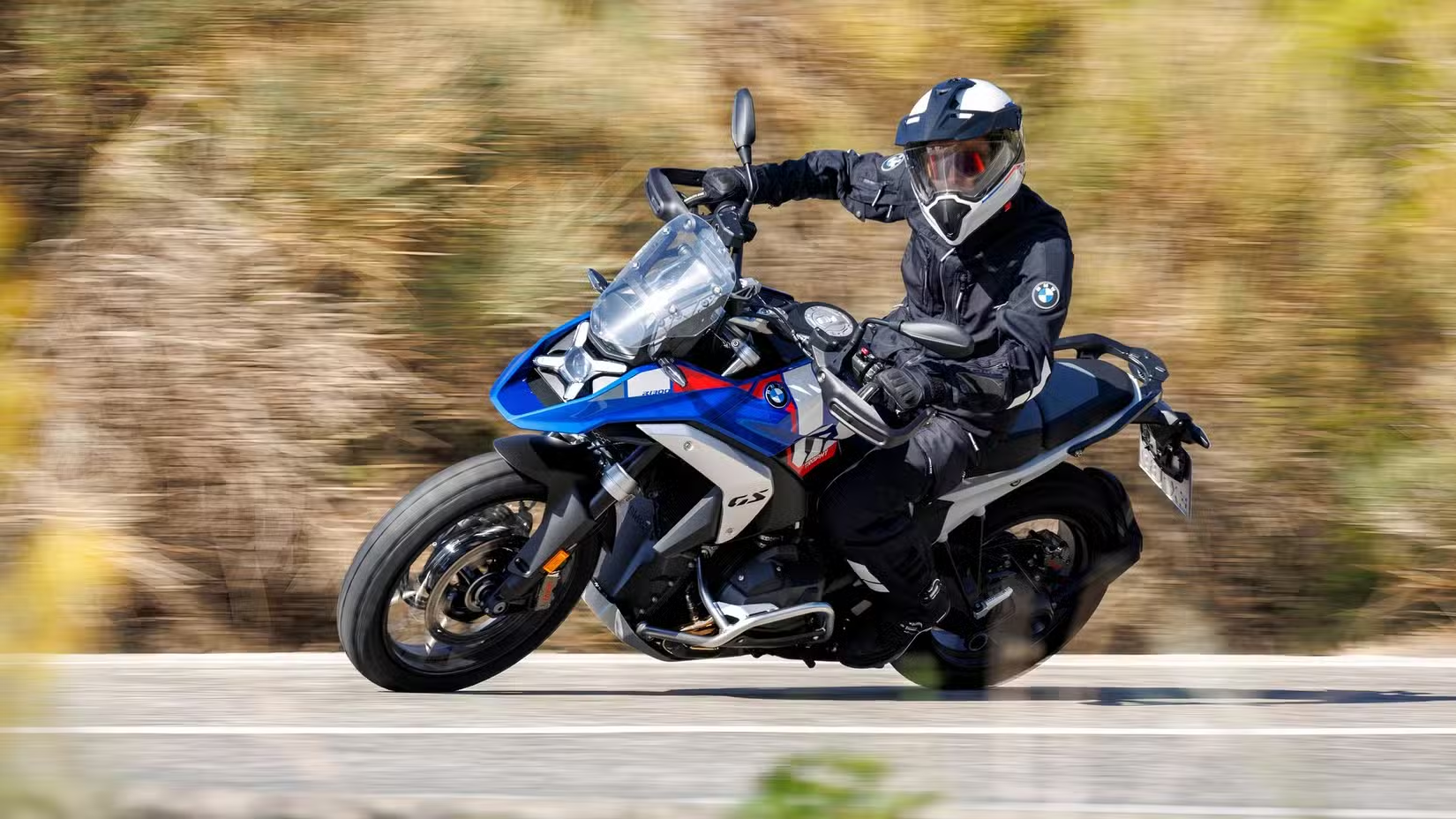
A big adventure bike can hide its mass impressively well once both wheels are rolling. Modern chassis design, low-mounted fuel, electronic suspension, and rider aids have made motorcycles weighing well over 500 pounds remarkably manageable at speed. They don’t, however, repel gravity when the bike is stationary. Slow-speed riding depends far more on balance, clutch and throttle control, body position, and timely steering inputs than on chassis sophistication.
At walking pace, there is little gyroscopic stability helping to keep the motorcycle upright, so every correction comes directly from the rider. The heavier the motorcycle, the more precise those corrections need to be, because once that mass starts moving off line, arresting it takes more effort. This becomes especially relevant off pavement, where traction and footing are constantly changing. A lighter adventure bike gives the rider more room to make small mistakes without immediately turning them into big ones.

Honda’s 2026 CRF300L Rally weighs 333 pounds ready to ride, while the 2026 KTM 390 Adventure R is 388 pounds fully fueled. On the other hand, BMW’s 2027 R 1300 GS Adventure is 593 pounds curb. The BMW, of course, has much more equipment to offer, like a 7.9-gallon tank, substantial wind protection, serious carrying ability, and 145 horsepower, but a solo rider still has to manage every pound when the road runs out.
That is why displacement alone is a poor guide to travel capability. If a trip includes rough roads, frequent stops, or solo exploration, the bike that is easiest to manage at 5 mph may prove more useful than the one that is effortless at 85. And that’s what makes them a better travel companion, but the details are a bit more nuanced, hiding more advantages and the resulting fun of riding them.
A Lighter Bike Lets You Take Chances That A Heavy One Discourages

The benefit is not limited to easier steering in dirt. A narrow forest track is easier to commit to when the worst-case scenario is turning around a 350-pound motorcycle rather than maneuvering something approaching 600 pounds with luggage, let alone struggling to fit on that trail. On an unfamiliar route, a rider can stop, inspect a bad section, paddle through a rut, or reverse course. Think enduro riding, which heavily relies on technique rather than a test of strength. Over several days on a trip, it also saves energy.
Solo Recovery Is Where The Difference Becomes Hard To Ignore

Having friends tagging along on off-road ventures is always better, but on the occasions that you find yourself exploring the unknown by yourself, a big ADV can be immensely limiting. Dropping it is not automatically a crash. Sometimes a boot simply slides in the mud at zero mph. Proper lifting technique helps, but slope, load, footing, and fatigue can make a straightforward pickup much harder. A lighter bike lowers the cost of that mistake. It can also make solo ventures on imperfect roads less intimidating, because getting moving again is likely to remain a one-person job, and you’ll have the confidence to do so.
The Highway Compromise Is A Much Smaller Margin Than You Think
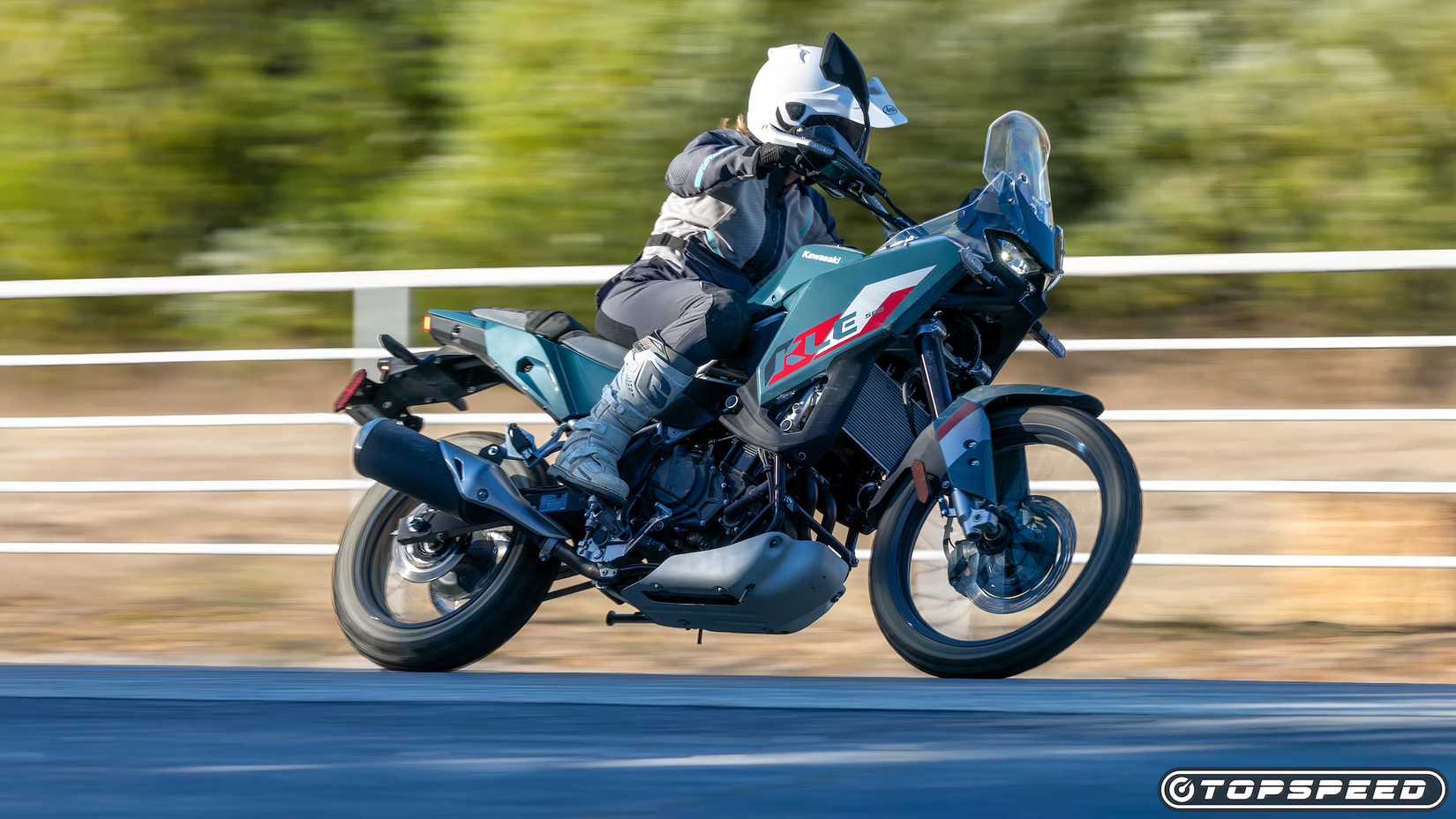
Small-bore adventure bikes once made their limitations pretty obvious as soon as you merged with fast traffic. The current crop of machines have narrowed that gap substantially. KTM’s 2026 390 Adventure R produces 44 horsepower from its 399cc single, uses a six-speed transmission, carries 3.7 gallons of fuel, and adds a windscreen, cornering ABS, traction control, and 9.1 inches of suspension travel.
Not only does it have most of the essential tech of big-ADVs, but its gearing is relaxed enough for highway cruising, with usable passing performance and effective wind protection. Yes, it still cannot match a liter-class ADV when a strong headwind is fighting against forward momentum or the luggage is heavy, but it packs enough to deal with them without extra rider effort.
Highway Ability Depends On How Much Highway You Actually Ride

A rider spending eight hours at 80 mph on the highway will appreciate the low engine speed, wind protection, broad seat, and instant overtaking power of a larger engine. Sustained crosswinds can also make the planted feel of a heavier machine welcome. But if the interstate mainly connects back roads, trails, and smaller towns, the variables change.
Honda’s 286cc CRF300L Rally is modest on the highway to say the least, but its 3.4-gallon tank, 10.2 inches of suspension travel, and 21/18-inch wheels become more relevant once the pavement deteriorates or completely ends. It gives away speed on the easy part of the route to become a formidable trail tool whilst being easier to handle on the part that requires work.
Small-Bike Travel Works Best When You Resist Turning It Into A Big Bike

Downsizing, however, only works if the packing list is regulated. Hard luggage, spare fuel, oversized crash protection, camping equipment, tools, and “just in case” gear can quickly bury the advantage of starting light. Every added pound still has to be balanced, stopped, lifted, and carried through soft ground. A compact soft-luggage setup can preserve more of that weight advantage than a large pannier system. Disciplined packing keeps the motorcycle from growing heavier with every spare item, and paying attention to payload limits, particularly for heavier riders or multi-day camping, is still an important consideration.
Choose The Bike For The Hardest Part Of Your Trip
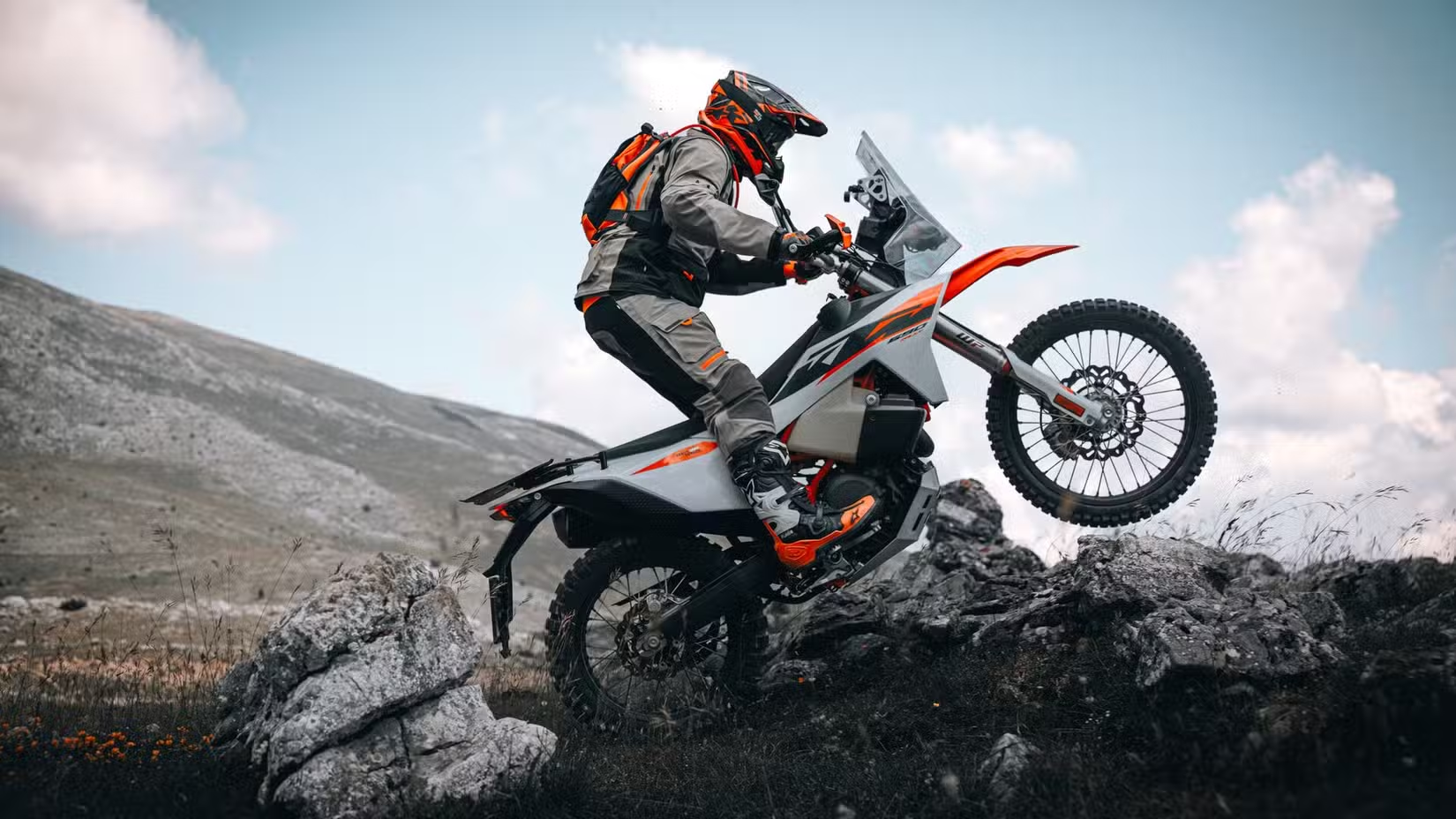
Small-bore ADVs also leave more room in the travel budget. The 2026 Honda CRF300L Rally starts at $6,499, while the 2026 Royal Enfield Himalayan 450 starts at $5,999, leaving money for add-ons like luggage, tires, protection, or comfort upgrades that directly improve a trip. Better still, a small-bore ADV like the 2027 KTM 690 Rally comes with a higher price tag but immense off-road capability.
Big adventure bikes still make more sense for two-up touring, heavy loads, sustained interstate speeds, and effortless overtaking. Smaller machines suit riders whose trips involve more rough roads, loose surfaces, and solo travel. They demand greater patience on fast highways, sure, but reward it with easier low-speed control and recovery. The better choice actually depends less on the engine size than on where the trip is likely to become difficult.
Source: Various Manufacturers