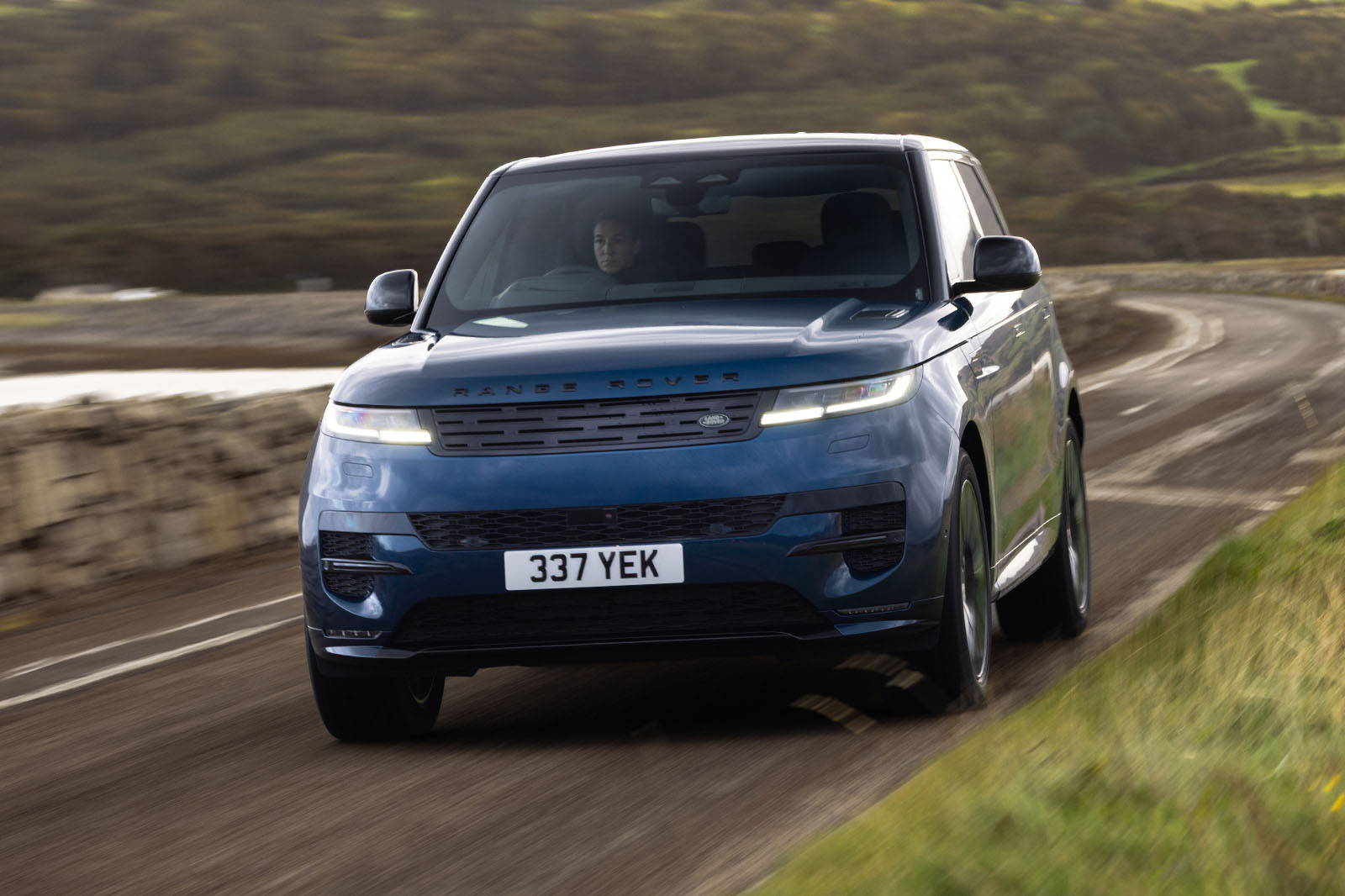
This EV is based on the same MLA platform as the rest of the Range Rover and Range Rover Sport family, only with an electric motor on each axle, for a combined 542bhp and 627lb ft, and a 118.5kWh (usable) battery – specs identical to the Range Rover Electric.
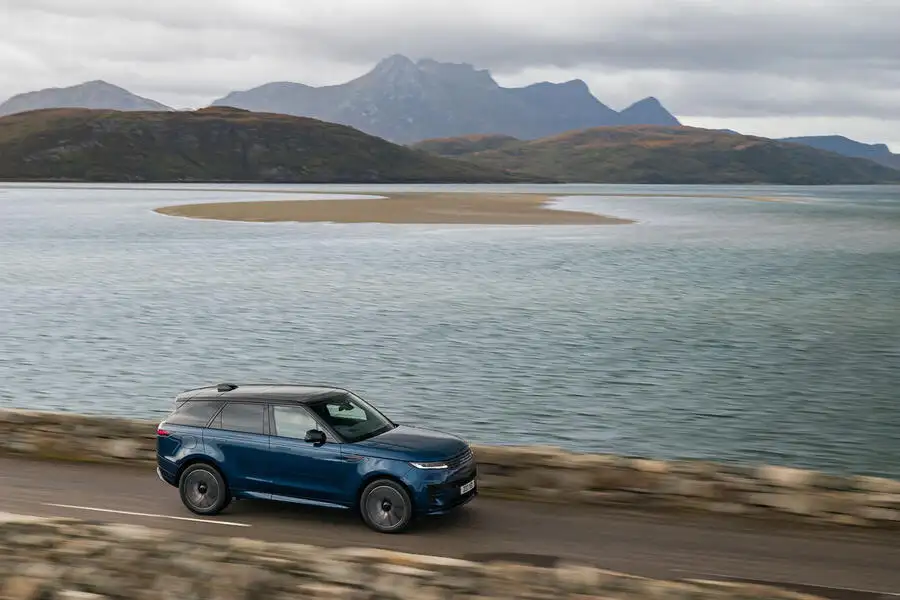
The Sport EV is the stiffest model yet built on the MLA, like its big brother with the battery in the floor (without affecting interior space, driving position or wider interior architecture) for a lower centre of gravity, and it’s rear-biased in feel.
The new Range Rover EVs were developed alongside one another and the Jaguar Type 01 GT – something JLR vehicle engineering director Matt Becker says has helped ensure the large luxury electric trio all have different characteristics and their own place in the market.
His team has been successful here. Considering how soulless and devoid of character many EVs are, I had expected the Range Rover duo to feel closer together in electric form, but in fact they feel even further apart, with the Sport EV channelling the spirit of the superb previous-generation model.
The EV transformation hasn’t addressed one of our biggest gripes with the current Sport, however: a touchscreen that’s very average in terms of both the display and its usability. Why on earth is the Terrain Response system hidden in there rather than on a physical controller?