
- Solid-state batteries designed for the robot have begun rolling off the production line in small batches, while Iron itself remains in the pre-production stage.
- Xpeng plans to mass-produce Iron by year-end, but the latest disclosure does not clarify whether the batteries use the previously planned all-solid-state technology.
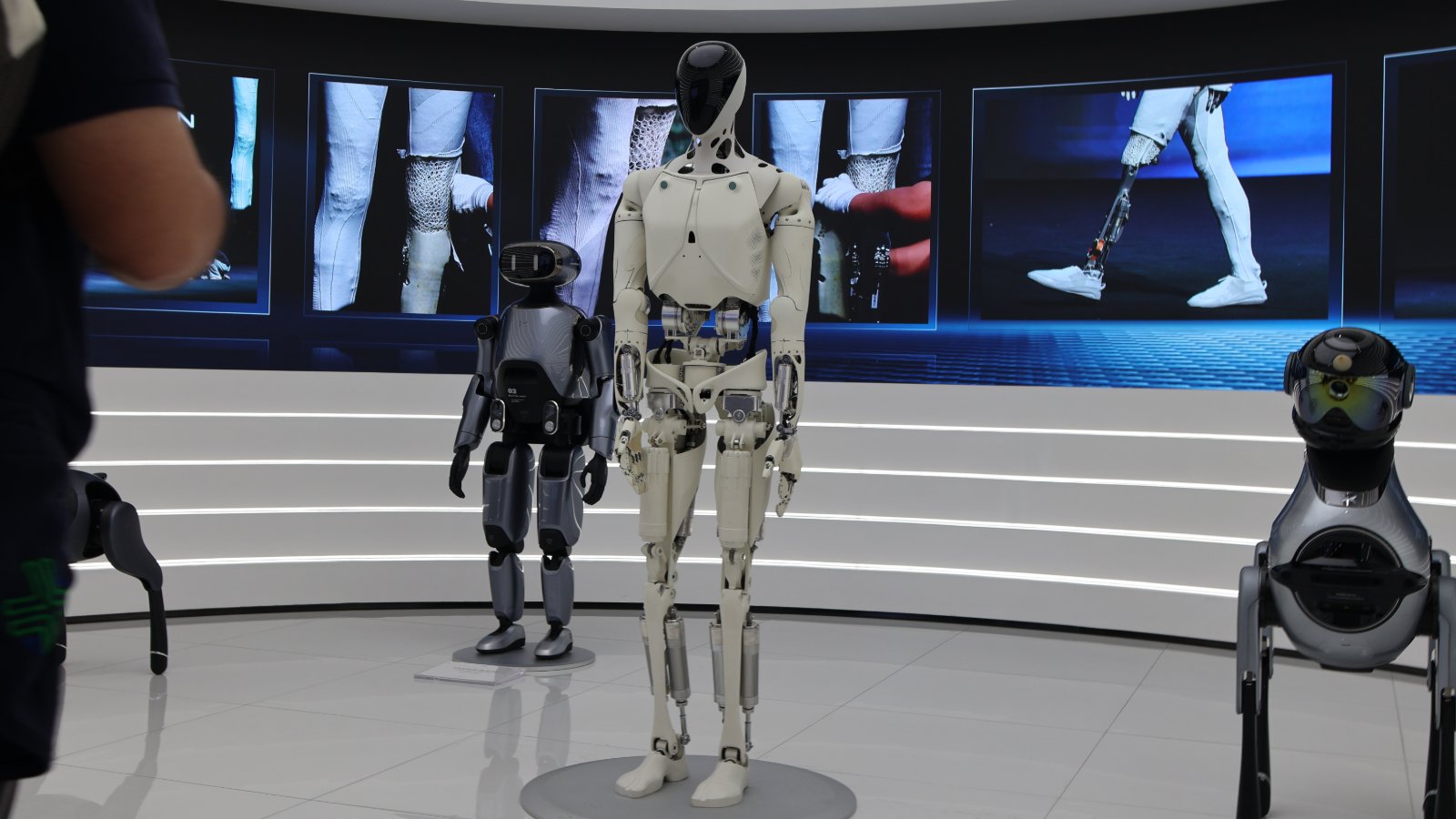
Solid-state batteries for Xpeng‘s (NYSE: XPEV) Iron humanoid robot have entered small-batch production, providing a key component to support the Chinese electric vehicle maker’s push to commercialize its robots.
Xpeng vice president Gu Jie said on Wednesday that solid-state batteries for Iron had begun rolling off the production line in small batches, while the robot itself remained ahead of SOP (start of production), according to a Yicai report.
The development means the batteries have entered small-batch production ahead of the complete robot. Xpeng plans to begin mass production of Iron by the end of 2026, with deployment in stores and other commercial settings starting in 2027.
Gu told the annual conference of the Society of Automotive Engineers of China that the dedicated solid-state battery uses a high-energy-density design to accommodate the robot’s limited internal space, according to Sina Auto.
He said Xpeng had redefined its battery standards for robotic applications, incorporating a design to prevent thermal runaway from spreading. The batteries can withstand tests including impacts and nail penetration.
However, the latest disclosure uses the term “solid-state battery” without specifying whether it refers to the all-solid-state technology Xpeng previously announced. It also provides no specific energy density or production volume figures.
When Xpeng unveiled the new-generation Iron in November 2025, it said the robot would use all-solid-state batteries to balance low weight, energy density and safety.
But Jipian Lab reported on September 3 this year that the production version of Iron would use solid-liquid hybrid (semi-solid-state) batteries with high energy density, as the commercialization of all-solid-state batteries had failed to keep pace with the robot’s production schedule.
The report also said Xpeng had selected a second-tier Chinese battery maker as its main supplier. The company had not publicly disclosed the change at the time, and the latest news does not clarify the relationship between the 2 technical approaches.
Before the battery production update, Xpeng had commissioned its Iron humanoid robot production line on September 8, with the robot completing automated final assembly and walking off the line autonomously.
Xpeng said at the time that more than 80% of the line’s core processes were automated and that it had introduced an automotive-grade quality system to support consistent manufacturing quality and future capacity expansion.
The launch of the production line did not mean Iron had entered mass production. The company reiterated its year-end production target and said it planned to formally launch and deliver the robot in China and overseas markets in 2027.
Iron will initially target commercial settings such as stores, providing services including shopping assistance and product introductions.
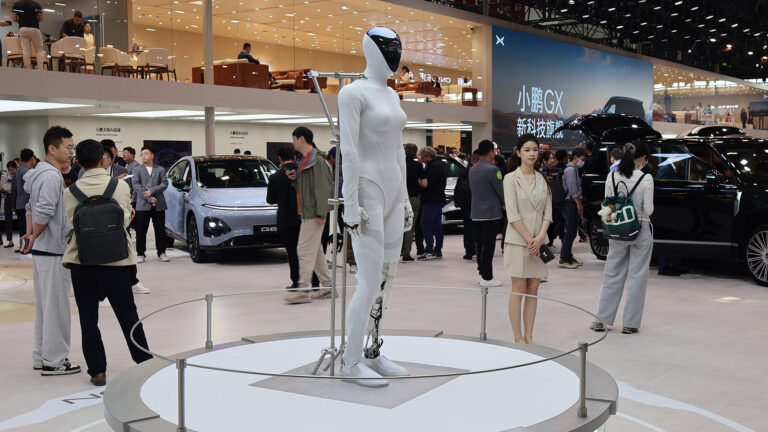
Several Wall Street banks believe that external capital has established an independent valuation benchmark for Xpeng’s robotics business.