Some motorcycles make an impression when they launch, while others continue to influence the industry long after their production runs end. A handful even manage to look as special, decades later, as they did when they first appeared under the bright lights of a motorcycle show. EICMA, formerly known as the Milan Motorcycle Show, has introduced plenty of machines that fit this description. Some rewrote the rules of superbike design, while others gave traditional motorcycle styles a fresh lease of life, and a few made performance more accessible to everyday riders. Here are 10 motorcycles unveiled at EICMA that earned their place among modern classics.
Ducati 916
Debut: Milan Show 1993
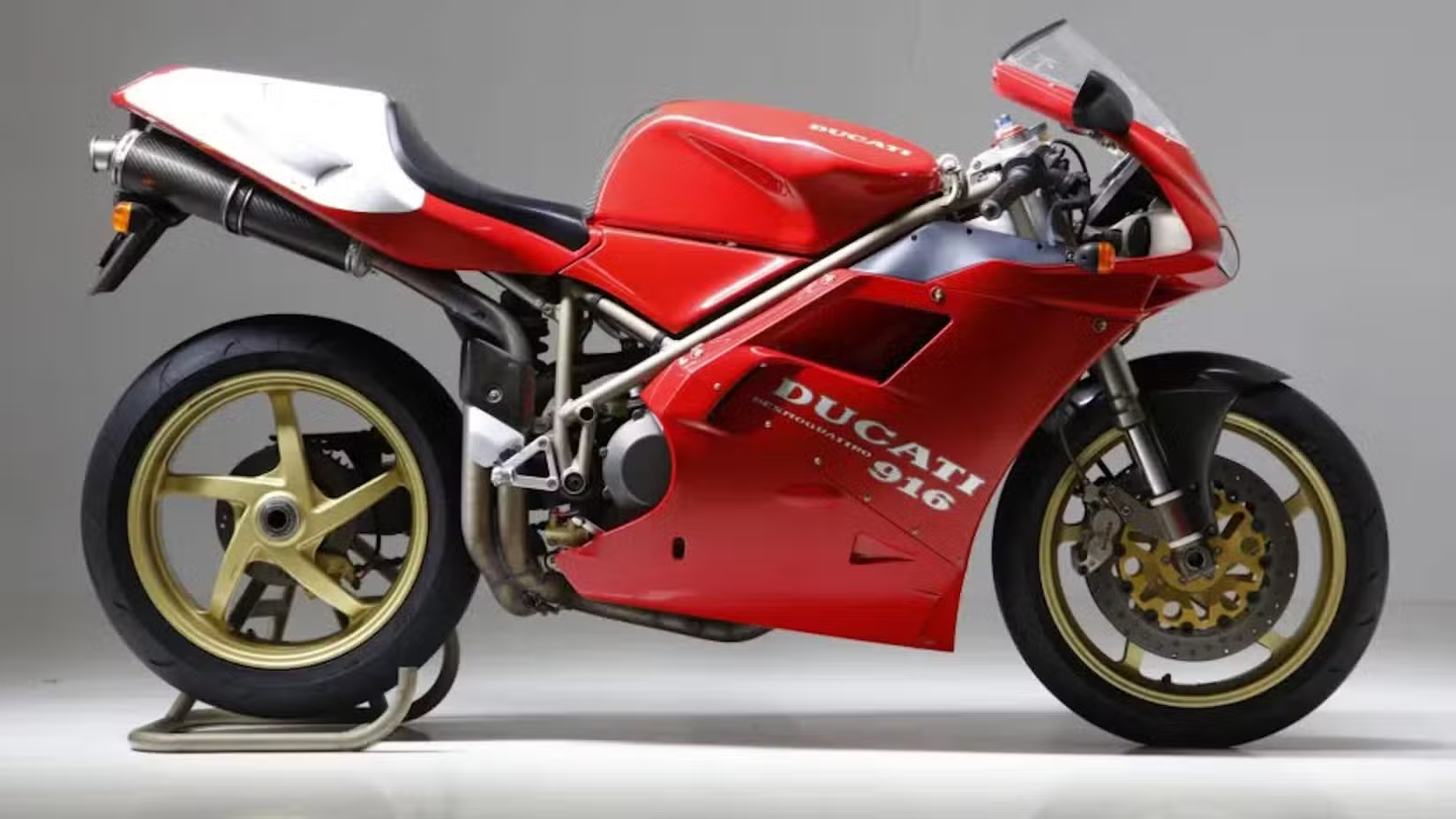
Few motorcycles have aged as gracefully as the Ducati 916. Designed by Massimo Tamburini, it debuted at the Milan Motorcycle Show in October 1993 and quickly became one of the most recognizable sport bikes of its era. Its slim twin headlights, under-seat exhausts, single-sided swingarm, and compact proportions gave it a silhouette that stood apart from its contemporaries.
The 916 was not simply a styling exercise. Its 916cc V-twin delivered a claimed 114 horsepower, while its racing pedigree helped establish Ducati as a dominant force in World Superbike. Even today, the original 916 remains a reference point in discussions about beautiful motorcycles. Its significance comes from more than nostalgia; it helped establish the visual identity of Ducati superbikes for years to come.
MV Agusta F4 750 Serie Oro
Debut: Milan Show 1997
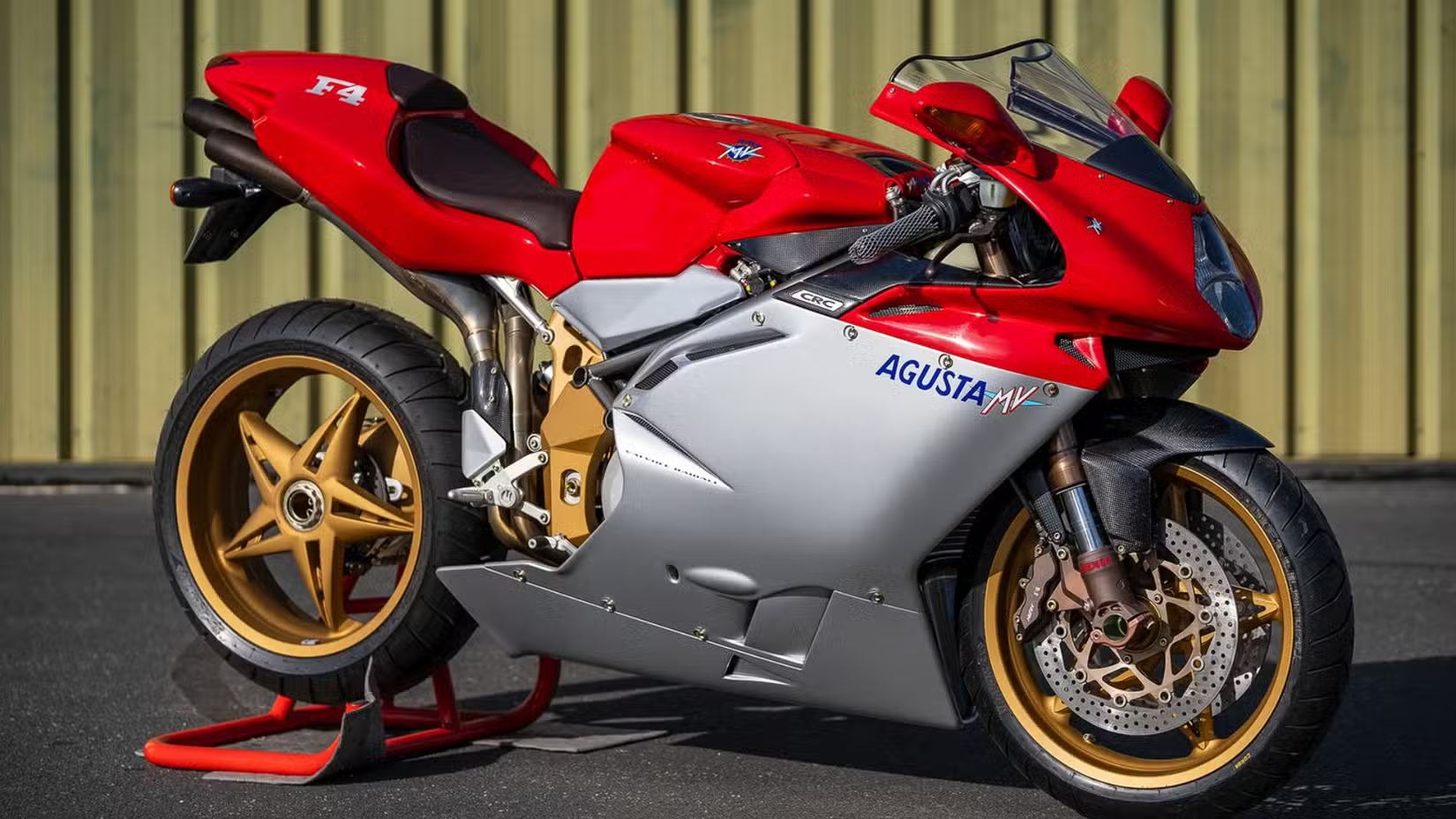
The MV Agusta F4 750 Serie Oro introduced another Massimo Tamburini masterpiece to the world at the 1997 Milan show. Its design combined a sculpted fairing, a single-sided swingarm, and four distinctive under-seat exhaust outlets. These bits made the F4 look almost sculptural. Elsewhere, it featured carbon-fiber bodywork and gold-anodized magnesium components, making it considerably more exclusive than the mainstream F4 models that followed.
Production began in 1999, so the motorcycle’s show debut preceded customer deliveries by a significant margin. Its combination of rarity, advanced materials, and striking design helped re-establish MV Agusta as a serious name in high-performance motorcycling. The Serie Oro, or Gold Series, was limited to just 300 examples.
Ducati 1098
Debut: EICMA 2006
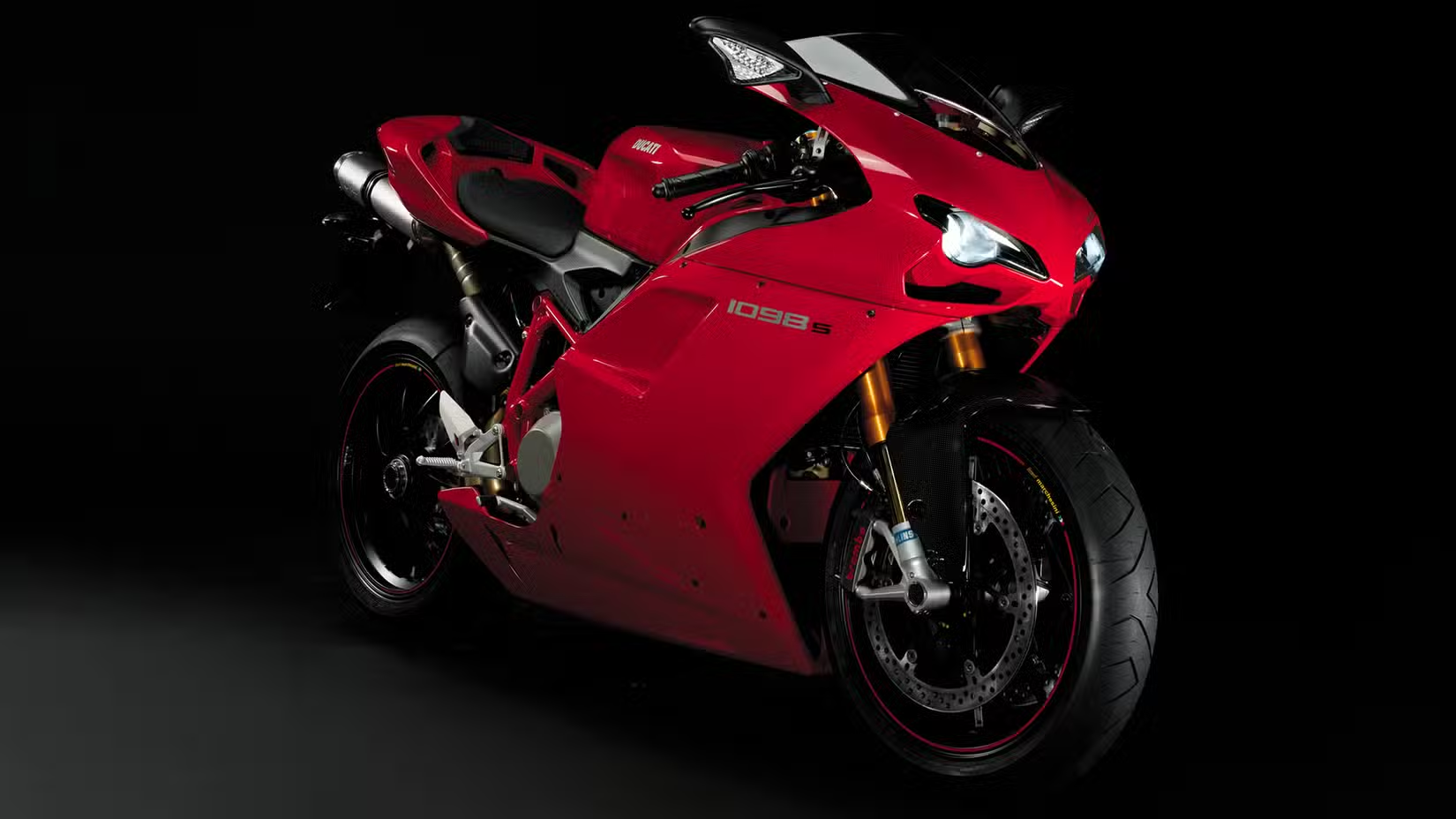
After the controversial styling of the 999, Ducati returned to a more familiar visual formula with the Ducati 1098. Unveiled at EICMA in November 2006, it drew heavily on the 916’s design language, bringing back a compact front end, a high tail and the familiar single-sided swingarm. Underneath, however, it was a thoroughly modern superbike for its time.
Its 1,099cc Testastretta V-twin produced a claimed 160 horsepower, with strong torque giving it an intense, direct character on the road. Brembo monobloc brakes and twin under-seat exhausts reinforced the blend of racing technology and traditional Ducati styling. The 1098 may not be as universally revered as the 916, but its design helped bring Ducati’s classic superbike proportions back into the spotlight.
Moto Guzzi V7 Classic
Debut: EICMA 2007
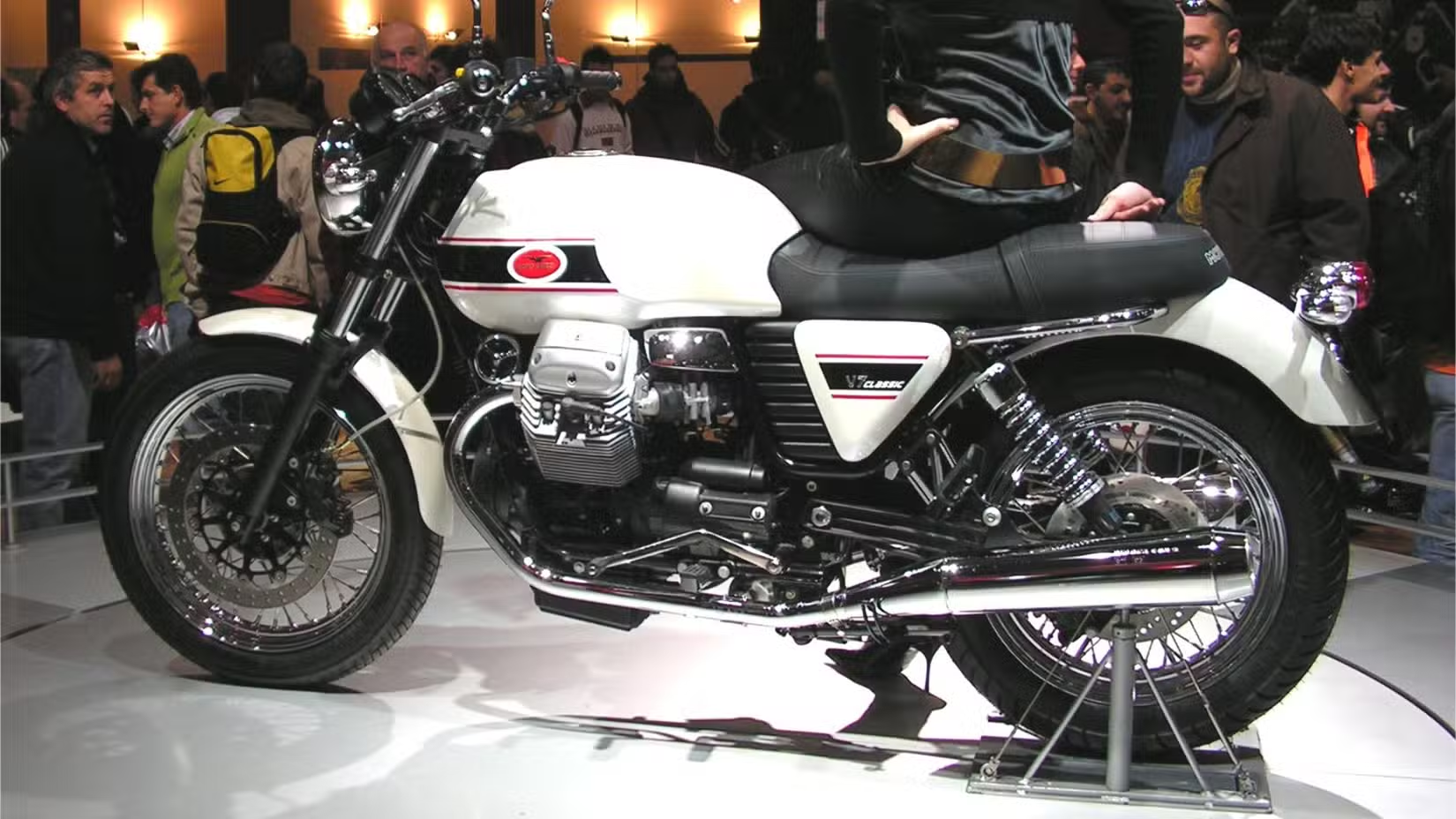
Not every modern classic needs outrageous performance or exotic bodywork. The Moto Guzzi V7 Classic took a quieter route, appearing at EICMA 2007 as a tribute to the original V7 introduced in the 1960s. Its teardrop-shaped tank, chrome details, wire-spoke wheels and simple lines recalled an era when motorcycles had a less complicated visual identity.
The mechanical package was equally traditional in character. A 744cc air-cooled, transverse 90-degree V-twin powered the motorcycle through a five-speed gearbox and shaft drive. Electronic fuel injection and modern braking hardware kept it practical for contemporary use. Its appeal lay in a familiar riding experience rather than a headline-grabbing performance.
Ducati Diavel
Debut: EICMA 2010
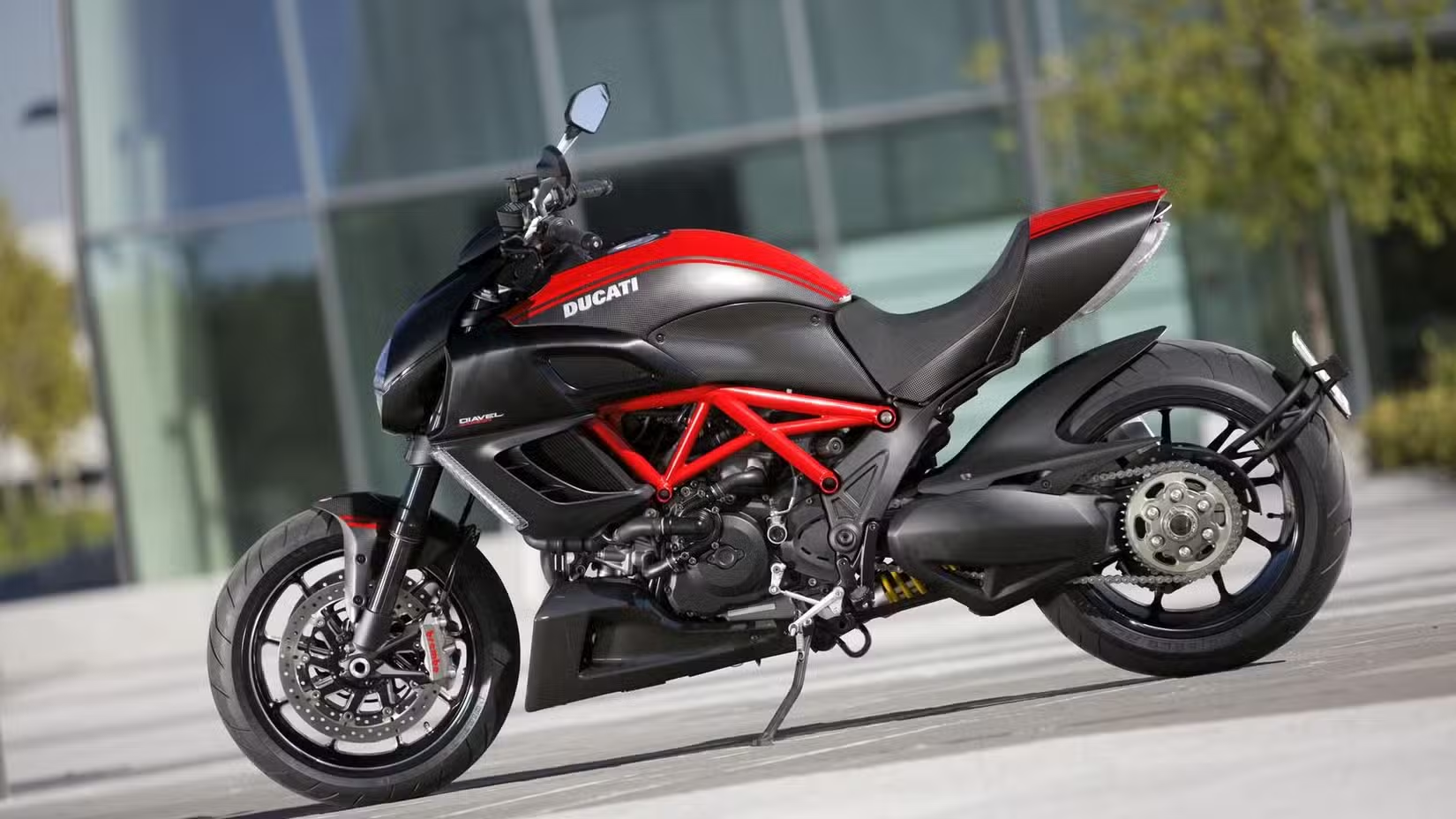
When Ducati unveiled the Diavel during EICMA week in 2010, it challenged conventional ideas about what a cruiser could be. Its long, low stance and enormous rear tire suggested a muscular power cruiser, but the compact proportions and aggressive riding position hinted at its sport bike roots.
The original Diavel used a 1,198cc Testastretta 11-degree V-twin, producing a claimed 162 horsepower. That was serious output for a motorcycle with such a broad and muscular silhouette. Rather than simply copying American cruiser styling, Ducati combined straight-line punch with sharp road manners and distinctive Italian design. The Diavel also established a recognisable identity that survived multiple generations and engine updates.
Ducati 1199 Panigale
Debut: EICMA 2011
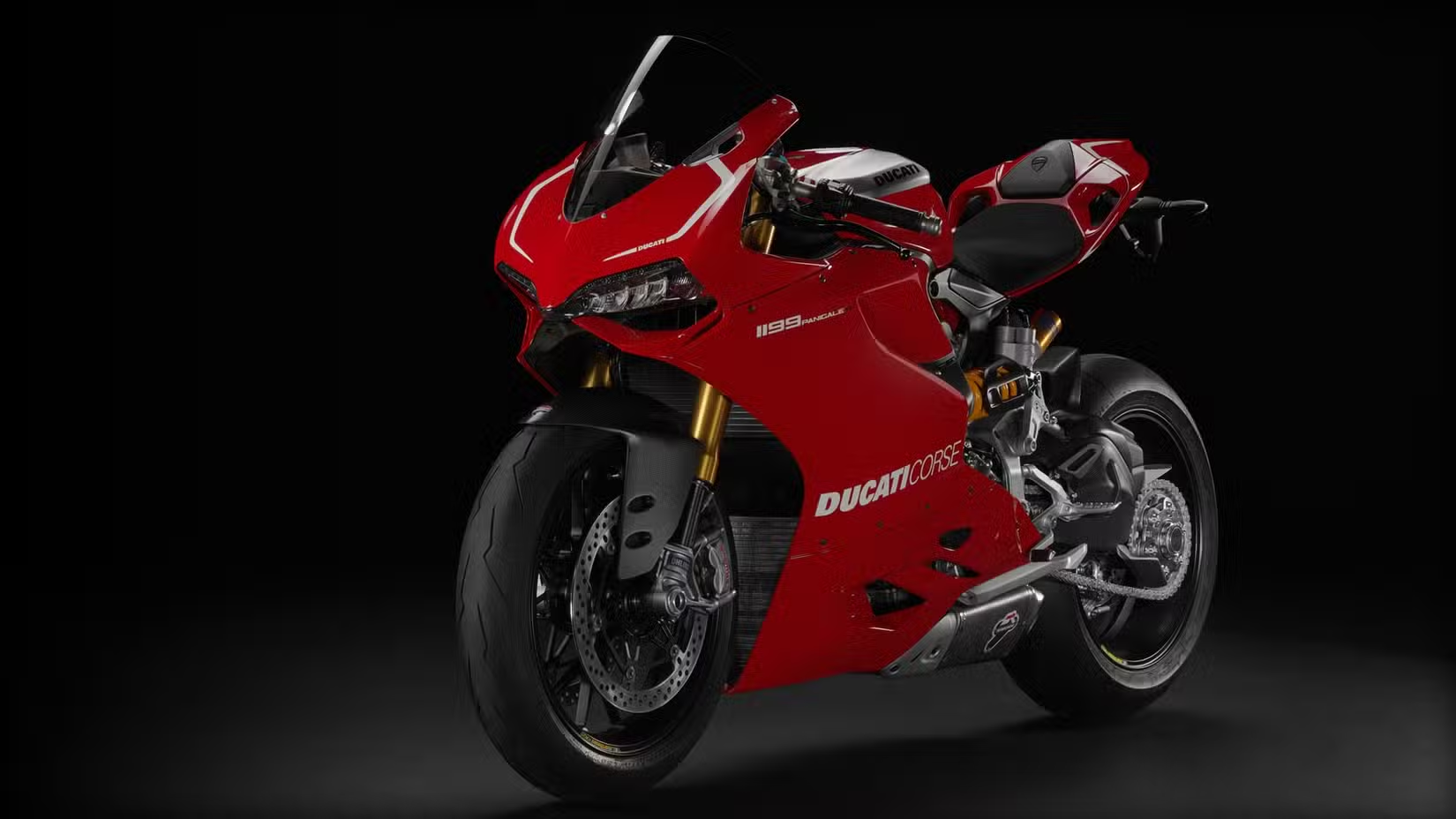
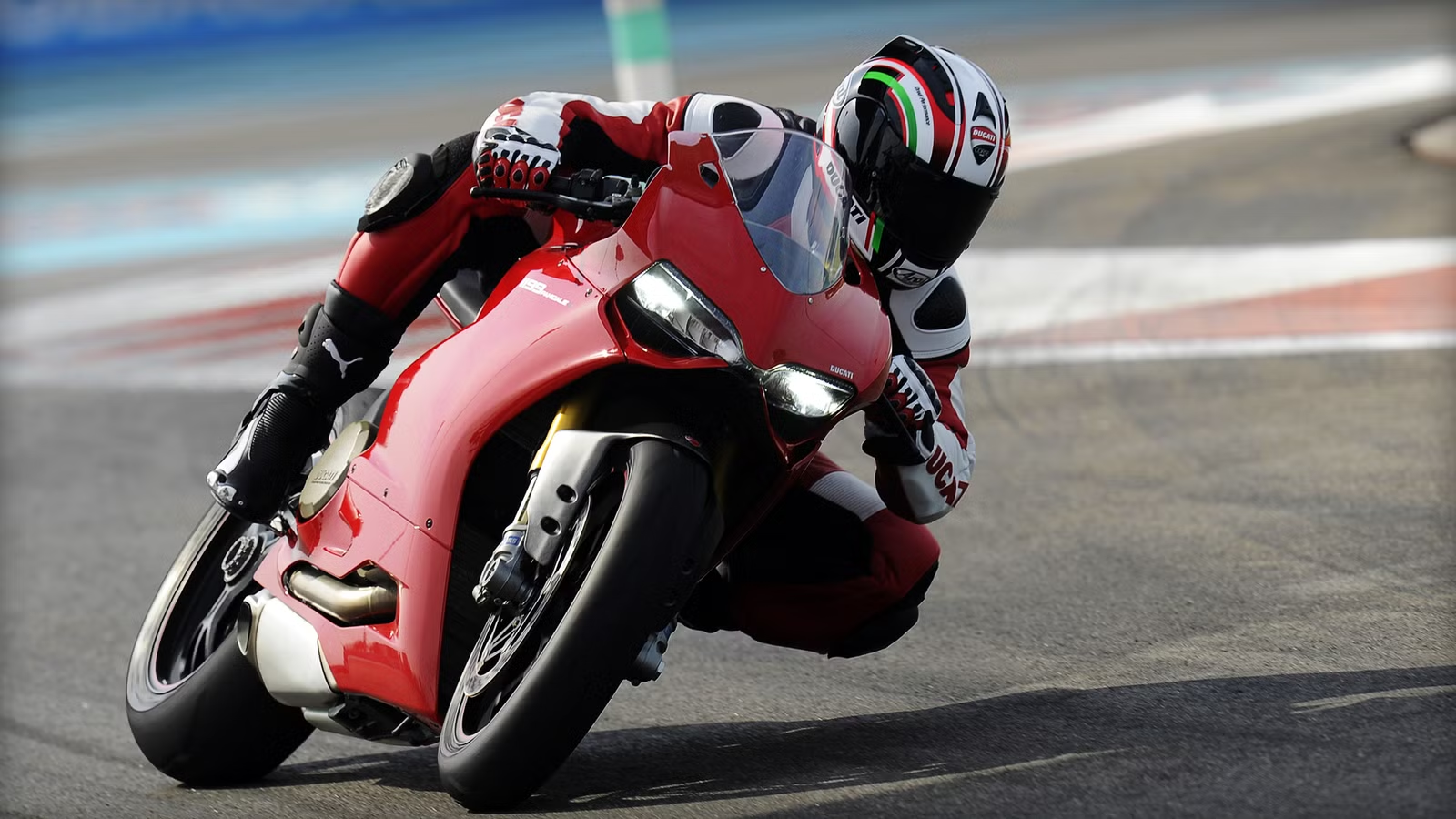
The Ducati 1199 Panigale represented a major departure from the company’s established superbike formula. Although Ducati had announced the name ahead of the show, the motorcycle made its public debut at EICMA 2011. It combined an aggressive design with a new 1,198cc Superquadro V-twin and a radically different chassis layout.
With a claimed 195 horsepower and a dry weight of under 370 lbs, the Panigale pushed the boundaries of production V-twin performance. Its aluminum monocoque structure integrated the steering head and airbox, while the engine served as a stressed member of the chassis. These changes made the motorcycle a technical milestone as well as a visual one.
KTM 390 Duke
Debut: EICMA 2012
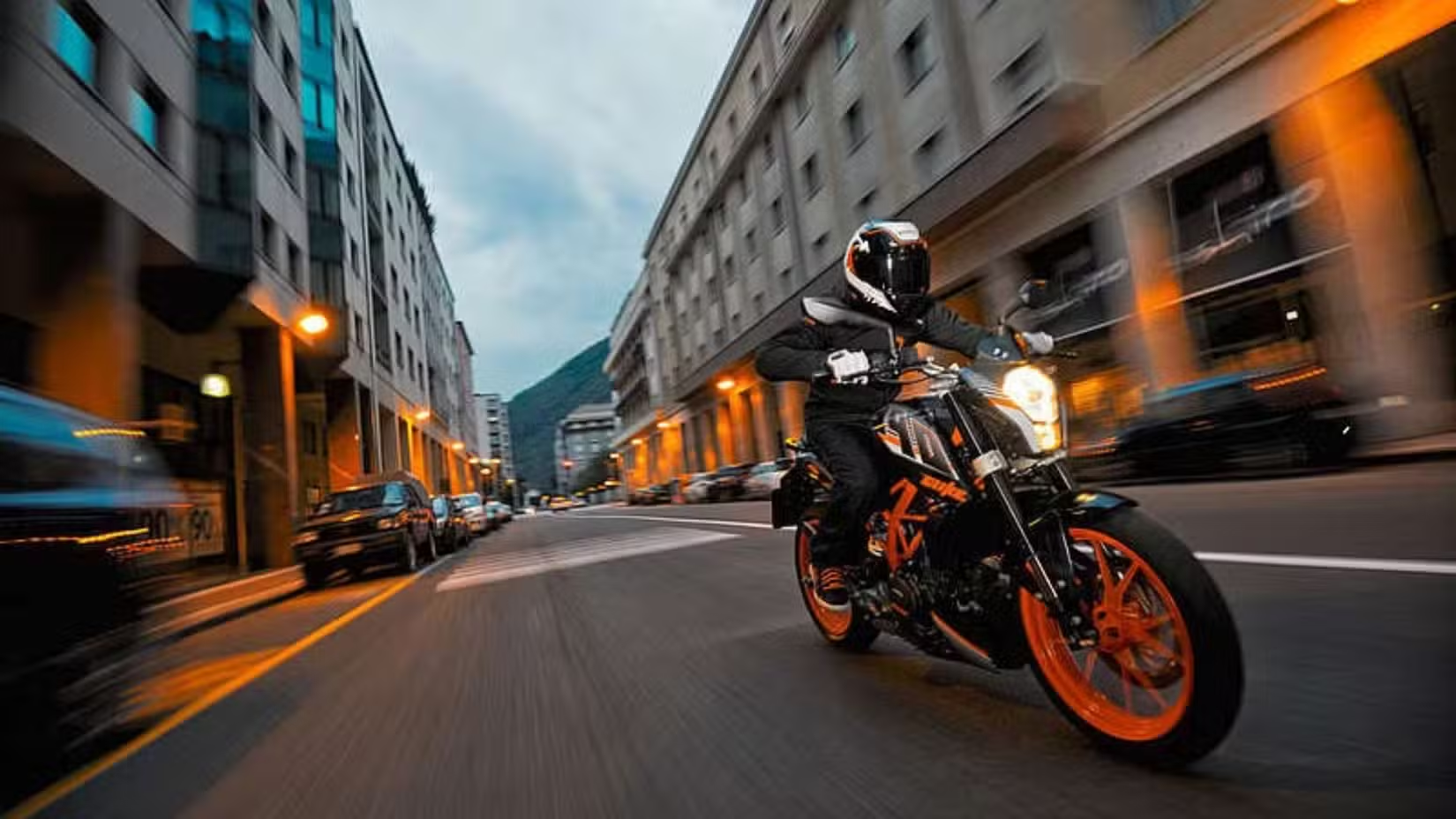
The KTM 390 Duke proved that a motorcycle didn’t need a large engine to deliver a big personality. Unveiled at EICMA in 2012, the original model combined aggressive streetfighter styling with a 373.2cc single-cylinder engine producing a claimed 44 horsepower. Its orange trellis frame, sharp bodywork and upright riding position made it instantly recognizable.
Lightweight construction and responsive performance made it entertaining on urban roads and winding backroads alike. The Duke also offered relatively accessible ownership compared with larger-capacity performance motorcycles, helping introduce a wider audience to KTM’s distinctive approach to road bikes.
BMW R nineT
Debut: EICMA 2013
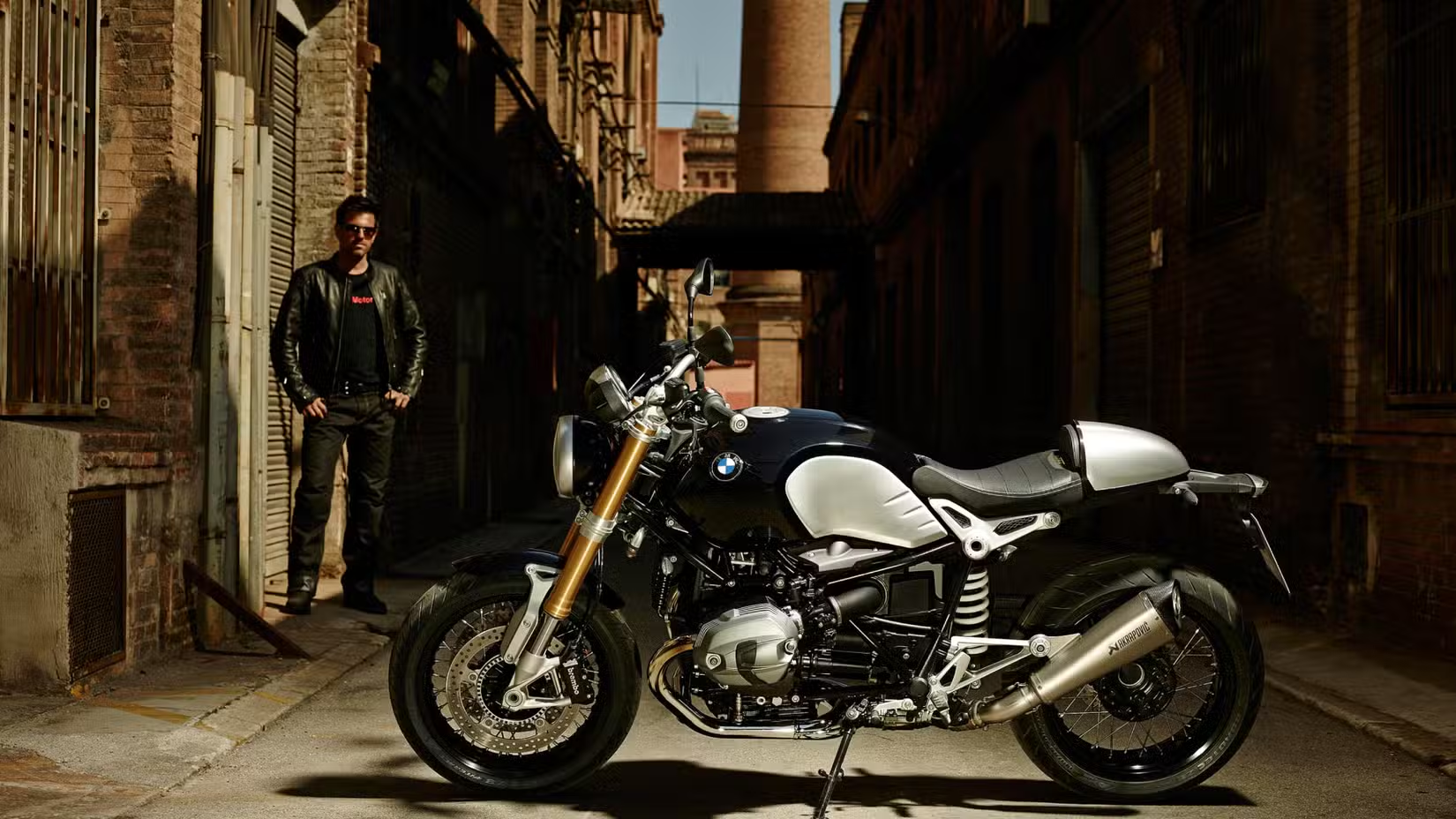
BMW Motorrad unveiled the R nineT at EICMA 2013 to celebrate 90 years of the brand. Instead of recreating a specific historic motorcycle, BMW blended its familiar boxer-engine architecture with minimalist roadster proportions, high-quality finishes and contemporary engineering.
Its air/oil-cooled 1,170cc boxer engine produced 110 horsepower, while a modular frame with a removable rear subframe encouraged customization. Wire-spoke wheels, exposed mechanical components, and understated bodywork gave the motorcycle a sense of authenticity without sacrificing modern performance. The R nineT’s success helped establish BMW’s Heritage family as a lasting part of its identity.
Yamaha XSR900
Debut: EICMA 2015
Yamaha brought the XSR900 to EICMA in 2015 as a neo-retro alternative to the MT-09. The motorcycle used the same CP3 inline-three engine but wrapped it in a more classic-looking package, with a rounded headlight, sculpted tank, and carefully finished aluminum details. The result was more than a styling exercise.
The XSR900 retained the lively triple-cylinder performance and agile handling that made its sporty sibling popular, while adding modern rider aids such as traction control, ABS and selectable engine-response modes. Yamaha classified it as part of its Sports Heritage range, and the formula has endured through successive generations.
Honda CB1000R Neo Sports Cafe
Debut: EICMA 2017
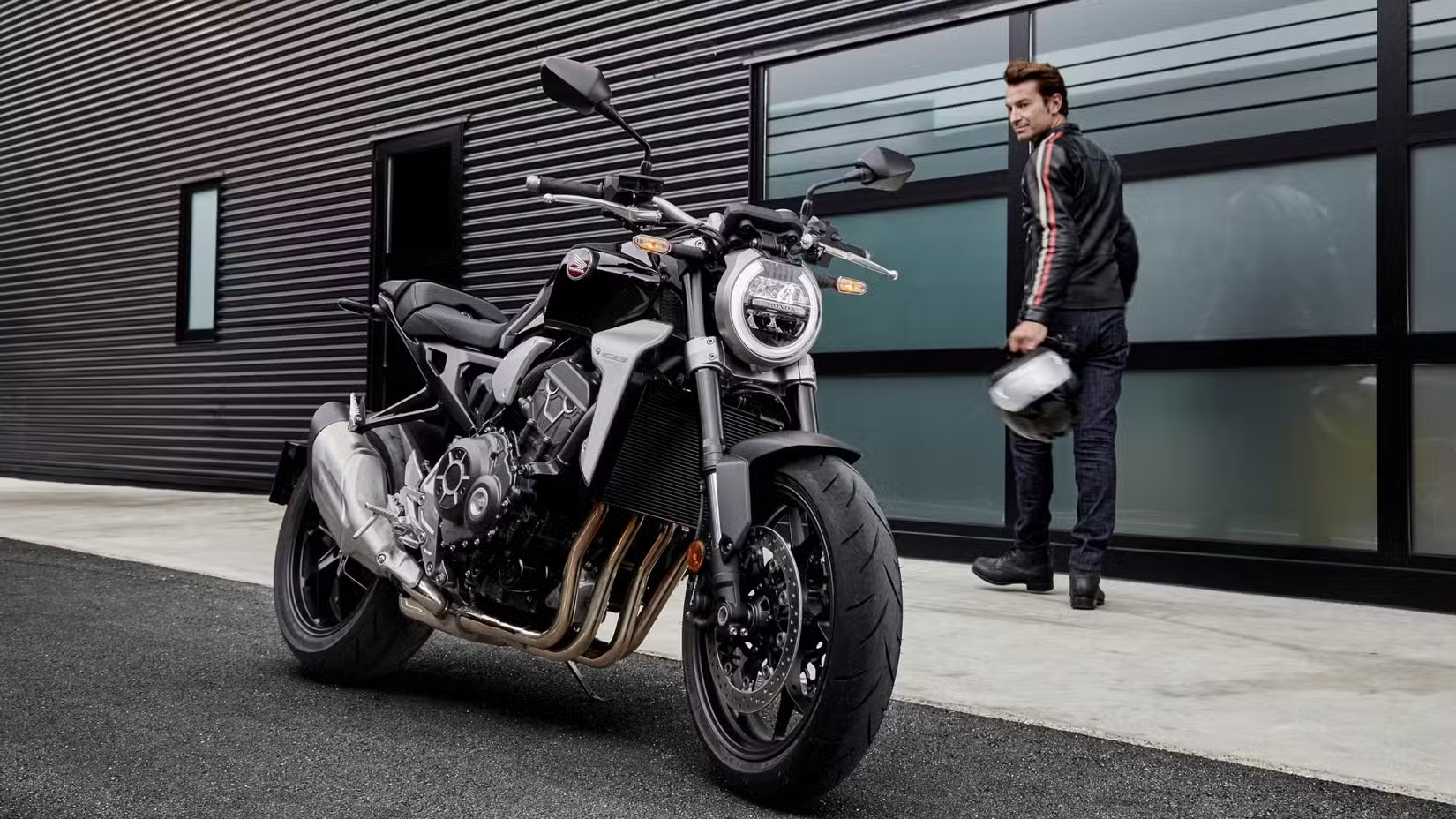
Honda unveiled the redesigned CB1000R Neo Sports Cafe at EICMA in 2017, introducing a striking new direction for its flagship naked bike. The motorcycle adopted minimalist bodywork, a round LED headlight, compact proportions, and a sculpted fuel tank. It was the production interpretation of Honda’s Neo Sports Cafe concept, created to blend cafe racer inspiration with modern engineering.
Power came from a revised 998cc inline-four producing a claimed 145 horsepower. Honda also reduced weight by 26 pounds compared to the previous generation and introduced throttle-by-wire, multiple riding modes, and improved electronic rider aids. The 2018 model reached the American market with a more distinctive identity than its predecessor.
Sources: Respective OEMs