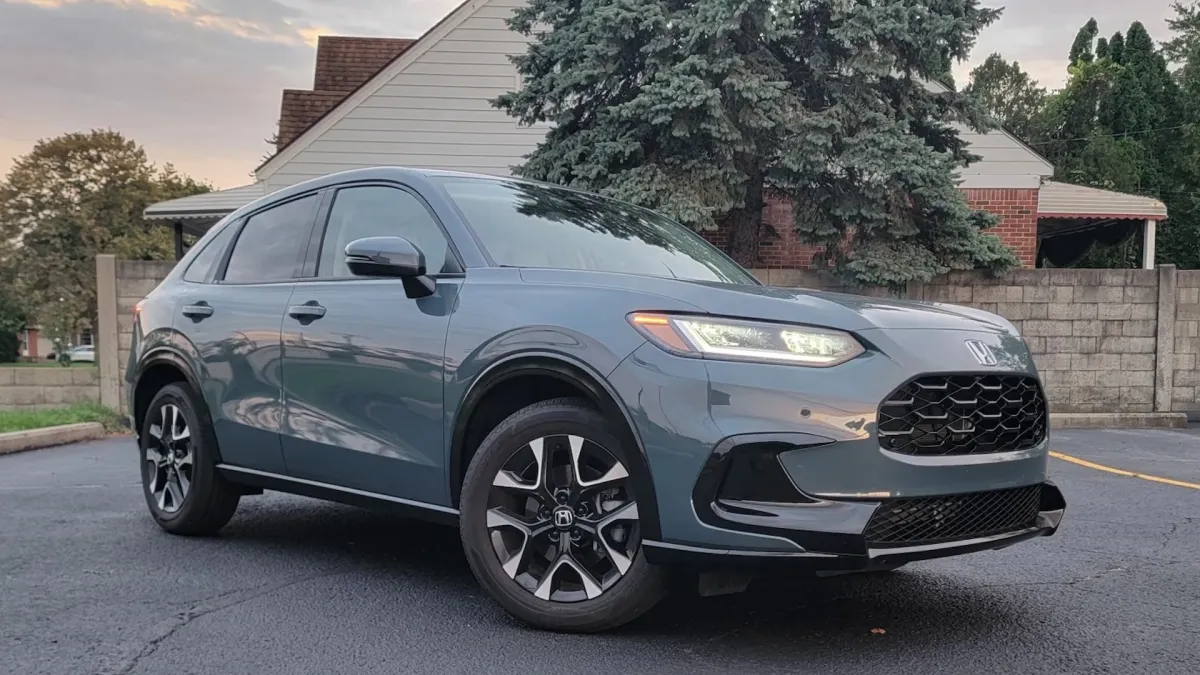
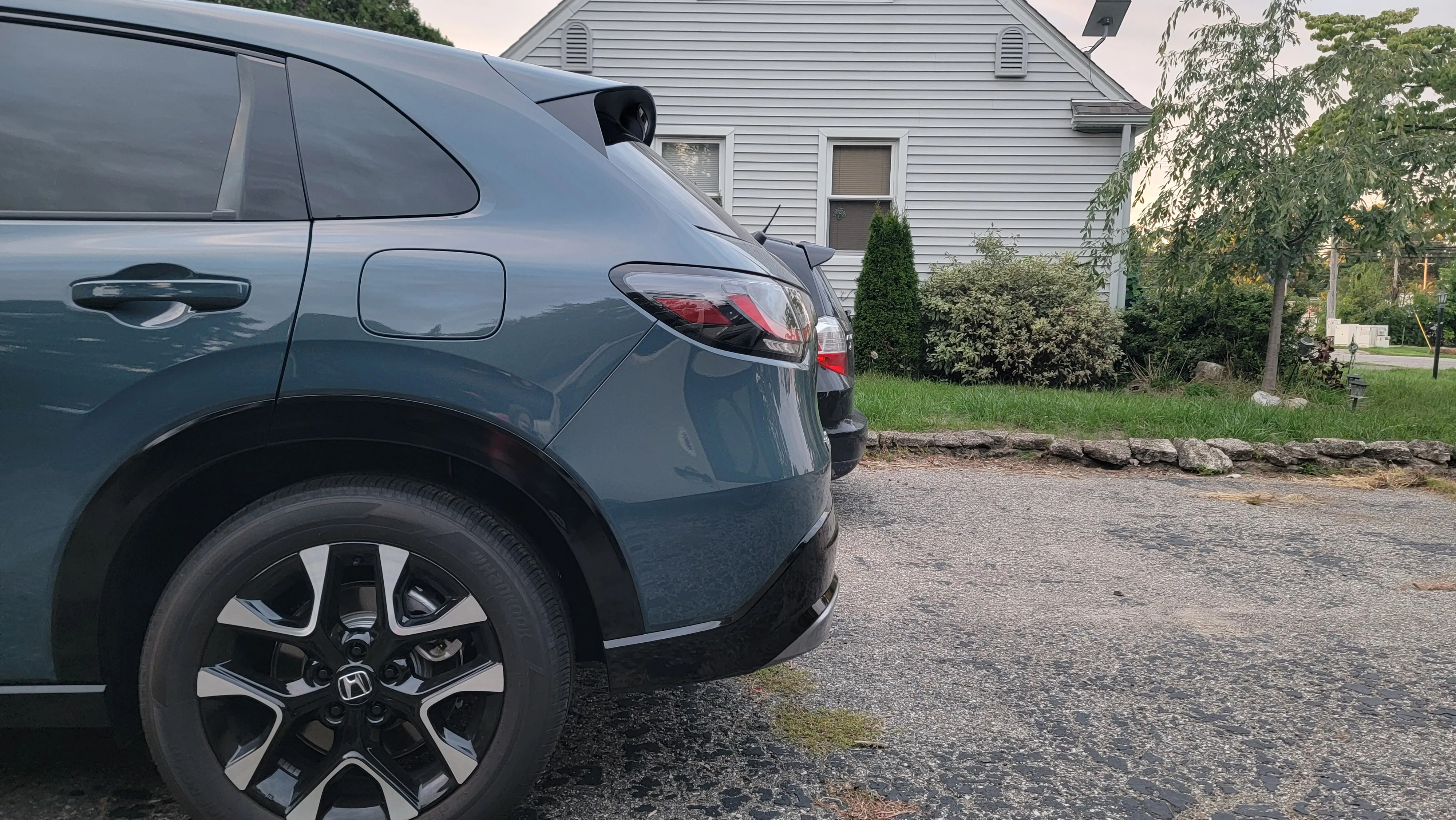
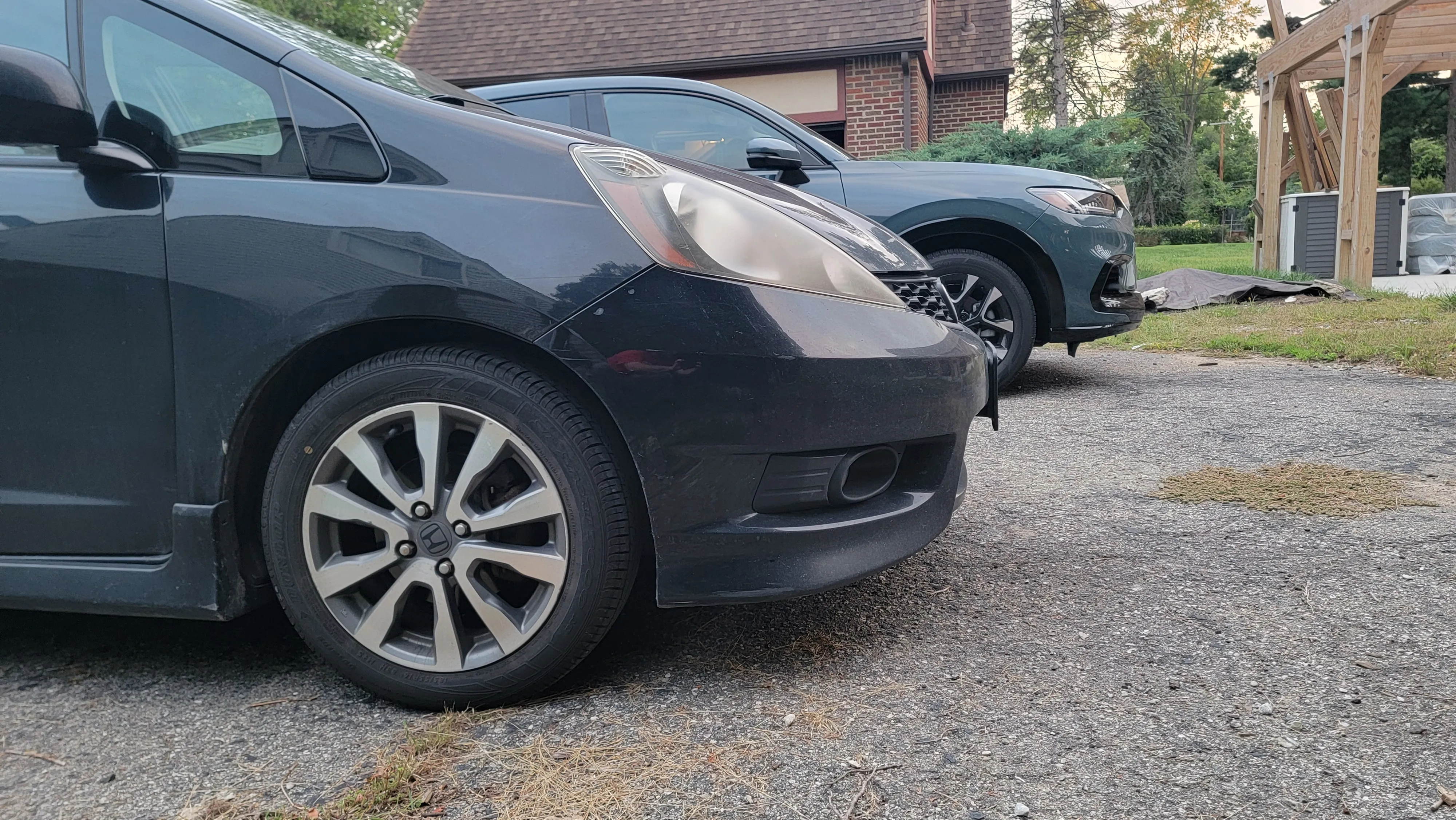
The 2027 Honda HR-V is the sort of car that doesn’t demand much of the driver. So as I cruised down the highway behind the wheel of my tester, I got to thinking about what this car actually is and how it came to be. That journey led me to a sobering realization: At 3,150 pounds (3,275 with all-wheel drive), this is what passes for a “small” Honda in 2026. Dang.
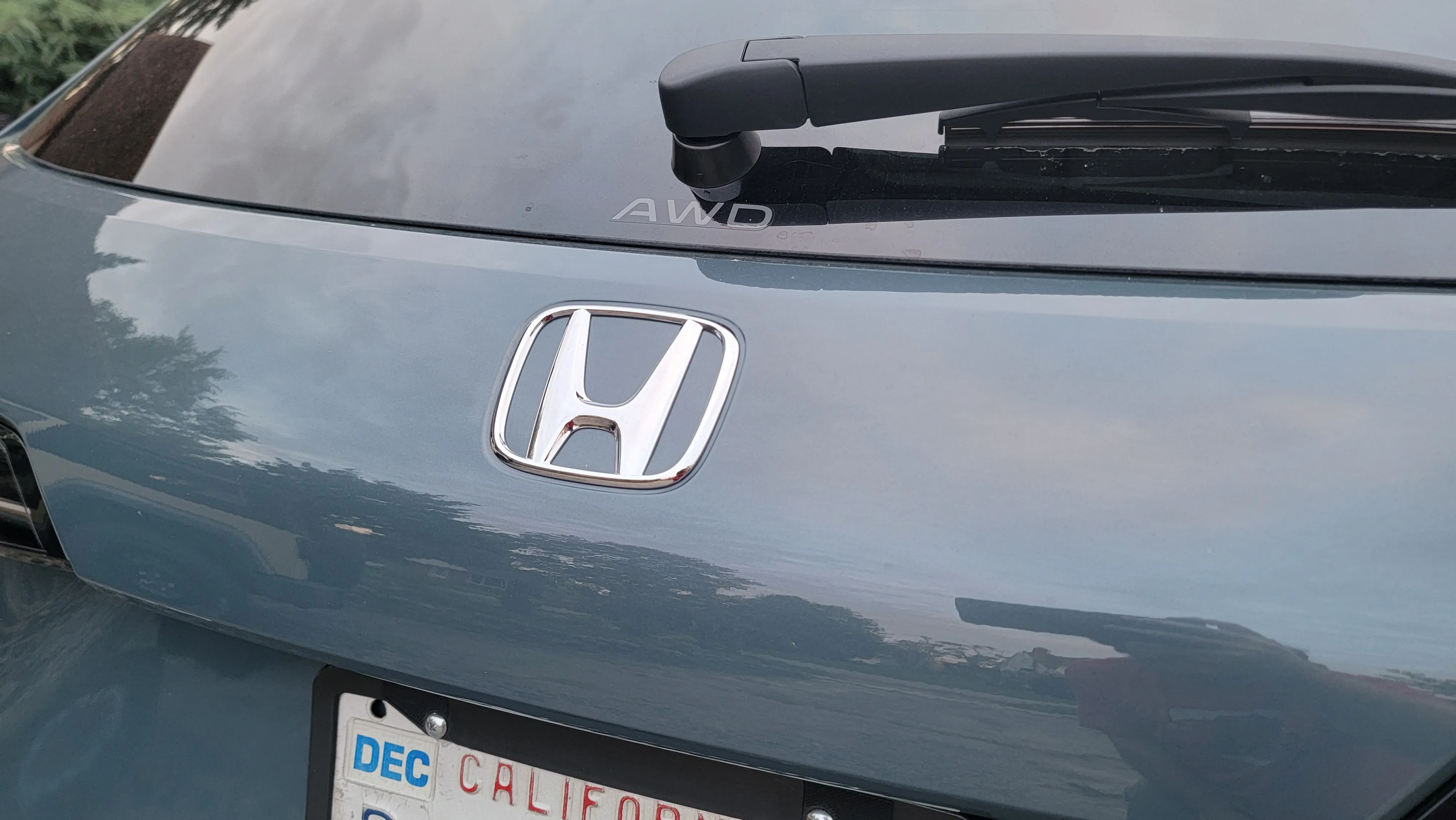
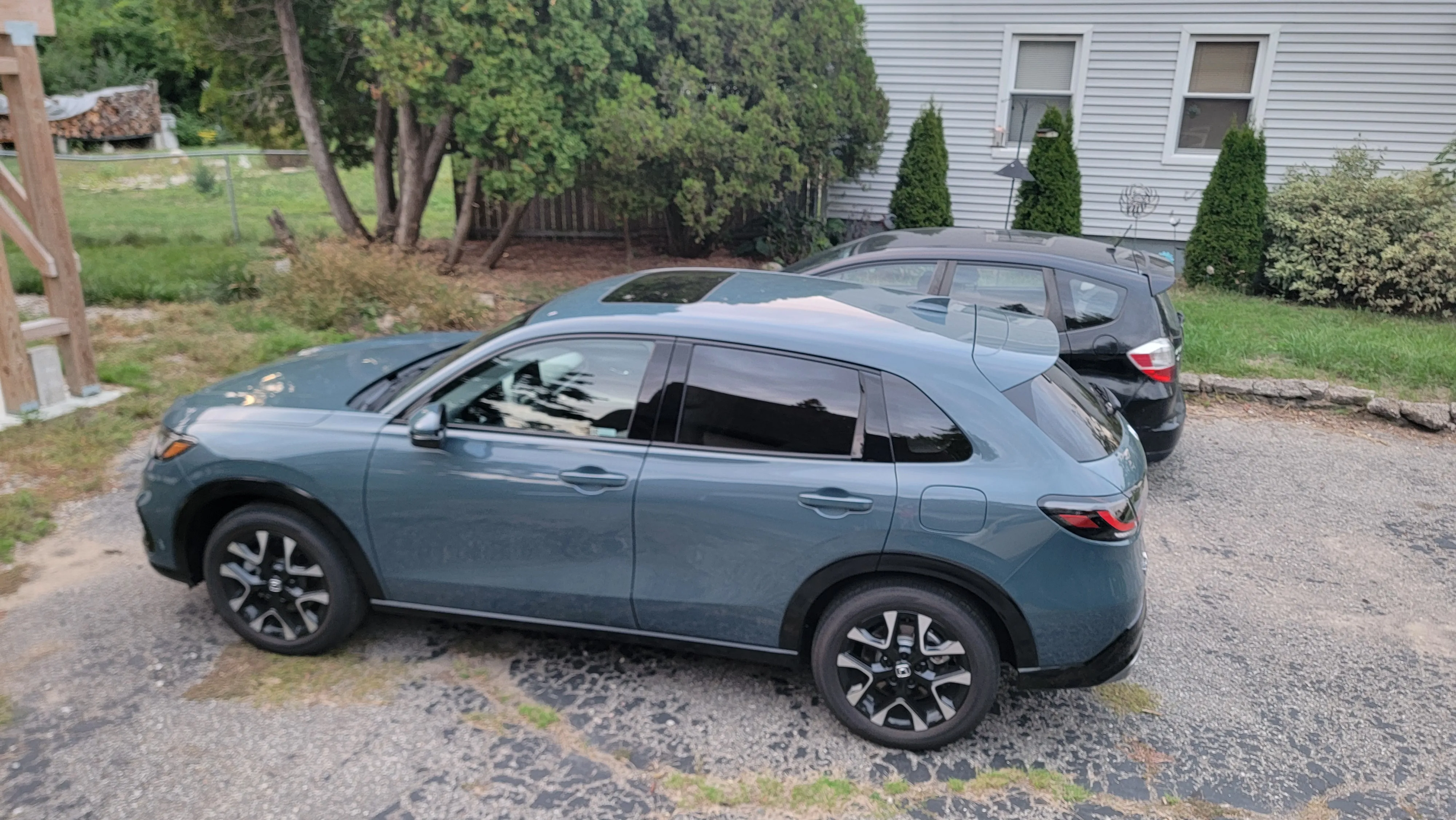
Fundamentally, the HR-V started out as a punched-out Honda Fit, but it absolutely dwarfs the old hatchback. Sure, the Fit grew slightly before being somewhat unceremoniously killed off here in the United States, but it’s hard to believe the HR-V ever shared any DNA with Honda’s subcompact. The HR-V is based on the Civic architecture, and consequently it’s taller, roomier, and even comes with all-wheel drive.
The Basics
If you’re familiar with the outgoing model year, the 2027 HR-V will be old hat—nothing’s changed. This generation hit the market in 2022 as a ’23 model, so it’s due for an update. Perhaps next year?
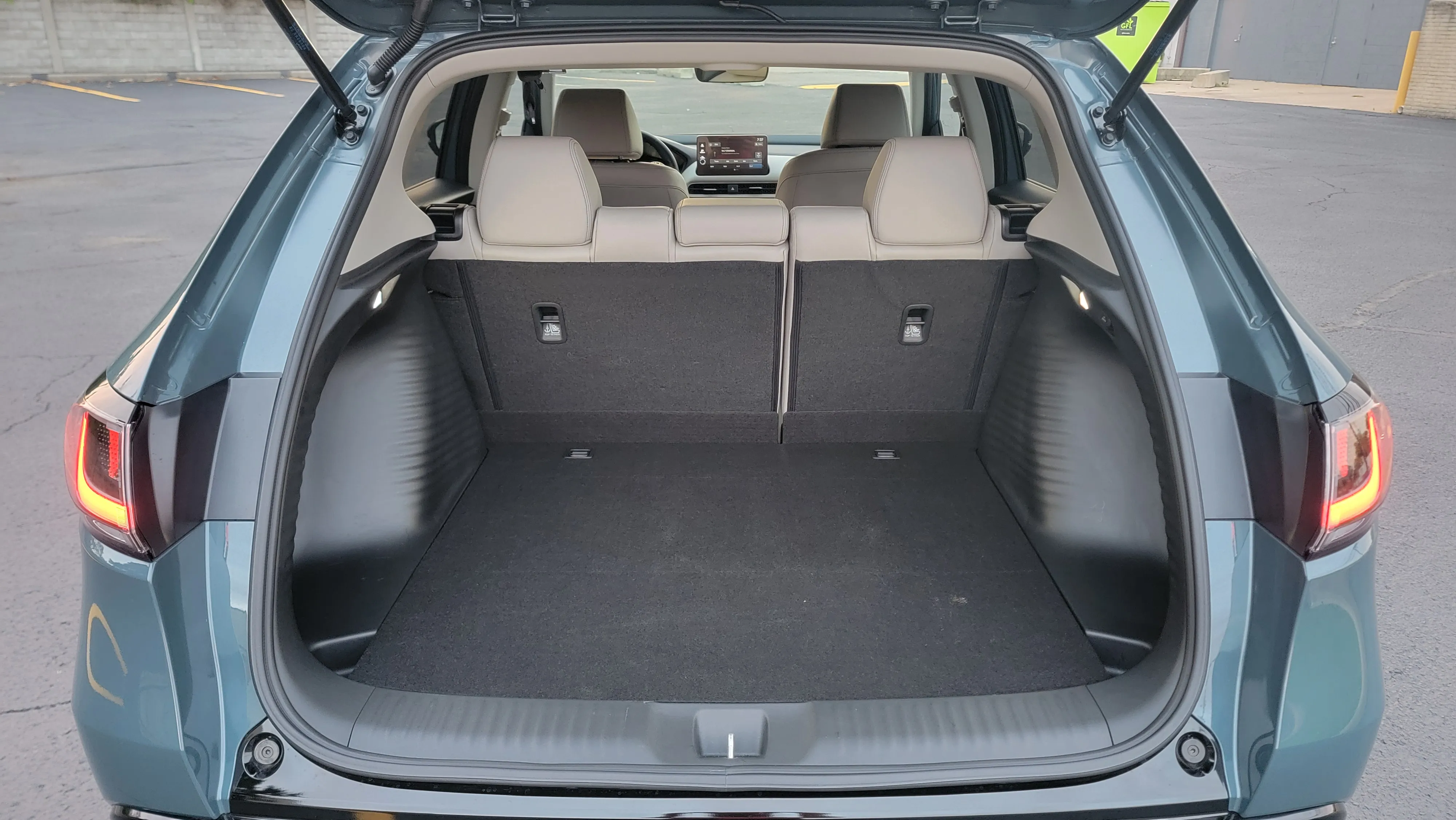
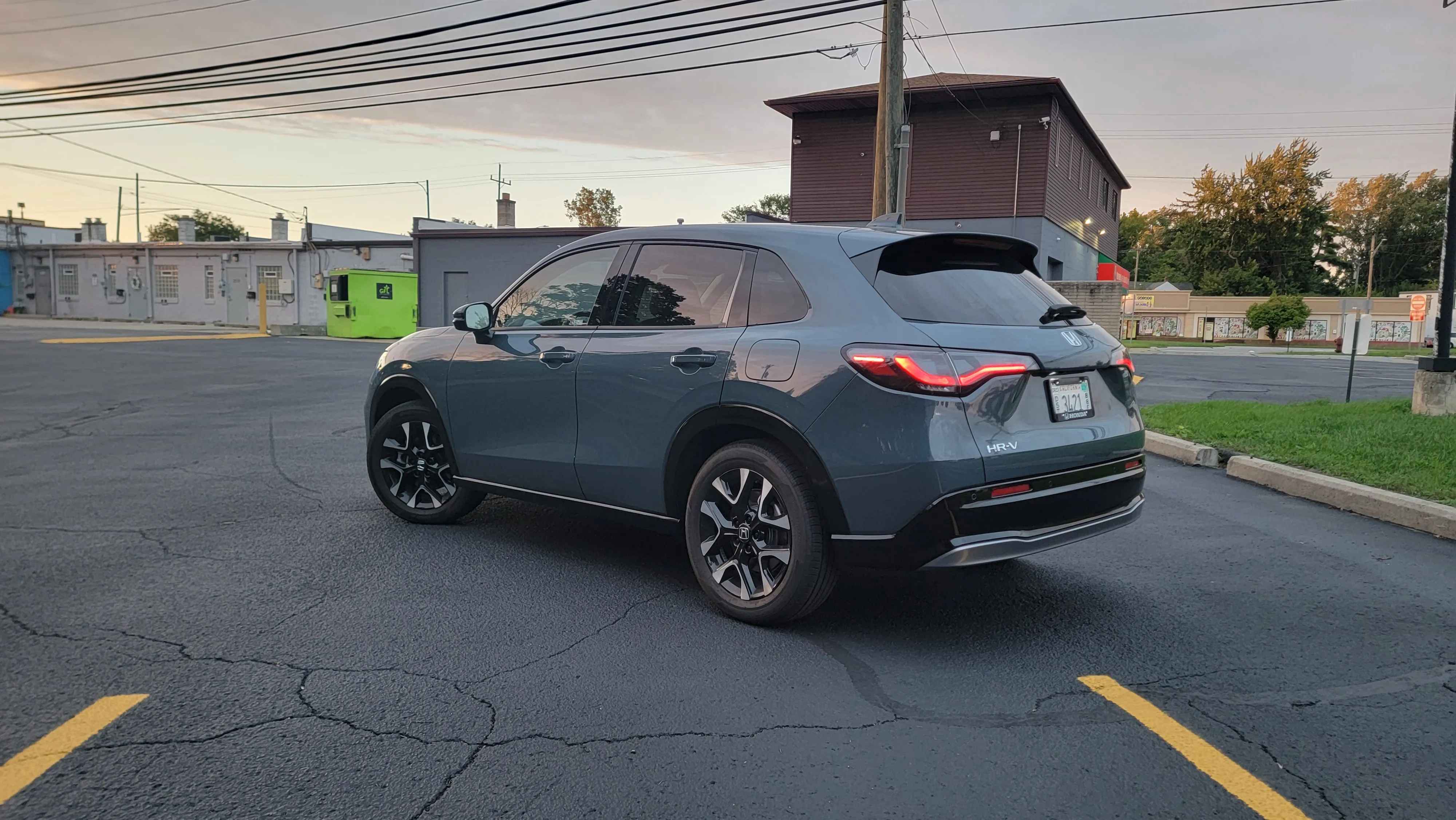
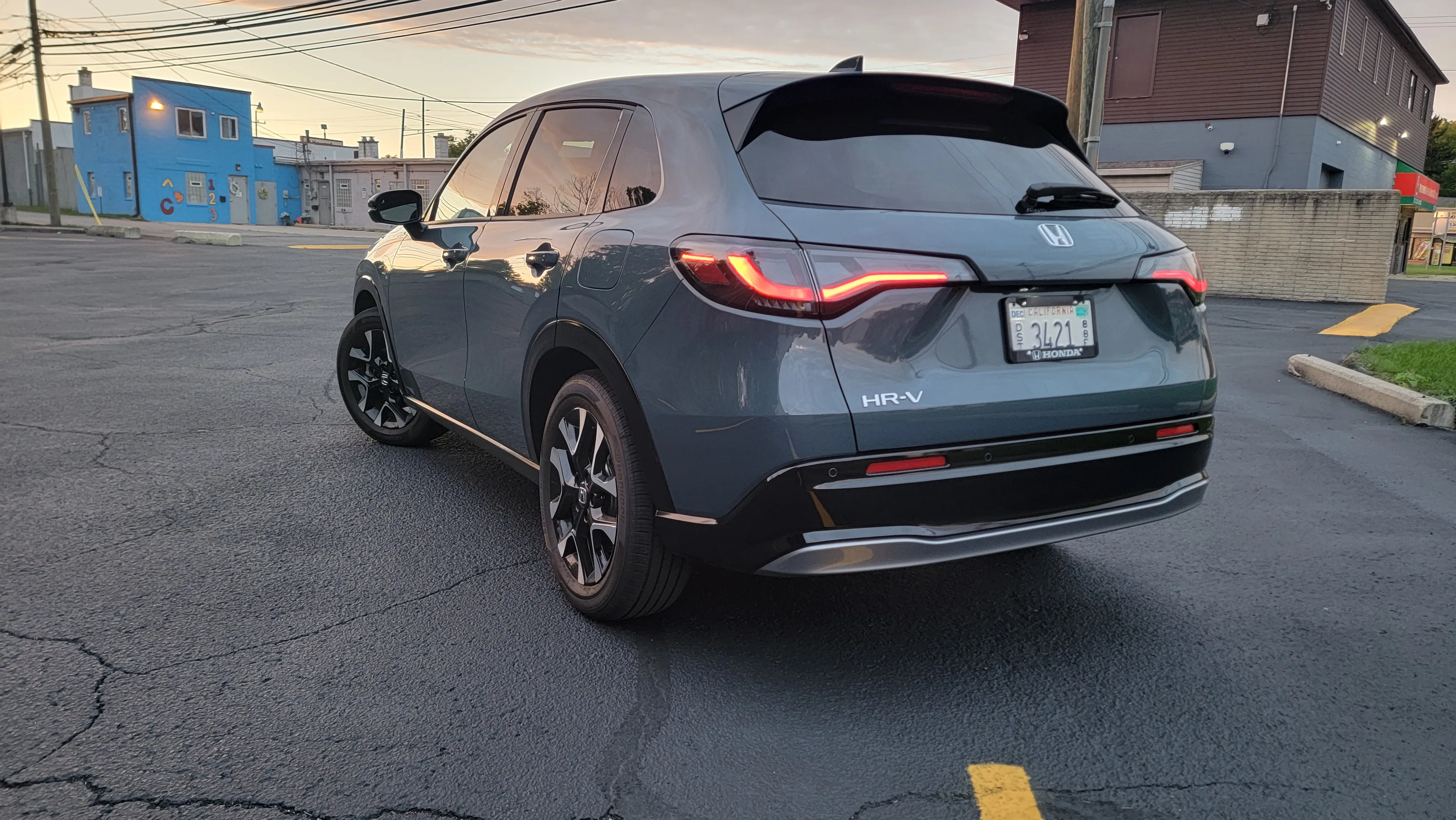
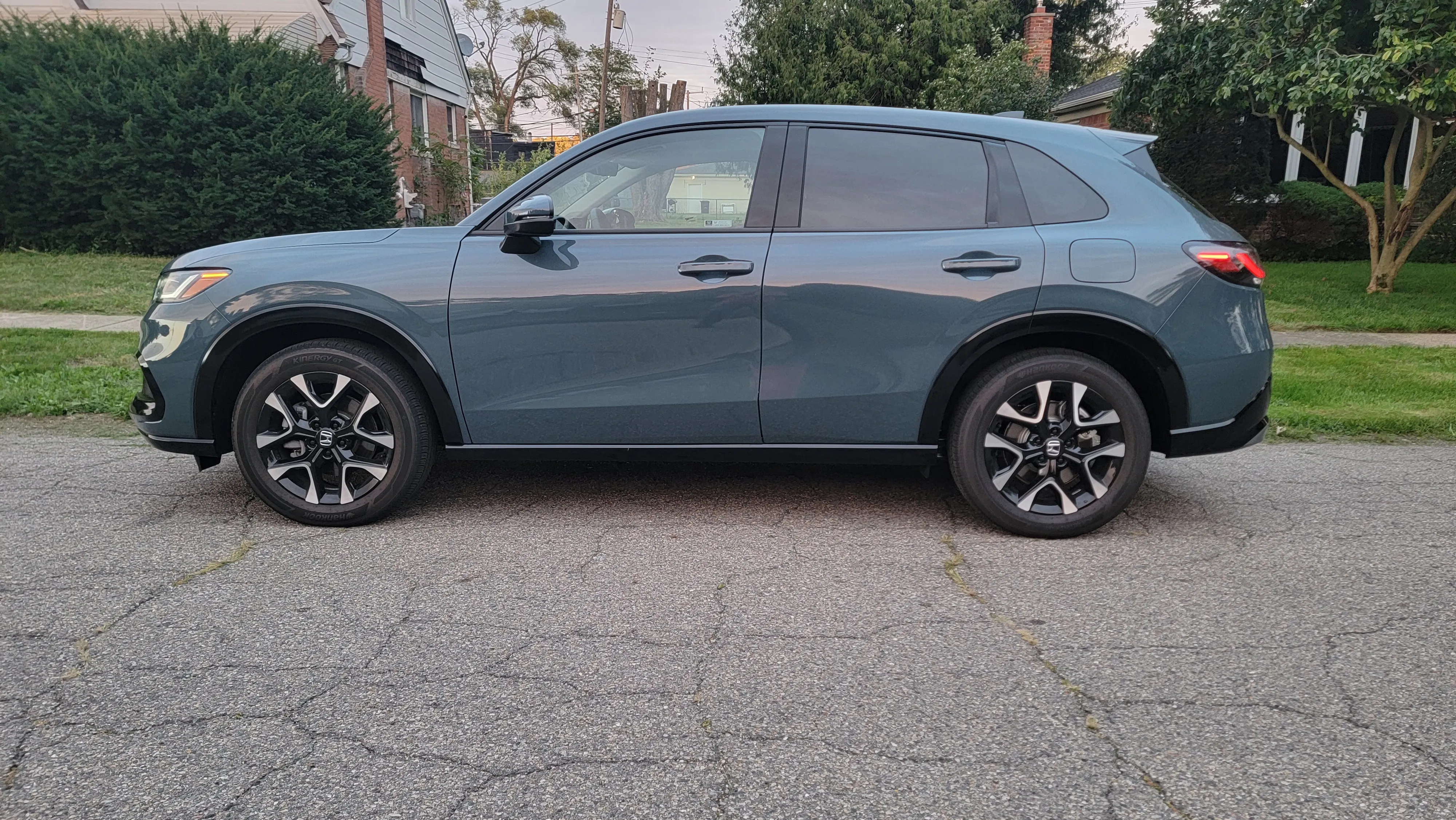
The design may be a bit long in the tooth, especially for something that looked kind of like a half-melted Ford Escape to begin with, but in small-car circles, form typically follows function. The HR-V’s generous size brings plenty of interior room and a decent cargo area. If it ain’t broke, don’t fix it, right?
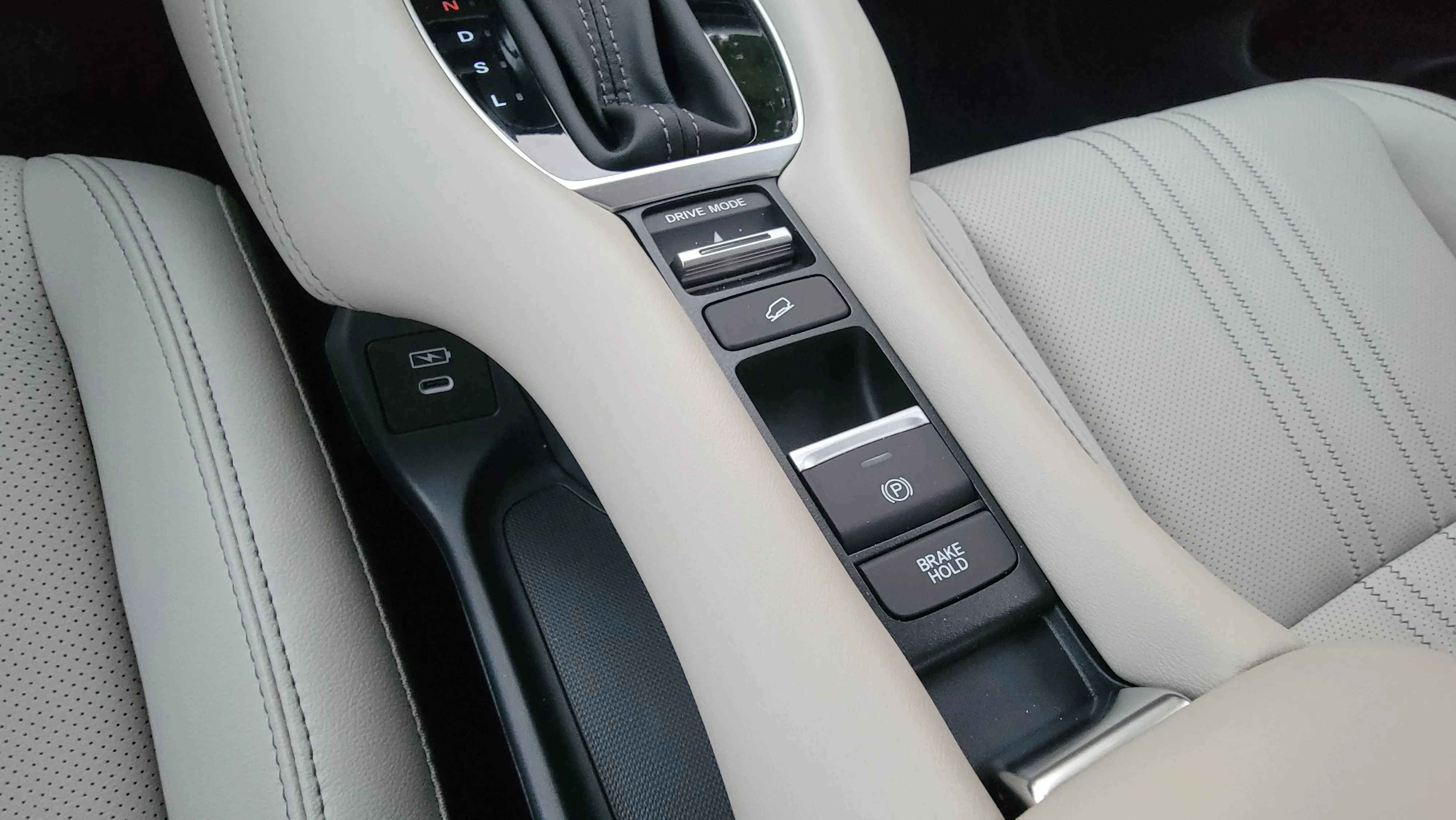
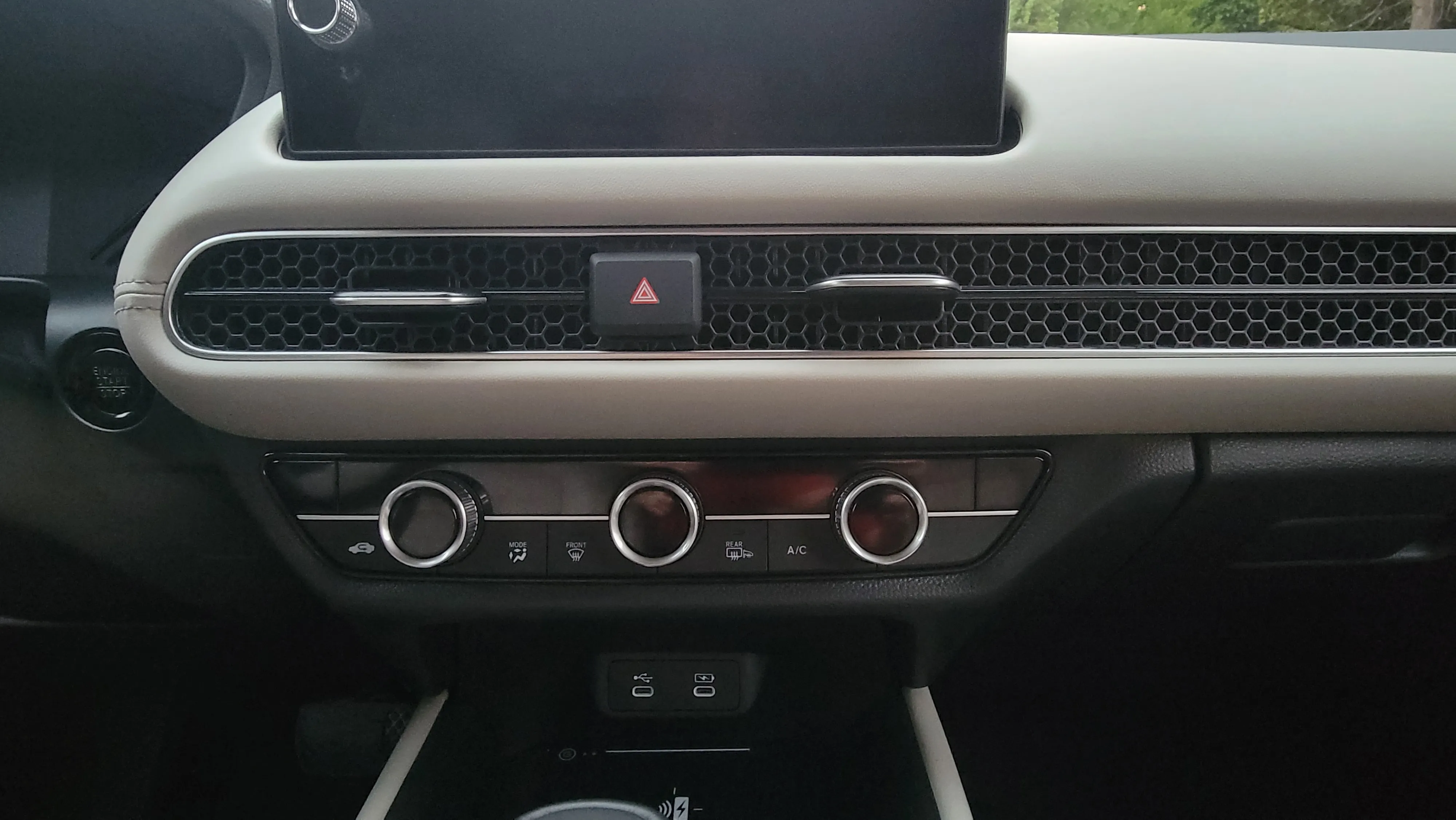
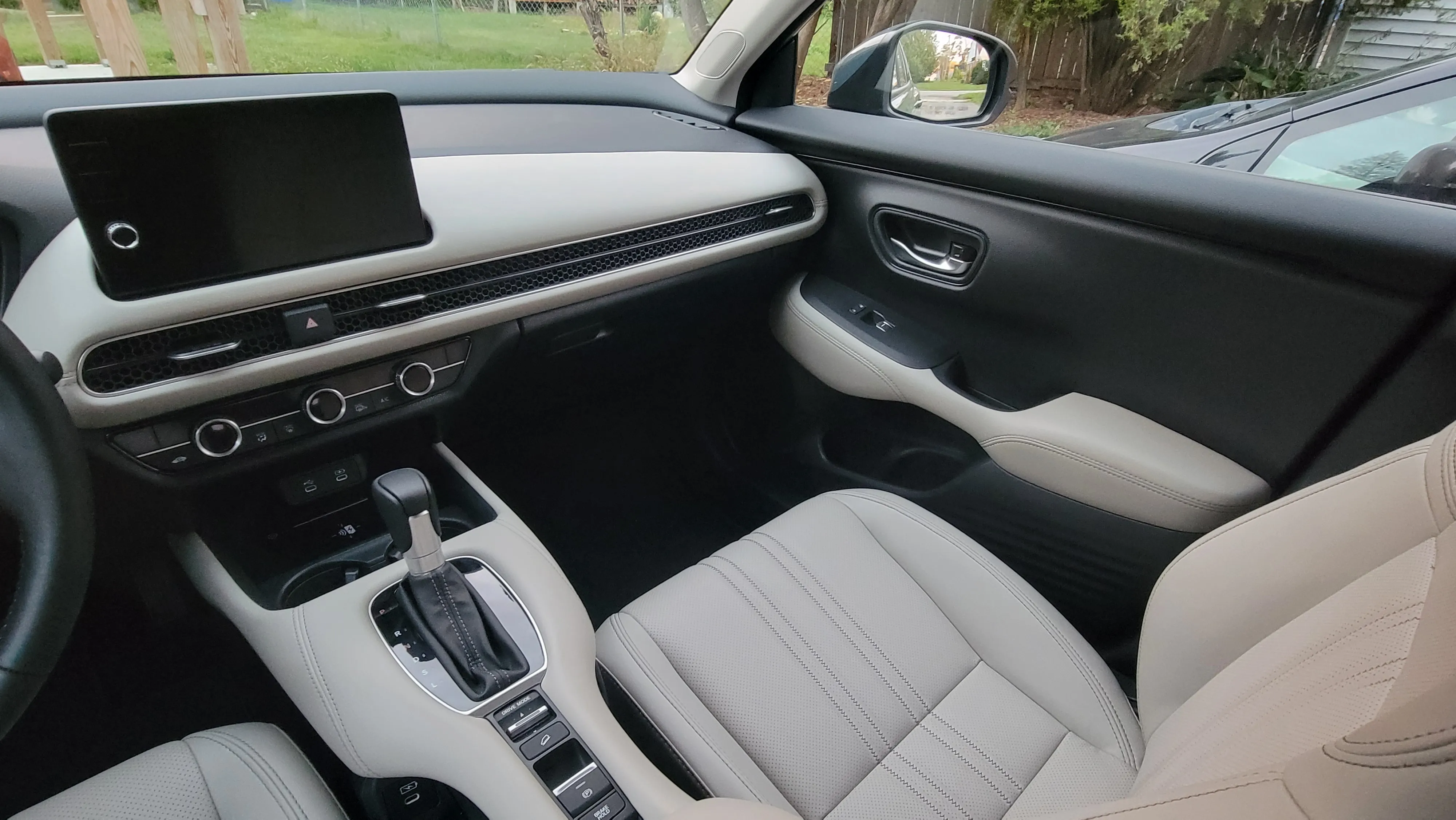
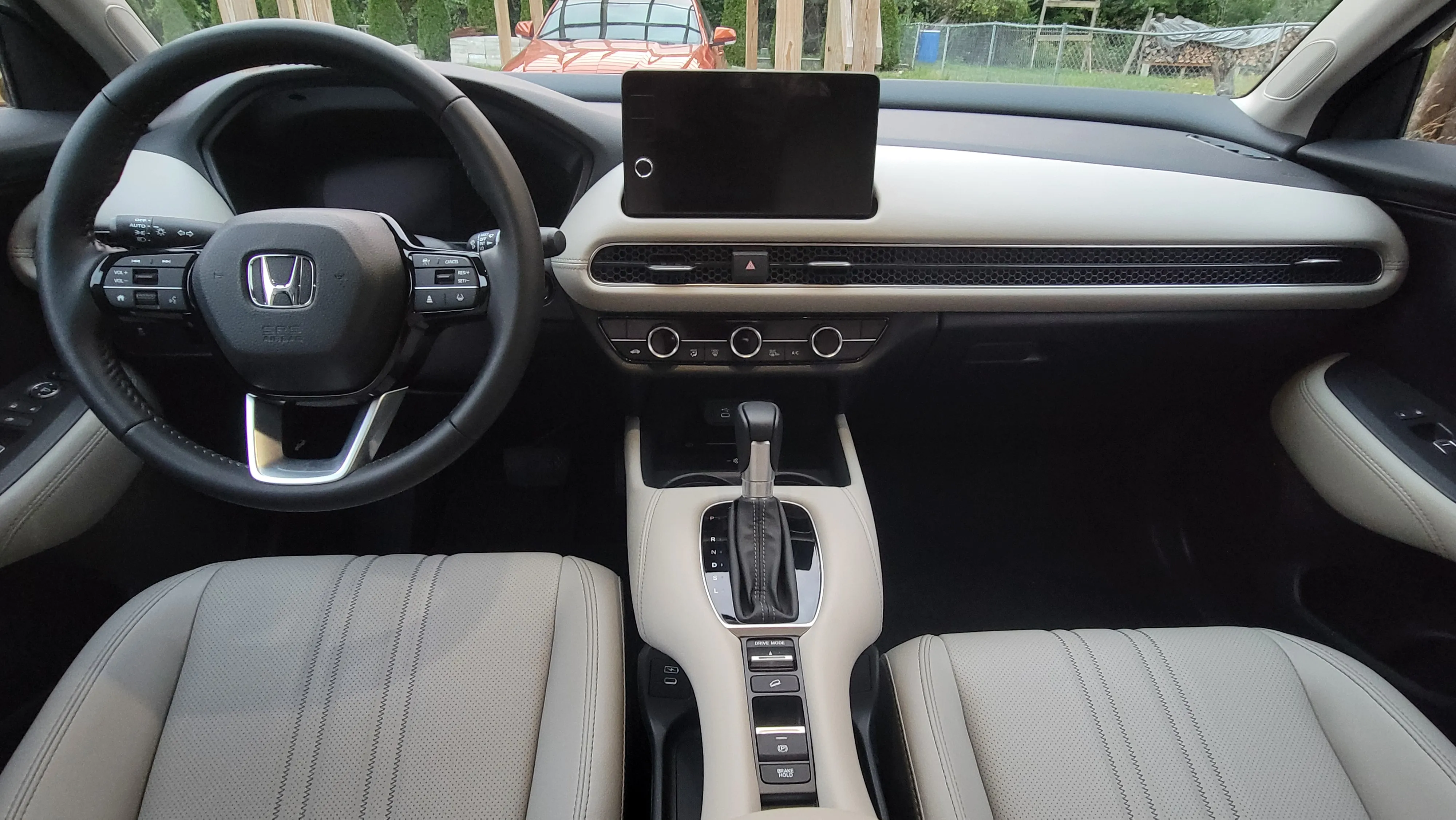
While the HR-V’s interior leans more toward bland than minimalist, the Civic-esque details work well enough, and the basic interfaces are handled by perfectly intuitive knobs and switches. Physical controls for the win.
Driving the 2027 Honda HR-V
Under the hood, there’s a 2.0-liter, 158-horsepower four-cylinder that produces 138 pound-feet of torque at 4,200 RPM. A continuously variable transmission sends power to either the front wheels or all four. When the HR-V first hit the market, you could skip the power-sucking CVT and option the front-wheel-drive model with a manual. In that guise, it almost felt zippy. Almost.
This? Calling this all-wheel-drive EX-L a dog would insult geriatric, three-legged canines everywhere. Few cars make my 3.8-liter Wrangler feel fast, and this is one of them. You could put it in the bed of a Ridgeline, and the truck would still probably hit 60 mph quicker than the HR-V on its own.
Still, I have a soft spot for it. It won’t scratch the enthusiast itch, but it’s both surprisingly quiet (even on the highway, where Hondas once struggled with wind and tire roar) and comfortable. The EX-L’s wheel/tire combination is spot-on for battered urban roads. It’s a bit soft in the corners, I’ll readily admit, but it rides like a dream, and the wheel is still plenty responsive despite the lack of feedback.
Quick Verdict
There’s a lot to like about the 2027 Honda HR-V, but it’s also simply a lot of car. That may look good on paper, but for some (including me), Honda lost something when it translated its subcompact hatchback into a small SUV. Is this what the market wants? Perhaps, but it’s hard to accept knowing what we sacrificed to get it.
Honda provided The Drive with a 7-day loan of this vehicle for the purpose of writing this review.
2027 Honda HR-V EX-L AWD Specs
| Price (EX-L AWD As-Tested) | $28,150 ($33,500) |
| Powertrain | 2.0-liter inline-4 cylinder | continuously variable transmission | all-wheel drive |
| Horsepower | 158 |
| Torque | 138 |
| Seating Capacity | 5 |
| Curb Weight | 3,159-3,276 pounds |
| Cargo Volume | 24.4 cubic feet (rear set up); 55.1 cubic feet (rear seat down) |
| EPA Fuel Economy | 25 mpg city | 30 mpg highway | 27 mpg combined |
| Score | 7/10 |

Quick Take
A perfectly good car, just not a very exciting one.
The post 2027 Honda HR-V Review: Practical, Slow, Not as Cool as the Fit It Replaced appeared first on The Drive.