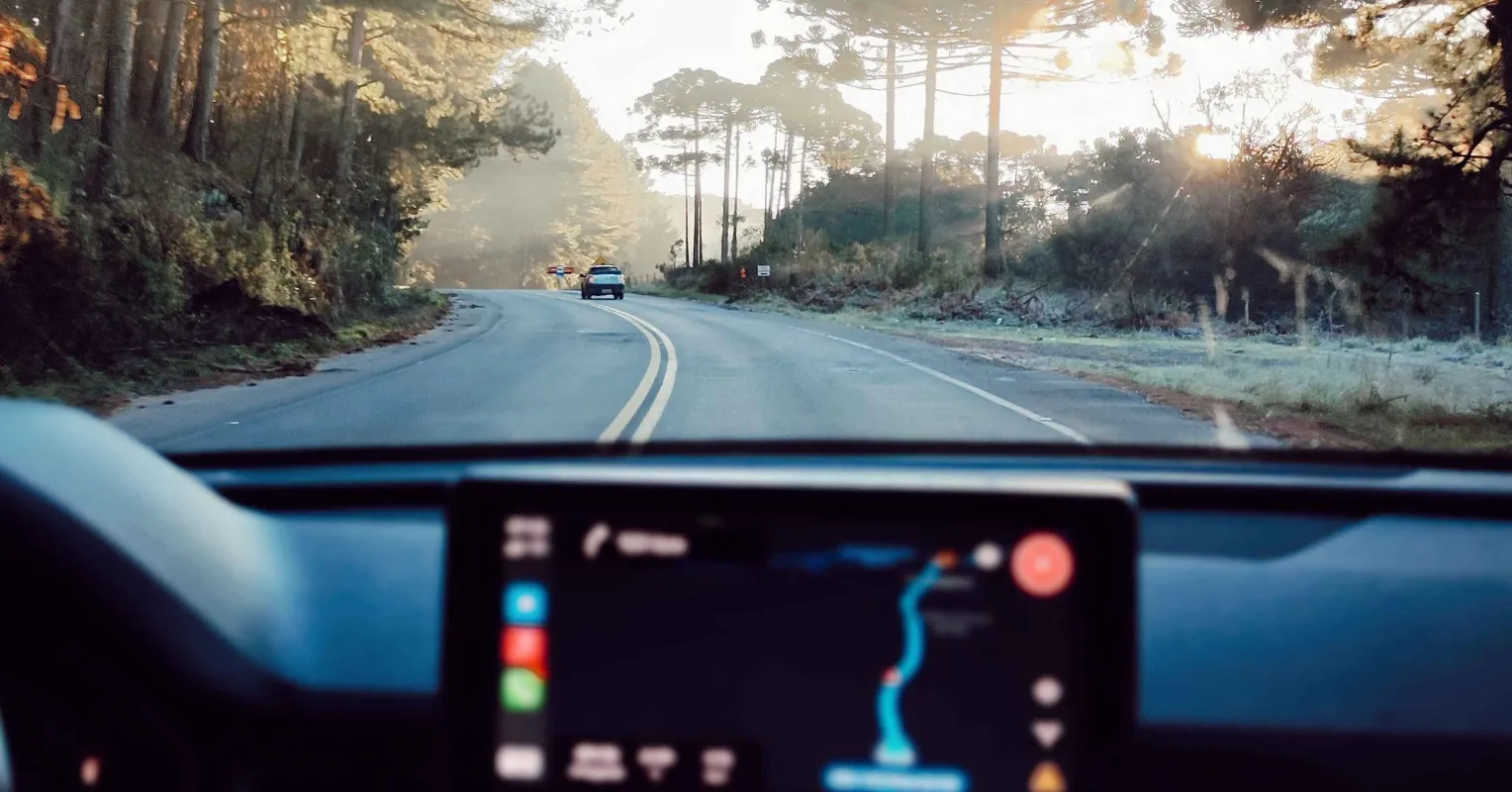
Readers familiar with this blog know that I have a thing for patterns that provide insight into why we laugh. One such pattern is the long-standing link between comedy and the act of traveling. There is something about getting into a vehicle—whether a car, bus, plane, train, or boat—and transporting oneself from A to B that seems conducive to feelings of amusement. What might explain this relationship?
As a point of reference, a list produced by the Internet Movie Database under the heading of “Road Trip Travel Comedy movies” provides more than two dozen examples, including “National Lampoon’s Vacation,” “We’re the Millers,” “EuroTrip,” “Herald and Kumar Go to White Castle,” “Orange County,” “Miss Stevens,” “Going the Distance,” and “Away We Go.” One could add as well the classic “Planes, Trains, and Automobiles.” Plenty of other comedies feature memorable travel-related scenes that get the audience laughing. “Tommy Boy” and “Little Miss Sunshine” come to mind.
Vulnerability in Motion
What’s going on? As an advocate of the Mutual Vulnerability Theory of Laughter, I have some thoughts. According to this worldview, the feeling of amusement is intimately tied to the perception of vulnerability. When we observe someone—especially those with whom we have some emotional connection—display a shortcoming, limitation, or frailty, we often communicate a sense of shared vulnerability with our laughter. By communicating that we too have had to overcome some of the same difficulties, we help lift their status (and hopefully their spirits). It provides solace. It helps designate us as potential cooperators. And for others who have displayed some arrogance or stupidity, reminding them they share the same limitations we do serves to lower their status and reestablish greater equality. Both messages tend to facilitate mutually beneficial cooperation in the future.
What we see time and time again in travel films are sympathetic characters displaying dozens of vulnerabilities audiences can easily relate to. These include certain character qualities and just plain bad luck that tend to make reaching their objectives more difficult (i.e., “shortcomings”), but still fall short of making it impossible (what would be interpreted as serious “deficiencies”).
Keep in mind that to determine what is and isn’t a vulnerability, the audience needs to be clear about what goal is being sought. For travel films, a big part of the goal is to reach the intended destination. That’s where the action is, or will be, that determines whether or not the hero or heroine (or with whomever a given audience member most identifies) will find some measure of success. In the travel film genre, we see a dozen or so recurring themes.
Environmental Factors
What impedes people on the way to reaching their destination? Many factors are largely out of the control of the characters involved. These include things like mechanical breakdowns. There are a host of weather issues that make travel difficult or impossible (e.g., snow, rock slides, floods, fallen electrical lines, sinkholes, or rough seas). Many can lead to injuries or illness, or highlight other physical vulnerabilities. Food and water may be unavailable along the route. Roads, railway tracks, airport runways, or other infrastructure may be out of repair. Large animals, vehicles, or other objects may block one’s path.
Human Factors
Then there are the human-related components that will influence the outcome. We’ll find characters within travel comedies who are working against the protagonists. They are the people chasing, sabotaging, or misdirecting those we are rooting for. Or they are competitors in a race. Some are law enforcement personnel trying to put an end to the endeavor, even if for completely legitimate reasons. They could simply be other drivers or boaters who just happen to be in the way, or moving along in some fashion that significantly hinders the main characters.
We also have the protagonists inadvertently spoiling their own objectives. They will argue with one another and counter each other’s efforts. They will be ignorant of the direction to go or how to properly operate their vehicle. They will lack the money needed for essential supplies, including food, water, and fuel. They might have some physical or emotional shortcoming that makes reaching their destination problematic. They will travel too fast or too recklessly than what is safe for the conditions. Or they may interact with bystanders in such a way as to make them hostile.
The Audience Has Something to Say
These are the sorts of elements you will find in virtually all travel comedies. Each one draws the audience’s attention to vulnerabilities that must be overcome. The laughter directed at the protagonists is typically of the supportive, sympathetic, “lifting” sort as described by the Mutual Vulnerability Theory. Most of us have dealt with the same sorts of issues during our own travels, and we communicate a sense of shared frustration with the main characters. No matter how much danger they may be placed in, we know from past experience the central characters are never seriously hurt or killed. We can thus “distance” ourselves from the rage and cries of desperation that would otherwise engender feelings of distress rather than amusement.
The laughter we express toward antagonists, by comparison, tends to be of the “lowering” kind. We laugh “at” them because, while they may think they are capable of stopping the main characters from reaching the objective, in the end, they fail to do so. Thus, they have the same limitations as we do.
Here’s a short YouTube clip from “Tommy Boy” starring Chris Farley and David Spade. Their car has already been mechanically compromised from hitting a deer (which miraculously survived unscathed), but the car’s hood release did not fare as well. What follows is a series of events that superbly highlight their emotional and physical vulnerabilities. Note how their mood goes from delightfully optimistic to terror in less than a second. Enjoy.
© John Charles Simon