Peptides used for muscle growth, faster recovery, and anti-aging could be easier to get in the United States under a proposal from Health and Human Services Secretary Robert F. Kennedy Jr. The plan would ease restrictions on several peptides that have become popular in the wellness industry.
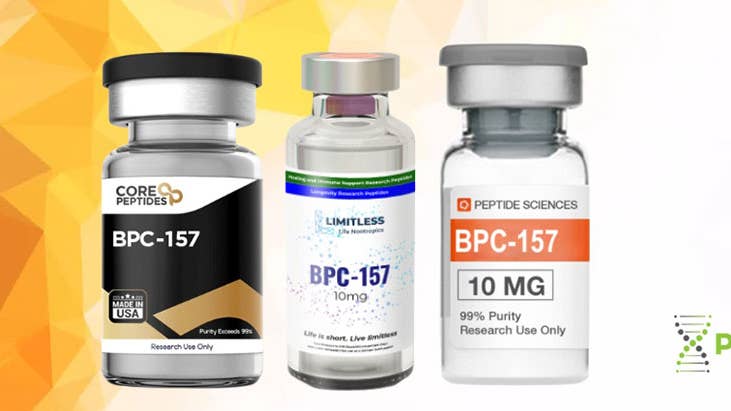
Under the proposal, compounding pharmacies would be allowed to make six peptides that are not approved by the Food and Drug Administration (FDA). BPC-157, TB-500, KPV, MOTS-c, and Semax are among the substances identified in reports.
These compounds have become popular on online wellness communities and social media, where influencers tout them for everything from muscle recovery to improving skin and slowing down the signs of aging. Wellness trend products can also be sold to consumers through online shopping platforms, including TikTok Shop, so it’s important to distinguish promotional claims from established medical evidence.
Peptides are short chains of amino acids with diverse functions in the body. Insulin, for example, is a well-known peptide hormone used in the treatment of diabetes. That’s not to say that any peptide marketed as a wellness product is proven to be safe or effective.
What the Proposed Changes Could Mean for Consumers
The proposed policy could offer a way for compounding pharmacies to make some peptides more accessible. But easier access would not mean the FDA had approved them or confirmed that they provide the benefits advertised online.
Many of the peptides that are trending have not been tested in the large, rigorous human clinical trials necessary to prove their safety and efficacy. The long-term effects are not clear either. Consumers may face increased risks when purchasing products from online sellers whose quality controls, ingredients, and dosing information are difficult to verify.
Social media can make these products appear more proven than the evidence suggests. Influencer testimonials and claims of quick recovery, muscle growth, or anti-aging cannot replace clinical research. The same warning applies to products advertised on TikTok Shop and other e-commerce platforms: being there and being popular doesn’t mean they’re medically safe.
The FDA has in the past halted specific peptides because of safety concerns. An advisory panel voted in July to ease restrictions on six peptides, although FDA staff recommended against the move.
The proposal is still a policy proposal, not a confirmation that the substances are safe or effective. If a consumer is interested in peptide treatments, they should not be getting advice from influencers or searching for products online, but talking to a qualified healthcare professional.