Halloween candy might not be the biggest health concern this weekend. As Americans prepare to indulge in sugary treats, scientists at Johns Hopkins University are warning about another potential threat: the disruption of the body’s internal clock.
Most Americans will gain an extra hour of sleep Sunday, November 1, when daylight saving time ends. But the bigger concern isn’t the hour gained or lost. It’s how shifting clocks can interfere with the body’s natural relationship with sunlight.
In an October 28 Johns Hopkins interview, biostatistics professor Vadim Zipunnikov, PhD, explained why permanent standard time may be healthier than keeping daylight saving time year-round. His warning comes as Congress considers legislation that would eliminate seasonal clock changes.
Related: Dentist Reveals the Halloween Candies That Can Hurt Your Teeth More Than Chocolate
Related: Daylight Saving Time Ends November 1, but Doctors Warn of One Surprising Side Effect
Why Scientists Say Morning Sunlight Matters More

The body’s circadian clock helps regulate sleep, alertness, and other biological processes. Morning sunlight helps synchronize that clock with the outside world.
“Daylight saving time doesn’t give us more sunlight. It simply shifts daylight from our mornings to our evenings,” Zipunnikov explained in an October 27 Johns Hopkins statement.
The distinction matters because permanent daylight saving time would mean darker winter mornings for many Americans.
“Permanent, year-round standard time is the best choice to most closely match our circadian sleep-wake cycle,” sleep specialist M. Adeel Rishi, MD, explained in an American Academy of Sleep Medicine statement.
Related: The Clock Change May Finally End, but Your Body Might Not Like What Comes Next
Stanford Study Finds a Surprising Health Connection
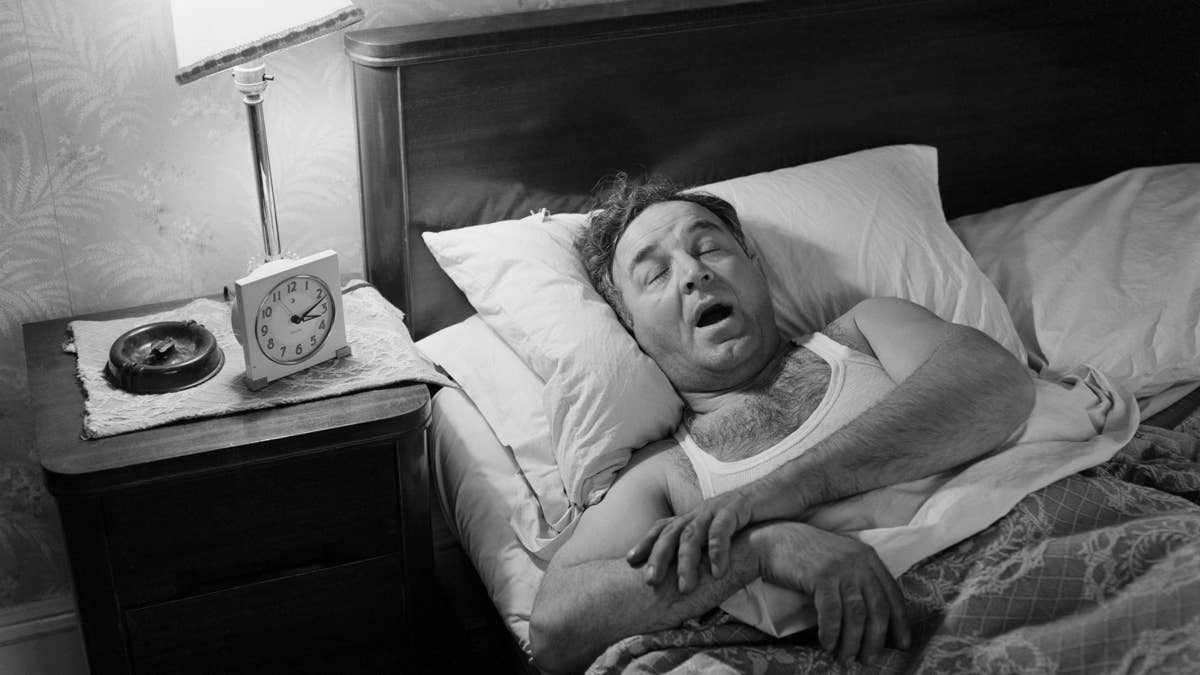
A 2025 peer-reviewed Stanford study published in PNAS modeled how permanent time policies could affect Americans’ health.
Researchers projected that permanent standard time could reduce obesity prevalence by approximately 0.78 percentage points and stroke prevalence by 0.09 percentage points compared with changing clocks twice annually.
Those findings are mathematical projections, not proof that changing clocks directly causes obesity or stroke. The study also predicted smaller benefits from permanent daylight saving time.
For Americans preparing to turn clocks back, the immediate concern is less dramatic.
Zipunnikov told Johns Hopkins that spring’s lost hour is generally harder on the body, although the fall transition can still disrupt sleep schedules.
Related: Sleep Doctors Warn This Common Bedtime Habit Could Come With a Hidden Cost
What to Do Before Sunday’s Clock Change
The simplest defense is maintaining consistent bedtimes and wake times while prioritizing morning daylight.
Zipunnikov summarized his advice in the Johns Hopkins interview: “bright mornings, dim evenings, and a dark bedroom.”
For now, Americans still face two clock changes annually. Sunday’s extra hour offers an opportunity to reset sleep habits, but researchers argue that better alignment with natural daylight could offer more lasting benefits.
Related: How to Fall Asleep Faster and Stay Asleep, According to Sleep Experts
Related: New Winter Storm Could Dump 6+ Inches of Snow Across Western US Ahead of Halloween Weekend