Building this level of brand gravity does not require a century of heritage, but it does demand absolute operational conviction.
While the broader luxury sector spent much of 2026 explaining contracting revenues, Hermès reported first-half revenues climbing to €8.2 billion, or about $9.21 billion USD. underpinned by double-digit growth in leather goods and an operating margin north of 40%. That performance stands in stark contrast to legacy conglomerates whose core fashion divisions declined or worked to recover in the same half. This divergence highlights a profound operational truth: Hermès isn’t outperforming the luxury slowdown despite making its products difficult to purchase, but precisely because of it.
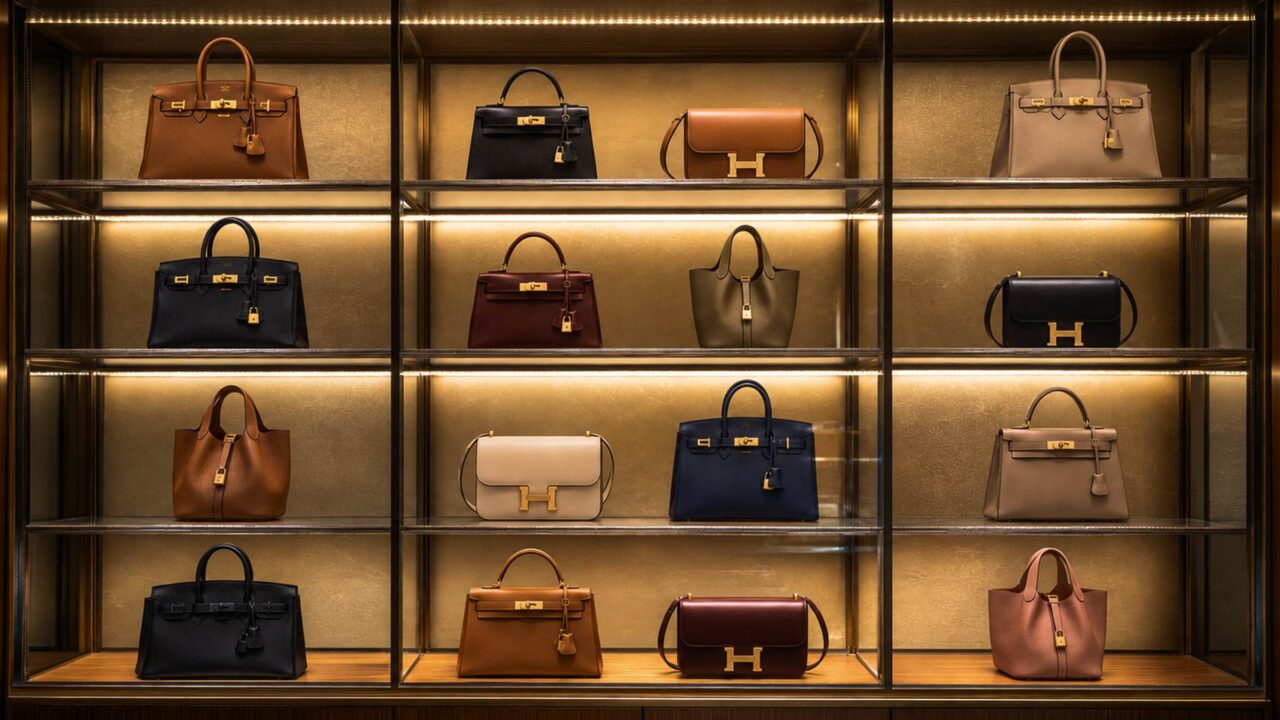
As someone who has a passion for understanding consumer psychology and luxury brand dynamics, I see this allocation model as a masterclass in disciplined restraint. Modern commerce has spent the past decade obsessing over friction reduction—engineering one-click checkouts, instant delivery and zero-barrier digital access. Hermès has taken the completely opposite posture. By requiring purchase history, personal relationships with boutique associates and multiyear patience before offering a signature Birkin or Kelly, the house turned friction itself into an appreciating asset.
The Countercultural Psychology Behind Deliberate Scarcity in Hermès’ Allocation Approach
The fact is, we live in a marketplace conditioned for instant gratification. When software can answer almost any question instantly and logistics networks can deliver goods overnight, the default consumer assumption becomes transactional entitlement: If you have the funds, you should be able to buy the asset.
Hermès directly challenges that premise. When a brand tells an affluent shopper that capital alone does not guarantee access, human psychology flips. Being told “not yet” immediately elevates the perceived value of the product, transforming a simple commercial exchange into an earned milestone.
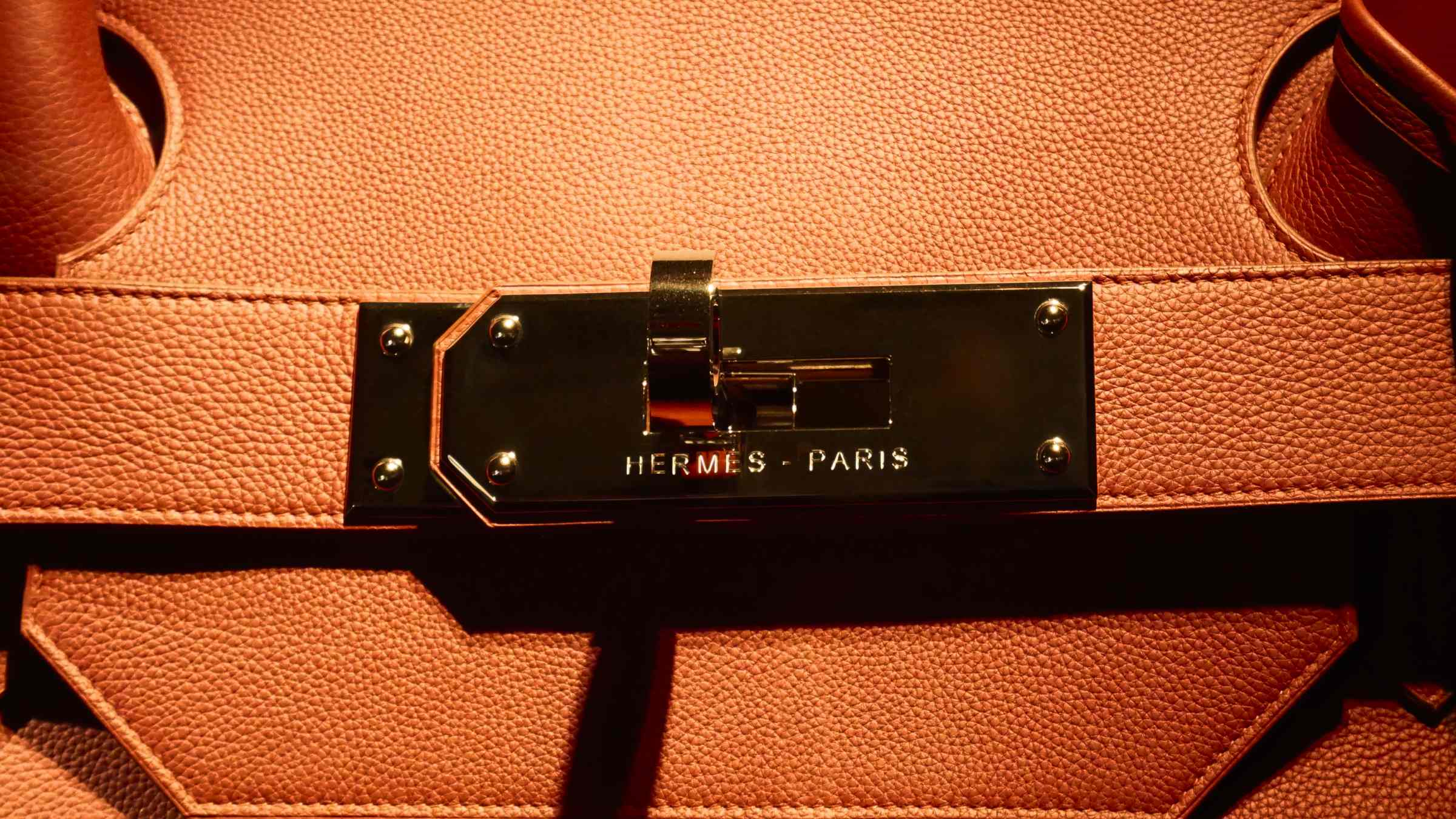
This dynamic was recently validated in black and white when a federal district court dismissed an antitrust lawsuit challenging the Birkin allocation model, ruling that favoring top-spending clients does not violate competition law. Beyond the courtroom, the case exposed a deeper cultural tension. Consumers are accustomed to every digital door swinging open on command. So when a heritage house closes the door and requires relationship equity before granting access, it filters out transient hype and secures the clientele driving durable enterprise value.
Why Multi-Tiered Product Architecture Protects Brand Desire
Many brands attempt to manufacture scarcity, but I’ve found few execute it without alienating their audience. The difference between friction that builds brand equity and friction that breeds resentment comes down to ecosystem design.
In footwear, artificial scarcity often looks like digital sneaker drops and queues where bots and resellers dictate outcomes, leaving consumers feeling exploited rather than selected. Similarly, when a luxury watchmaker demands that clients purchase unwanted references just to qualify for an iconic timepiece, the process feels punitive because the brand lacks adjacent categories to explore.
Hermès avoids that trap by surrounding its hero products with an entire multi-tiered lifestyle world. While a client waits for a signature leather allocation, they can buy silk scarves, fine jewelry or ready-to-wear items. You see similar tiering in high-performance automotive: an enthusiast can acquire a production McLaren, but qualifying for a hypercar like the W1 requires proven commitment to the brand.
By providing authentic craftsmanship at every tier, brands can ensure the journey toward a luxury product—just as Hermès does with a Birkin—has genuine standalone value rather than feeling like a manufactured toll.
Preserving In-Person Retail Relationships Over Digital Velocity
This insistence on friction extends directly to how Hermès approaches the retail boutique experience. As many apparel brands rushed to migrate entirely into digital pipelines, both Hermès and Chanel preserved the exclusivity of in-person transactions for core leather goods. They do not ship quota bags in a cardboard parcel; you must walk into the boutique, interact with a dedicated adviser and experience the physical curation of the house.
From my perspective as a consumer, that deliberate inconvenience is refreshing. Digital storefronts can reduce luxury to flat transactions and algorithmic clicks, whereas an in-person boutique relationship can create an authentic human feedback loop. Store directors can learn firsthand what clients are searching for, which materials evoke connection and how personal taste is evolving.
Long-Horizon Discipline As An Enterprise Moat
Ultimately, the Hermès allocation framework works because the house refuses to sacrifice long-term brand equity for short-term volume spikes.
The global base of active luxury consumers has contracted over the past few years, forcing brands that overrelied on aspirational credit to face margin compression. Hermès avoided that reckoning because it never dilated its production to chase transient demand in the first place.
Building this level of brand gravity does not require a century of heritage, but it does demand absolute operational conviction. To establish authentic desirability today, an enterprise must develop one or two transcendent signature products and protect them with uncompromising discipline, while building a surrounding universe worthy of ongoing engagement.
You have to cultivate genuine desire before you can ever institute a waitlist. When a brand honors that sequence, saying “not yet” stops being an inconvenience and becomes the ultimate hallmark of prestige.