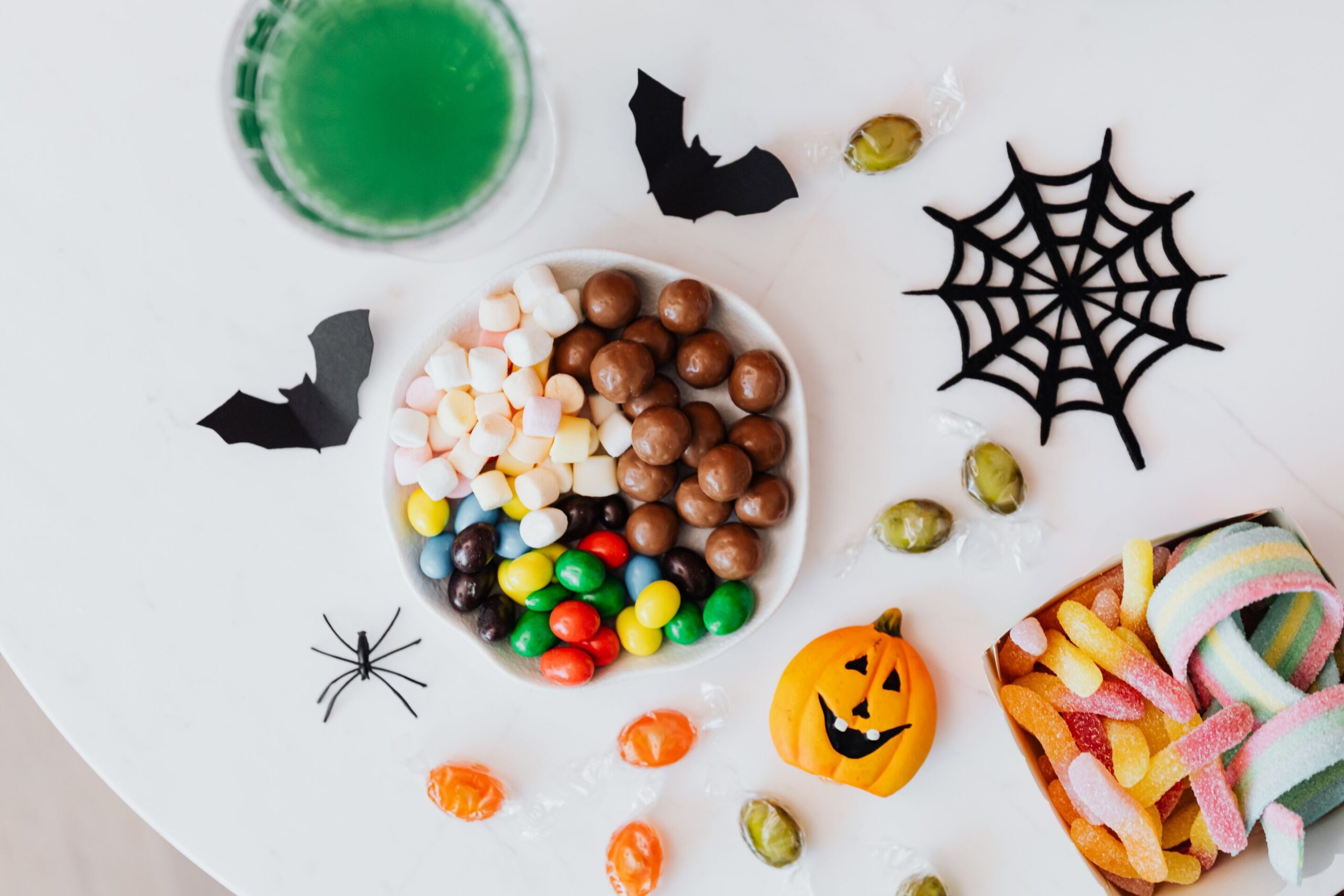
Halloween can be a massive candy fest. Children come home from trick-or-treating ready to dig into a sackful of candy and chocolate bars.
This is enormous fun on paper. But it can also be stressful as parents navigate how much candy is OK amid kids’ excitement.
Here are some ways to make it healthier for kids, without taking away the fun.
What about a night off?
For those already planning a big candy-filled Halloween, rest assured one big night of eating candy is not going to have a lasting impact on a child’s health.
However, regular consumption of candy and sweets is linked to dental decay and erosion and may contribute to childhood obesity. So it is best to limit sweets to special occasions rather than every day.
The Australian Guide to Healthy Eating says children can have one to three servings of discretionary foods per day, depending on their age and gender. The servings can increase for teenage boys.
Discretionary foods are not needed for a healthy diet and include candy, as well as other common foods like soda, fried foods, cookies and pastries.
Reducing the sugar load
For those looking to make Halloween a bit less sugary, here are several things you could try:
- Give kids a smaller bucket or bag to fill up with candy to reduce the overall quantity they bring home from trick-or-treating.
- Help kids portion out the candy they collect to last for the next few days or longer. This can help to reduce the amount eaten on any one occasion and to stretch out the excitement.
- For those giving away treats, go for smaller individual serving sizes or consider nonfood treats, such as bouncy balls.
Think about snacks beyond gummy bears
It is also a good idea to have some healthy snack or meal options ready to go to help balance out the candy and ensure that kids are still eating nourishing food alongside the treats.
Some easy snack options to have on hand include fruit, yogurt, nuts and plain popcorn.
What about meltdowns?
With all that sugar and excitement, Halloween can be overwhelming for kids and parents alike. Sometimes, meltdowns happen.
The rapid increase and decrease in blood sugar levels (the sugar crash) that comes with eating lots of candy can contribute to mood swings, irritability and exhaustion.
To help avoid potential meltdowns, discussing and setting expectations around sweets before going trick-or-treating can help kids know what to expect and reduce resistance later.
For older kids (late elementary school or high school), this might look like having a conversation to negotiate and agree upon what the expectations around sweets will be. For example, “Let’s agree on how much candy you will have tonight or on a time after which candy will be put away until tomorrow.”
For younger kids (preschool or early elementary school), this may look like parents deciding on and then clearly communicating and upholding the expectations around sweets. For example, “When we get home, we’re going to dump out all the candy. You can have a look at all of it. Then you can pick five pieces to eat tonight and we will save the rest for later.”
What about allergies?
If you have a child with food allergies, setting and upholding clear boundaries around sweets during trick-or-treating is extra important.
This might mean not eating any sweets until they can be checked by a parent, or making sure older kids know what to look out for on food labels and what to avoid, and are prepared with a medical kit.
Can we just skip candy altogether?
If the candy fest version of Halloween is not for your family, there are plenty of other ways to celebrate. You might like to try a scary movie night, carve pumpkins, host a costume contest party or put on a backyard Halloween-themed scavenger hunt.
However you plan to celebrate Halloween, having an early conversation about treats and setting clear expectations can help everyone involved enjoy this spooky season.


This article is republished from The Conversation under a Creative Commons license. Read the original article.
Citation:
Halloween is typically a massive candy fest for kids—but it doesn’t have to be (2026, October 30)
retrieved 30 October 2026
from https://medicalxpress.com/news/2026-10-halloween-typically-massive-candy-fest.html
This document is subject to copyright. Apart from any fair dealing for the purpose of private study or research, no
part may be reproduced without the written permission. The content is provided for information purposes only.