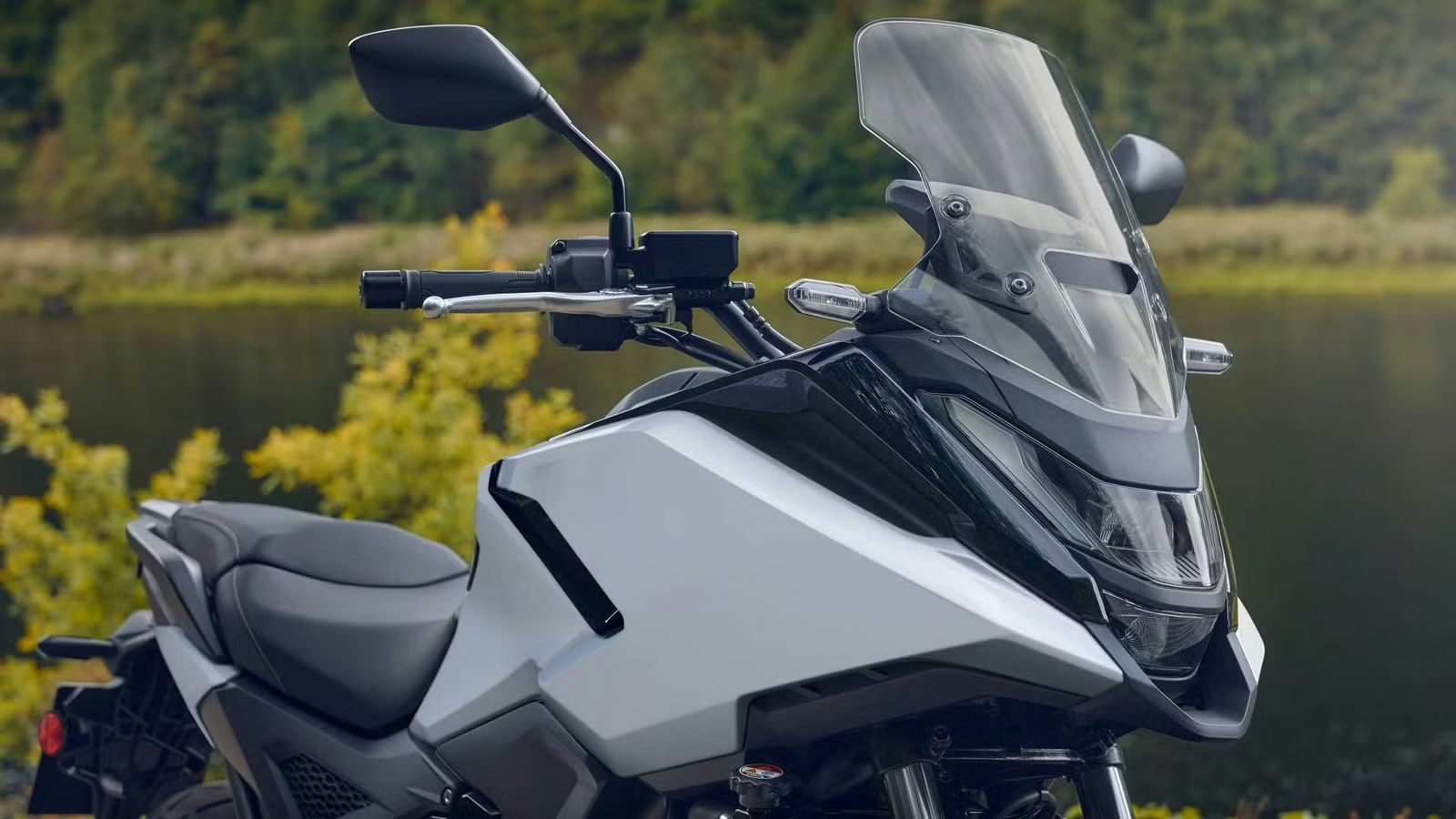
Few motorcycles manage to appeal equally to brand-new riders and seasoned veterans, yet the Honda NC750X has quietly been doing exactly that for years. While the adventure-bike boom gets most of the headlines, Honda’s middleweight tourer has been steadily building a loyal following by prioritizing real-world practicality over outright performance bragging rights. It offers built-in storage, a low center of gravity, a comfortable seat, and — perhaps most distinctively — an available automatic transmission that genuinely changes who can enjoy a long-distance ride. If you’ve been searching for a touring motorcycle that doesn’t demand you grow into it, this is worth a very close look.
The 2026 Honda NC750X Is The Touring Machine Built For Every Kind Of Rider
MSRP: $9,499
The NC750X is technically marketed as an adventure-ready bike by Honda, but in reality, it is without doubt a middleweight touring bike. While it certainly competes with some similarly priced street-oriented adventure bikes, it competes more directly with a couple of other affordable touring bikes. Triumph has been making waves with the impressive Tiger Sport 660. A recent update has only improved the value proposition, and its triple certainly makes it stand out from the crowd of parallel twins. The default choice in this segment has long been the Kawasaki Versys 650, but the higher-spec LT ABS version is all that remains these days, and that puts it a fair bit above the Honda’s price point.
In terms of genuine street-oriented adventure bike competition, there are several options, but only a few can actually match Honda’s price tag. Suzuki has two bikes in the form of the V-Strom 800 and the V-Strom 650. Both bikes have their merits, though it remains a little surprising that the 650 is still sold alongside the 800. Moto Morini offers the X-Cape 650 at a price that is very hard to ignore. Benelli has the TRK 702, which is a bit more expensive than the X-Cape, but still over $1,000 cheaper than the Honda.
If you are willing to consider a left-field alternative, BMW sells the C 400 GT maxi-scooter for a bit less. It is a well-equipped motorcycle and more than capable of handling light-duty touring. While this may seem like a strange bike to compare it to, the NC750X has more than a little in common with maxi-scooters — and that is not necessarily a bad thing at all.
Rivals
- Triumph Tiger Sport 660
- Kawasaki Versys 650 LT ABS
- Suzuki V-Strom 650
- Suzuki V-Strom 800
- Moto Morini X-Cape 650
- Benelli TRK 702
The NC750X Has An Unusual Parallel-Twin
Power: 58 Horsepower
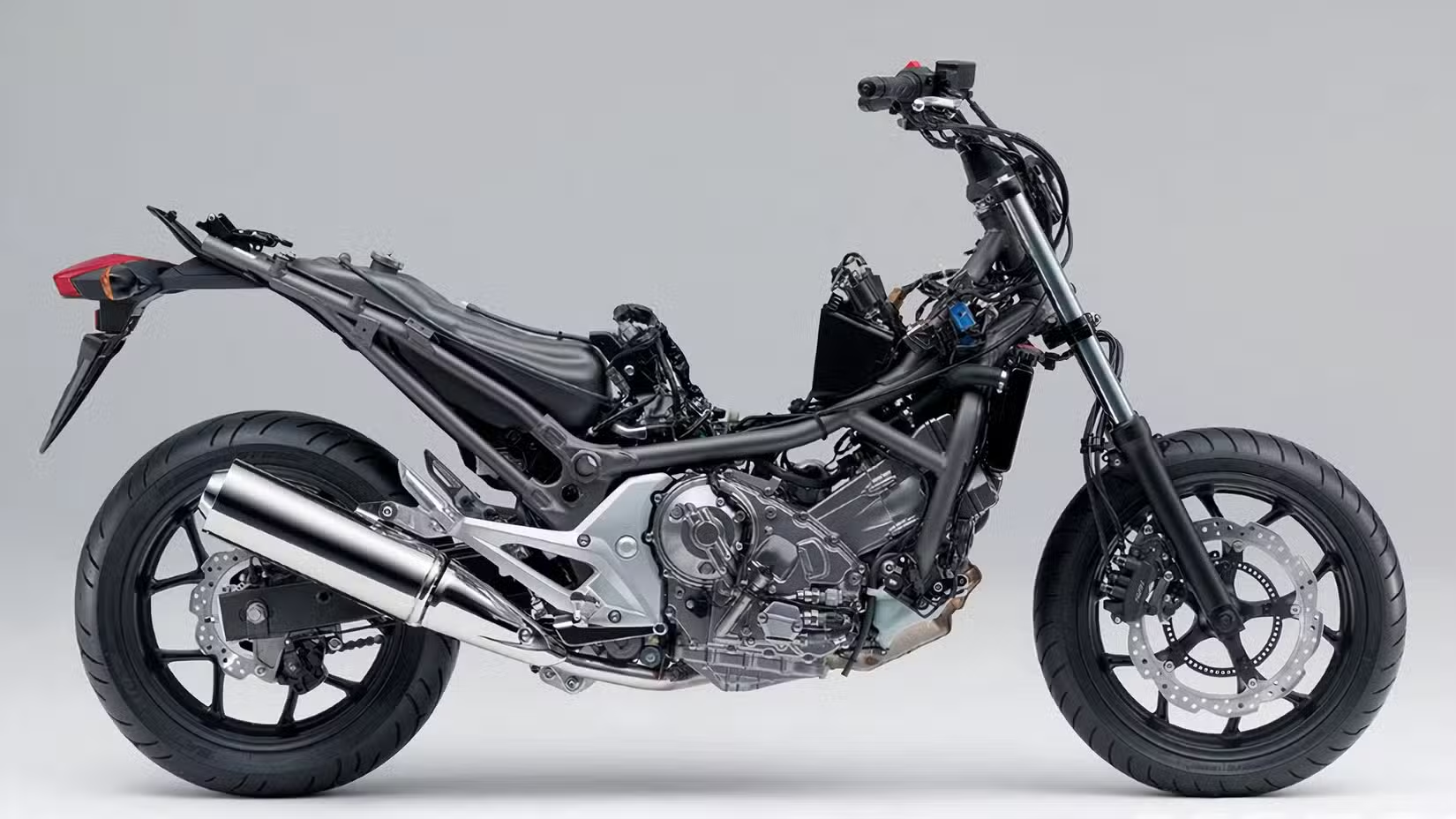
Parallel twins are now ubiquitous. Pretty much every manufacturer has developed one, and in some cases several. Honda is one of the few manufacturers that never stopped producing engines in this configuration, but the one found in the NC750X is a little different. It sits relatively flat in the chassis, because this engine was originally designed to fit into a scooter as well as a conventional motorcycle — the NC series was always conceived as something of a hybrid between the two.
The modern NC750X carries that particular torch, and you will find this same engine in the X-ADV and Forza 750 maxi-scooters sold throughout the rest of the world. That “tilted forward” layout suits the step-through design of larger scooters. The power delivery is also a little different, with a strong emphasis on mid-range rather than top-end output. 58 horsepower is objectively modest for a 750cc machine, but the broad, flat torque curve means the tune is optimized in such a way that you will never notice its lack of top-end power at road-legal speeds.
Engine Specifications
|
Engine Type |
Parallel-Twin, liquid-cooled |
|
Displacement |
745cc |
|
Max Power |
58 HP |
|
Max Torque |
51 LB-FT |
|
Transmission |
6-speed DCT |
The NC750X Puts Practicality First
A Great Bike For Any Level Rider
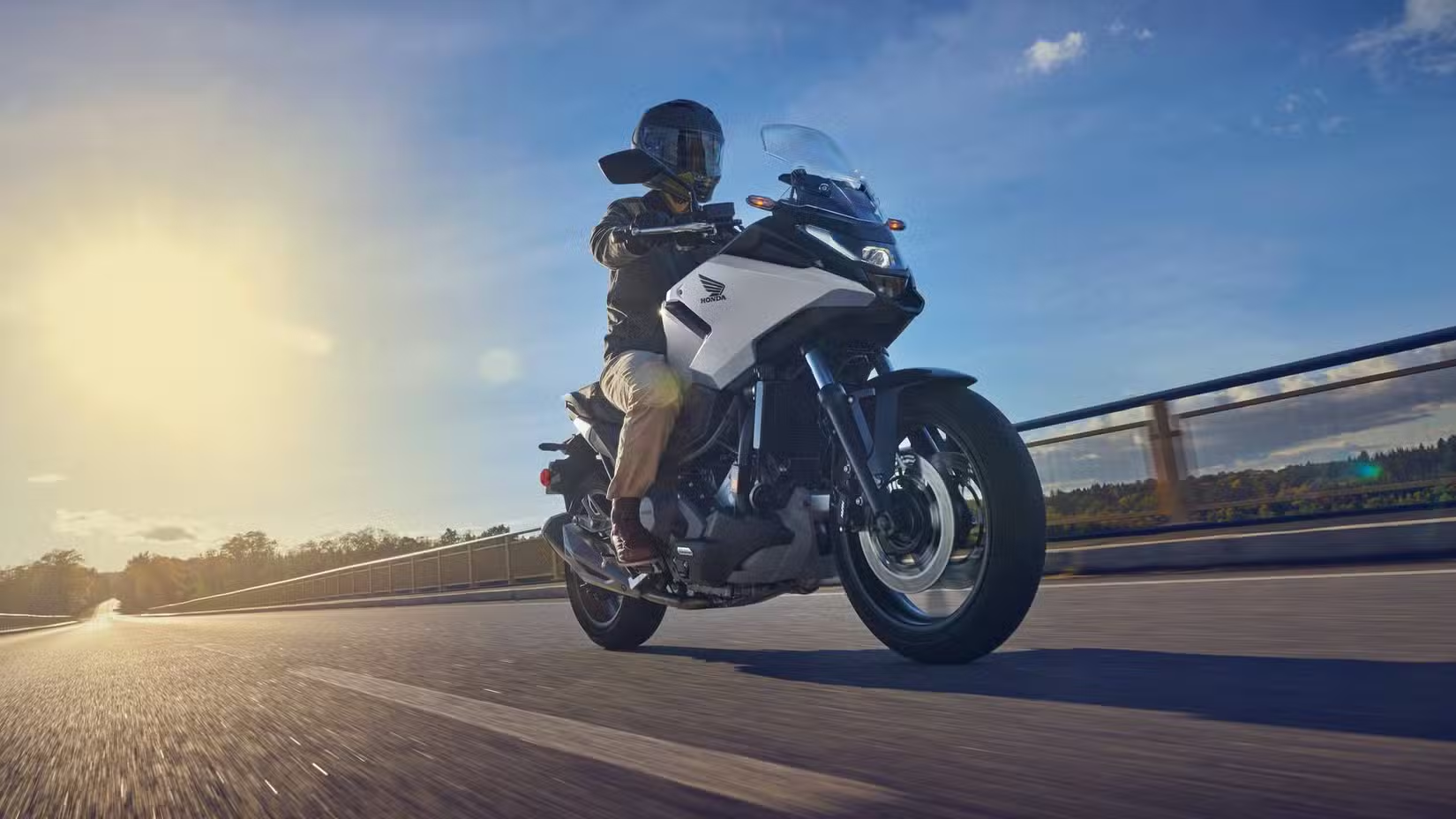
Honda has bet big on automatic motorcycles. No other manufacturer has gone down this path to the same extent, and for now, that means if you want an automatic motorcycle, you want a Honda. Although these bikes attract plenty of criticism, one thing remains abundantly clear: there really is a market for them. In the case of the NC750X, the DCT transmission makes it that much more practical and that much more accessible to a wider range of riders.
The fact that the engine sits very low in the chassis also means that the bike carries its weight low. So even though it is not the lightest motorcycle in the world, it is still relatively easy to maneuver and handles reasonably well, too. That said, this is obviously no sports tourer — the suspension and chassis are of the budget variety, and this is a motorcycle that puts a strong emphasis on comfort.
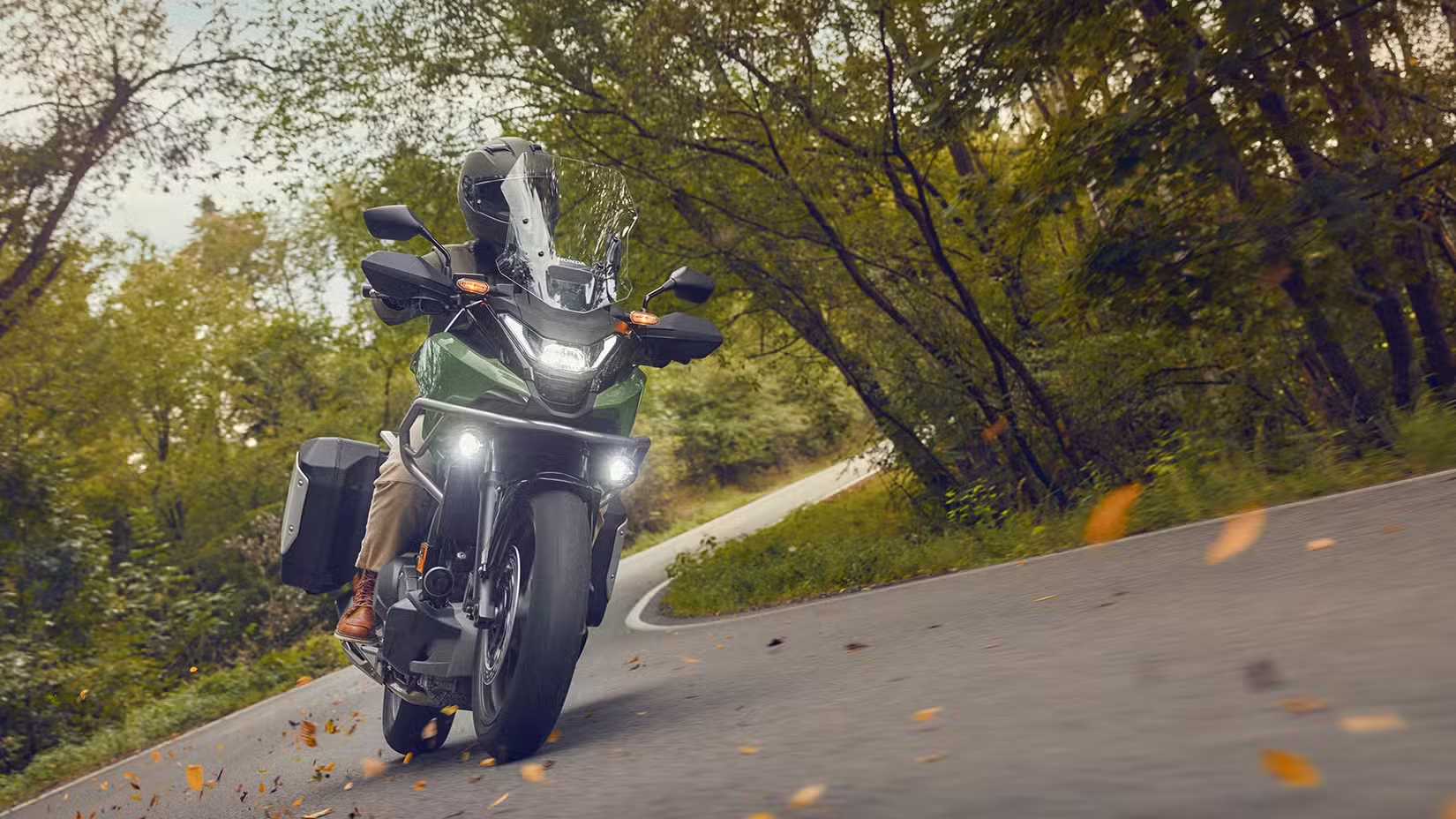
Another benefit of the engine configuration is that it frees up space for a frunk — one that is large enough to swallow a full-face helmet, according to Honda — which is genuinely useful on a touring machine. Like most Honda touring bikes, it has a very comfortable seat, and a recent update improved the wind protection as well as the overall design. That same update brought a new TFT dash with smartphone connectivity, dual front disc brakes with combined ABS, and traction control. Ride modes are included, though cruise control remains absent.
No bike is perfect, and it is easy to pick apart the NC750X. But looking at it objectively, this is a bike that really is built for everyone. No matter your weight, size, or level of experience, you will be able to ride and enjoy it. Naturally, riders who prefer a traditional clutch and gearbox won’t be the target audience, but there is no denying the added convenience and practicality that the DCT offers. Automatic motorcycles like the NC750X are here to stay.
Features
- Combined ABS
- Traction control
- Ride modes
- TFT dash
- DCT
Chassis, Suspension, And Weight Specifications
|
Chassis |
Steel truss frame |
|
Front Suspension |
41mm Showa telescopic fork (4.7-in travel) |
|
Rear Suspension |
Pro-Link single shock (4.7-in travel) |
|
Front Brakes |
Dual 296mm discs |
|
Rear Brakes |
240mm disc |
|
Weight |
497 lbs (dry) |
Sources: Honda Powersports