Collectors are finding it hard to enjoy their favorite tunes.

For years, vinyl records have been the king of the physical media comeback narrative. As it goes, in an age of digital — cold, impersonal, contextless — there’s nothing like the warmth of the pops and crackles of vinyl. (Until you have to move your entire collection to another state.)
And yet, CDs may be poised to topple the beloved format. A report from Luminate, which tracks data and analytics on the entertainment industry, found that CD sales rose 16 percent in the first half of 2026, to the tune of about 16.3 million units in the US. This isn’t the first time CD sales saw a jump.
The report notes some of the growth comes from collectible K-pop releases. Other industry watchers and commentators speculate that interest from Gen Z, fueled by nostalgia, could also be a factor. After all, if they’re into point-and-shoot cameras from the 2000s, why not CDs, too?
Regardless of generation or reason for embracing CDs, starting a collection comes with some modern challenges as well as some perks absent from your streaming service of choice. Here are the advantages and limitations to getting into (or back into) CDs.
The upside to CDs
There are a few reasons you might be interested in CDs, depending on your priorities and relationship with music. For example, when you buy a CD, that album is yours. You don’t have to worry about losing access to the music if a streamer changes its licensing deal. If you’re on a budget, you can find used CDs for a few bucks. Even a new album on CD will be cheaper than its vinyl version.
With CDs, you’re also not dependent on an internet connection, and you don’t have to remember to set certain albums or songs to an offline mode. And though streaming is convenient for listening to whatever you want, whenever you want, you can still build a digital library of your own by ripping your CDs. If you’re tech-savvy, you could also set up your own server or go down a rabbit hole trying to prioritize lossless audio.
For the more die-hard music fans, CDs also come with liner notes, and often lyrics, giving you extra info on who played on which tracks, where they were recorded and more. Spending time with something like the CD booklet speaks to having and curating a more intentional relationship with the music you listen to.
In a story about the CD resurgence, longtime Rolling Stone music critic Rob Sheffield called the format the “best invention ever for deep listening.” He also noted that CDs don’t require a login, don’t track you, collect your data or distract you the way your phone does.
The challenges of CDs
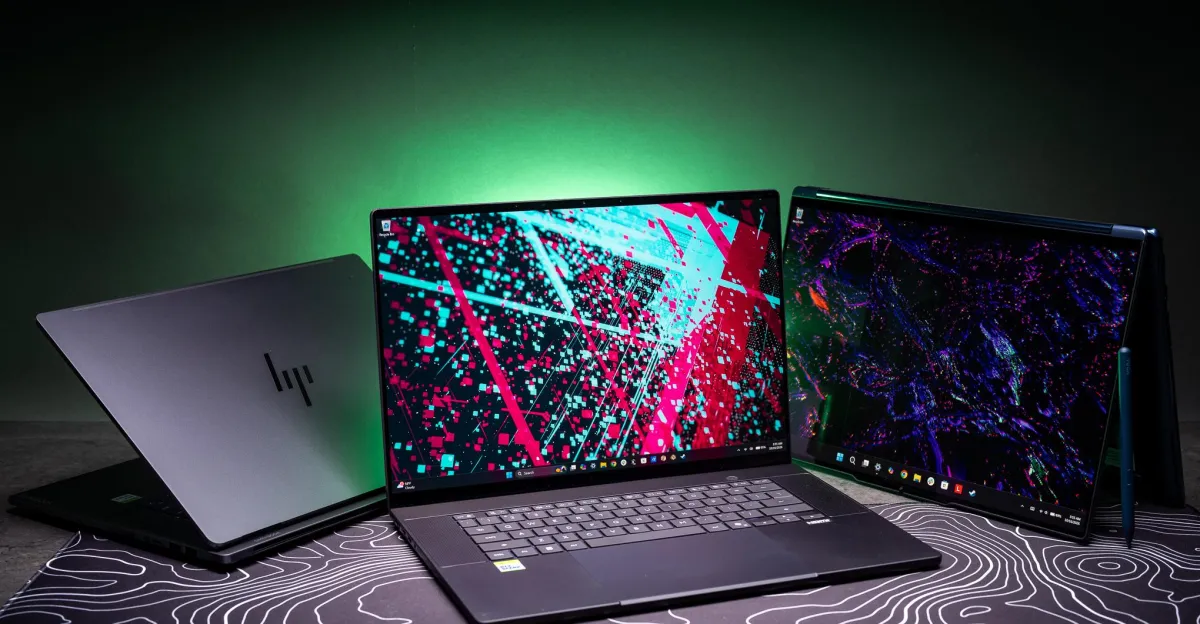
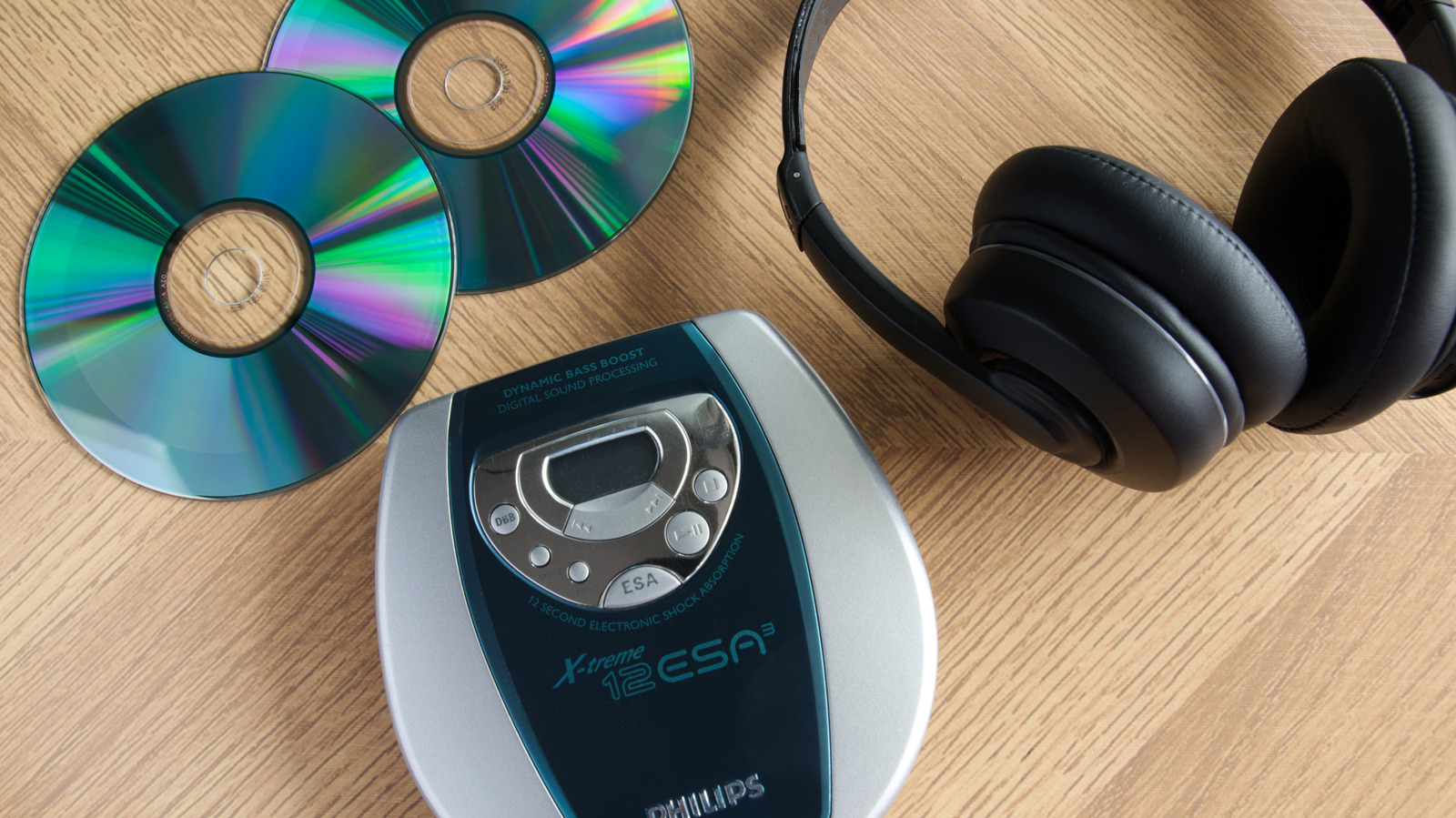
Though there are plenty of reasons to consider getting into CDs, there are some glaring challenges. The first and most obvious is that you need a way to play your CDs; the world just doesn’t come with as many disc drives as it used to. Depending on your age, you might have had a CD player in your car, a disc drive in your laptop or desktop computer, a combination radio/cassette/CD player or even a Discman (jog-proof, ideally, to avoid skips).
Although it’s been years since Target had an aisle of CD players, you can still find options online, whether you’re looking for something portable or that sits on your desk. Many modern CD players even come with Bluetooth for wireless speakers. You can also buy an external CD drive that connects to your computer via USB. There’s a range of prices to choose from, so you’re not forced into buying an expensive device you’ll only use occasionally.
As ever, what’s old tends to find new life every so often. So if CDs are calling to you out of the past, it’s still relatively easy to take your music for a spin.