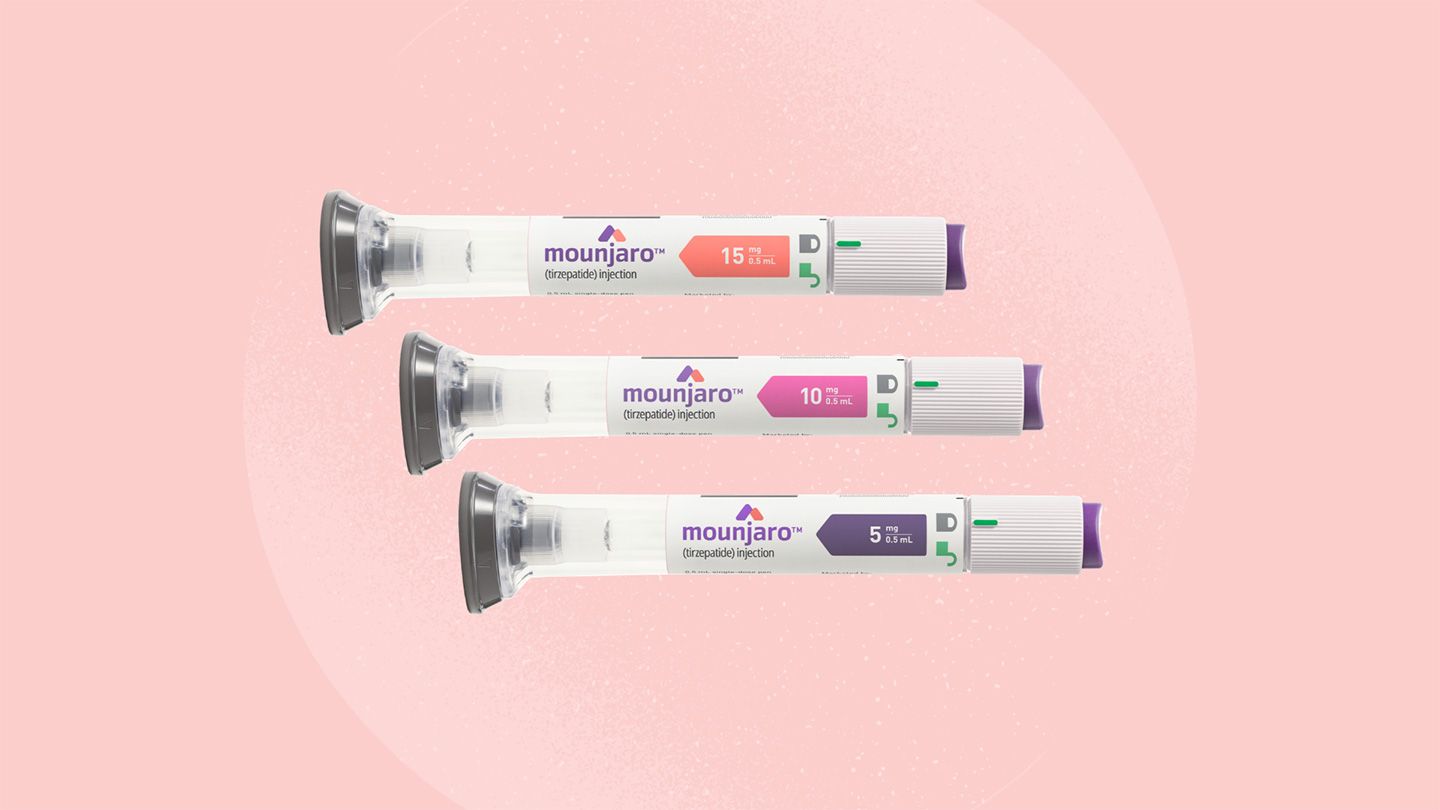
What Are the Potential Benefits of GLP-1 and GIP Receptor Agonists?
Research has shown that tirzepatide can improve blood sugar control and support weight loss. Its benefits now also include an approved use for cardiovascular risk reduction in high-risk adults with type 2 diabetes.
Better Blood Sugar Management in Type 2 Diabetes
Tirzepatide has shown significant effectiveness in lowering blood sugar in adults with type 2 diabetes. In the SURPASS-2 trial, the 15-mg dose reduced A1C by an average of 2.3 percentage points after 40 weeks, compared with 1.9 percentage points with 1 mg of semaglutide. These results describe the doses studied, not every semaglutide dose or formulation.
A1C is a two- to three-month average of blood sugar levels, according to the Centers for Disease Control and Prevention.
Other SURPASS trials found greater A1C reductions with tirzepatide than with the long-acting insulins degludec and glargine. Tirzepatide can still cause low blood sugar, particularly when taken with insulin or a sulfonylurea.
Weight Loss
Tirzepatide appears to be exceptionally effective for weight loss in people with and without type 2 diabetes, according to two clinical trials that tested its effectiveness for that use.
In the SURMOUNT-1 trial, which enrolled adults without diabetes, average weight loss after 72 weeks reached 20.9 percent with 15 mg of tirzepatide, compared with 3.1 percent with placebo. Participants also followed a reduced-calorie diet and increased physical activity.
In SURMOUNT-2, which studied adults with type 2 diabetes and a body mass index (BMI) of at least 27, average weight reductions after 72 weeks were 12.8 percent with 10 mg of tirzepatide and 14.7 percent with 15 mg, compared with 3.2 percent with placebo. About 79 to 83 percent of participants taking tirzepatide lost at least 5 percent of their body weight, compared with 32 percent of those taking placebo.
Lower Risk of Heart Attack and Stroke
On August 28, 2026, Lilly announced that the FDA had approved Mounjaro to reduce the risk of cardiovascular death, nonfatal heart attack, and nonfatal stroke in adults with type 2 diabetes who are at high risk for these events.
The approval was based on the SURPASS-CVOT study, which compared tirzepatide with dulaglutide (Trulicity), a medication with established cardiovascular benefits. More than 13,000 adults with type 2 diabetes and established cardiovascular disease participated.
Heart attack, stroke, or cardiovascular death occurred in 12.2 percent of the tirzepatide group and 13.1 percent of the dulaglutide group over a median follow-up of about four years. Tirzepatide met the trial’s criteria for being no worse than dulaglutide, but it wasn’t shown to be statistically superior. That distinction is important: The study supports cardiovascular benefits without establishing that Mounjaro prevents these events better than Trulicity.
Improved Blood Pressure
Beneficial effects on systolic blood pressure (a measure of how much pressure is exerted against your artery walls when your heart is beating) have been found across the series of SURPASS trials that studied tirzepatide in people with type 2 diabetes. Systolic pressure dropped by between 4.2 mmHg and 12.6 mmHg after 40 to 42 weeks in participants receiving tirzepatide, mostly attributed to weight loss.
Louis Aronne, MD, an endocrinologist, director of the Comprehensive Weight Control Center at Weill Cornell Medicine in New York City, and coauthor of the New England Journal of Medicine study on tirzepatide for obesity treatment, describes the Mounjaro results as “spectacular,” and for those in the highest weight categories, comparable with bariatric surgery results. “It’s really quite a remarkable finding.”