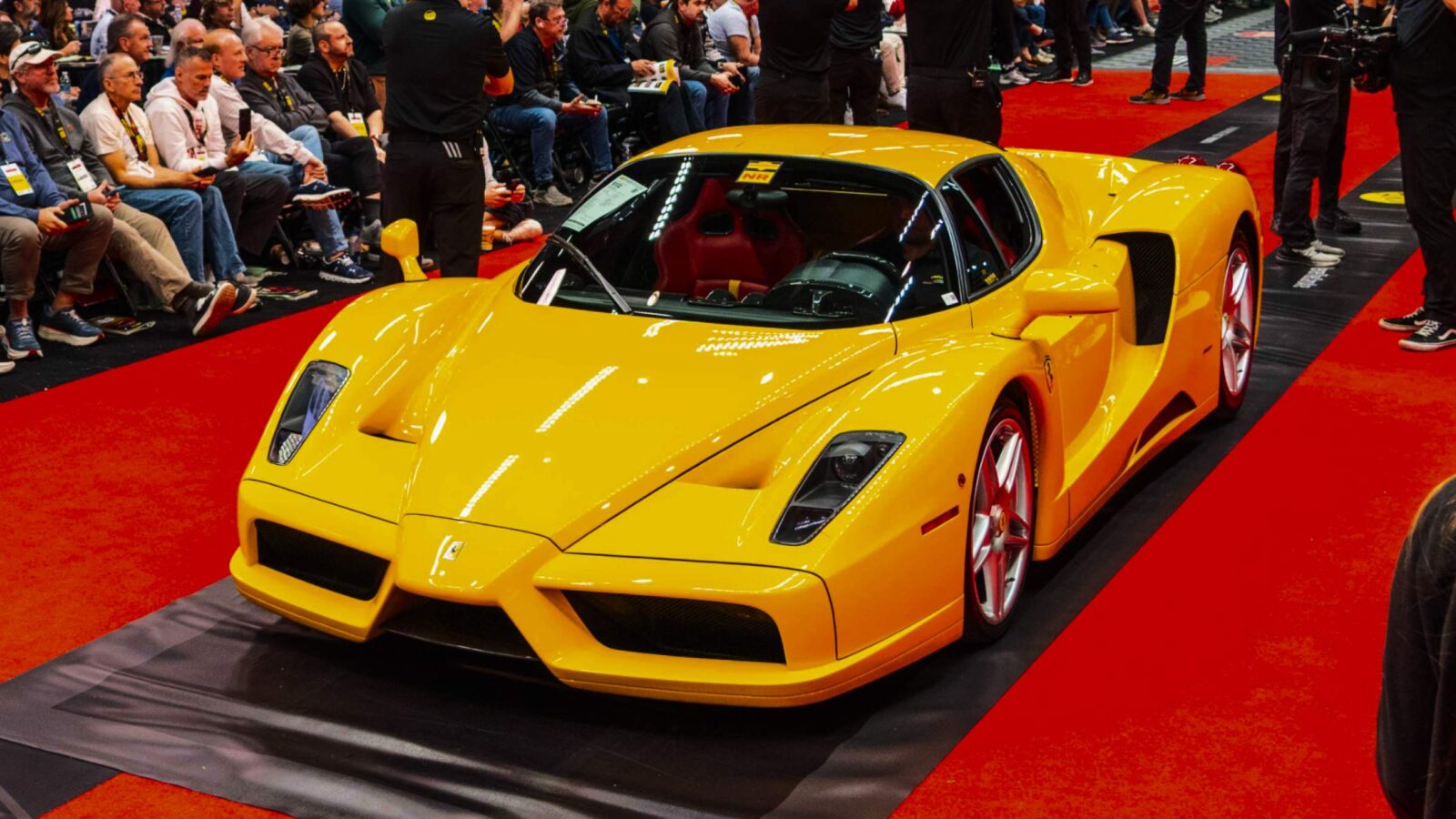
For generations of Ferrari fans, exotic Italian supercars with wild wings, dramatic vents and outrageous power were the ultimate automotive fantasy.
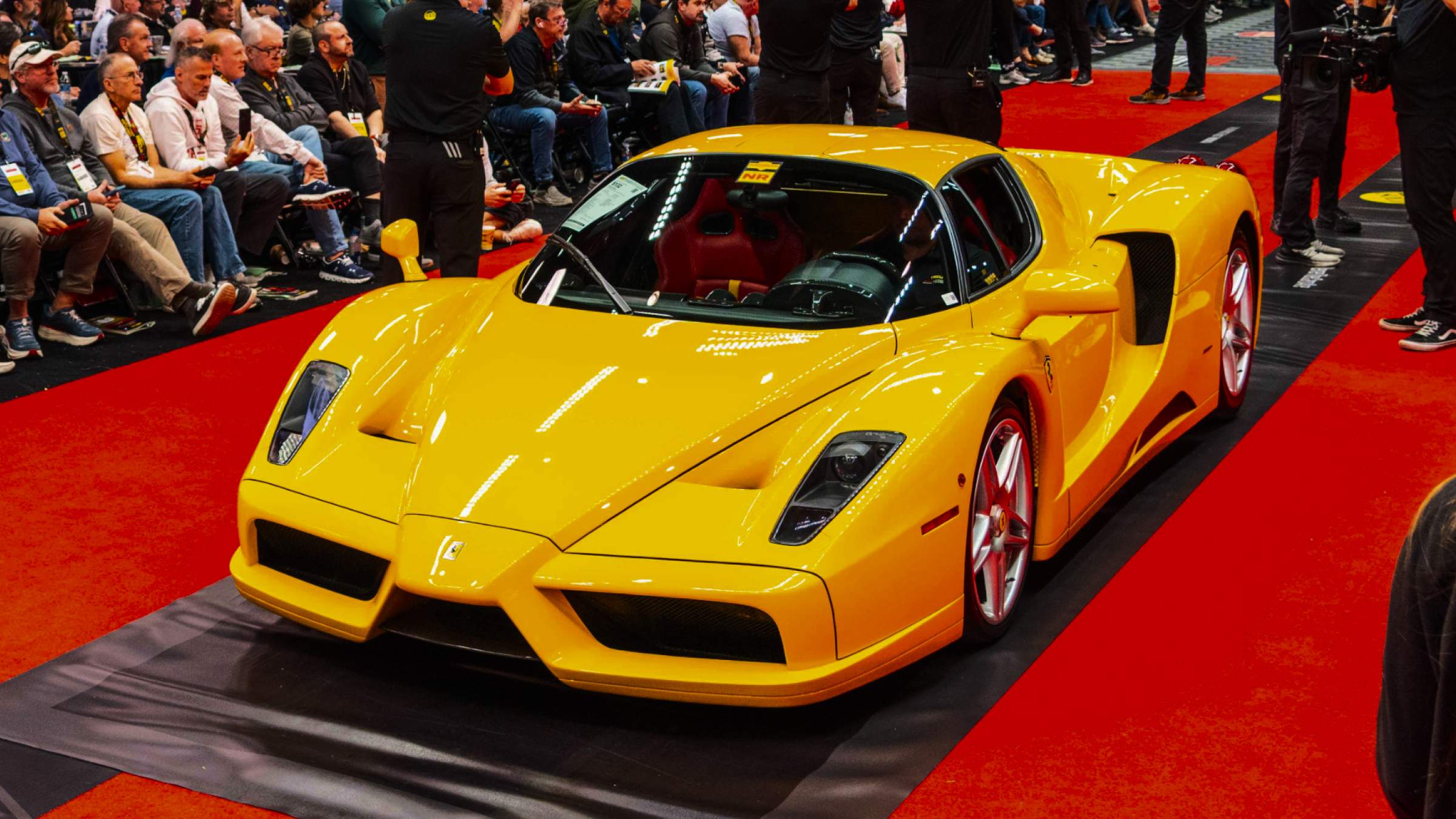
It’s the Year of the Horse, according to the Chinese zodiac, but for Ferrari enthusiasts, 2026 might as well be the Year of the Prancing Horse. Values for the legendary Italian marque’s greatest halo cars are reaching new heights, with some now commanding eight-figure sums.
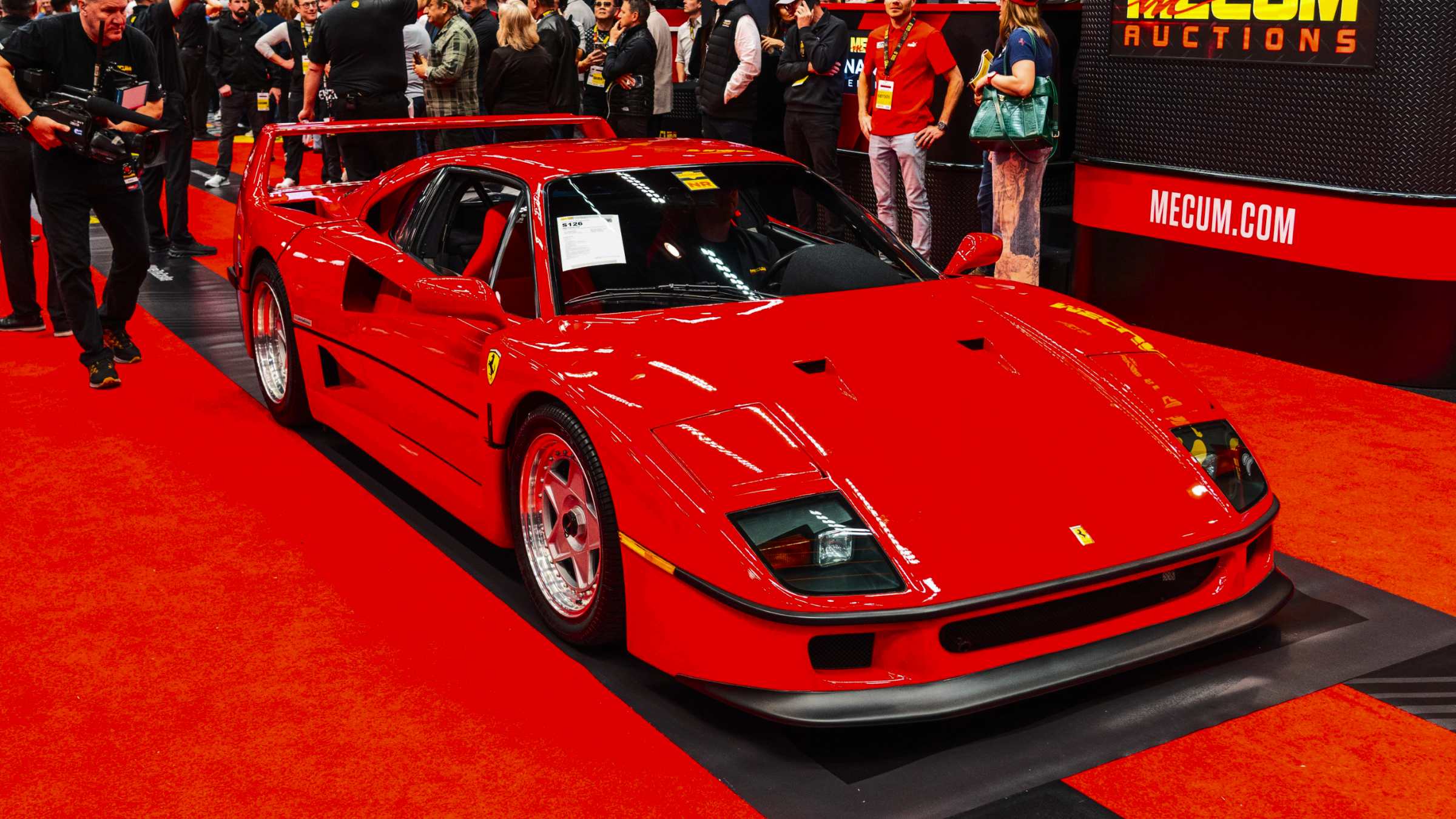
This is something we’ve observed directly in Mecum Auctions lots. In 2022, an F40 could be had for $2.75 million. This year, one brought in $6.6 million. The car’s appeal extends well beyond the auction block. Formula 1 champion Lewis Hamilton added one to his collection this summer, calling it, in his Instagram post, “the car of my dreams”—a childhood ambition finally realized. Motorcycle racing star Fabio Quartararo has also been spotted behind the wheel of an F40 during a nighttime photo shoot earlier this year.
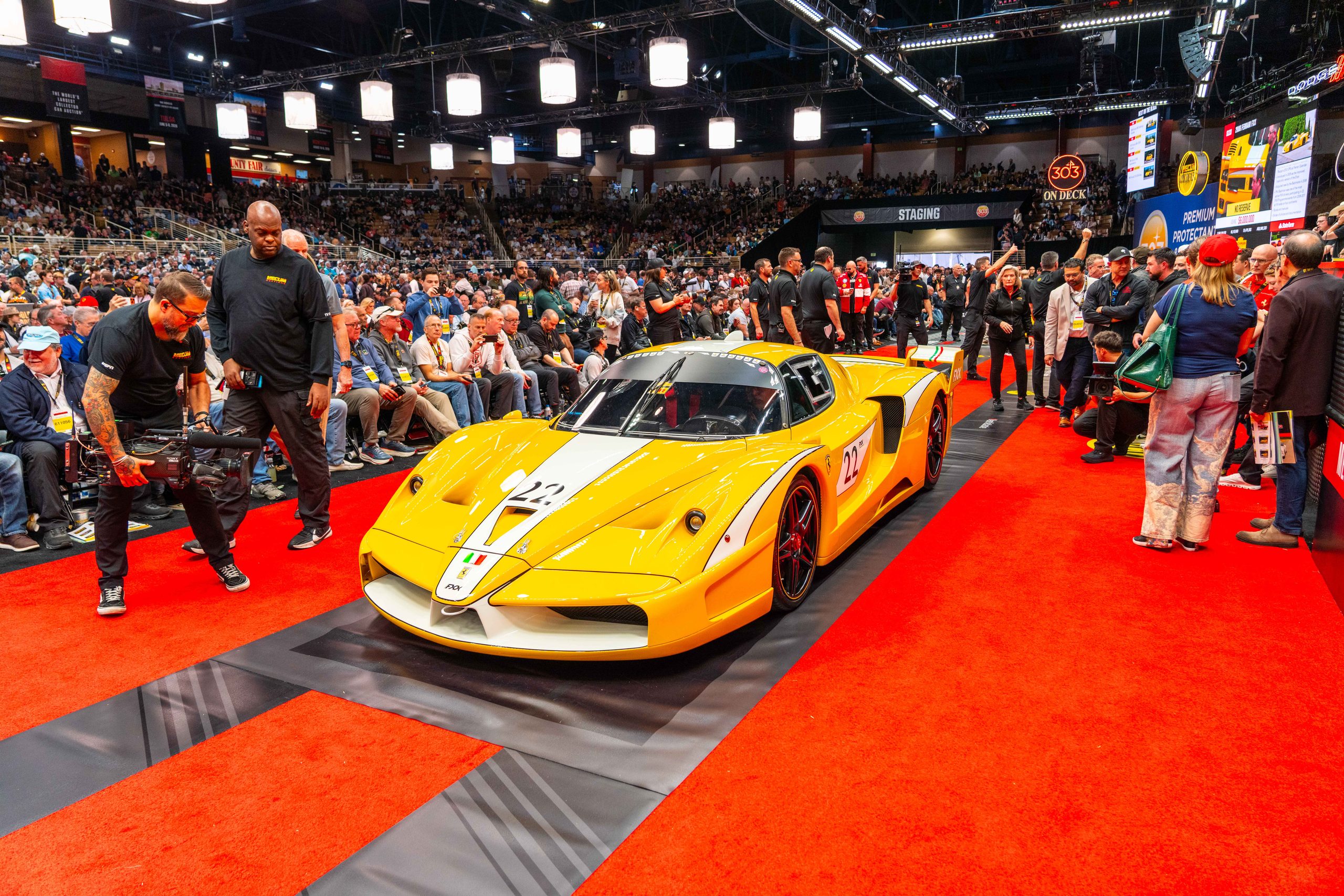
The Enzo’s rise has been even more dramatic. One that sold for $2.86 million in 2022 looks like a bargain compared with the model’s record-setting $17.87 million result at Mecum Kissimmee in January. And that wasn’t an isolated result: Three other Enzos have sold this year for $10 million, $11 million and $12 million. A LaFerrari that brought in $3.4 million in 2018 can now command as much as $11 million. The F50 has topped $14 million, while the FXX and 288 GTO have crossed the $6 million and $8 million marks, respectively.
These figures are even more remarkable when you consider where the cars started. Their original prices were a fraction of today’s valuations. The 288 GTO, for example, sold new for around $83,000 in the mid-1980s. So, what’s driving this demand? And is it here to stay?
The Enduring Dream
These Ferraris may have been born from the marque’s racing heritage, but part of their appeal today began decades ago—not in the showroom, but on bedroom walls. For generations of young fans—Hamilton added in his Instagram post that he dreamed of having one as a kid—cars with wild wings, dramatic vents and outrageous power were the ultimate fantasy. They covered their walls with posters, memorized the specs and imagined what it would feel like to slide behind the wheel.
Video games brought these machines closer still, letting players take the wheel virtually and experience the thrill of driving engineering marvels they could only hope to own one day. Over time, these Ferraris became more than objects of fascination. They served as a guiding light—symbols of success and reminders of what hard work and a successful career could make possible.
Today, many of those young fans have become successful collectors, with the means to bring a long-held ambition to life. The cars that once seemed impossibly out of reach are now finding their way into private garages, and that generational connection is helping fuel demand.
The Analog Experience
There’s something about the way these Ferraris make a driver feel that modern performance figures can’t fully capture. Today’s supercars are faster and more advanced than ever, but they’re also increasingly digital, with sophisticated electronics, driver aids and radical hybrid powertrains. For some enthusiasts, that makes Ferraris from these bygone eras even more appealing. They offer a different connection, one that’s more mechanical, between the driver, the car and the road.
The sound of the engine, the feel of the steering and the response of the chassis all play a part in that connection. In some models, even changing gears is a physical experience, making the driver feel more involved in what the car is doing. For enthusiasts who value that sensation, that direct connection isn’t a bonus. It’s the whole point.
The Exclusivity Factor
Ferrari’s most coveted road cars were never meant to be commonplace. Built in limited numbers and positioned at the pinnacle of the marque’s lineup, they were exclusive from the start. The 288 GTO was limited to 272 cars, while production of the F40 totaled 1,311.
Just 349 F50s were built, followed by 400 Enzos and 500 LaFerrari coupes, one of which was built specifically for a charity auction. That limited supply only adds to their desirability today. As demand for these icons grows, their finite numbers become an even bigger draw. However, not every car commands the same price.
The Bachman Effect
Put it all together—a generation of motivated collectors, a finite supply of iconic Ferraris and a desire to own the cars they’ve admired for decades—and you have the ingredients for a remarkable market. That dynamic was on full display in January, when the Bachman Ferrari Collection came to Mecum Kissimmee. The group of 46 Ferraris crossed the auction block at no reserve, generating more than $125 million in total sales.
Leading the way was a 2003 Ferrari Enzo, which brought $17.87 million in a result that put the entire collector-car world on notice. Strong performances across the collection reinforced the appetite for Ferrari’s most coveted road cars, particularly exceptional examples with compelling histories. The sale demonstrated what can happen when rarity, condition and decades of desire converge. But it also raises a bigger question: Was this a sign of a market that’s still climbing, or an extraordinary moment that will be difficult to repeat?
The Road Ahead
No one can say for sure. Record-setting auctions don’t guarantee that every Ferrari will continue to climb in value. Condition, mileage, originality and provenance will continue to separate the most desirable examples from the rest. But these cars have something that goes beyond their price tags. They represent Ferrari’s racing heritage, a generation’s childhood dreams and a kind of driving experience that’s becoming harder to find. For collectors who spent years imagining what it would be like to own one, the opportunity is finally here.
Whether today’s prices hold or the market settles, these Ferraris have already secured their place among the marque’s greatest road-going icons. The question now is just how much buyers will be willing to pay to make one their own.