We heard about the outbreak by accident. In December 2025, I (Meyer) was chatting with a friend who has a teenager in a rival San Francisco high school. Our conversation turned to football first, then to prom.
“It’s going great,” the friend reported. “Well, except for the tuberculosis.”
Tuberculosis (TB), caused by the slender, rod-shaped Mycobacterium tuberculosis, is one of humanity’s great scourges. It’s ancient, contagious, highly lethal, and thrives in impoverished settings. A well-funded private school is just about the last place we would expect to find a TB outbreak.
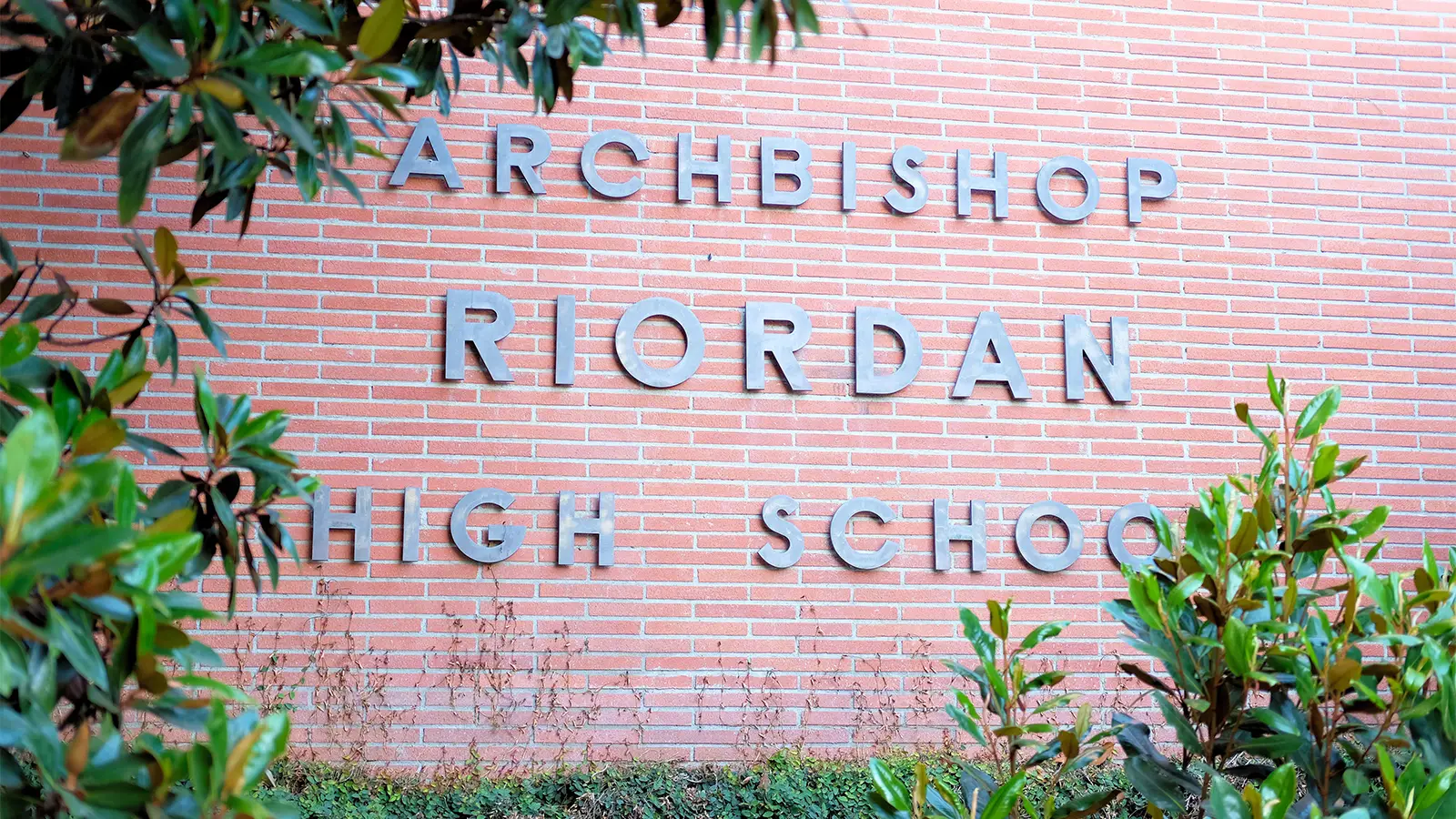
But my friend was right. About a month earlier, the San Francisco Department of Public Health (SFDPH) issued a report describing a case of TB at Archbishop Riordan High School (ARHS). By March, that one case would balloon into hundreds more.
As a physician (Meyer) and a journalist (Hahm), we spent months wondering how history’s deadliest infection overwhelmed a prestigious Bay Area school. On the outbreak’s 1-year anniversary, we sat down with several parents and a student to find out.
The Captain of All These Men of Death
The story of TB is one of the U.S.’s great triumphs. Until the 1800s, tuberculosis was the single greatest cause of American mortality, responsible for a quarter of all deaths. But by the early 1900s, public health initiatives that improved living and work conditions precipitated a drop in TB. After streptomycin was developed in the 1940s, case rates plunged. Between the 1950s and 1980s, annual TB mortality dropped from 20,000 to under 2,000. However, TB remains a leading cause of death globally due to overcrowding, malnutrition, limited healthcare, and, more recently, cuts to foreign aid.
Today, 77% of cases in the U.S. occur in foreign-born individuals, in whom TB incidence is 20 times greater than in U.S.-born individuals. In San Francisco, TB epidemiology mirrors national trends.
This, according to the parents we interviewed, is how the ARHS outbreak began — with a student who had recently immigrated from a continent with high TB prevalence (Africa).
Waiting in the Wings
In September 2025, ARHS’s index case of TB (patient zero) was evaluated by a medical provider, reporting 2 weeks of cough. As you might imagine, a cough is a fairly common complaint amongst high school students during flu season. The student’s symptoms were not attributed to TB at that initial visit.
TB is a slow burning disease. Infection occurs when someone inhales its bacilli and, in about 5% of infected individuals, this results in the development of active TB with classic consumptive symptoms (cough, bloody sputum, night sweats). But most people don’t develop symptoms immediately. Their immune system halts the infection and they remain both asymptomatic and non-contagious — a state known as latent TB. But there’s always a risk those dormant bacilli will reactivate into active TB — about a 10% risk over a person’s lifetime. In the U.S., 80% of active TB cases are due to reactivation, and among foreign-born individuals, 93% are. The good news is there’s treatment for latent TB, and it’s 90% effective at preventing progression to active disease.
However, there are still an estimated 13 million people with latent TB in the U.S. who, left untreated, represent a reservoir for ongoing transmission — a sort of tuberculous tinderbox. And treatment of latent TB often falls through the cracks of the American health system: in one study, only half (48%) of foreign-born adults who tested positive for latent TB were offered treatment; in another, only 47% of patients who started treatment completed it.
In addition, in 2021, for the first time in 30 years, TB began quietly staging a comeback. Cuts to public health infrastructure, pandemic-related healthcare disruptions, and increased immigration all contributed to a recent and ongoing TB resurgence in the U.S.
Once someone has active TB, that person is contagious, but only moderately so — in developed countries the R0 (the number of people typically infected by an individual with active TB) is generally well below 1. But transmission can increase — a lot — if there’s extended, indoor contact between the infected and uninfected. Especially during the winter.
The Geometry of Contagion
ARHS offers a boarding option, which is convenient for international students. This, according to the parents we interviewed, was where patient zero was living between the onset of cough in September and November — when the student was finally referred to SFDPH for evaluation of active TB.
Things moved quickly after November.
SFDPH began by screening patient zero’s close contacts. This revealed an ominously high prevalence of TB infection. In December, mandatory testing of all ARHS students and staff was announced. Two additional cases of active and 50 cases of latent TB were confirmed in January. By late February, over 1,300 TB tests had been administered. And by March, a startling 18% of those tested — 244 students and staff — were positive for latent TB infection, in addition to eight cases of active TB.
All told, the fallout was massive: extensive, repeated, months-long testing; medical treatment for hundreds of students and staff; widespread school disruption, including cancellation of in-person classes; and considerable frustration and confusion amongst students and parents, who largely shouldered the cost of all that testing. By April, 96% of the latent and 100% of the active cases had started treatment, and the outbreak was considered contained.
Reversal of Fortune
The goal of any outbreak investigation is, first and foremost, to stop the outbreak. And then to learn from it. It’s tempting to view the ARHS outbreak as an isolated anomaly — but this would be learning the wrong lesson.
In April, the CDC published a review of 50 large TB outbreaks in the U.S. About a quarter were associated with congregate living settings, such as correctional facilities. In the remaining three quarters, the outbreak spread primarily via social networks. In all of them, 80% of cases occurred in U.S.-born individuals. The study is a bleak reminder that no one is completely safe from TB.
Could the San Francisco outbreak have been prevented? It’s not clear. We don’t know if patient zero was offered, initiated, or completed treatment for latent TB. We do know the initial diagnosis was missed and the student spent months with active TB in a congregate living setting before starting treatment. From there, the high-density, highly social environment of high school appears to have been perfect fuel for transmission.
Perhaps the most important takeaway is that tuberculosis is a contemporary threat, not a historical relic. In an era of rising TB rates, the ARHS outbreak is a warning. Its breathtaking escalation from a single case to hundreds of infections in just a few months underscores why the great white plague was once the most feared disease in the world. It’s a reminder against complacency.
Tuberculosis was a death sentence just a century ago — it would be arrogant to assume we’ve conquered it.
This perspective is the authors’ alone and does not necessarily reflect that of any institutions or companies with which they are affiliated.