Mind’s bottleneck is industrialisation rather than AI models, which is exactly the problem Field has spent his career solving. By Stewart Burnett
Mind Robotics, the industrial AI start-up founded by Rivian Chief Executive RJ Scaringe, has hired former Ford electric vehicle (EV) boss Doug Field as President. The appointment marks the company’s transition from fundraising to deployment, bringing one of the industry’s most experienced industrialisers to a business that has thus far raised more than US$1bn without ever actually showing a product in public.
Announced at TechCrunch’s Disrupt event on 13 October, the role gives Field control of product, engineering and operations, while Scaringe remains involved as both founder and chair. “Doug is a remarkable leader with a track record of delivering new technologies in successful products,” Scaringe said in his announcement. Field, for his part, stated: “Mind has assembled an exceptional team and has a unique advantage: the ability to deploy and learn inside a real, high-volume factory from day one.”
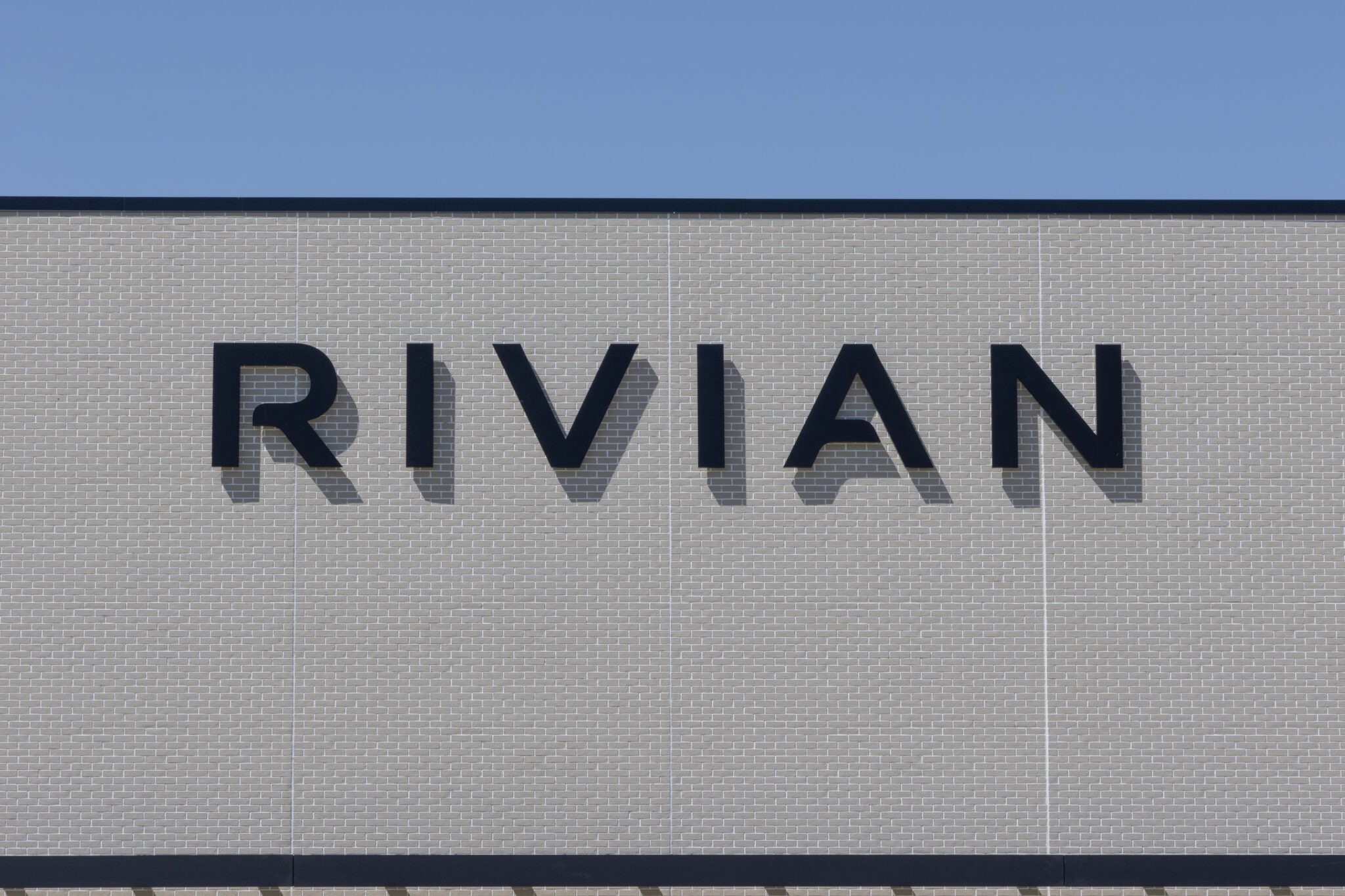
That factory is Rivian’s plant in Normal, Illinois, where the R2 is ramping up. Rivian owns about a third of Mind and will serve as its first customer, giving the start-up a live production line for training data and deployment. Mind has so far raised US$115m in a seed round led by Eclipse, a US$500m Series A co-led by Accel and Andreessen Horowitz in March, and a US$400m round led by Kleiner Perkins in May. The company’s reported value is now around US$3.4bn, with the venture arms of Volkswagen and Salesforce also on board.
Field’s record is formidable, but could also potentially be interpreted as uneven. He guided the Model 3 through 12-18 months of “production hell” as Tesla’s Senior Vice President of Engineering, then led Apple’s car project, which was cancelled in 2024. He also spent nearly five years at Ford as Chief EV, Digital and Design Officer. Ford’s Model e unit, responsible for all EV products, was a notorious loss-maker, racking up more than US$5bn in losses during 2024. At the same time, his skunkworks team developed the low-cost Universal EV Platform underpinning the US$30,000 midsize pickup due from Louisville in 2027.
Mind is pursuing a deliberately different route from Tesla’s Optimus. Scaringe argues that humanoids are needlessly complex for most factory work; Elon Musk admitted in January that no Optimus robots were yet doing “useful work” despite predicting thousands of deployments back in 2025. The hard part of physical AI is not building foundation models but making hardware reliable enough to run production shifts, which, to Field’s credit, is precisely the industrialisation problem he has spent his career on.
His move also reflects a wider migration of EV talent. Ford folded Field’s EV organisation into manufacturing when he left in April, and Scaringe’s other spinoff, micromobility company Also, this month hired Uber’s former head of AV partnerships, Guy Peterson. Rivian holds a roughly one-third stake in both businesses, allowing Scaringe to build adjacent ventures with outside capital while keeping Rivian’s balance sheet focused on the R2.
Field addresses Mind’s biggest risk, turning promising robots into dependable factory equipment, but the arrangement places much of its value in Rivian’s hands while giving Rivian only a minority of the upside. Rivian provides the factory, the training data and the first contract, and its shareholders own about a third of the outcome. If Mind’s robots can run shifts on the R2 line, the most valuable asset Rivian has helped create may be one it does not control.