************]
Researchers at the University of Vet Medicine Vienna, in collaboration with the CeMM Research Center for Molecular Medication and St. Anna Children’s Cancer cells Research, have actually developed a new logical approach that exposes which RNA molecules are involved in cancer-promoting cellular structures. Using this method, the Vienna-based research study group determined the RNA particle Gas 5 as a vital regulatory authority of NUP 98:: KDM 5 A oncogenic condensates, which manage gene task in hostile types of acute myeloid leukemia (AML). This new insight might supply important starting points for cancer research study and enhanced individual treatment. The research study was published in the journal The EMBO Journal
Aggressive leukemias can be driven by supposed combination oncoproteins. Within cells, these proteins can build up in biomolecular condensates — dynamic, membrane-less structures in which different biomolecules connect to affect gene activity. Until now, nevertheless, little was known about which RNA molecules are involved in these” oncocondensates.”
” With the bicon-seq approach we have actually developed, we can now methodically recognize which RNAs are related to biomolecular condensates. This makes a formerly difficult-to-access layer of genetics law measurable,” clarifies Florian Grebien, elderly author of the study and head of the Unit of Clinical Biochemistry at the College of Vet Medicine Vienna.
A main research study emphasis: RNA as an element of oncocondensates
The existing research study focused on the fusion oncoprotein NUP 98:: KDM 5 A. This protein occurs in aggressive kinds of AML and advertises the formation of condensates in leukemia cells that
are required for the activation of leukemia-relevant genetics.
The brand-new bicon-seq logical approach provides quantitative information on the mobile solubility of RNA particles. According to the researchers, changes in this criterion suggest whether an RNA is extra highly or more weakly associated with biomolecular condensates.” Importantly, this approach does not just give a snapshot. We can track just how the RNA make-up of condensates changes when essential elements are especially interfered with or depleted,” claims Melanie Allram, initial writer of the study.
The lncRNA Gas 5 plays a crucial role in leukemia cell spreading
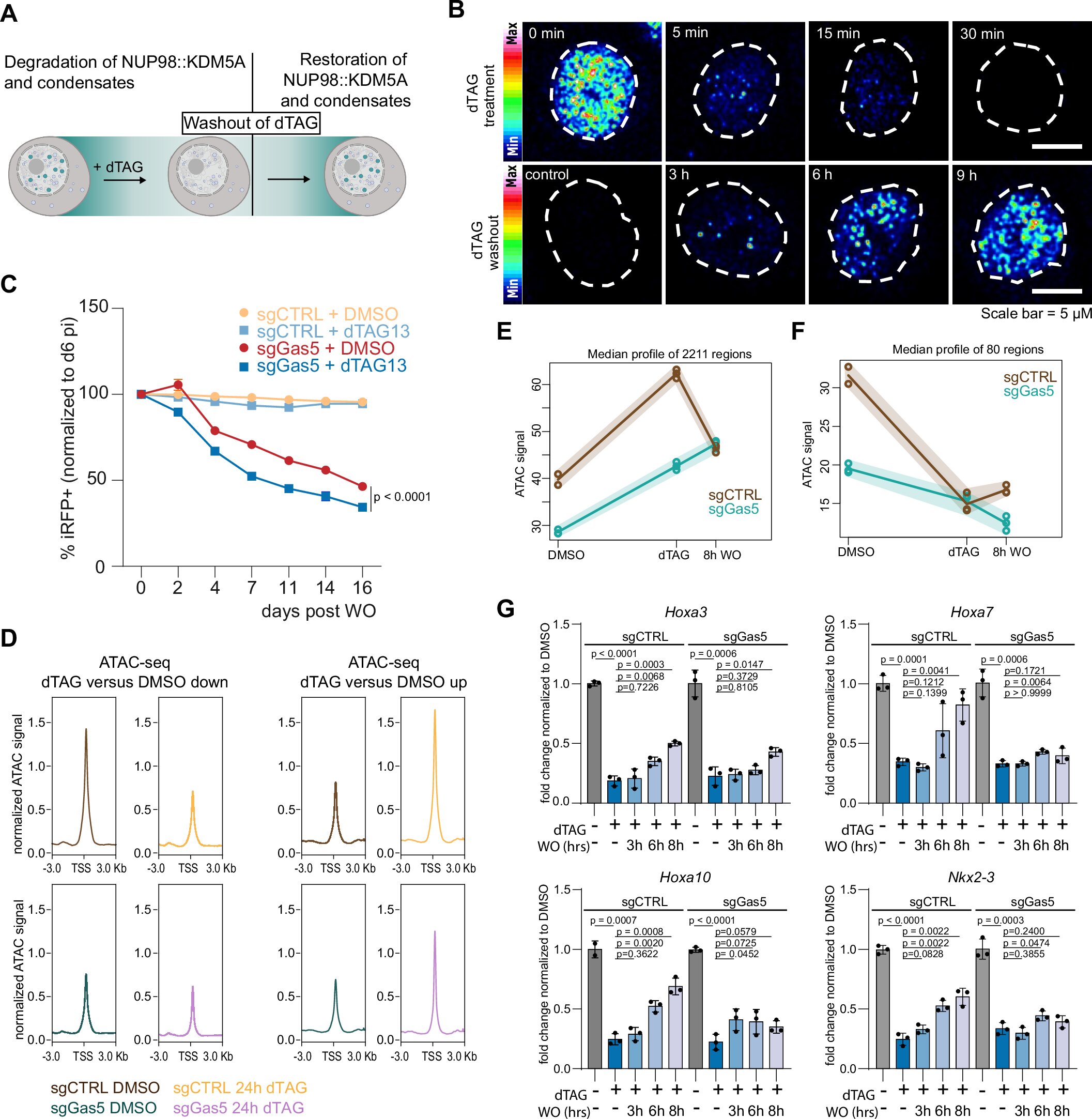
The evaluations identified a number of long noncoding RNAs ( lncRNAs) related to NUP 98:: KDM 5 A oncocondensates. The lncRNA Gas 5 was particularly noteworthy: it was highly expressed in AML cells, co-localized with NUP 98:: KDM 5 A in condensates and verified to be crucial for the proliferation of leukemia cells.
When Gas 5 was specifically downregulated making use of CRISPRi– a method for targeted reductions of genetics expression– the gene activity of AML cells altered substantially. Amongst the afflicted genes were those associated with differentiation and configured cell death.” This reveals that the Gas 5 lncRNA is not only a part of these condensates, but can additionally affect their function,” emphasizes Allram.
A brand-new approach for examining the RNA biology of condensates
The research study defines a brand-new experimental method for exploring biomolecular condensates. Grebien clarifies: “bicon-seq allows us to quantitatively define the RNA composition of these structures under both regular and troubled conditions. This opens new possibilities to examine the function of RNAs in managing disease-relevant condensates.”
The findings highlight the significance of noncoding RNAs for the feature of fusion oncoproteins. Refresher courses by the Grebien Laboratory will certainly currently examine in greater information how the communication in between Gas 5 and the NUP 98:: KDM 5 A blend protein impacts genetics activity and leukemia development.
Key medical ideas
Professional groups


Citation :
Just how RNA particles influence the growth of aggressive leukemia (2026, October 14
recovered 14 October 2026 from https://medicalxpress.com/news/ 2026 – 10 -rna-molecules-aggressive-leukemia. html.
This paper goes through copyright. Aside from any type of fair dealing for the purpose of personal research study or research study, no.
part might be recreated without the composed consent. The content is provided for info functions only.