Movies have plenty of tools for producing suspense. Music, editing, cinematography, and killer performances can make even an ordinary situation feel unbearably tense. Novels, by contrast, have to use finely crafted prose to keep us hooked and unsettled. Often, they ratchet up the tension by trapping us inside a character’s thoughts.
With that in mind, this list looks at some of the most intense thriller books ever, the ones that can go toe-to-toe with any film. Some construct elaborate mysteries that become increasingly disturbing as their secrets emerge, while others use unreliable narrators or unconventional storytelling techniques to make us question everything we’re reading.
6
‘Needful Things’ (1991)
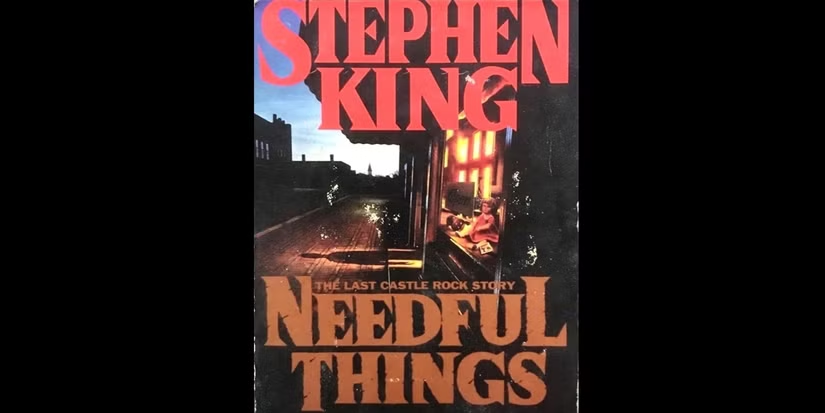
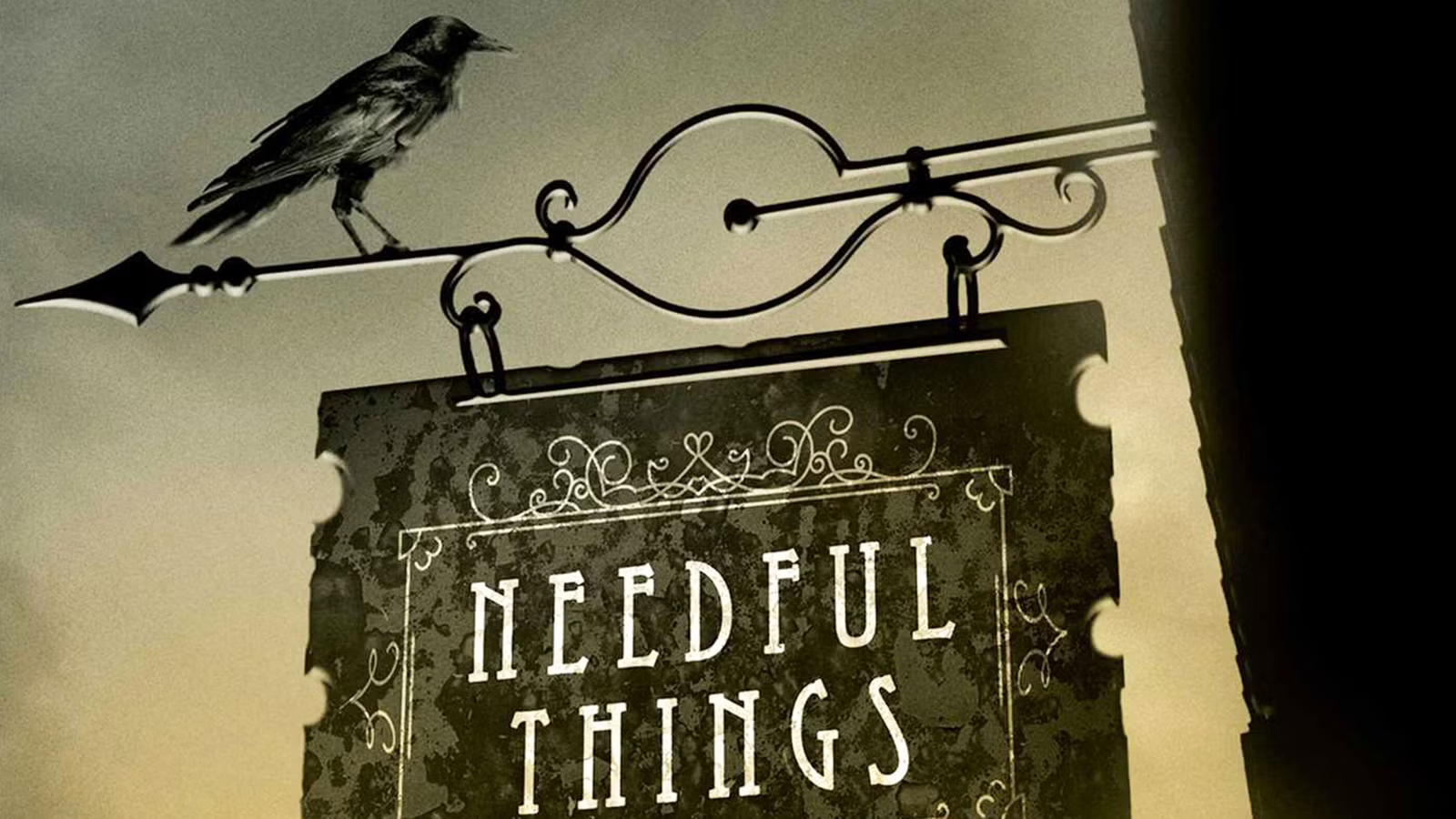
“Everybody loves something for nothing… even if it costs everything.” Stephen King has always been particularly good at revealing the unpleasantness lurking beneath seemingly ordinary American communities, and Needful Things pushes that fascination to its logical extreme. The plot kicks into gear after a mysterious stranger named Leland Gaunt opens an antique shop offering customers objects they desperately desire. In return, Gaunt persuades his customers to perform seemingly harmless pranks against their neighbors.
However, these supposedly small acts have big consequences, exploiting existing resentments and grudges, steadily stoking the flames of the town’s repressed anger and jealousy. King spends considerable time fleshing out the characters, making the subsequent collapse of their relationships genuinely unsettling. The brilliance of the story lies in how little Gaunt actually needs to do. Most of the destruction comes from ordinary people who already possess the capacity for cruelty. All they needed was a little push toward the darkness.
5
‘House of Leaves’ (2000)
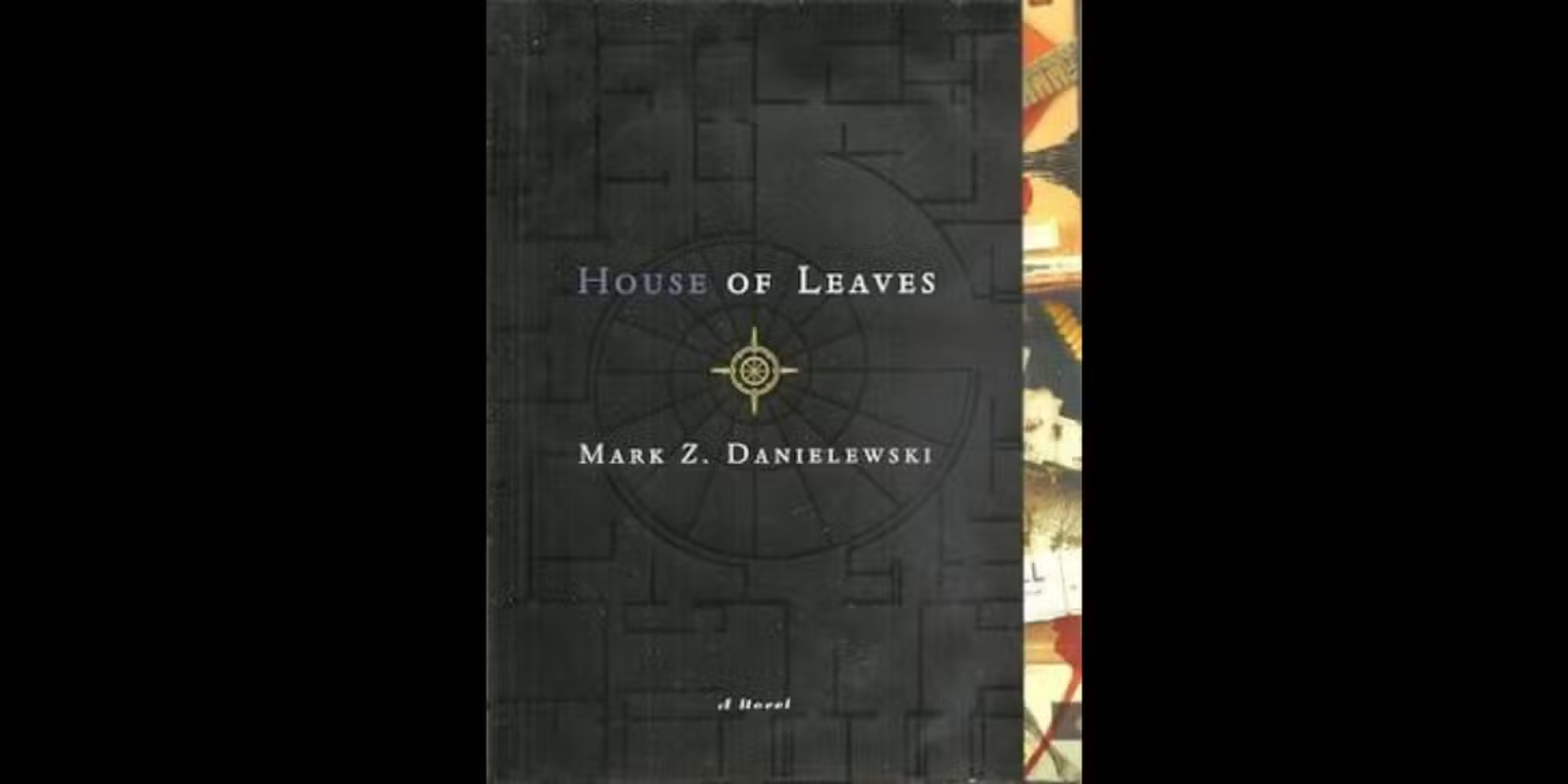
“This is not for you.” House of Leaves is an experimental horror-thriller with a cult following. In it, the character Johnny Truant discovers a manuscript written by a deceased man named Zampanò. The document analyzes a mysterious documentary called The Navidson Record, which supposedly depicts a family’s discovery that their house is larger on the inside than the outside. That impossible architectural detail becomes increasingly terrifying as hidden corridors, vast chambers, and apparently endless darkness emerge within the building.
The book is incredibly meta: texts within texts, commentaries on commentaries, fourth-wall breaks, footnotes, contradictory accounts, and, most memorably, some truly unusual typography. For example, at times the words are printed sideways, forcing the reader to physically rotate the book to read it. In other words, House of Leaves is a book that uses the medium of the written word exceptionally well, its narrative structure adding hugely to the creepiness.
4
‘London Falling’ (2026)

“Grief can function like a time machine.” This is actually a work of investigative journalism, but it delivers the suspense and unsettling atmosphere of a first-rate crime thriller. Here, Patrick Radden Keefe, the author of Say Nothing, examines the mysterious death of Zac Brettler, a 19-year-old from an ordinary middle-class background who fell from the balcony of an expensive London apartment into the River Thames in 2019. We slowly learn that Zac had become entangled with a shady assortment of wealthy businessmen and underworld figures.
More bizarrely, Zac had convinced these acquaintances that he was the fabulously rich heir of a Russian oligarch. From here, London Falling plays out as an intense, unpredictable thriller, but also an ensemble character study, a study of one family’s loss, and a damning profile of a city that seems to frequently place wealth and power over truth and justice.
3
‘Libra’ (1988)
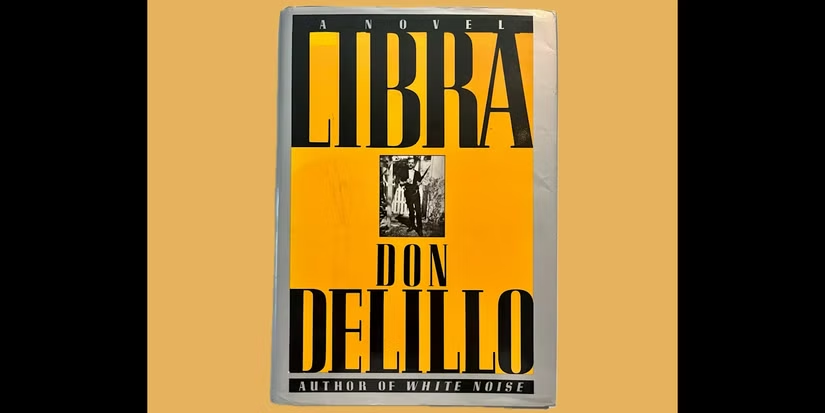
“There is a world inside the world.” Few events in American history have inspired as much speculation as the assassination of JFK, and Libra transforms that national trauma into an unsettling conspiracy thriller. The novel delves into Lee Harvey Oswald‘s troubled life alongside a fictional conspiracy involving disaffected CIA operatives who intend to stage an attack on Kennedy and blame it on Cuba. Author Don DeLillo, the brains behind classics like White Noise, handles this melding of fact and fiction with style and skill.
In particular, he’s interested in how history can emerge from the collision of enormous political forces and seemingly insignificant individual decisions. The resulting atmosphere is extraordinarily paranoid. Characters believe they’re manipulating events, but frequently discover that they’re merely participating in systems they barely understand. DeLillo’s dense, hypnotic prose intensifies that uncertainty, making even ordinary conversations feel loaded with hidden significance. And sometimes danger.
2
‘The Secret History’ (1992)
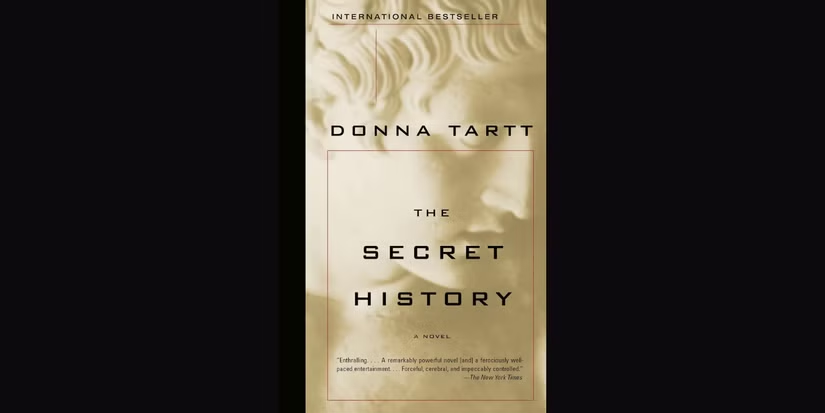
“Beauty is terror. Whatever we call beautiful, we quiver before it.” Most murder mysteries begin with a killing and spend the rest of the time identifying the culprit. The Secret History reveals its murderers almost immediately, then devotes hundreds of pages to explaining how a group of privileged university students reached the point of killing one of their closest friends. It’s an ingenious reversal of the genre’s usual structure. Rather than generating suspense through detective work, writer Donna Tartt draws it out of the protagonists’ psychological unraveling.
Plot-wise, the narrator, Richard Papen, arrives at an elite Vermont college and becomes fascinated by a small group of students studying ancient Greek under an eccentric professor. Their intelligence and apparent sophistication make them irresistible to Richard, but it eventually becomes clear that there’s vanity and cruelty beneath their glamorous exteriors. The tale becomes an atmospheric thriller as well as a piercing, character-driven drama.
1
‘Ripley’s Game’ (1974)
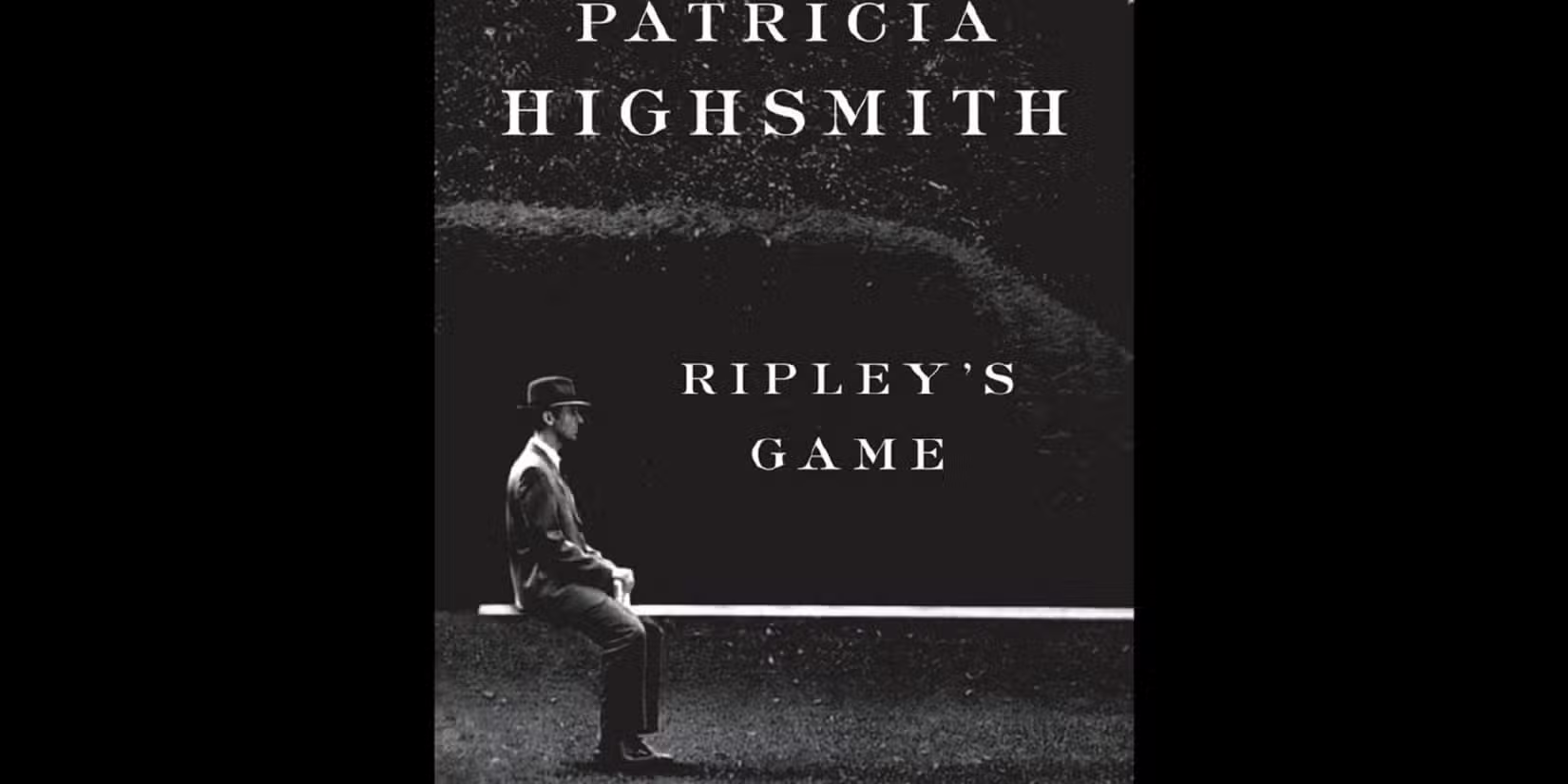
“I never wanted to kill anybody. I just wanted to live.” This is perhaps the very best of the Ripley books, and it served as the basis for the fantastic film adaptation The American Friend. In Ripley’s Game, the charming but morally empty protagonist is living in France, where he becomes involved in a criminal scheme after taking offense at a relatively minor social slight. Ripley’s response is grotesquely disproportionate: he helps manipulate Jonathan Trevanny, an ordinary English picture framer suffering from a serious illness, into committing murder.
It’s grim but compelling stuff. There is no reassuring moral universe in Ripley’s Game; the tension builds entirely from the fear that this fragile, chaotic web of lies and Mafia retaliation will collapse on both men. In the end, Patricia Highsmith‘s greatest achievement with this book is making readers simultaneously repulsed by Ripley and fascinated by his ingenuity.