
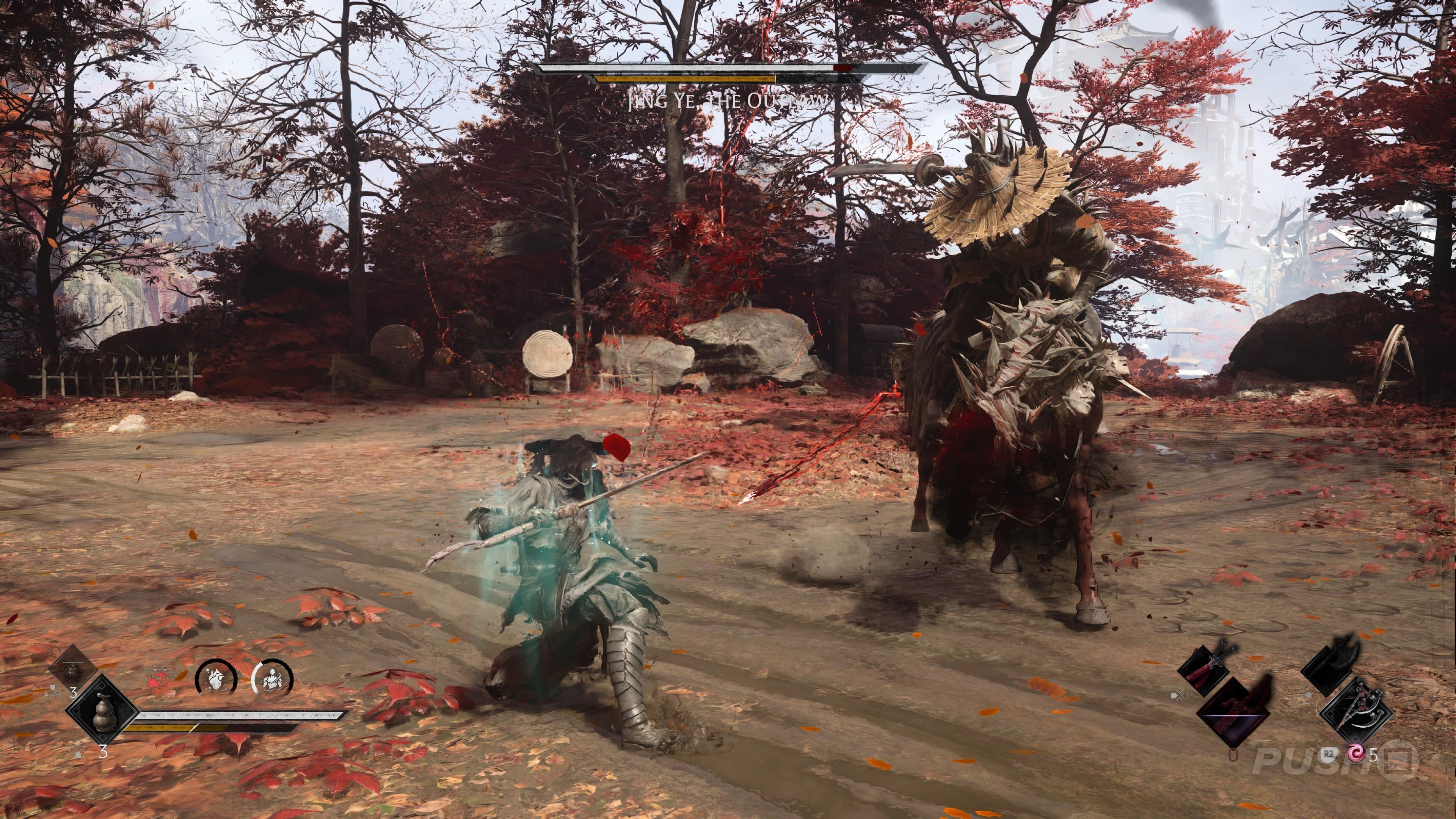
Should you ever wonder what it might feel like to be the coolest person on the planet, then Phantom Blade Zero is utterly hell-bent on fulfilling that fantasy.
The western debut from S-GAME makes a punchy, stylish, and deep combat system the nucleus of an adventure full of action and flair. It’s presented with a swagger that leans into pleasure, with an incredible game feel that lends every one of your moves an extreme degree of satisfaction.
It looks great to play; it feels great to play; it is great to play.
Poor storytelling threatens the fast-paced nature of the title through incessant flashbacks and tedious collectibles. However, Phantom Blade Zero comfortably comes out the other side one of the greatest and most gratifying action games on PS5.
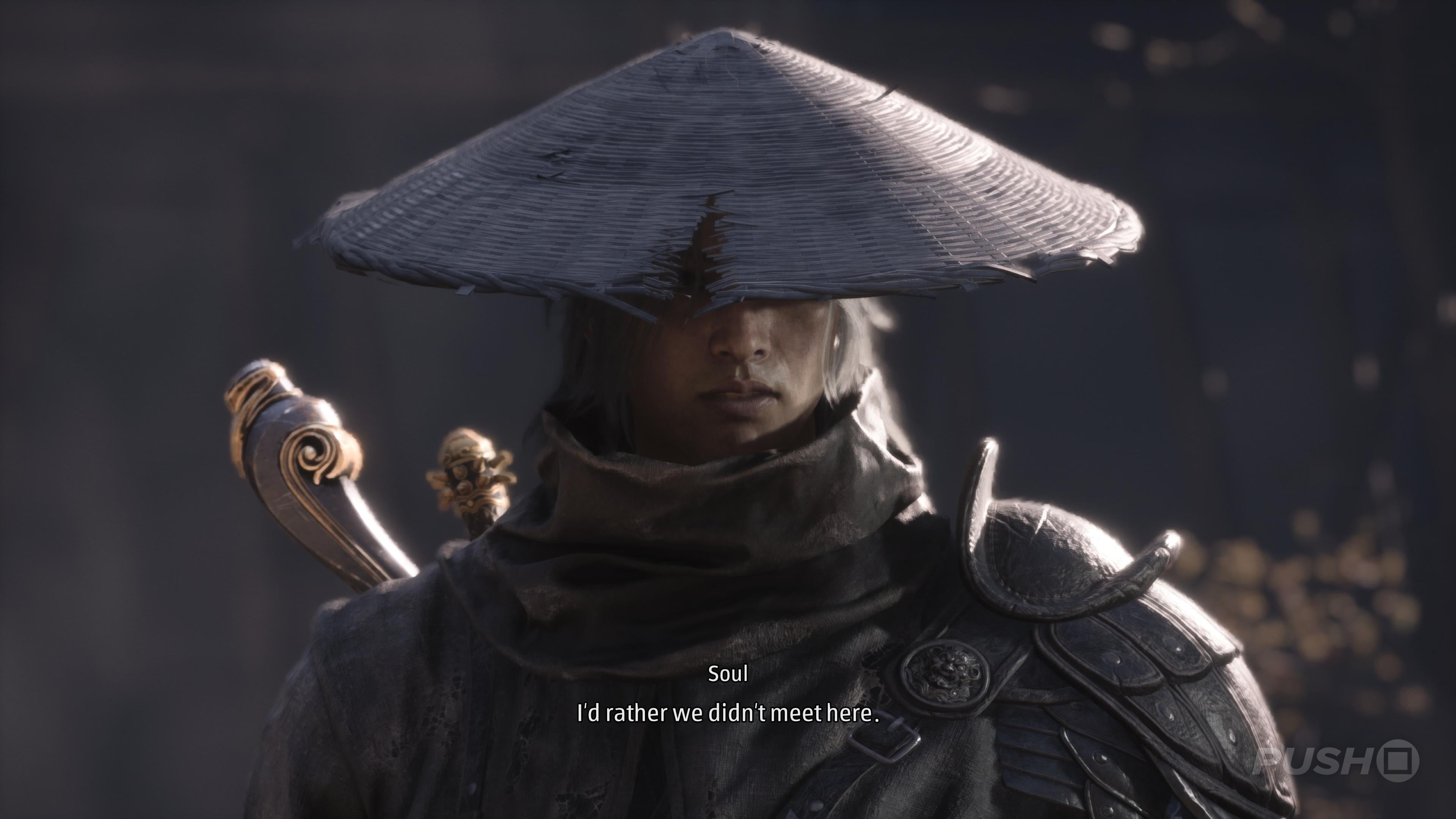
You play Soul, a warrior with 66 days left to live.
He’s struck a deal to replace his dead heart with a tainted one, having been framed for the murder of his clan leader. Hunted by members of the clan, Soul is forced on a quest across the Phantom World to fight for extra time and his reputation, with the promise of a cure at the end of it all.
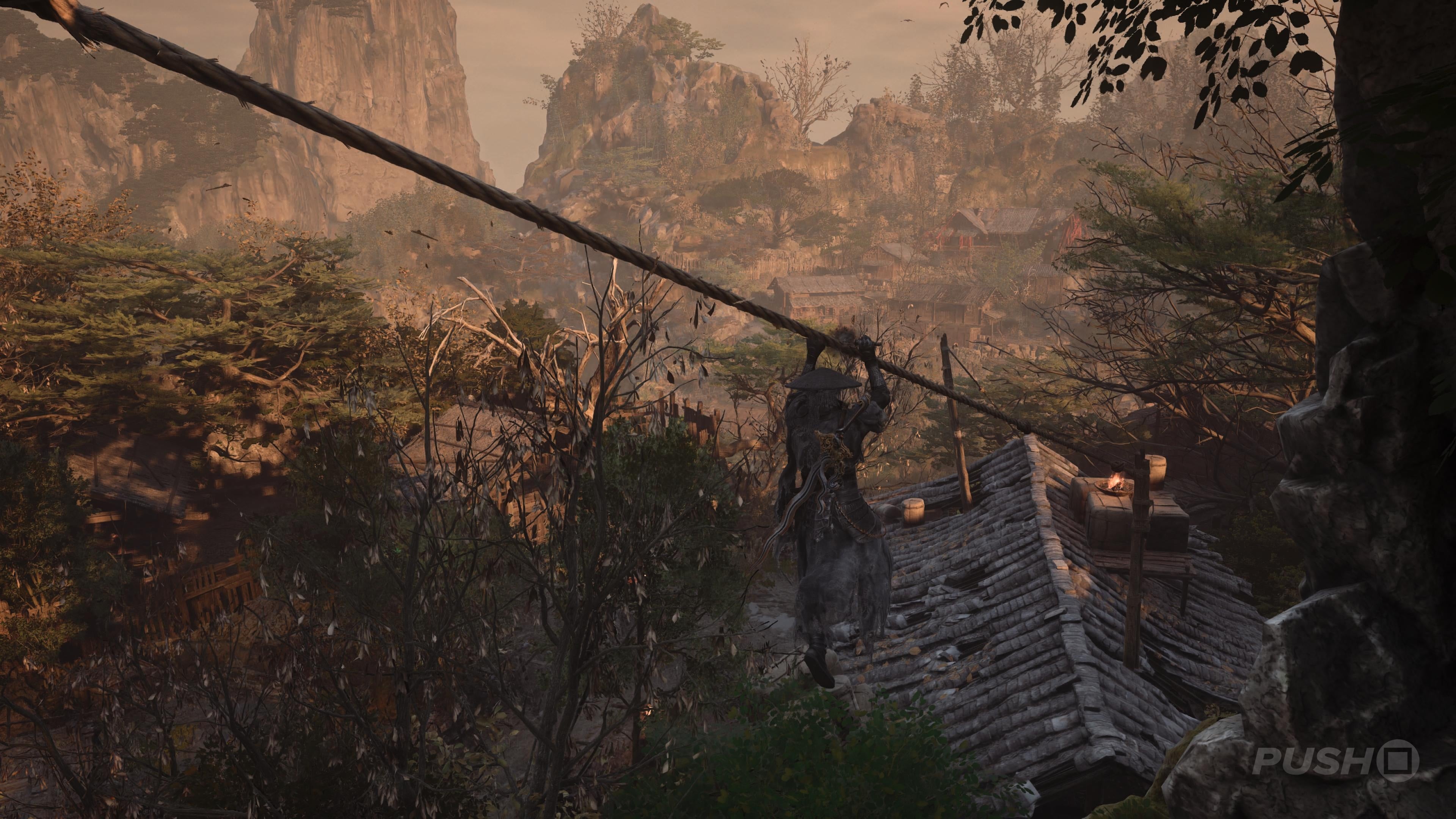
The game structures that journey around multiple maps, which become increasingly more open-ended as you progress. Optional quests, side streets, and hidden items flood the regions with additional pursuits, but they all come back to one thing: action, action, action.
Phantom Blade Zero features one of the most rewarding combat systems I’ve ever engaged with.
It bears some resemblance to the work of FromSoftware, yet its mechanics and functions are considerably more freeing. At its core, the title is indeed about attacking, blocking, dodging, and parrying. You chip away at enemy health bars and deflect their strikes to reduce a stamina gauge (known as Sha-Chi in-game) — standard procedure. It’s the way those inputs feel, though, that elevates the experience beyond anything I’ve played in years.
Your combat actions aren’t restricted by the limits of a stamina bar; rather, you’re handed the liberty to go wild with them. Normal attacks, dodging, and parrying don’t consume stamina. Continuously blocking and heavy attacks do, but the meter drains at a slow pace. Further, by calling upon the latter, you charge up a Power Surge ability that sparks a strong, unblockable combo.
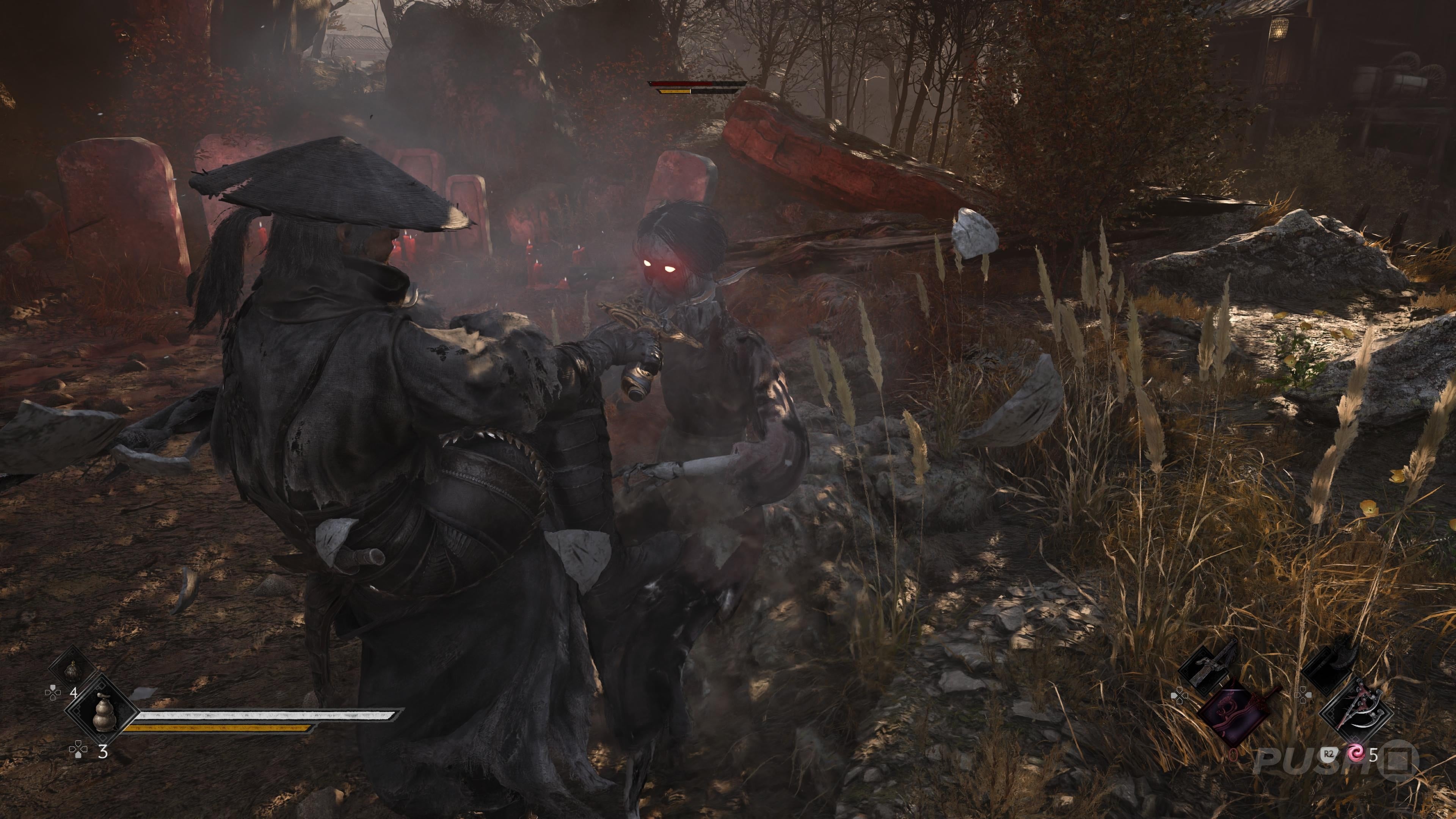
This sense of freedom, no longer having your moves dictated and governed by a stamina bar, is incredible. Every system feeds into the other; while it might look like you’re on the defensive one second, a well-timed parry or dodge opens up so many offensive capabilities. That’s all tied to your two primary weapons, and there’s a Phantom Edge on top.
A special type of armament with limited uses, Phantom Edges are the tools that turn the tide of battle in your favour. They can destroy shields, attack from range, lob fire, and so much more — they’re a tool of the more experimental kind that round out your arsenal and a change of pace from the usual swipes of your blade.
It’s one of those combat systems that moves more like a dance, as animations based on full motion capture see Soul and your enemies fly through the air and glide along the ground. With such fluidity, timing your parries and dodges correctly feels extraordinary in motion. Combos, meanwhile, strike with speed and grace.
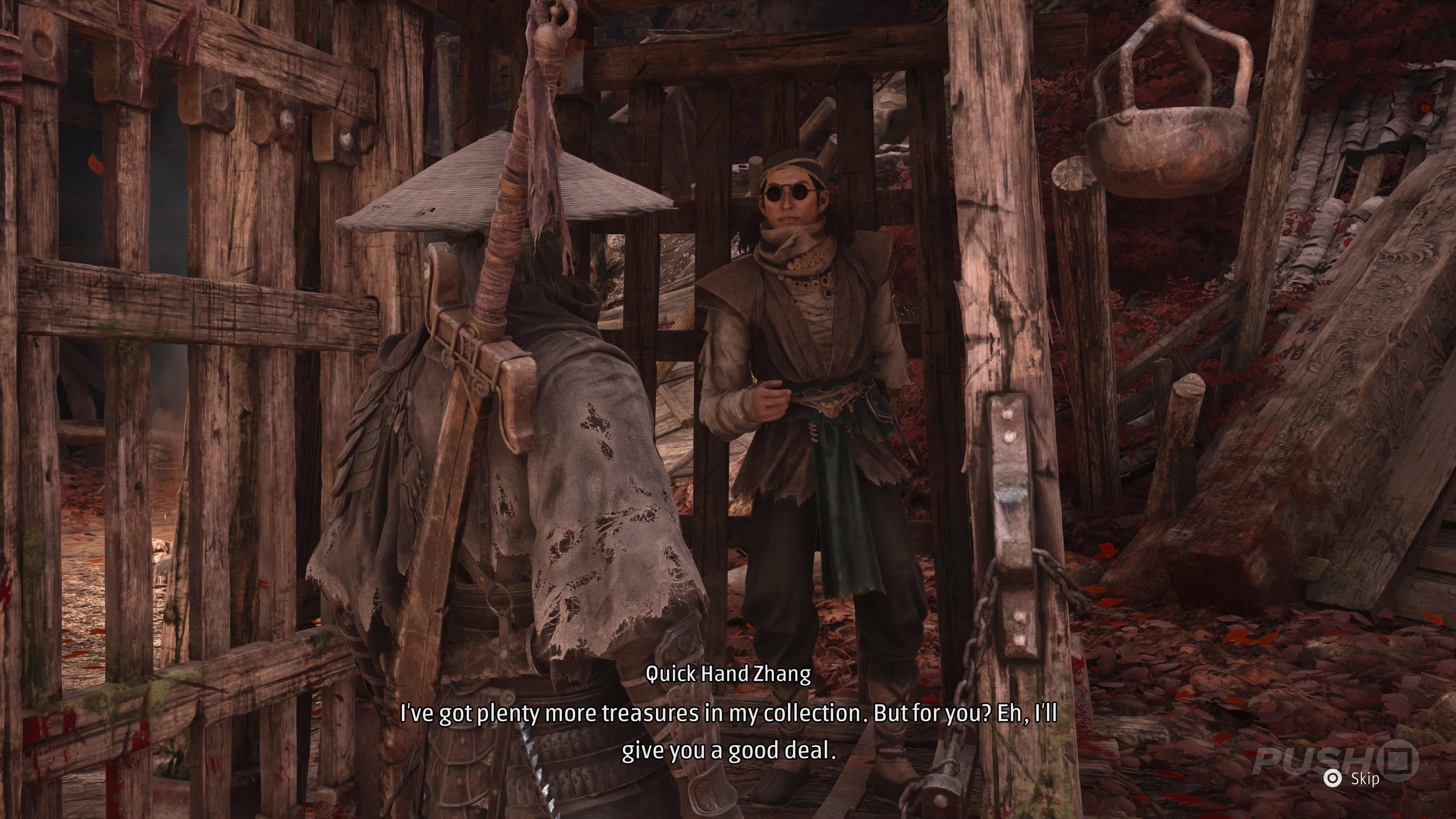
Phantom Blade Zero is simply a game that feels amazing to play. From the battles to the stealth, S-GAME has aced its controller inputs with the exact right weight, fluidity, and impact.
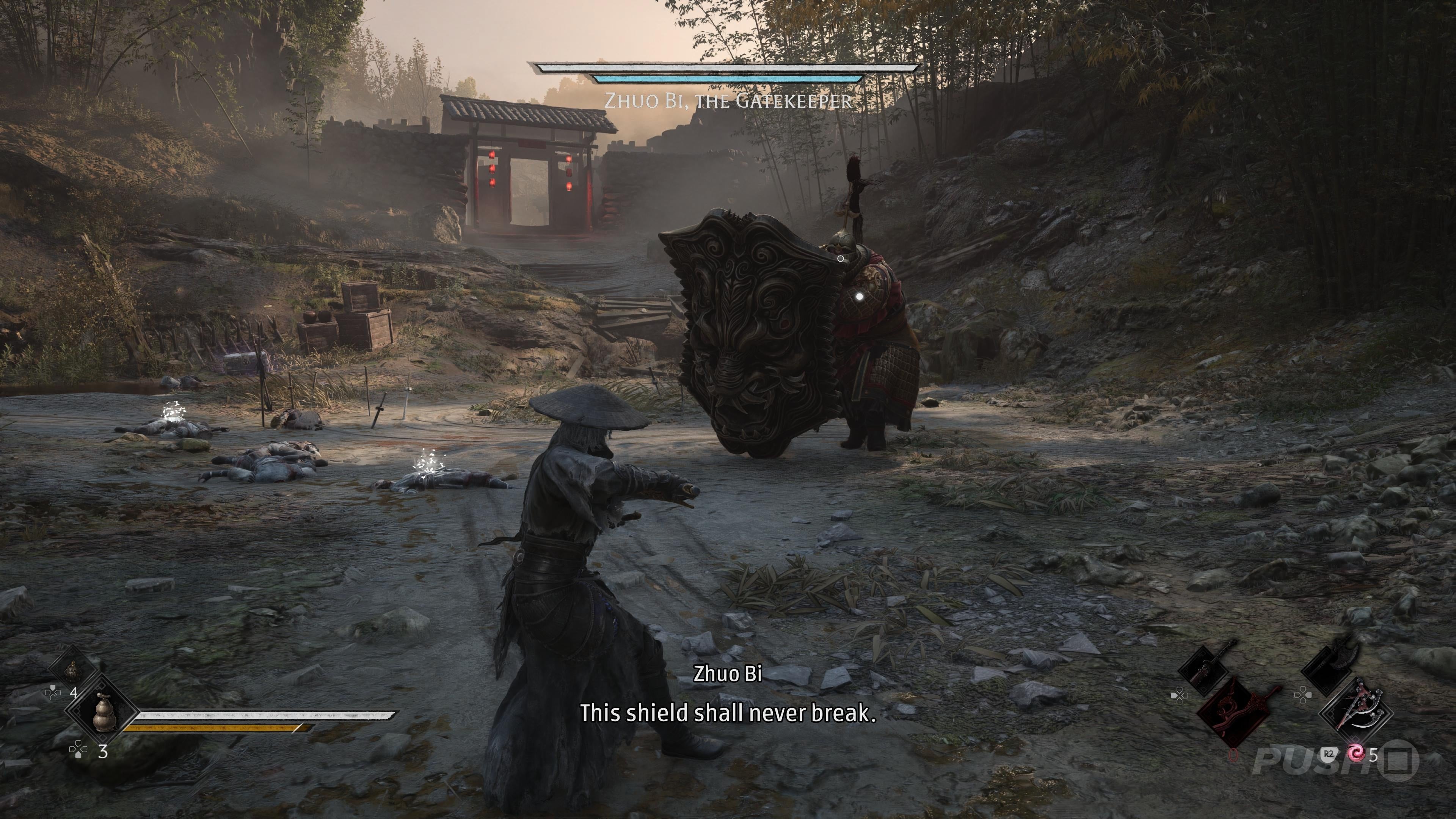
A vast assortment of bosses will test those button presses in more ways than sheer combat trials. It’s like the studio followed a rule internally when creating them all: you never just fight a guy with a sword. Every encounter, no matter whether it’s story-critical or attached to a side quest, has something unique going on.
Battles come with new elements, multiple phases, impressive attack sequences, other ways to damage, and more. This sort of variety enhances the identity of each environment — they stay unpredictable, with eccentric enemies that often don’t subscribe to the norms of their location.
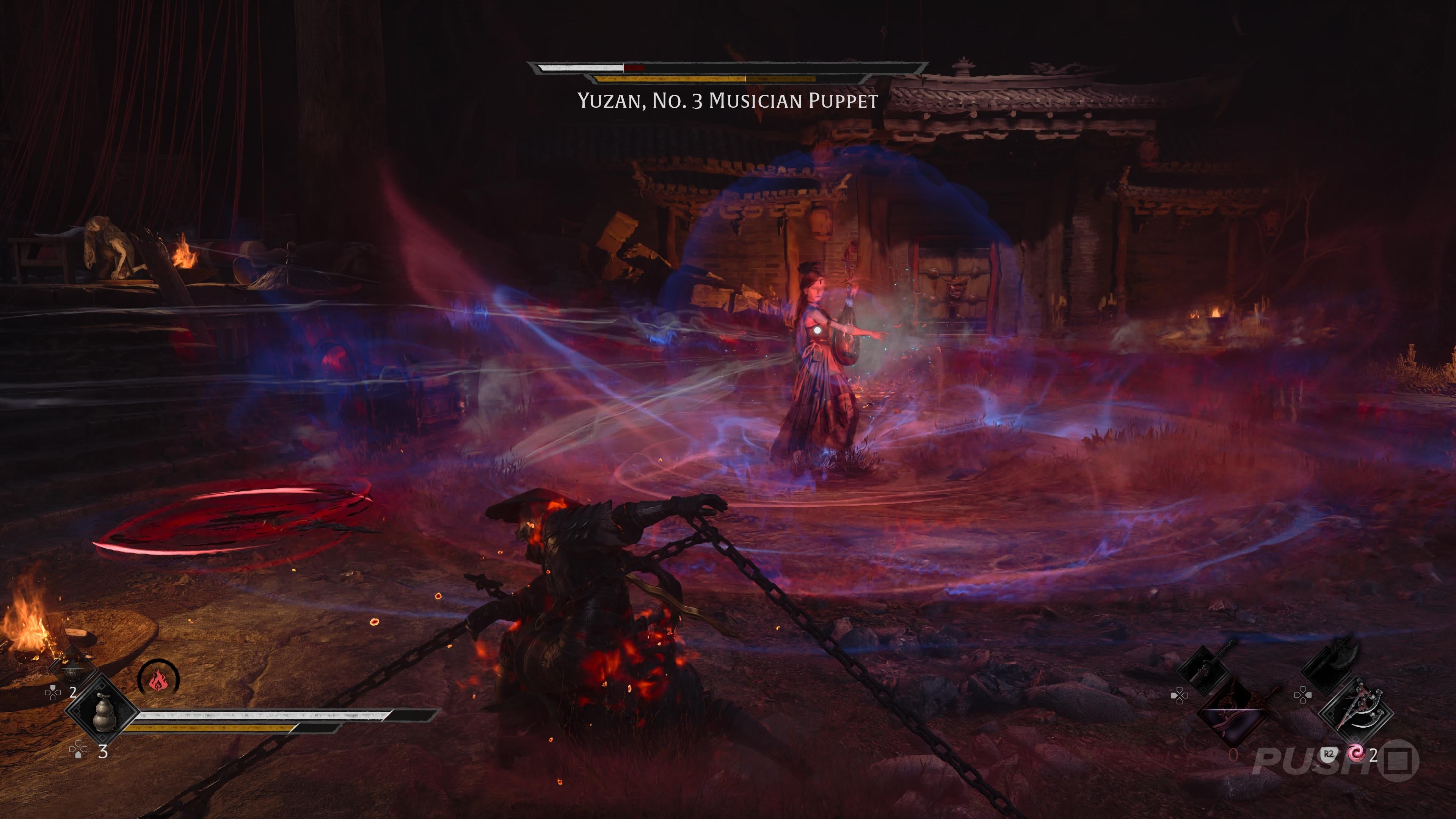
When you beat a boss, you often earn their weapon. One-handed, dual-wield, and two-handed are the three categories all the title’s weapons fall under, but each one is impressively distinct from the other.
Perks, abilities, and attack types can be exclusive to one blade, completely changing how you engage a monster should you change your build. The game encourages you to experiment with new weapons as you progress, as new challenges demand better equipment.
I’m one of those people who will usually find a loadout they like early on and then stick with it for the rest of the playthrough, rarely deviating from what I know. Phantom Blade Zero has broken that trend with compelling alternatives I had to wield for myself.
There’s no reason not to do that research into another weapon, either, because the game lets you refund all your currencies and materials and put them into upgrading a new one if you decide to switch. When they all feel so good to use, restricting yourself to just one dagger would do the game a disservice.
Having said all this, I wouldn’t be surprised if you’re under the assumption that Phantom Blade Zero is a Soulslike. It may have some of the hallmarks (or at least look like it does) of the genre, but it’s not.
Easy, normal, and hard difficulty options are in the pause menu, nothing is lost upon death, and the enemies don’t respawn. It’s still a challenging experience: you will be punished if you’re not paying attention, and the boss fights always present a challenge.
Although, the latter are never insurmountable. For virtually every encounter, I could see how I’d overcome the battle and leave victorious within a few attempts. They’re certainly tougher than any other typical action-adventure battles, but the campaign should prove quite a bit easier than a FromSoftware hurdle.
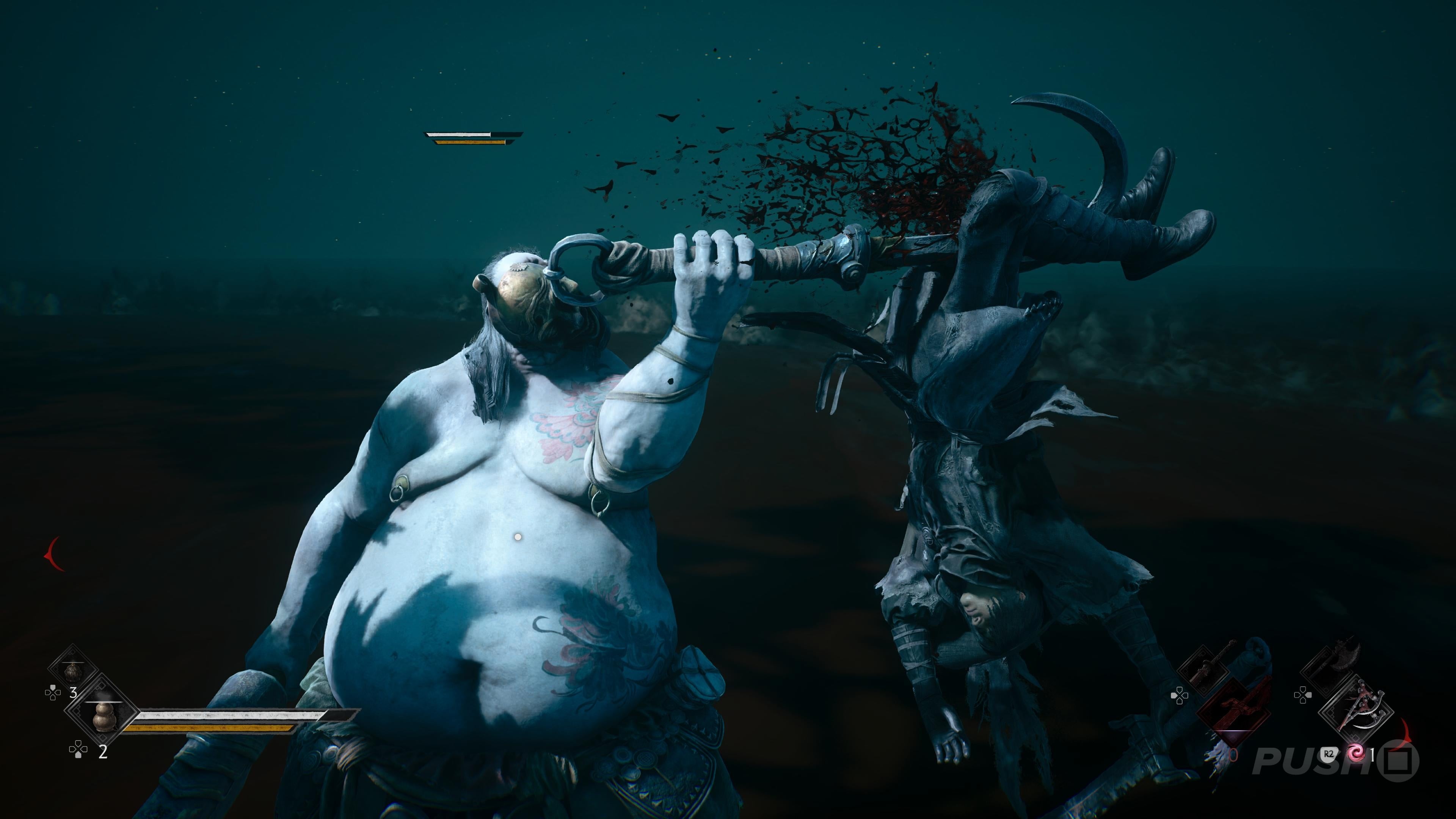
I did find it slightly odd how the enemies don’t respawn; the environments are completely deserted once you’ve cleared out a group of foes once. This makes backtracking for items you missed much easier, yet all the tension and danger is removed. I suppose it’s just a quirk of the title you have to get used to.
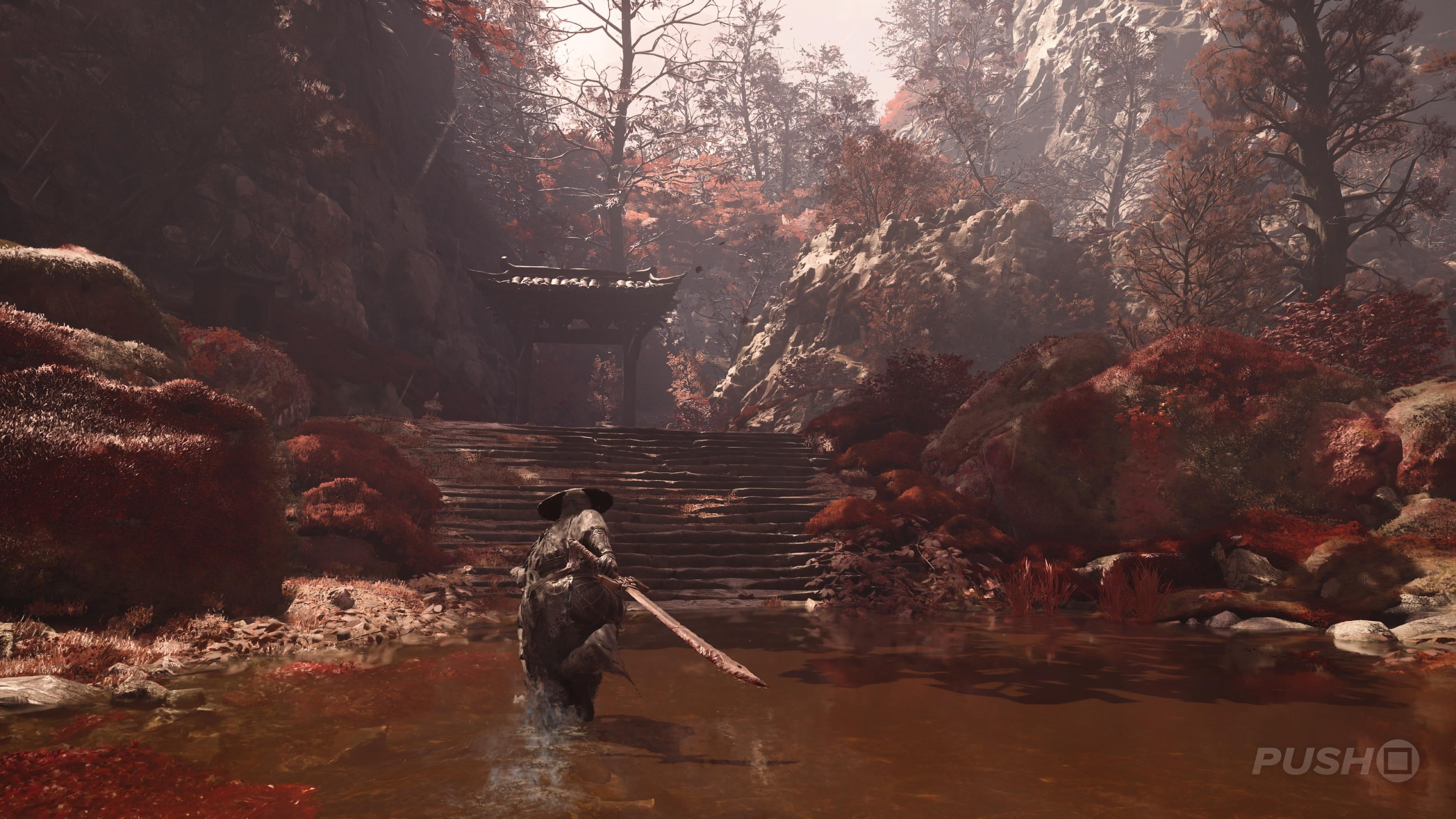
Stripped of enemies, many of those locations still manage to intrigue with eye-catching vistas and diverse aesthetics. Your playthrough spans multiple regions, each with its own map, that follow an open zone structure. There’s generally a single path from one main objective to the next, but off to the side are optional quests, secret pickups, and even completely missable regions.
The game even ships with some light Metroidvania elements. Phantom Edges can also be used to clear obstacles and reach new areas in the environment, previously inaccessible on your first run through a map. This makes returning to past zones to complete side quests much more fruitful: you can explore some new areas along the way and claim their rewards before returning to the main task.
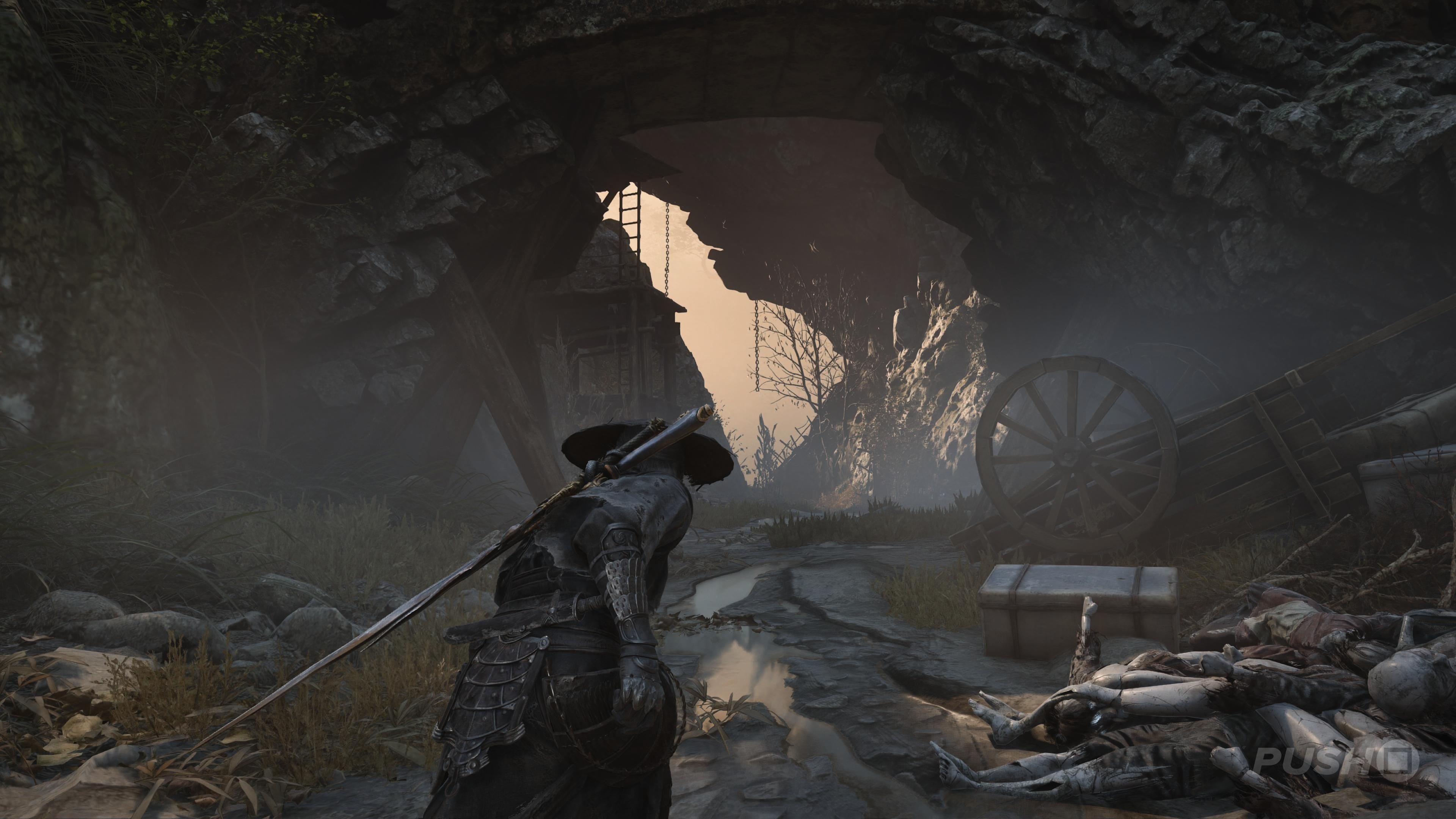
S-GAME has crafted all those regions around a north star it’s coined “Kungfupunk”.
This is a style it’s pitched as “Chinese tradition meets modern pop culture”, and I don’t think there’s any better representation of it than the opening region: you spend hours exploring a jungle, only to round a corner and be presented with a giant steampunk-esque tower made up of pipes and furnaces.
It’s an interesting blend of historical customs and modern tastes that lends the experience a personality and charm, with eye-opening scenes and vistas that mix the old with the new. The soundtrack also reflects the aesthetic, as calm Chinese tunes stand aside for rock and heavy metal songs during select boss encounters.
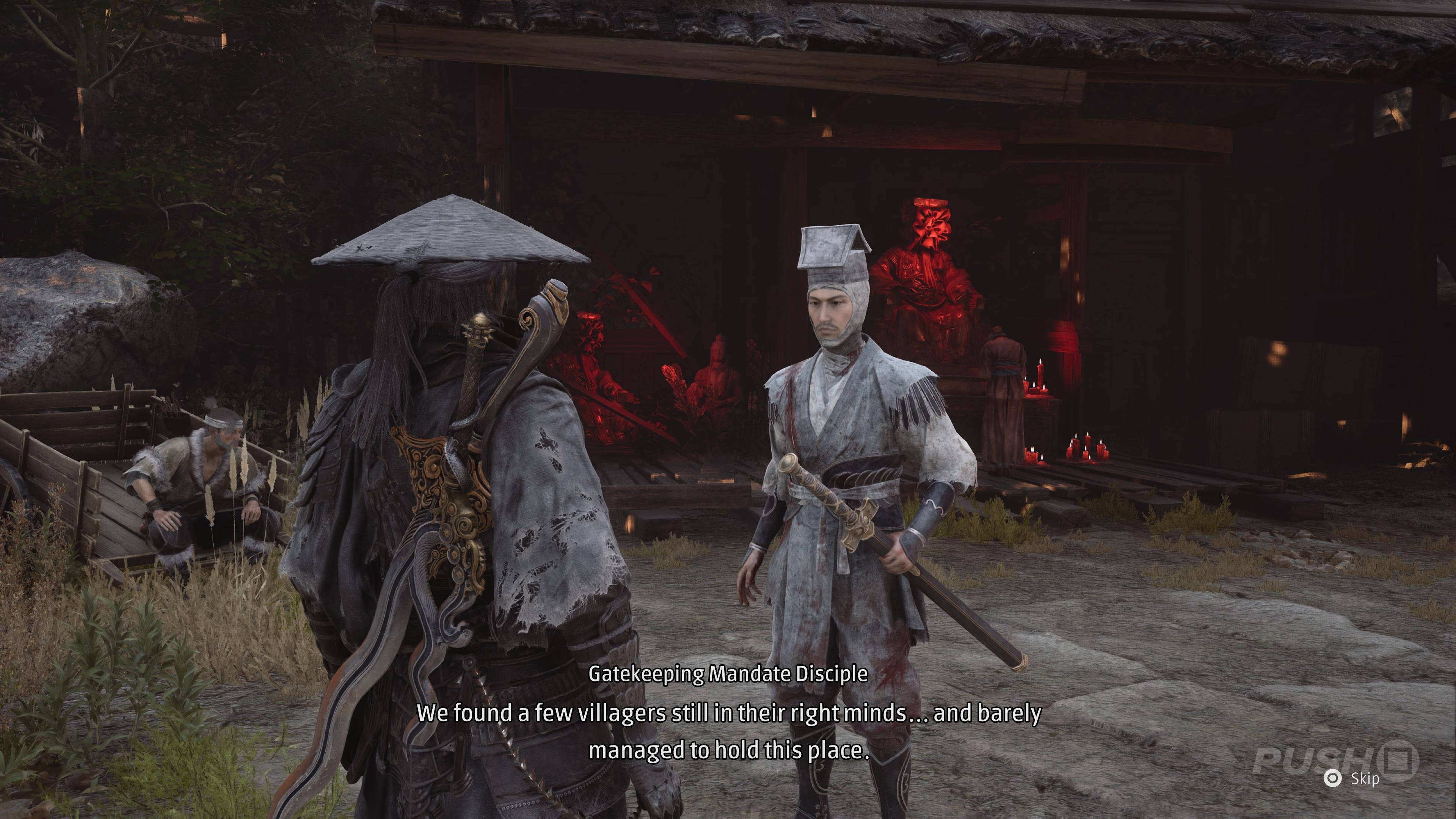
Phantom Blade Zero has everything going for it, then… except the story. It’s not a FromSoftware situation where you have to go looking for the plot; the title actually has too much of it.
The literal premise of Soul having just 66 days to live after being framed for the murder of his clan leader is really cool. However, the campaign uses the majority of its cutscenes to reveal the events before the betrayal took place.
In a vacuum, that’s no bad thing, but the way it presents those story beats is so confusing and sloppy.
A single stretch of flashbacks — without any gameplay to break them up — can jump between multiple time periods: this happened a few days ago, this happened two years ago, this happened a decade ago. None of the characters you meet from the past are given introductions, so I constantly felt like I was playing catch up and not understanding the context and conclusions of the scenes.
Since it’s so willing to go from one extreme to the next, I found it impossible to get a grasp of the timeline the game is working to. One cutscene will highlight something that happened a few days before Soul’s journey started, and then all of a sudden I’m in another vision of his childhood 20 years prior. It’s very, very poorly communicated.
Making matters worse is the extended storytelling can kill the pace of the game. Environments are absolutely littered with collectible books that span multiple paragraphs; they don’t provide anything other than further context, though, so you can skip them.
Flowers, on the other hand, are a type of collectible you do want to get because they increase your health. Having picked one up, you just have to listen to a 15-second monologue from a random character, and you can’t move while it’s playing.
Although it might have the rare highlight, what S-GAME attempted in the storytelling space doesn’t work on any level.
Everything else, at least, is on the opposite end of the scale.
The unique panoramas of the Kungfupunk style allow for some stunning visual scenes, especially — funnily enough — in the cutscenes. Moment-to-moment gameplay is a step below that graphical quality, but the game is often an eye-pleaser.
I played on a PS5 Pro in Performance Mode, with an additional ray tracing option toggled on. For the most part, it runs very smoothly at 60 frames-per-second, though frame rate drops do occur during certain boss battles. I also encountered audio issues, including blown-out sound effects and dialogue playing much quieter than the background music.
Such problems weren’t common, though, across a 25 to 30-hour playthrough of the main story content. If you wish to finish all the optional quests and collect all the weapons and upgrades, then expect a campaign closer to the 45-hour mark.
