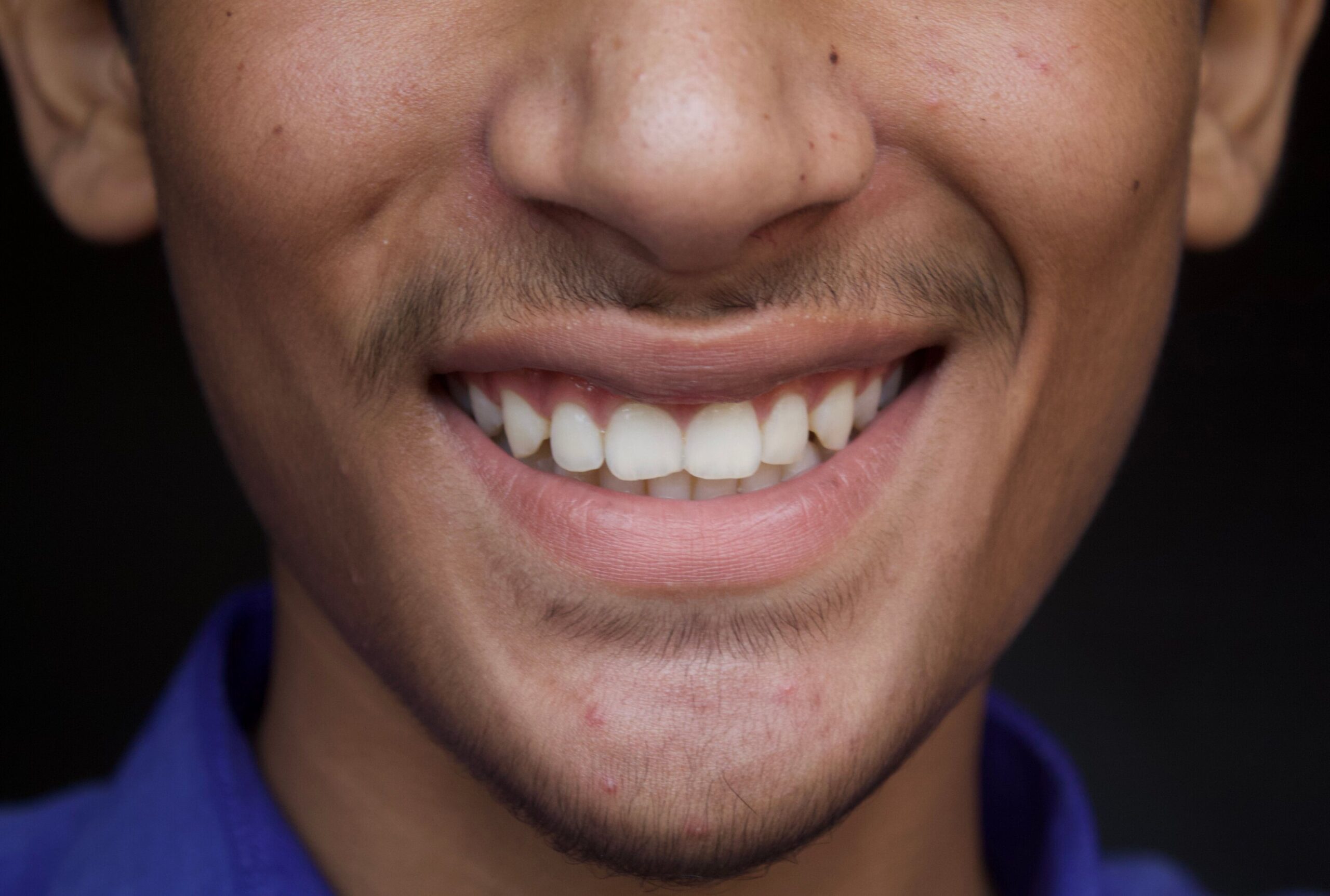
Rare variants in a gene involved in early development have been linked to a range of dental differences in people, including missing teeth, unusual tooth shapes and teeth present at birth. By studying changes in the same gene in mice and chickens, researchers have also uncovered clues to how differences in tooth number and shape evolved across species, including how birds may have lost their teeth.
The study, published in Proceedings of the National Academy of Sciences, was led by an international team of researchers including scientists from King’s College London. A variety of changes in tooth number, shape and size in 24 patients were linked to changes in a gene called C2CD3. Loss of C2CD3 in mice could mimic many of these dental changes, highlighting how this gene helps control tooth development in different species.
Abigail Tucker, professor of development and evolution at King’s College London, said, “This paper was a great team effort, combining analysis of patients with tooth defects with an understanding of the mechanisms leading to these defects in mice. It was exciting to see that, like the patients, the mice had both extra and missing teeth in different parts of the jaw.”
“This research will help us to understand why tooth defects occur, helping to refine treatments for those patients with complex dental problems.”
One gene, different effects across the jaw
C2CD3 helps build tiny structures inside cells called primary cilia, which act like antennae, allowing cells to receive and process signals that guide development. The researchers found that disrupting the gene altered the activity of a key developmental signaling pathway, called Sonic hedgehog (SHH), which helps determine where teeth form and how they develop.
In mice with disrupted C2CD3, SHH activity increased in parts of the developing upper jaw but decreased in the lower jaw. This provides a possible explanation for how changes to the same gene can lead to different outcomes, including additional teeth in some locations and missing teeth in others.
Clues to how birds lost their teeth
The research also offers clues to the evolutionary history of teeth. Although birds do not naturally have teeth, the researchers found tooth-like structures in embryos of the talpid2 chicken mutant, which carries a variant of C2CD3. These embryos can develop tooth-like structures, making them a useful model for investigating how the biological processes involved in tooth formation work. The embryos showed increased SHH activity in both the upper and lower jaws, suggesting that changing this developmental signaling system can influence the ability to form teeth.
The findings suggest that birds lost their teeth during evolution not because they lost all the biological machinery needed to grow them, but because the developmental processes that form teeth became switched off or suppressed.
The researchers say the study reveals how C2CD3 helps regulate tooth formation across vertebrate species, providing new insight into the biological processes behind rare dental abnormalities and the evolution of teeth.
Tucker, professor of development and evolution at King’s College London, said, “We were able to show that a change in C2CD3 function could have both tooth-enhancing and tooth-repressing effects dependent on the position in the jaw. So one gene could control very different dental outcomes. These findings help us understand what controls differences in our teeth, while also giving us a window into how tooth development changed over the course of vertebrate evolution.”
Publication details
Piranit Kantaputra et al., C2CD3 links tooth patterning to evolutionary tooth loss in birds and dental anomalies across vertebrates, Proceedings of the National Academy of Sciences (2026). DOI: 10.1073/pnas.2603057123.
Journal information:
Proceedings of the National Academy of Sciences
Clinical categories

Citation:
Rare gene variants linked to dental differences that shape our smiles (2026, October 26)
retrieved 26 October 2026
from https://medicalxpress.com/news/2026-10-rare-gene-variants-linked-dental.html
This document is subject to copyright. Apart from any fair dealing for the purpose of private study or research, no
part may be reproduced without the written permission. The content is provided for information purposes only.