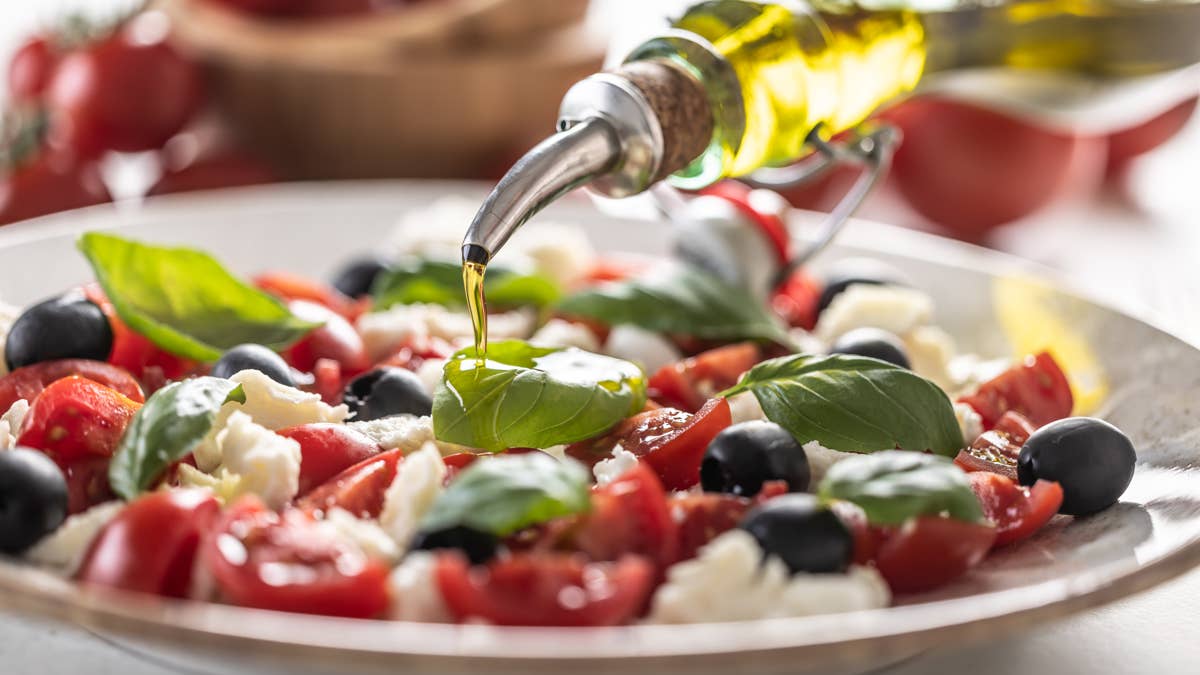
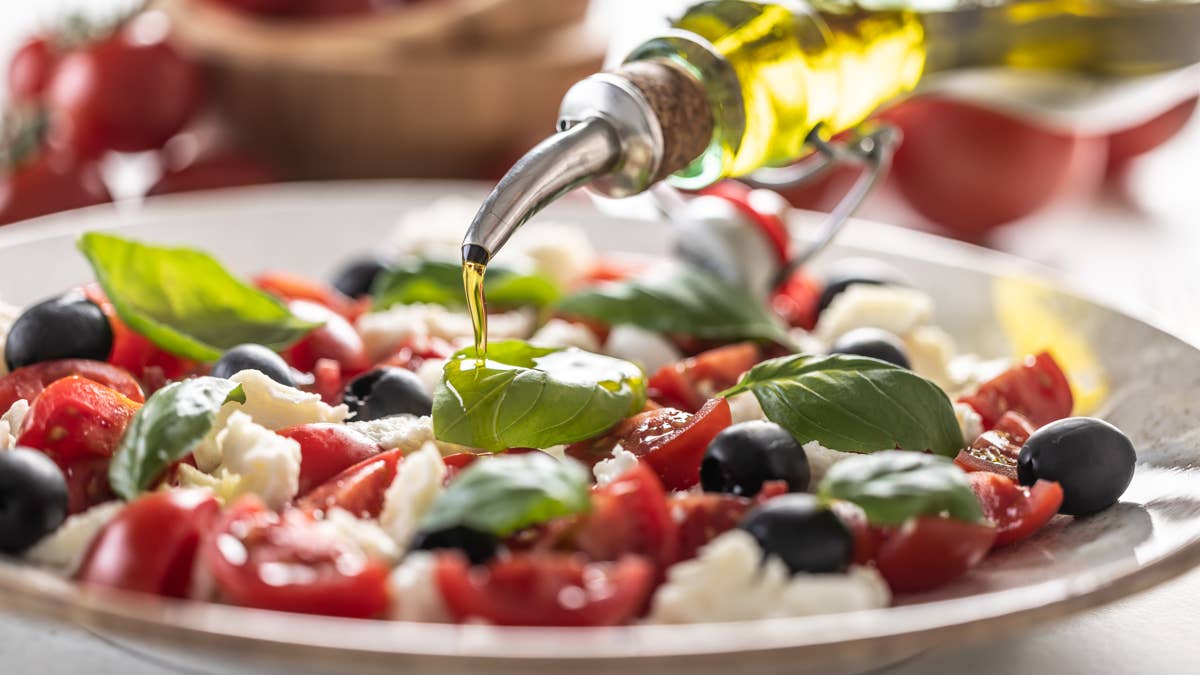
Scientists may have uncovered another reason the Mediterranean diet is associated with healthier aging. And four familiar dietary choices appear connected to the discovery.
In a University of Southern California study, older adults who followed the Mediterranean diet more closely had higher levels of two tiny proteins linked to cellular protection. Olive oil, fish, legumes, and eating less refined bread showed particularly interesting associations.
Related: Scientists Tested 10 Longevity Diets and One Finding Stood Out
Scientists Found Two Proteins Linked to Healthy Aging
Researchers examined blood samples from 49 older adults, averaging approximately 78 years old. Participants who followed the Mediterranean diet most closely had higher concentrations of humanin and SHMOOSE, two proteins produced from genetic instructions inside mitochondria.
Mitochondria generate cellular energy and help regulate processes involved in aging.
“These microproteins may act as molecular messengers that translate what we eat into how our cells function and age,” said Roberto Vicinanza, MD, PhD, a USC gerontology researcher, in a university news release.
Both proteins have attracted scientific interest because of their possible connections to cardiovascular and neurological health.
Related: Older Adults Ate Walnuts Every Day for 2 Years, and Researchers Found One Key Change
Related: Older Adults Ate Blueberries for 3 Months, Revealing a Surprising Benefit
Four Dietary Choices Stood Out
The researchers found higher humanin levels among participants consuming at least one tablespoon of olive oil daily, three servings of fish weekly, or two servings of legumes weekly.
Higher SHMOOSE levels were associated with olive oil consumption and eating less than one serving of white bread daily.
Humanin also showed an inverse relationship with markers of oxidative stress, a process associated with cellular damage.
“This could represent a new cardioprotective mechanism of the Mediterranean diet,” Vicinanza explained in the university release.
Related: Scientists Found a Whole-Grain ‘Sweet Spot’ for Better Heart Health
Related: Longevity Experts Say This Diet Habit Could Be More Powerful Than Counting Calories
What the Findings Mean for Your Diet
The findings are intriguing, but they don’t prove that these foods increase protective proteins or prevent Alzheimer’s disease and heart disease.
The study was small, observational, and limited to older adults with atrial fibrillation. Larger controlled trials must establish whether changing dietary habits actually changes these proteins and improves health.
For now, the practical takeaway is familiar: Build meals around vegetables, legumes, fish, whole grains, and olive oil while limiting refined carbohydrates.
The Mediterranean diet doesn’t promise to stop aging. But researchers may be getting closer to understanding how everyday food choices influence the biology behind it.
Related: Scientists Tested 10 Longevity Diets and One Finding Stood Out
Related: Your Gut May Hold a Surprising Clue to How Fast Your Brain Is Aging