There are several reasons that getting enough calories and nutrients can be difficult with SCD, says Nirmish Shah, MD, a hematologist and associate professor of medicine at Duke University School of Medicine in Durham, North Carolina.
He lists a few of them:
- Reduced appetite
- Feeling full quickly
- Trouble absorbing nutrients
- Energy needs that outpace what you eat
- Eating less during illness and pain crises
- Food insecurity
- Pain medications, which can cause constipation and reduce appetite
“Diet can correct deficiencies and support growth and immunity, which matters because deficiency states do seem to track with disease severity,” says Dr. Shah. But there’s no evidence from clinical trials that any particular way of eating reduces pain crises, and food is never a substitute for the treatments your care team prescribes, such as hydroxyurea, blood transfusions, folic acid, penicillin, and vaccines, he says.
There are no trials testing specific foods for sickle cell disease, so food recommendations are simply based on the nutrients that they provide, says Shah.
“The basic idea is that oxidative stress causes sickling and vaso-occlusive crisis, the medical term for a pain crisis, when sickled red blood cells block blood flow in small blood vessels and cause episodes of severe pain. Vitamins A, C, and E are low in SCD, so eating foods that are high in antioxidants and folate makes sense,” he says.
Shah also emphasizes the need for protein to his patients. Falling short on protein and calories can make the disease worse, he says.
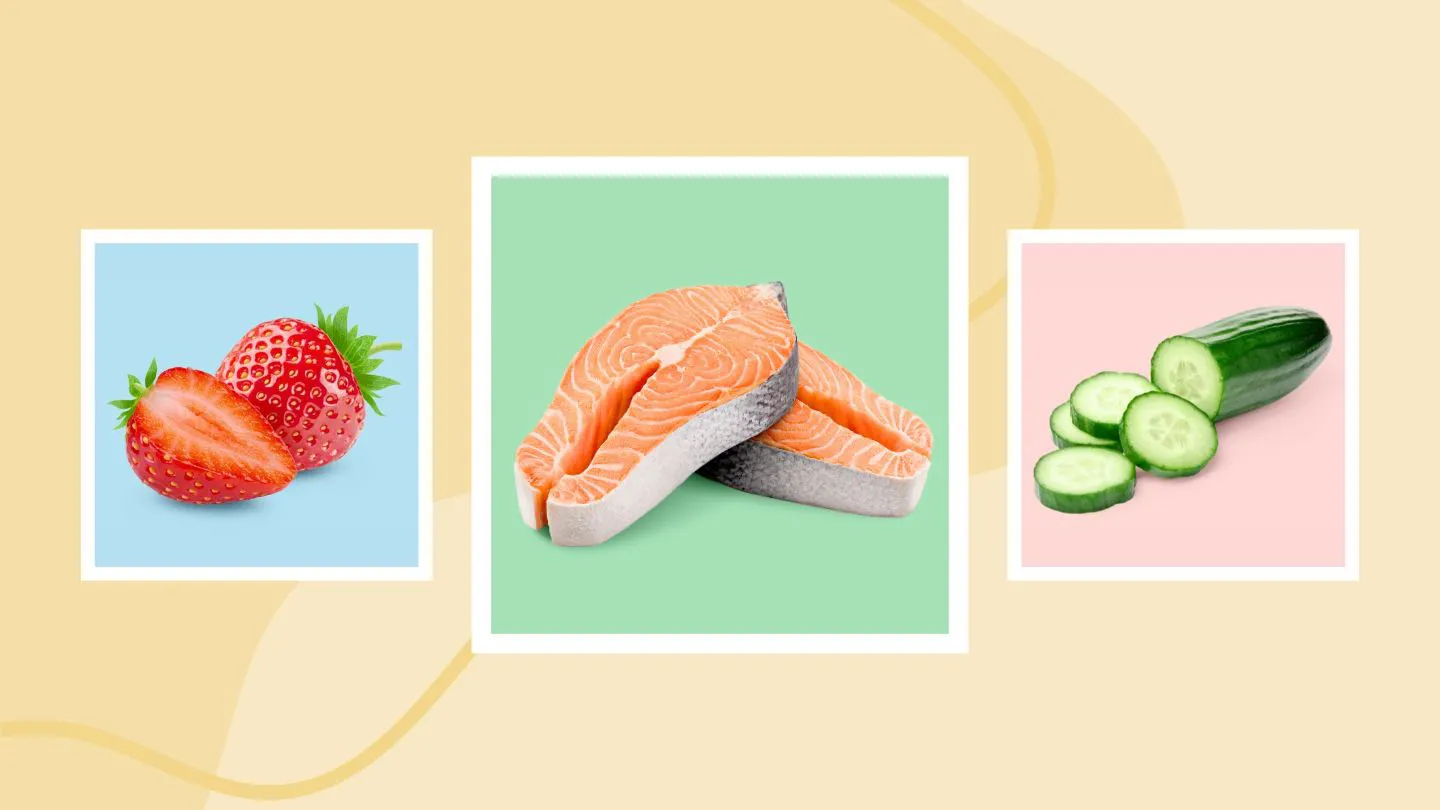
These nine foods are rich in the protein, antioxidants, vitamins, minerals, and fluids that can help fill the gaps.