The Panigale has always been Ducati’s poster bike, and it sits at the top of nearly every rider’s wishlist. Owning one, however, has never been simple. The sportier V4 is built purely for the racetrack, which opens the door for the V2 to serve as the gateway into the Panigale world. And while Ducati says the latest V2 is friendlier on the street, it still carries plenty of racing DNA.
No wonder more riders are rethinking the equation. They want bragging rights, a sensible price tag, and speed they can actually enjoy. Thankfully, one mid-weight sports bike delivers all of that, pairing track-ready agility with real-world thrills, and on the roads most of us ride, it’s simply more fun.
The Panigale Delivers Fun But Charges A Premium
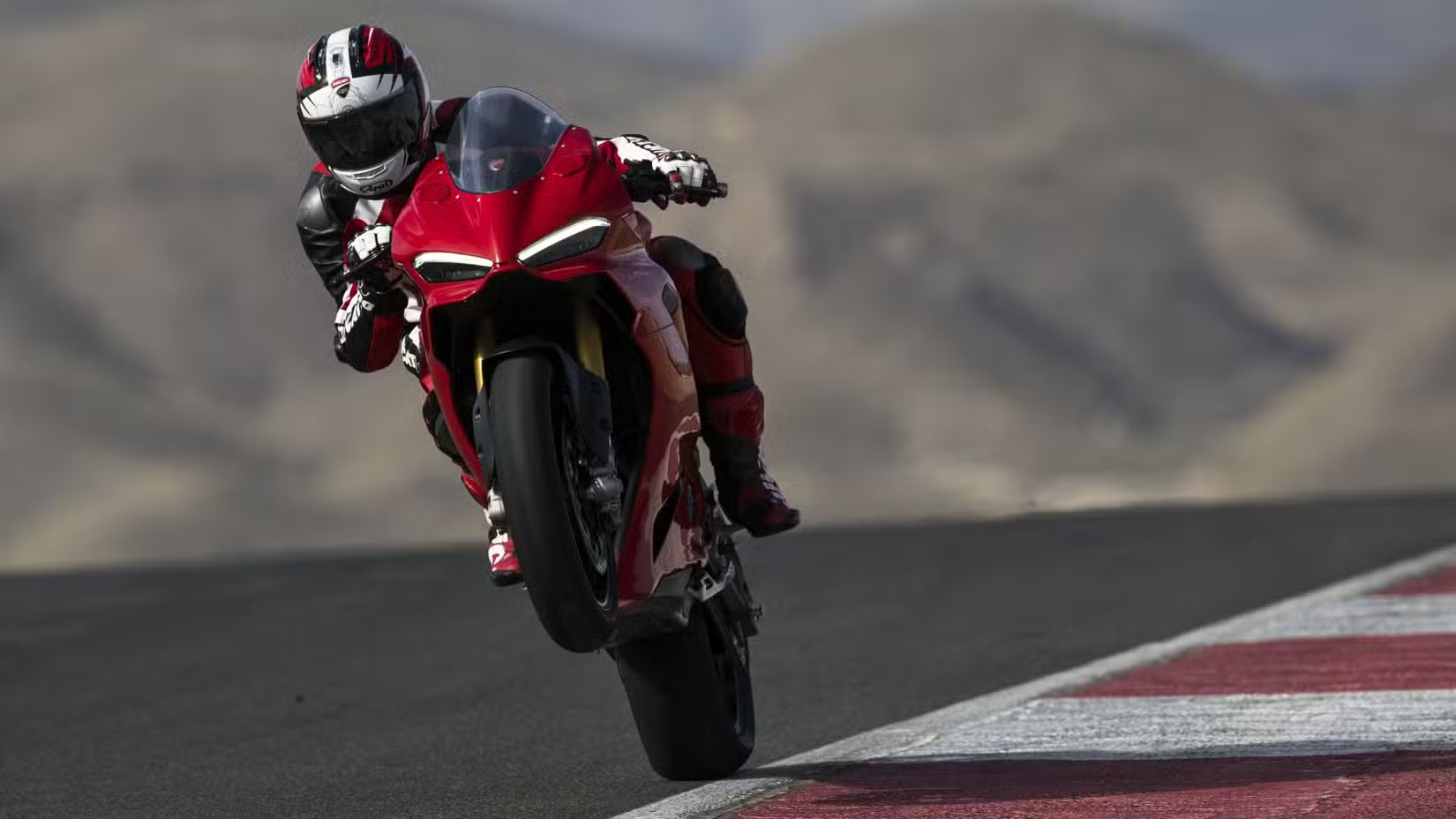
There’s no denying that swinging a leg over a Ducati Panigale is an event. The sculpted bodywork, the sharp nose, and the badge on the tank make every ride feel special before the engine even fires. Ducati also knows that the racing edge isn’t for everyone, and the latest V2 is its answer. For 2025, the V2 was built as a standalone middleweight that puts street usability alongside track agility. That street focus shows up in the details. Ducati says the new engine is better suited to road riding, and this is also the lightest Panigale ever.
The premium, however, hasn’t gone anywhere. The Panigale V2 in Ducati Red costs $16,995, while the sportier V2 S costs $19,995 in red and $20,995 in yellow. Despite all the street-friendly changes, a big share of that money still pays for the badge, the design, and track ability that only fully comes alive at a circuit.
Japan Has Cheaper Alternatives, But The Real Attack Comes From Austria

If the Panigale’s price tag stings, Japan has long been the go-to answer. Yamaha’s R9 is priced from $12,499, with an 890cc engine and a 430-pound wet weight, and its triple is flexible and full of character, which suits the road well. Kawasaki’s Ninja ZX-6R goes cheaper still, at $11,599 without ABS or $12,599 with it. The savings come with trade-offs, though.
The ZX-6R’s high-revving inline four is thrilling on track, but it’s hard work on a tight backroad. The R9 is the more rounded package, but neither Japanese bike offers the premium hardware, boutique feel, or European flair. That leaves a clear gap between Japanese value and Italian prestige, and Austria has stepped right into it. Its challenger brings more usable torque, top-shelf suspension, and genuine track capability, at a much more accessible price.
The KTM 990 RC R Brings More Fun Without Ducati Money
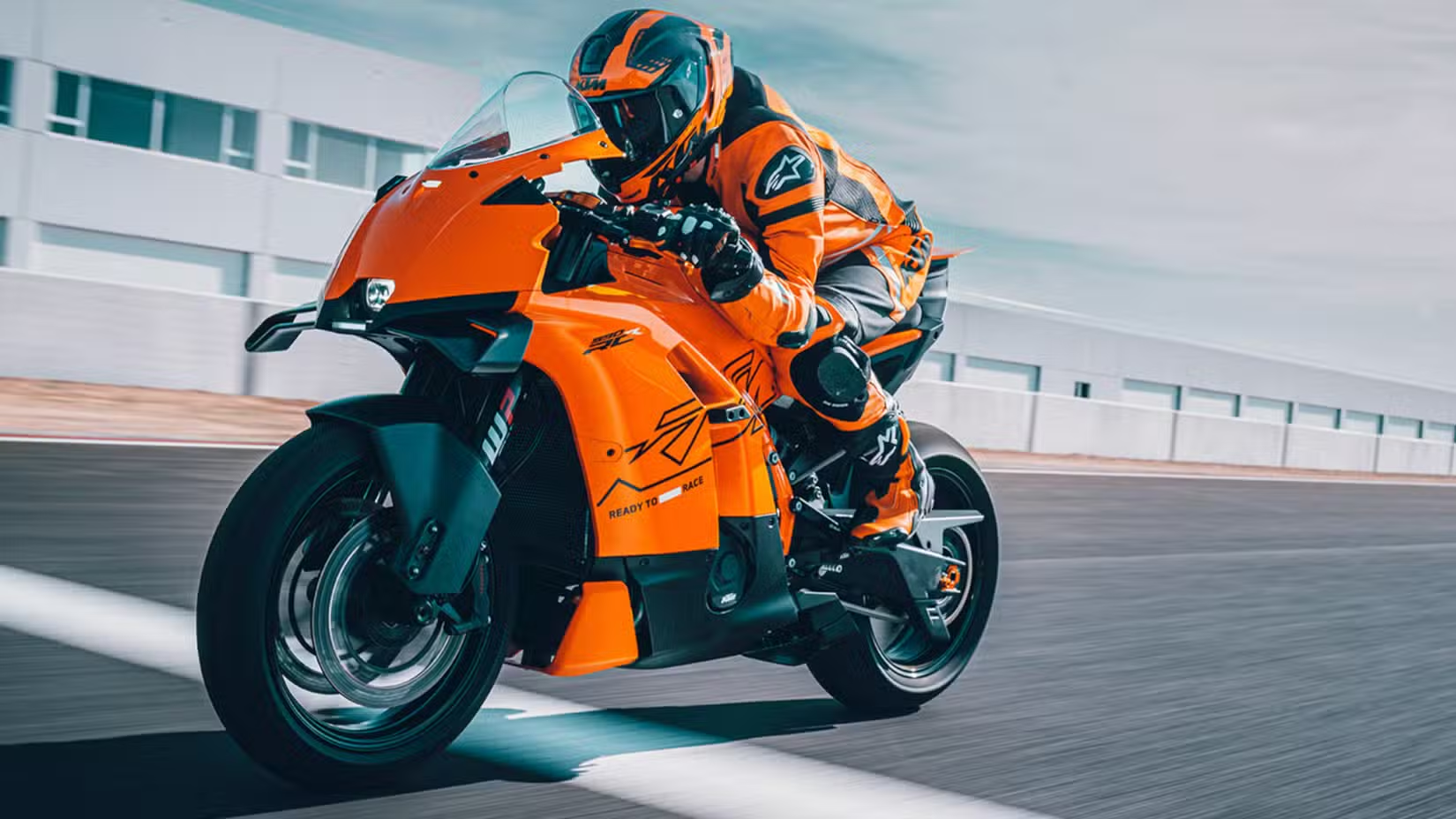
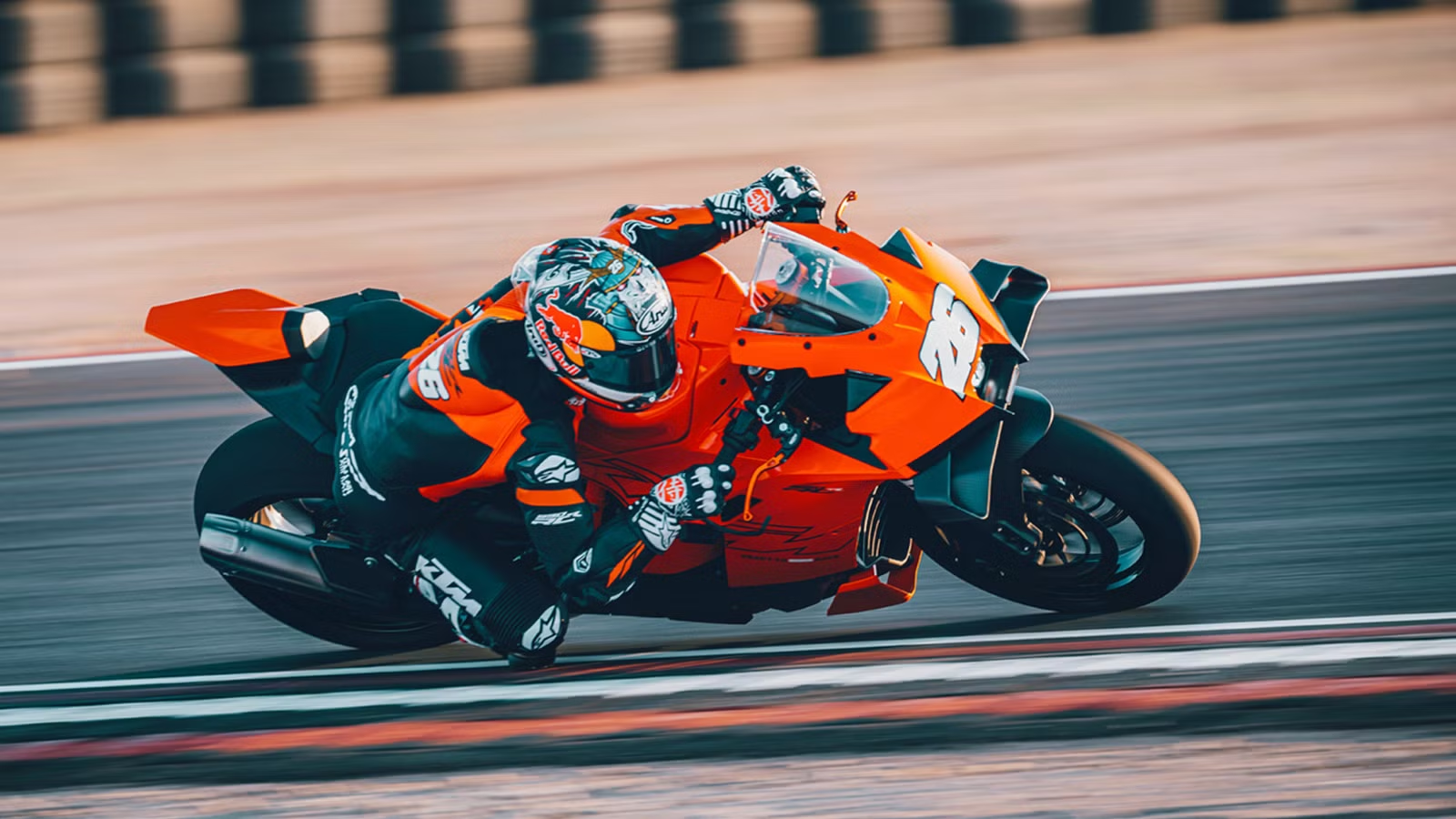
That Austrian challenger is the KTM 990 RC R, and it marks a big move from the orange brand. It’s KTM’s first large-capacity sport bike since the RC8. This time, KTM isn’t trying to win the horsepower war. It’s aimed at riders who want a proper sports bike for the roads they actually ride. What makes the RC R interesting is how the whole package is tuned. It still has KTM’s trademark aggression, but it’s aimed at the places most riders actually use it.
The real gap opens up on the price tag. The 2027 KTM 990 RC R starts at $13,949, which is $3,046 less than a base Panigale V2 at $16,995 and $6,046 less than the V2 S in red. You don’t have massive catches, either. The biggest one is that Ducati comes with its quick shifter as standard, while the KTM’s costs extra. KTM’s Tech Pack adds around $900 and unlocks most of the bike’s software and electronic features. Alternatively, you can add just the quick shifter for $350 or cruise control for $280.
KTM’s Twin Out-Muscles The Panigale V2 Where It Counts
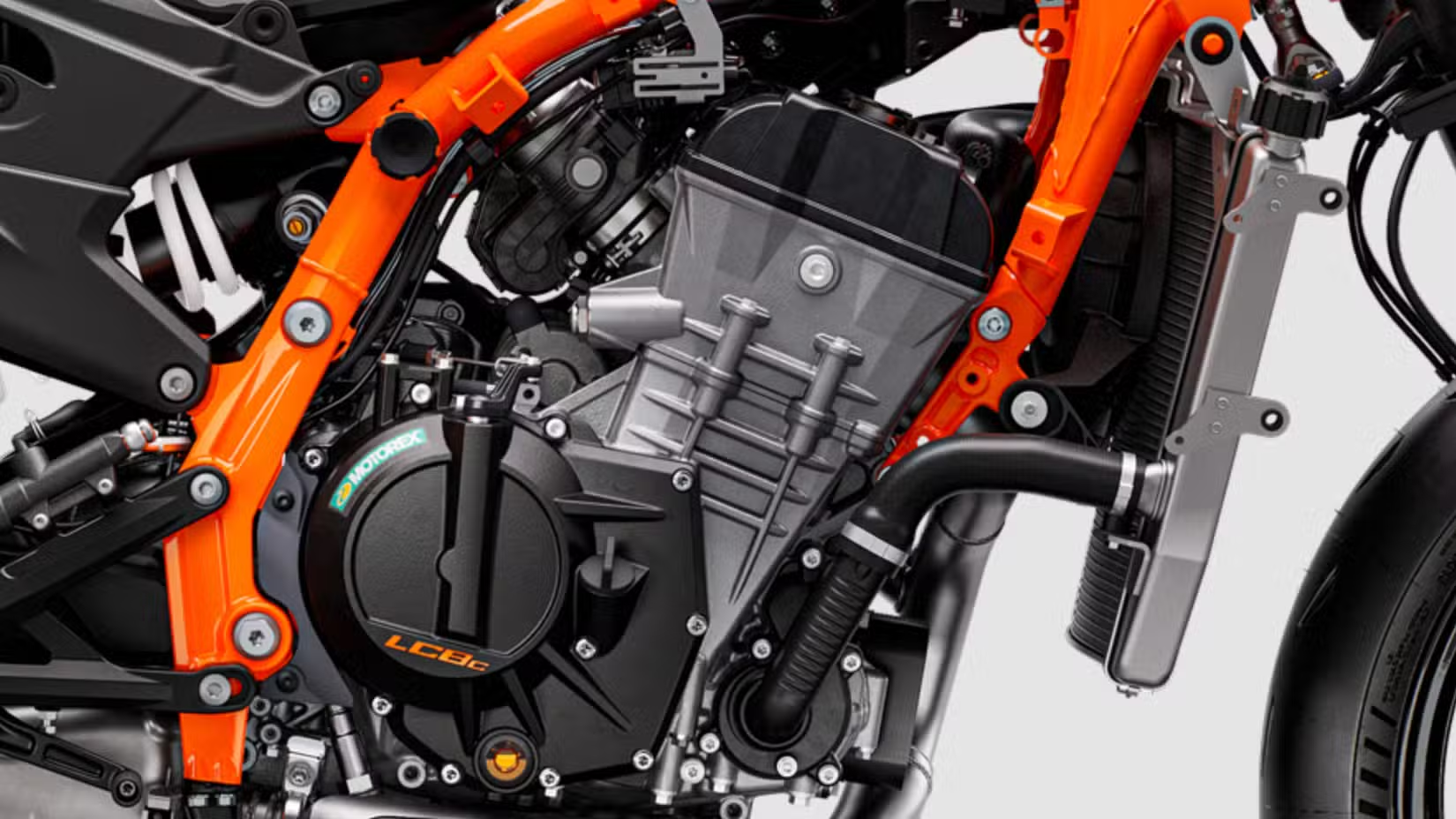
At the heart of the RC R is a 947cc parallel-twin engine that makes 128 horsepower at 9,500 rpm and 76 pound-feet of torque at 6,750 rpm. By comparison, Panigale V2’s 890cc V-twin makes 120 horsepower at 10,750 rpm and 69 pound-feet of torque at 8,250 rpm. On paper, the KTM has a modest edge in peak power and a more meaningful one in torque, which also arrives 1,500 rpm sooner. In addition, KTM says the bike weighs 430 pounds ready to ride, which gives it a strong power-to-weight ratio for real-world riding.
Yet It Can Rip On The Track
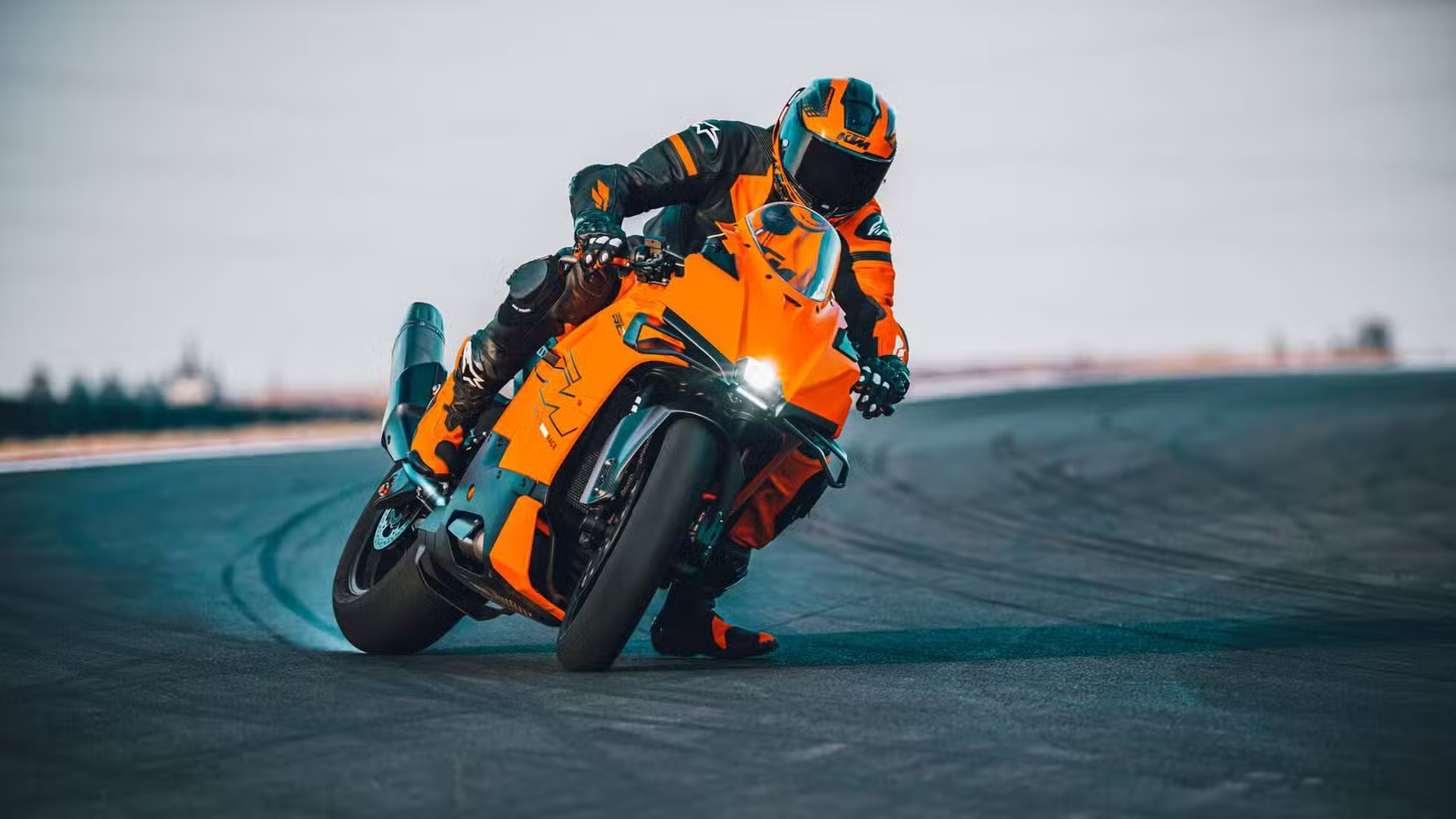
That midrange muscle doesn’t mean the RC R runs out of breath when the road opens up. Its homologated top speed is 149 mph, far beyond anything you’d use on a public road. That duality is the whole point. Push the tachometer toward its top end on a track day, and the RC R feels like a different machine. Adjustable foot pegs offer a racier track position, while the MotoGP-derived winglets are said to add stability at high speed and more control under hard braking. But an engine alone doesn’t make a motorcycle versatile.
The Chassis Balances Track Precision With Road Comfort
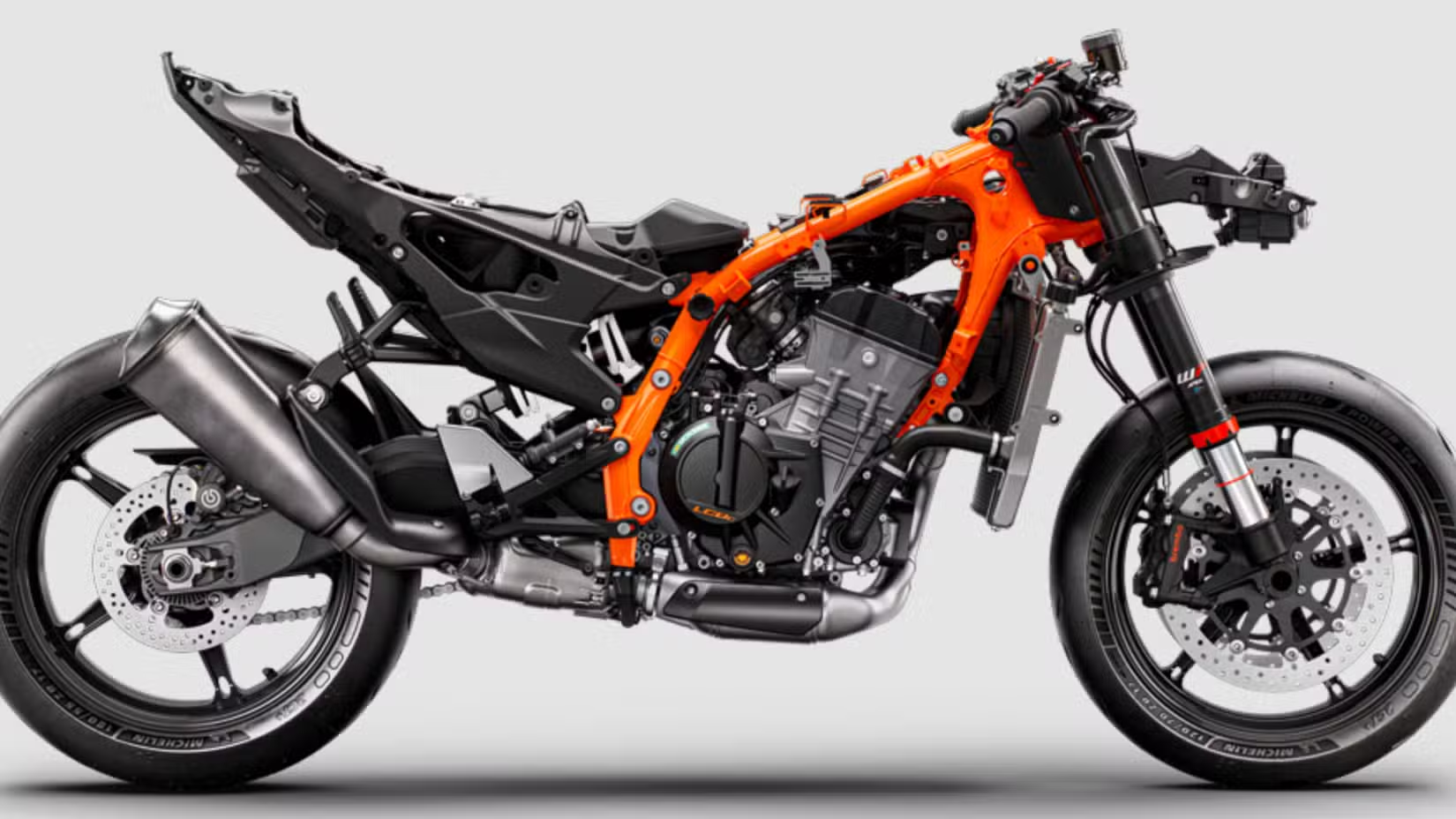
The 990 RC R uses a chromium-molybdenum steel frame with the engine as a stressed member, stiffened over the Duke’s for better feel and stability. The suspension is where the RC R really shines. Up front, a 48mm WP Apex open-cartridge fork offers compression and rebound damping, plus preload adjustment. At the rear, a WP Apex shock mounts through a linkage and adds compression damping alongside rebound and preload.
Braking comes from Brembo HyPure calipers gripping twin 320 mm discs up front, with a 240 mm disc at the rear. These are mounted on 17-inch alloy wheels with tubeless radial tires. Combined with that fully adjustable suspension, the setup complements the chassis well, and it nails the perfect balance of performance and comfort.
Smart Rider Aids Keep The Fun Safe
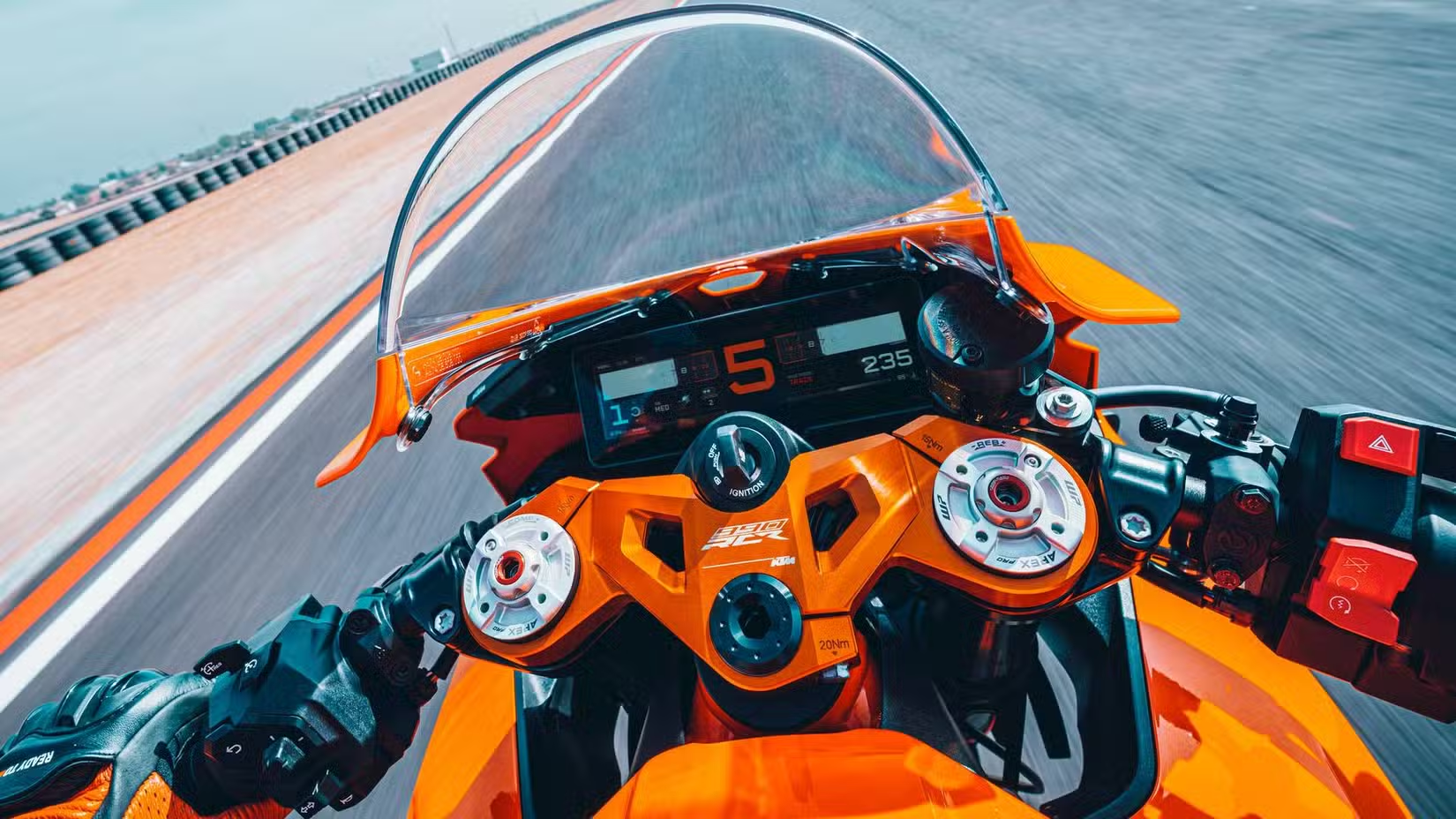
As for the smart safety net, a six-axis IMU powers its electronics, and as standard you get Rain, Street, Sport, and Custom ride modes, along with lean-sensitive traction control and four ABS modes. Everything runs through backlit switchgear and a large 8.8-inch TFT touchscreen. Want more? KTM has swapped its much-maligned Demo Mode for proper add-on packages.
The Track Pack is built for circuit days, adding a Track ride mode, two extra custom modes, nine-level traction control you can adjust on the fly, wheelie control with five levels plus off, and launch control. It also unlocks a telemetry dash showing live lean angle, throttle position, and lap times. The Tech Pack bundles all of that and adds a two-way quick shifter, cruise control, and Motor Slip Regulation for smoother engine braking. However, if you don’t want the full pack, you can buy the quick shifter or cruise control on your own.
The Orange Shines Brighter Among The Pack Of Red, Blue, And Green
The middleweight sports bike class has never been this strong, yet the KTM’s orange still stands out. The Ducati Panigale V2 brings a premium badge and standard features like a quick shifter, but the KTM fights back with a more accessible price tag and an engine that packs a stronger punch. The Yamaha R9 is noticeably more affordable and has a road-friendly triple, yet the KTM earns its extra money with a bigger, fully adjustable WP Apex fork, an 8.8-inch touchscreen TFT, and deeper track features. Kawasaki’s Ninja ZX-6R is another accessible Japanese middleweight. It matches the KTM’s horsepower almost exactly, but makes far less torque and has to rev much harder to find it. So for real road fun, the 990 RC R is the one to have.
Source: KTM