Men’s Journal aims to feature only the best products and services. If you buy something via one of our links, we may earn a commission. Prices are accurate and items in stock at time of publishing.
You grab a protein bar between meetings, thinking it’s a smart choice. But an hour later, your stomach is bloated and gassy, and you’re wondering what went wrong. If that sounds familiar, you might be overlooking one key ingredient: sugar alcohols.
With roughly 7 in 10 Americans actively trying to eat more protein, the grocery aisle is flooded with low-sugar options. But to keep the calorie count down, many brands quietly load their recipes with artificial polyols that wreck your gut. As a registered dietitian, these are the best low-sugar protein bars that actually skip the sugar alcohols so you can hit your daily targets without the GI distress.
The Best Protein Bars Without Sugar Alcohols for 2026
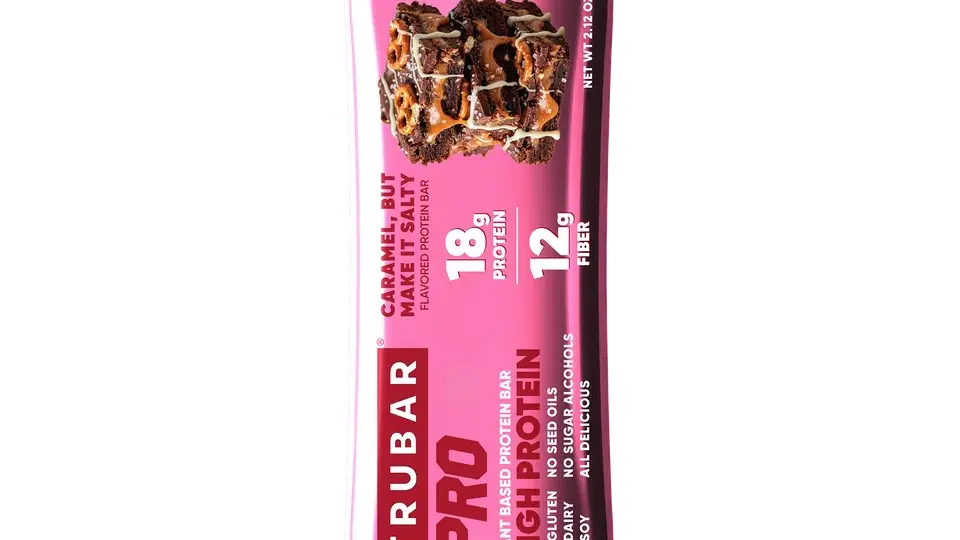
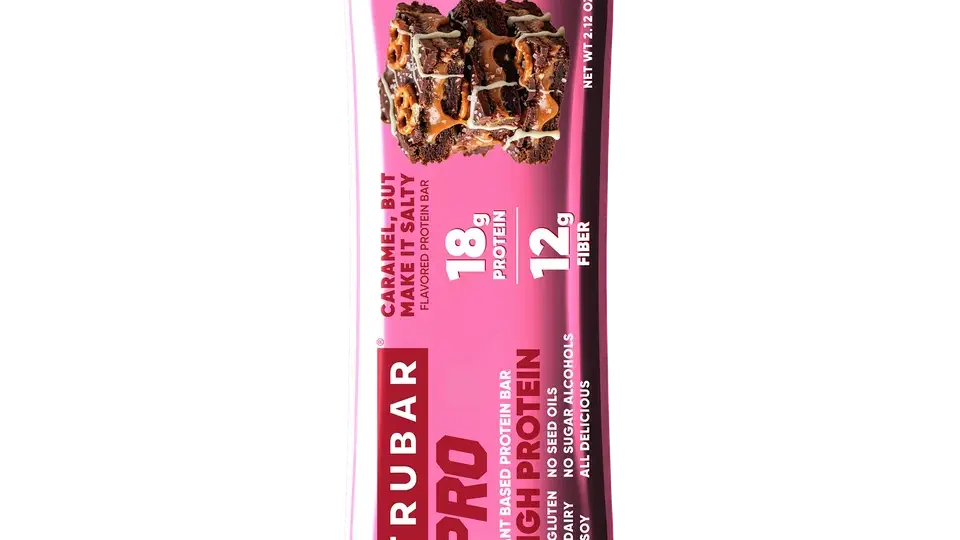
Best High Fiber Option: Trubar Pro High Protein Bar
Courtesy Image
Trubar Pro delivers 18 g of protein from brown rice and pea protein, with about 6 grams of total sugar (3 grams added sugar) and about 250 calories, depending on the flavor. It also packs a whopping 12 grams of fiber and contains no sugar alcohols. Trubar uses a blend of cane sugar, rice syrup, grape juice, and monk fruit for sweetness. Monk fruit is not a sugar alcohol, but it is low carb and low calorie. If you’re not used to this much fiber, ease yourself into it with half a bar and be sure to drink plenty of water.
Best Whey Option: PowerCrunch Triple Chocolate Protein Wafer
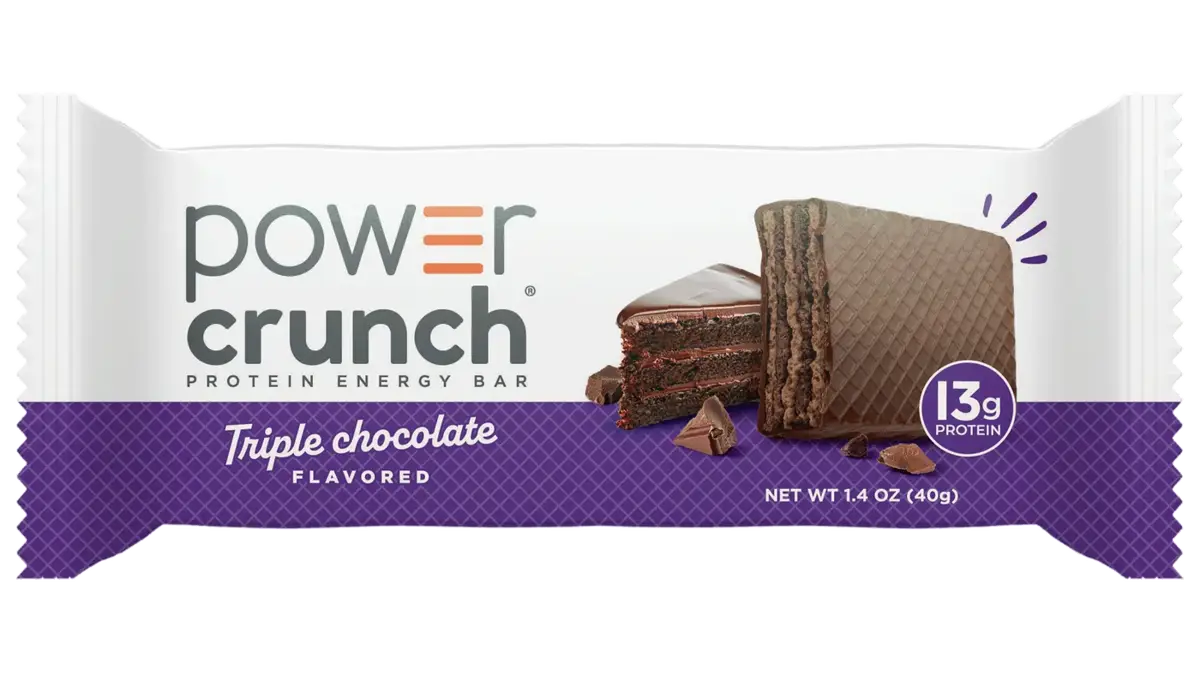
PowerCrunch’s Triple Chocolate bar has 13 grams of protein from hydrolyzed whey, whey isolate, and milk protein isolate, plus 5 grams of added sugar from sugar and fructose. It’s a light, crispy wafer that tastes delicious as a quick snack on the go. What it does well is deliver fast-digesting protein, which makes it a convenient post-workout bar to toss in your gym bag. Pair it with a banana or a handful of grapes if you want carbs to help refuel.
Best Pre-Workout Snack: GoMacro Peanut Butter Chocolate Chip MacroBar
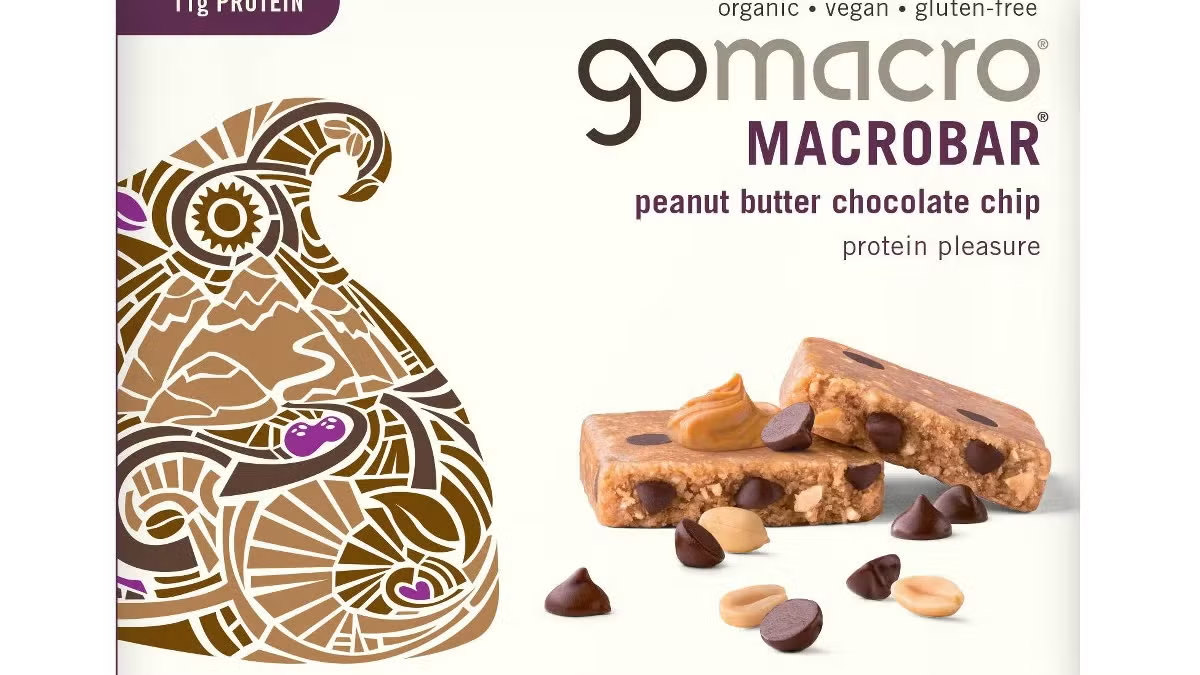
The Peanut Butter Chocolate Chip MacroBar has 290 calories, 11 grams of protein from sprouted brown rice and pea protein, and 2 grams of fiber. The 7 grams of added sugar come from brown rice syrup and the coconut sugar in the chocolate chips. With nut butter fat and plenty of carbs, it’s a great pre-workout option. Eat one about 45 to 60 minutes before a run, a hike, or a gym session. It’s also a solid mid-afternoon bridge when dinner is still hours away.
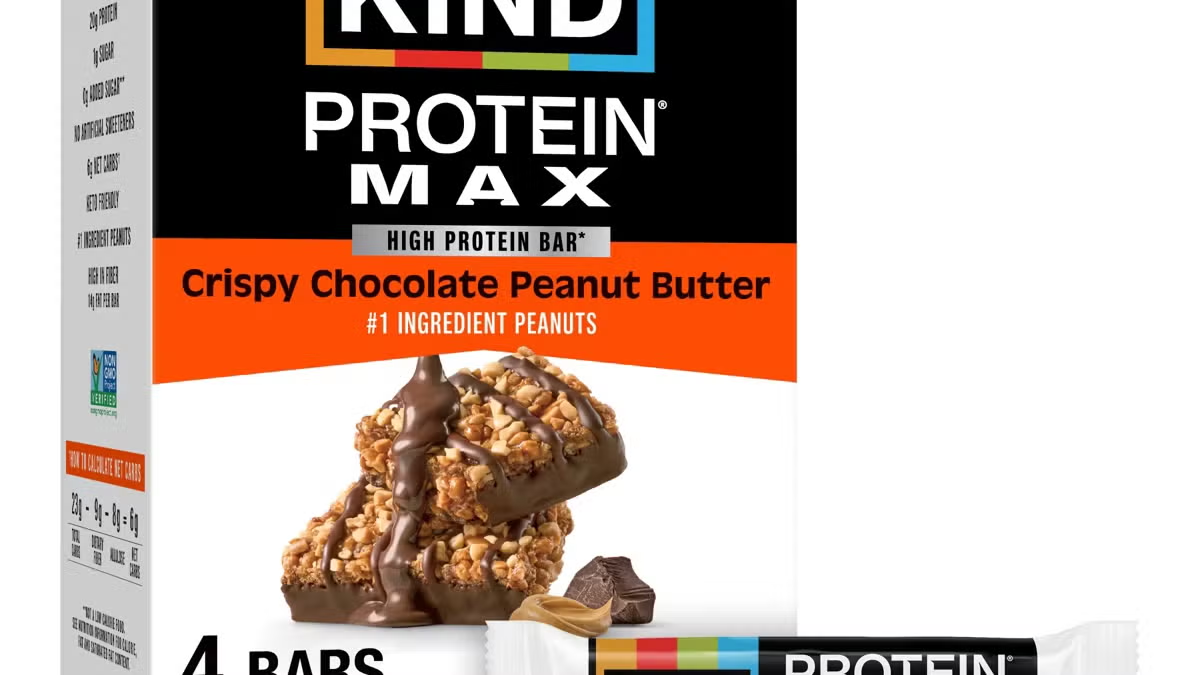
Best Low Sugar Pick: KIND Protein Max Bar
Courtesy Image
If you want a protein bar that tastes like real food, KIND Protein Max is the one. Whole nuts and a rice crispy texture give it a satisfying crunch, and it has just 1 g of total sugar. The sweetener is allulose, a rare sugar that tastes like regular sugar but is mostly not digested, so it doesn’t spike blood sugar. It’s also not a sugar alcohol, which makes it a good fit for sensitive stomachs. The bar delivers 20 grams of protein from soy protein isolate and an impressive 10 grams of fiber from chicory root, so it keeps you full for hours. That makes it a great pick for a busy workday, when you need something to hold you over between a late breakfast and a delayed lunch.
Best Plant-Based Option: Aloha Organic Chocolate Chip Cookie Dough Bar
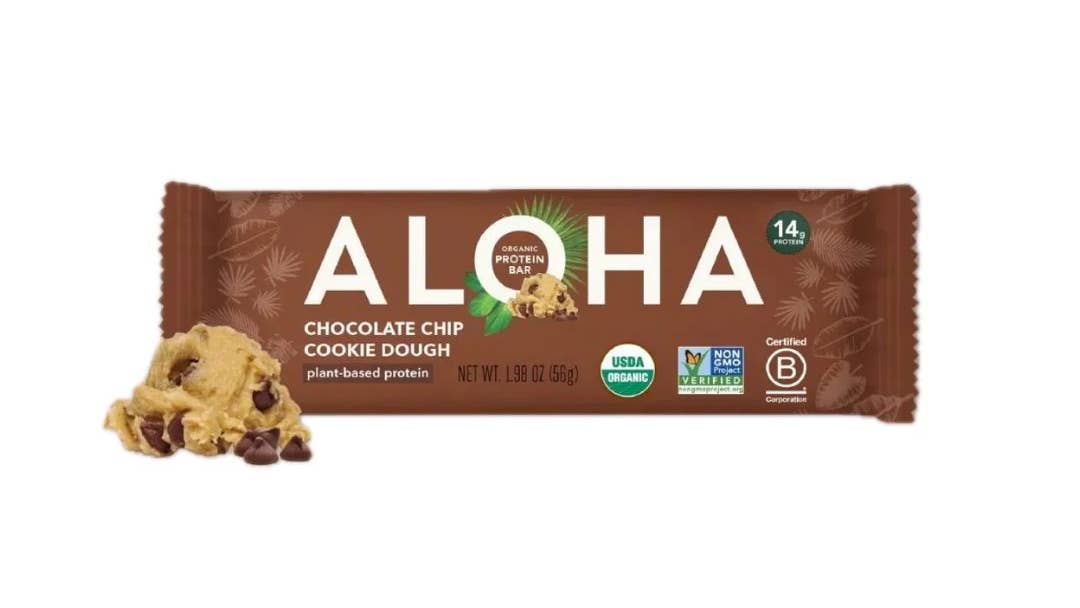
Aloha’s Chocolate Chip Cookie Dough bar has 14 grams of protein from brown rice and pumpkin seed protein, 10 grams of fiber, and 240 calories. Its 4 grams of added sugar come from tapioca syrup, brown sugar, cane sugar, and the chocolate chips. I recommend it as a mid-morning snack to bridge breakfast and lunch, especially if you tend to get hungry before noon. Plus, Aloha’s fandom is strong for a reason: their bars taste yummy, and they often release new flavors.
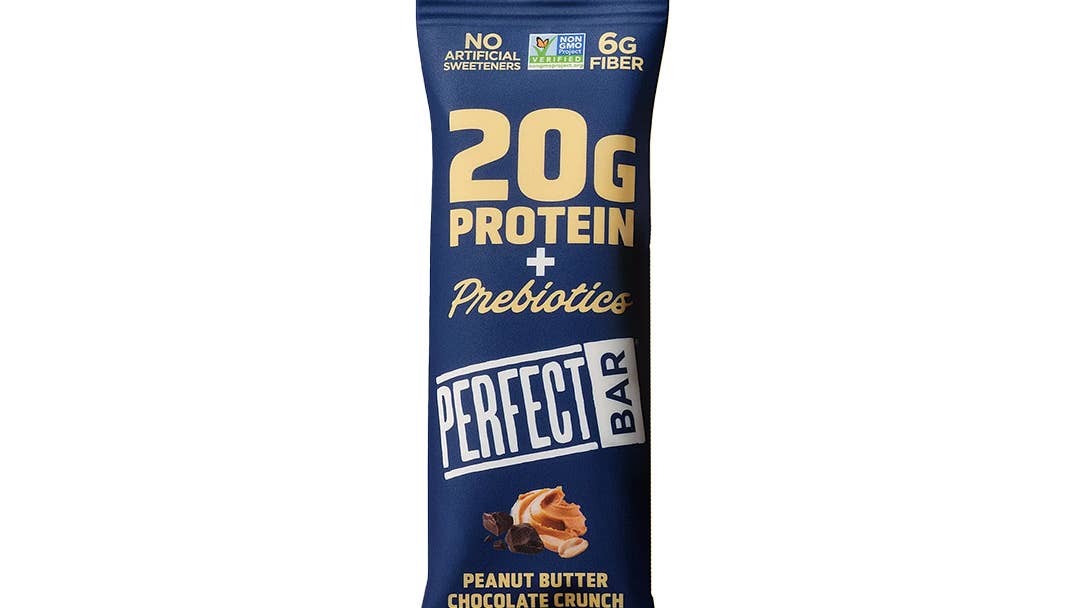
Best Meal Replacement: Perfect Bar Protein Plus Prebiotics
Courtesy Image
Perfect Bar’s Protein + Prebiotics refrigerated bar has 20 grams of protein from peanut butter and grass-fed whey, plus added prebiotic fiber. One bar has 330 calories and 6 grams of fiber, including 3 grams of prebiotic fiber from chicory root. Organic honey is its only sweetener, adding about 10 g of added sugar. That’s more calories and sugar than the others, which is why it works as a mini-meal instead of a light snack to hold you over. Keep one in the fridge for a rushed breakfast, or for lunch at your desk when back-to-back meetings eat your break.
Can Sugar Alcohols Cause Bloating and Gut Issues?
Often, yes. Protein bars include sugar alcohols like maltitol, sorbitol, and erythritol to keep added sugar low while still tasting sweet. Your body doesn’t fully absorb them, and instead of being quickly absorbed in the small intestine like sugar, they travel to the colon, where gut bacteria ferment them. That can mean gas, bloating, cramping, and diarrhea.
There’s no guideline on how to limit sugar alcohols, but many people start noticing symptoms somewhere around 10 to 15 grams in a day. Maltitol and sorbitol tend to be the harshest during digestion, while erythritol is usually better tolerated. Your personal mileage may vary, especially if you have IBS or another sensitive gut.
How Dietitians Evaluate a Low-Sugar Protein Bar
As a dietitian, when I’m reading a label, here’s what I evaluate first:
- Protein-to-sugar ratio. I want at least 10 to 15 grams of protein with under 5 to 8 grams of total sugar. If the sugar is close to the protein, it’s closer to a candy bar.
- Added sugars vs. natural sources. The type and quality of sweetener matters. Sugar from dates or fruit comes with some fiber and nutrients, so it’s not the same as added syrup. Check the “Added Sugars” line, not just total sugar, to understand how much sweetener is in each serving.
- Protein bar vs. meal replacement. A protein bar is a snack, and I would expect it to land in the range of 150 to 250 calories. A meal replacement is more substantial, with more calories and a mix of protein, fat, and carbs to keep you full. Neither is better, but they do different jobs, so choose your bar based on the purpose it’s serving in your day.
- Bonus points for fiber. Three or more grams of fiber help increase feelings of fullness and blood sugar levels after snacking.
How to Spot “Hidden” Sugar Alcohols on Nutrition Labels
Sugar alcohols are easy to miss if you only read the front of the package. Here’s where to look.
- On the Nutrition Facts panel: Find “Total Carbohydrate.” Underneath, you’ll often see “Sugar Alcohol” listed on its own line. Not every brand lists it, because manufacturers are only required to when they make a claim like “sugar free” or “low sugar.”
- On the ingredient list: Scan for words ending in “-ol,” such as maltitol, sorbitol, xylitol, erythritol, mannitol, and lactitol. Ingredients are listed by weight, so the earlier a sugar alcohol appears, the more the bar contains.
- On the front of the package: Be skeptical of claims like “sugar free,” “keto friendly,” or “net carbs.” They often signal that sugar alcohols are the main sweetener.
The Bottom Line
The best protein bar for you is one where you feel good after eating: no digestive distress, stable energy, and not hungry again in 30 minutes. Focus on finding one with a solid protein source, minimal added sugar, a little fiber, and an ingredient list you can mostly read. If your gut has been giving you trouble, cutting back on sugar alcohols is a simple experiment worth trying.