After 2001: A Space Odyssey premiered on April 2, 1968, in Washington, D.C., co-writer Arthur C. Clarke recalled overhearing a studio executive predict, “Well, that’s the end of Stanley Kubrick.”
The reaction remained harsh at the New York premiere the following night. Kubrick felt he had failed, Clarke was reportedly reduced to tears, and star Keir Dullea estimated that roughly 250 people walked out.
Rotten Tomatoes now counts 169 critic reviews, and 91% of them are positive. More than 250,000 audience ratings give it an 88% Popcornmeter.
The site’s critics’ consensus had this take on the film:
“One of the most influential of all sci-fi films — and one of the most controversial — Stanley Kubrick’s 2001 is a delicate, poetic meditation on the ingenuity — and folly — of mankind.”
Sight and Sound’s December 2022 directors’ poll, with nearly 600 filmmakers voting, ranked it No. 1. Critics in the companion poll placed it sixth.
After mixed reviews, Kubrick didn’t leave the premiere cut alone.
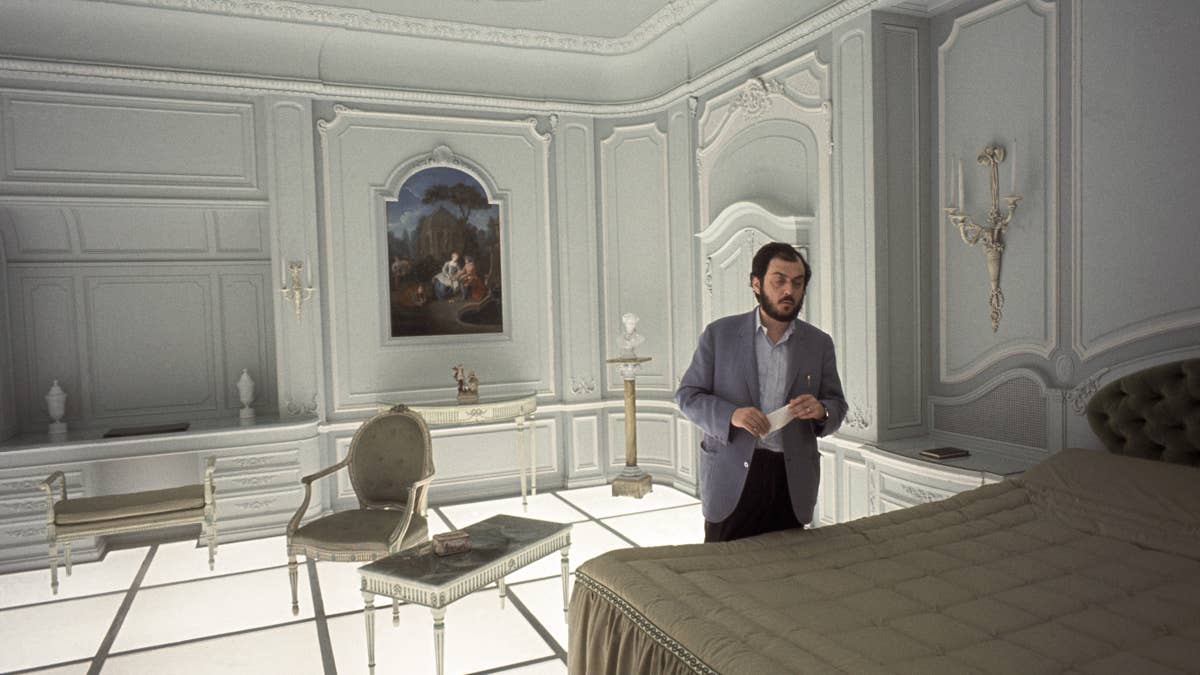
How Kubrick Reworked 2001: A Space Odyssey After Its Disastrous Premieres
The Los Angeles premiere went no better. Actor Rock Hudson reportedly left early, cursing the film.
Those early audiences sat through the original version, which ran about 160 minutes. Kubrick subsequently removed roughly 17 to 19 minutes, leaving the familiar theatrical cut at about 139 minutes.
Actor Keir Dullea later explained the edits to The Hollywood Reporter:
“Nothing important was cut,” he clarified. “No scenes were cut; they were just made shorter.”
Director Christopher Nolan introduced an unrestored 70mm print of that shorter version at Cannes in 2018.
Many New York critics were especially tough on it, though The Hollywood Reporter ran a full-page rave.
Regular moviegoers took to it, younger counterculture fans most of all, per the New York Post. Eight screens brought in $1 million within weeks.
In many U.S. theaters, regular screenings stretched past the one-year mark. It also won the Oscar for Best Visual Effects.
Against a $10.5 million budget, it grossed $56.7 million domestically during its original release.
Related: 55 Years After Its Release, Robert Altman’s Western Still Earns an 85% on Rotten Tomatoes