In a world full of abundant choices, keeping one motorcycle for many years needs to fulfill a set of ever-changing requirements. A bike bought for the long haul needs enough performance to avoid being outgrown, but also enough adaptability to keep fitting the rider as their priorities change. Not only does this bike need to be multi-faceted, but at the end of the day, it needs to be able to charm you enough to look back at it with the same fondness that attracted you to it when you made it a part of your garage years ago.
The strongest candidates for this are rarely the most extreme machines in their class. There’s a place for those bikes, but they may not get ridden as much. On the other hand, the do-it-all bikes tend to be mature designs that have already shed obvious compromises and settled into a useful middle ground. Honda’s big adventure bike platform has reached that point, especially in the version aimed less at Dakar fantasies and more at doing almost everything else for a very, very long time.
A Forever Bike Has To Keep Making Sense After The First Five Years

Long-term ownership exposes weaknesses that barely matter during the initial weeks of ownership. A small fuel tank becomes irritating once multi-day touring enters the picture. Basic suspension feels less adequate when you start to carry more on the bike. An engine that once seemed sufficient can start feeling strained on fast highways, while excessive performance may remain largely academic once its novelty wears off.
The rider, too, changes with time. Weekend blasts that were once fun may fade away and give way to week-long itineraries with solid, long-mileage days in the saddle. A passenger might become part of the equation at some point—one who shares your love for the road. And off-road ambition can gradually give way to comfort, easier reach to the ground, wind protection, and less physical effort. A motorcycle intended to stay around has to accommodate those evolving changes without demanding extensive modifications or becoming the wrong tool for the job.

Mechanical maturity has a part to play too. The longer a bike remains in the garage, the more useful its established hardware becomes. Replaceable components, conventional service items, and a broad accessory catalog become factors that, for a shorter ownership stint, may not ever matter. Long-term ownership cannot be reduced simply to a reputation for reliability. It also depends on whether maintenance, repairs, and changing use remain manageable long after the warranty expires.
That is where excessive specialization becomes a liability. The useful middle is a motorcycle with enough travel ability, rough-road competence, and everyday manners that the rider has to change considerably before the machine itself starts to feel limiting. It’s probably why Honda has the second-largest continent in the bike’s name.
The Africa Twin Adventure Sports ES Has Matured Into That Middle Ground

The 2026 Honda Africa Twin Adventure Sports ES is the road-focused branch of the CRF1100L family introduced for 2020. Its biggest shift arrived in 2024, when Honda replaced the previous 21-inch front wheel with a 19-incher, shortened the suspension, lowered the seat, made Showa electronic suspension standard, and retuned the engine for stronger low and midrange torque.
These changes made it less of a stretched off-roader and more of a genuinely broad-use adventure bike. At $17,799, the manual gearbox-equipped Adventure Sports ES is therefore aimed at riders who expect the same motorcycle to cover commuting, touring, passengers, poor pavement, and occasional dirt for years rather than excel briefly at one narrow task.
Its Engine Has Enough Performance To Avoid Becoming The Weak Link
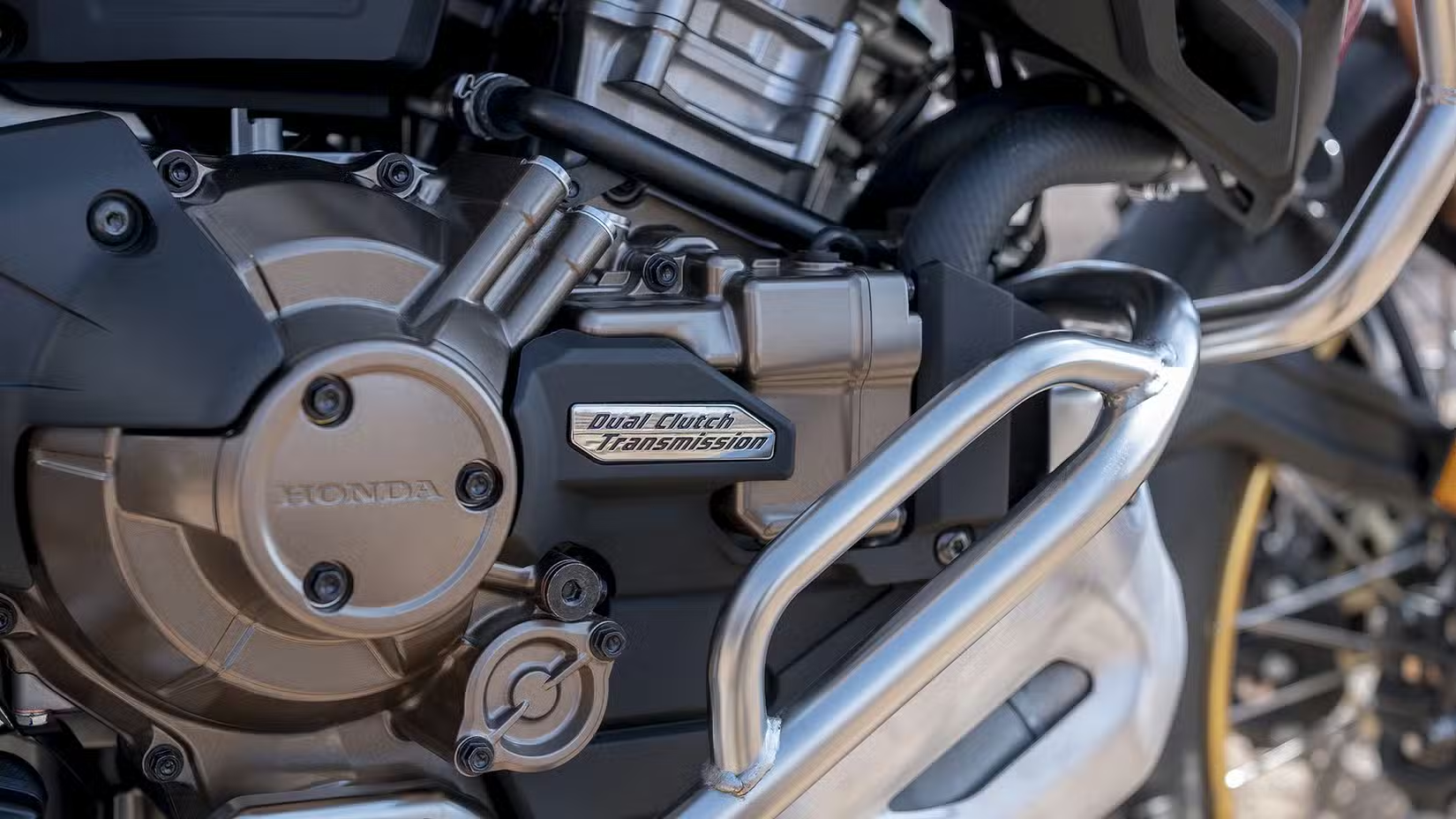
The 1,084cc liquid-cooled parallel-twin uses Honda’s compact Unicam cylinder-head layout, a 10.5:1 compression ratio, and a 270-degree crank. Output is 100.6 horsepower at 7,500 rpm and 82.6 pound-feet of torque at 5,500 rpm. Honda’s 2024 update increased peak torque by seven percent and shifted it 750 rpm lower than before through changes to the compression, valve timing, intake, and exhaust tuning.
That suits a motorcycle intended to stay relevant for years, as it has enough reserve for loaded highway work and two-up touring without relying on a huge top-end hit. The low- and midrange emphasis also makes more of its performance accessible in ordinary riding scenarios. Just as importantly, this is not an all-new engine being proven by first owners.
Its Chassis Can Change Jobs Without Needing New Hardware
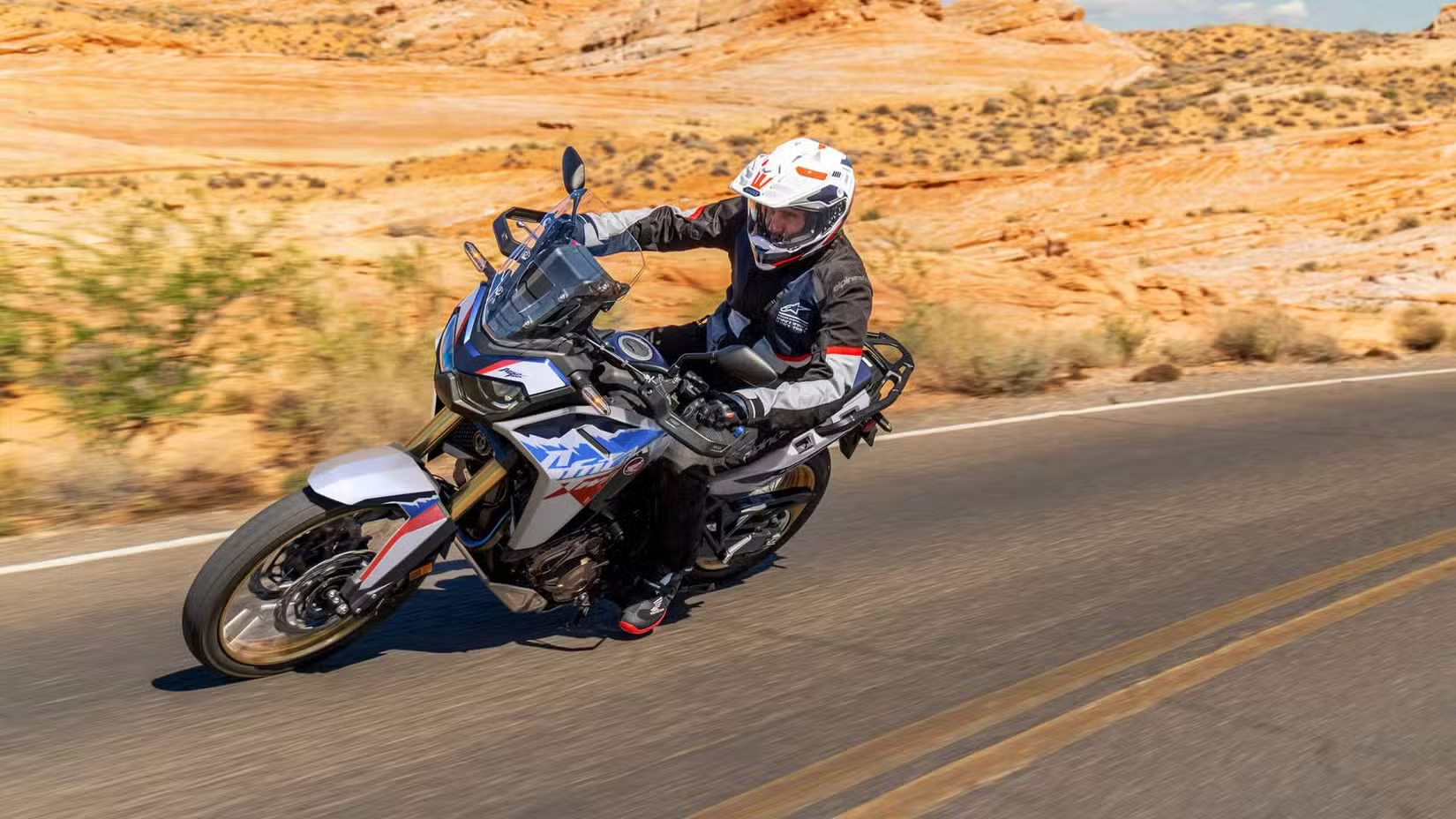
As mentioned earlier, the current Adventure Sports ES uses a 19-inch front tire, which is a major change from the 21-inch front fitted to earlier versions. That smaller front wheel is better suited to road-biased as well as mixed usage, while the 18-inch rear—instead of a conventional 17-inch wheel—and substantial suspension travel preserve enough rough-road ability to keep the bike useful away from pavement.
Showa Electronically Equipped Ride Adjustment (EERA) suspension provides 8.3 inches of front travel and 7.9 inches at the rear, with electronically controlled damping and rear preload adjustment. The system offers Soft, Mid, Hard, Off-Road, and User settings, so changes in passenger load, luggage, road quality, or riding style do not require different springs or a manual suspension reset every time you demand a different task from it.
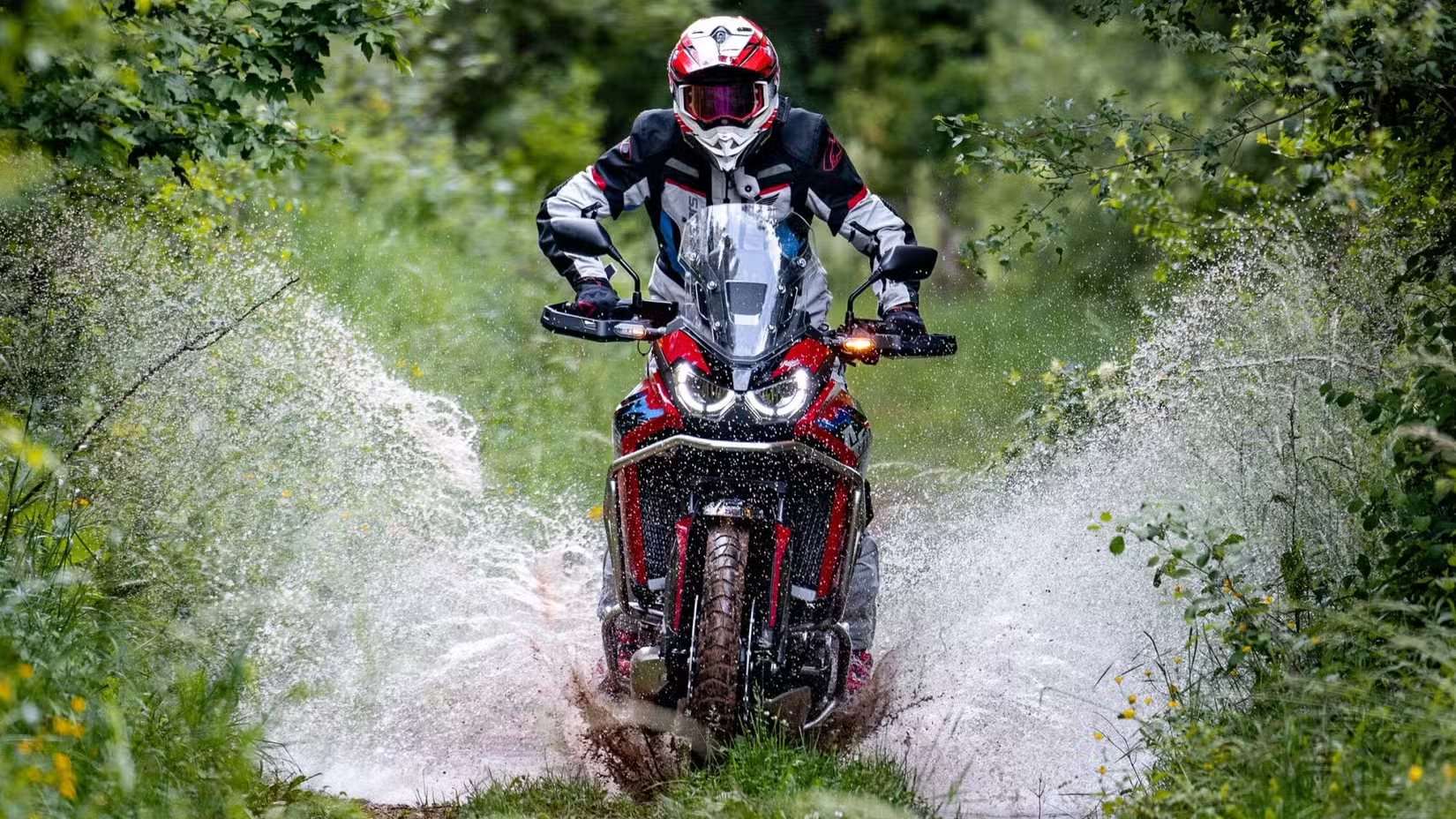
Honda also keeps the chassis comparatively repair-conscious. The aluminum rear subframe bolts to the main frame rather than being permanently integrated, while the wire-spoke wheels use tubeless tires, making ordinary puncture repair considerably simpler. Add the 32.9 to 33.7-inch adjustable seat height, and the current Adventure Sports is substantially more accommodating than its taller, more off-road-focused predecessors without abandoning the toughness expected from an Africa Twin.
Most Of The Reasons To Buy Another Bike Are Already Covered

The strongest long-term argument is that the Adventure Sports ES already incorporates the upgrades riders commonly add once their mileage increases. Its 6.6-gallon tank gives it substantially more touring range than the standard Africa Twin’s five-gallon capacity, while cruise control, heated grips, a five-position windscreen, Apple CarPlay, Android Auto, and a 6.5-inch TFT display make repeated long days easier without fundamentally changing how the motorcycle operates.
The electronics also cover a wide range of conditions without forcing the owner toward a newer bike later. Throttle-by-wire supports selectable riding modes, Honda Selectable Torque Control, wheelie control, engine-braking adjustment, and cornering-sensitive ABS through a six-axis IMU. Those systems are useful on a 535-pound adventure bike precisely because the same machine may spend one day crossing wet highways and the next dealing with gravel or poor surfaces.

The optional DCT version strengthens the long-term proposition even further. At $18,599, it adds 24 pounds over the manual transmission version, but removes clutch work entirely while still allowing manual gear selection through the handlebar paddles. For an aging rider, this is a level of convenience that can make riding noticeably less tiring and can be a vital reason to keep the bike for many years to come.
Source: Honda