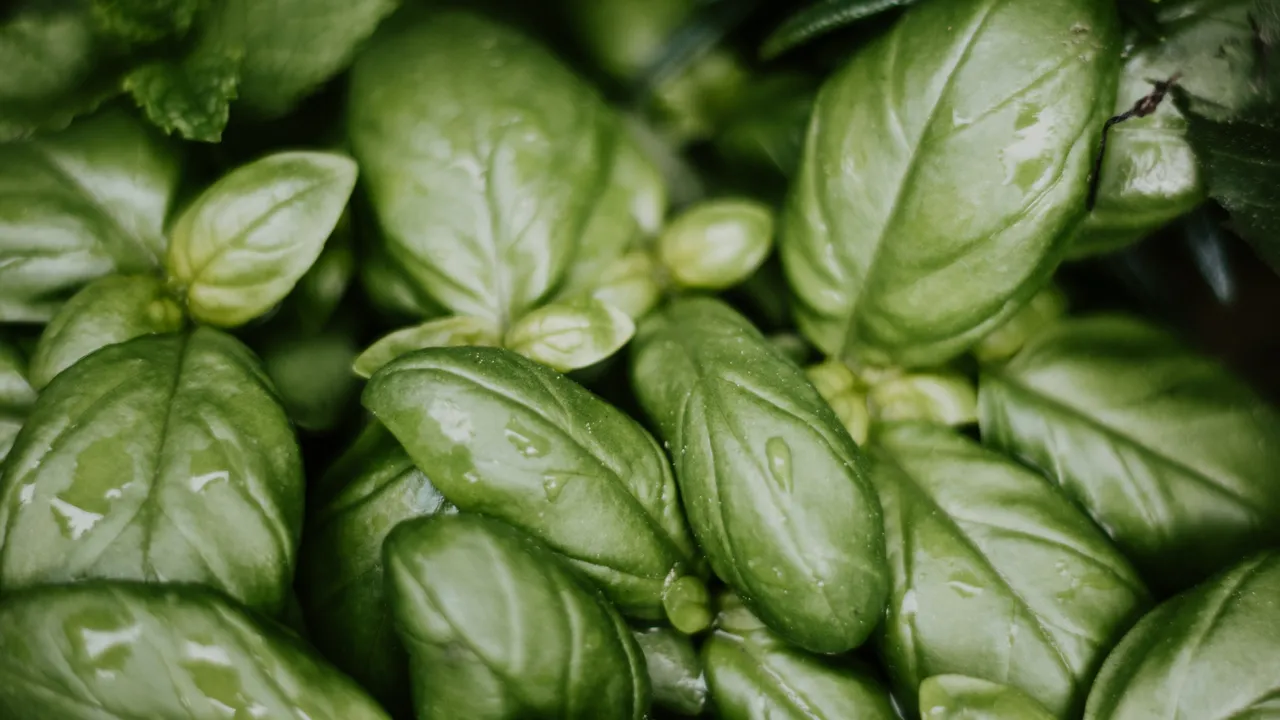
If there’s one aromatic herb we tend to associate with summer, it’s basil. A staple of Italian cuisine—as well as Thai, Vietnamese, Indonesian, and Indian cuisines—its distinctive fragrance and flavor give character to everything from Caprese salad and Genovese pesto to pho and green curry.
Despite its seasonal connotations, you don’t need to limit basil to summer. This wonderfully versatile herb deserves a place in our kitchens year-round, thanks to its culinary appeal and nutritional properties. Although we typically eat it in small quantities, basil contains vitamins, minerals, and antioxidant compounds that researchers have investigated for their potential health effects. Holy basil (tulsi), a related but distinct species, has even been studied for its potential effects on stress, mood, sleep, and anxiety. Most such studies, however, use concentrated extracts rather than amounts typically eaten in food.
In other words, this fragrant little herb has plenty going for it beyond its ability to elevate a bowl of pasta. Whether fresh, dried, or frozen, you can enjoy it year-round. Below, a closer look at what makes basil so special.
The nutritional properties of basil
Native to tropical Asia and widely cultivated across the Mediterranean basin, basil (Ocimum basilicum) belongs to the Lamiaceae (mint) family. Its distinctive fragrance comes from naturally occurring compounds such as linalool, estragole, and eugenol, found in its essential oils. Culinary basil comes in many varieties, including crinkly-leaved Napoletano, purple-stemmed Thai basil, and cinnamon-scented basil.
Naturally low in calories and made up largely of water, basil also contains a range of nutrients, though a typical garnish provides only small amounts of most. These include minerals such as copper, potassium, magnesium, calcium, iron, and phosphorus, along with vitamins K, A, C, and E, folate, and pantothenic acid.
It also contains antioxidants, including flavonoids such as quercetin and apigenin, and carotenoids such as beta-carotene, lutein, and zeaxanthin, the latter two of which support eye health.
The potential health benefits of basil
Even in small quantities, basil contributes nutrients and beneficial plant compounds to our diets—giving us one more reason to be generous with those fragrant green leaves. While research into basil’s potential health effects is promising, evidence of the benefits of eating it in ordinary culinary quantities remains limited. Here’s what the research suggests about the health benefits of basil: