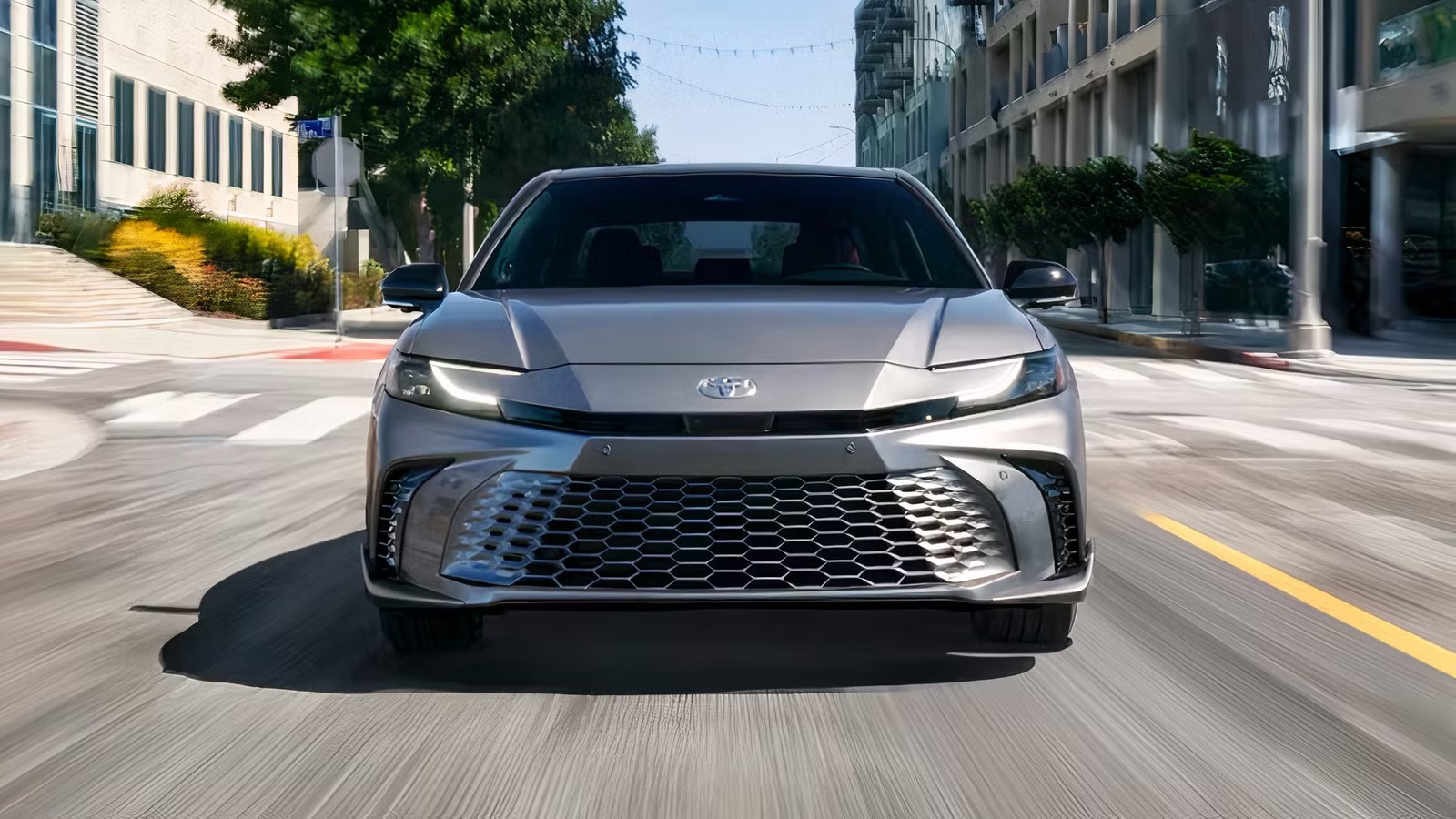
Walk onto any dealership lot and more often than not, it’s obvious that you need an SUV. More space, more presence, more everything. But the math gets awkward once you park a 2026 Toyota Camry next to a hybrid crossover and read the window stickers. Starting at $29,600, the Camry is now hybrid only, rated at up to 52 mpg in the city, and it still seats five adults without drama. It also drives better than the tall SUV you were about to sign for. Here is why the humble sedan is the sharper buy for most households, and where the SUV still wins.
The Camry Hybrid Delivers SUV-Beating Fuel Economy Without Sacrificing Comfort
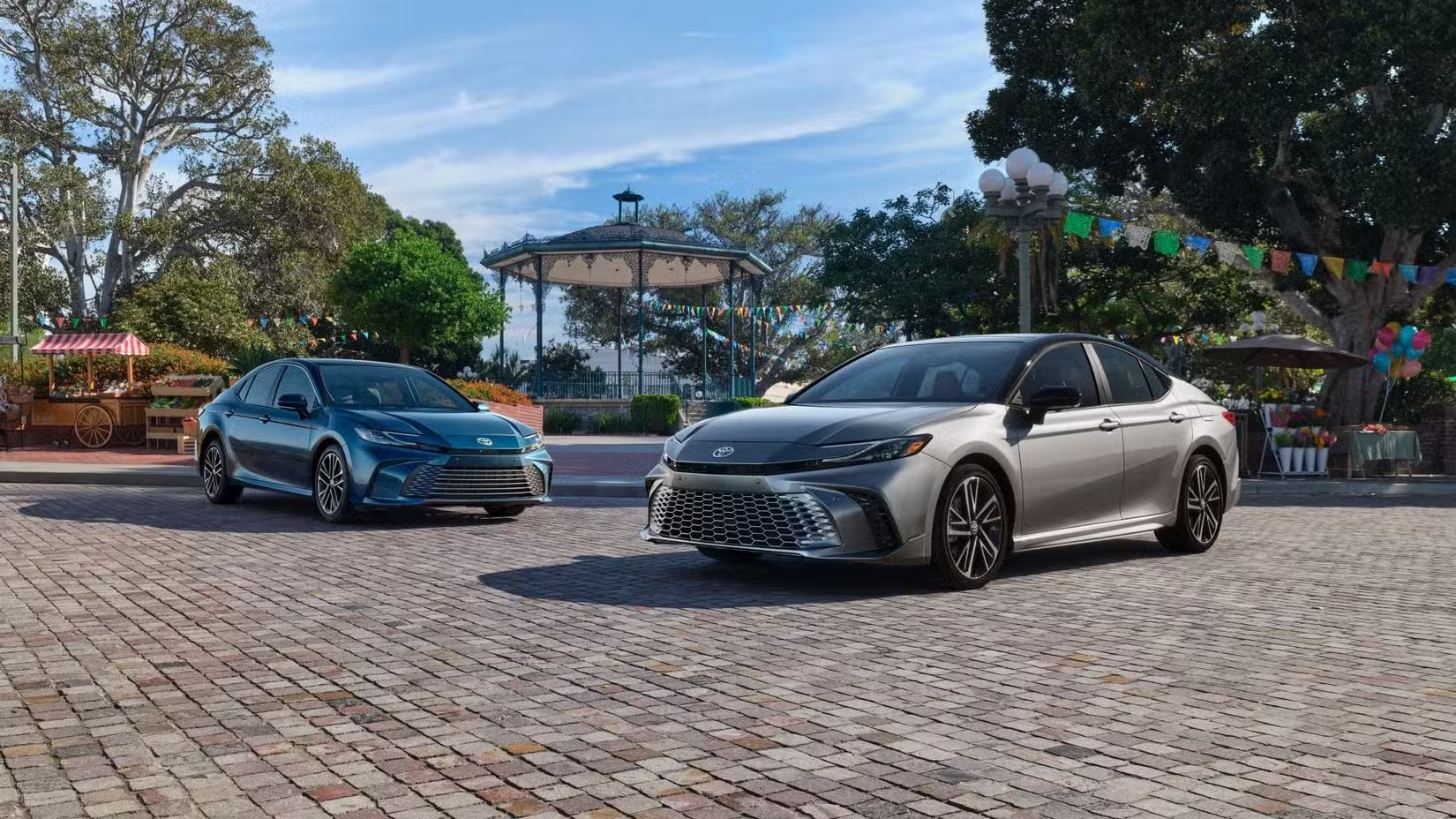
Toyota rates the current 2026 Camry at up to 52 mpg city and 49 mpg highway, which works out to 50 mpg combined in mixed driving. That is not a small gap over the competition from its own showroom. A Highlander Hybrid sits in the mid-30s combined, and the RAV4 Hybrid, while far better, lands in the high 30s to around 40 mpg.
Let’s put that in dollars. Cover 12,000 miles a year with gas at $3.50 a gallon and the Camry burns about 240 gallons, costing roughly $840. The Highlander Hybrid needs around 330 gallons, or about $1,160. That is a difference of more than $300 every year, and it compounds across a typical ownership period.
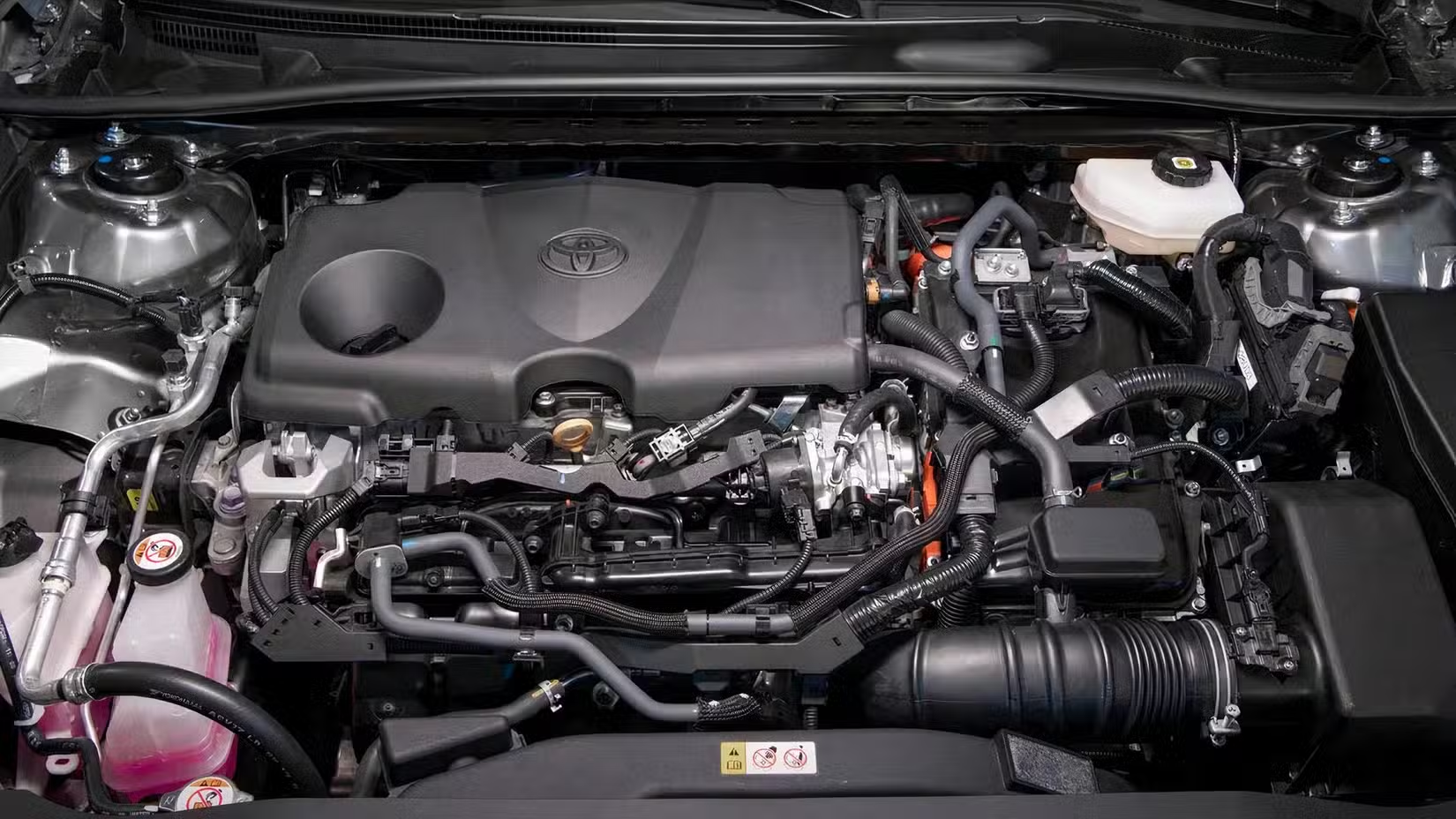
The surprise is that you give up nothing in refinement to get it. The Camry’s lower roofline and heavy battery position keep the center of gravity low, so it rides flat and settles quickly over broken pavement. Wind noise is well suppressed on the highway, and the hybrid system hands off between electric and gas so smoothly that most passengers never notice it. Efficiency here does not feel like a penance. It feels like a feature of a well-engineered car.
Its Spacious Cabin Makes A Bigger Vehicle Harder To Justify
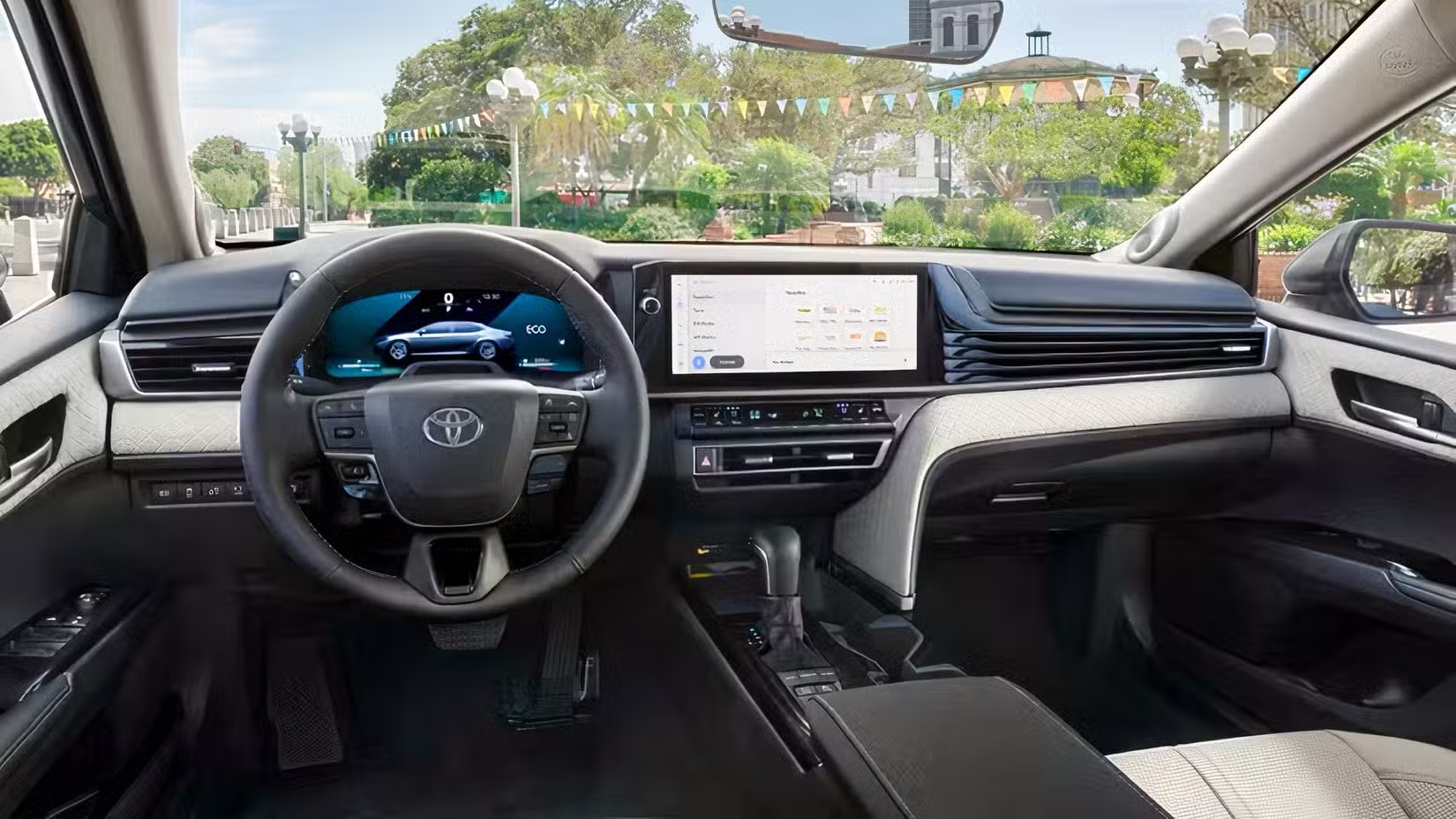
Sedans have a reputation for tight quarters, but the Toyota Camry did not get the memo. Rear legroom is 38 inches, which is the kind of number that lets a six-foot adult sit behind a six-foot driver without negotiating. The seat cushion is long enough to support your thighs, and the floor is flat enough that a middle passenger is not punished.
The trunk is the one place where an SUV obviously pulls ahead on paper. The Camry offers about 15 cubic feet, while a RAV4 gives you somewhere around 37 cubic feet behind the rear seats. But paper is not how most people live. A week of groceries, two carry-on bags, a stroller, and a set of golf clubs all fit in a sedan trunk that is wide, deep, and has a low liftover height. Nothing needs to be hoisted up and over a tall load floor.
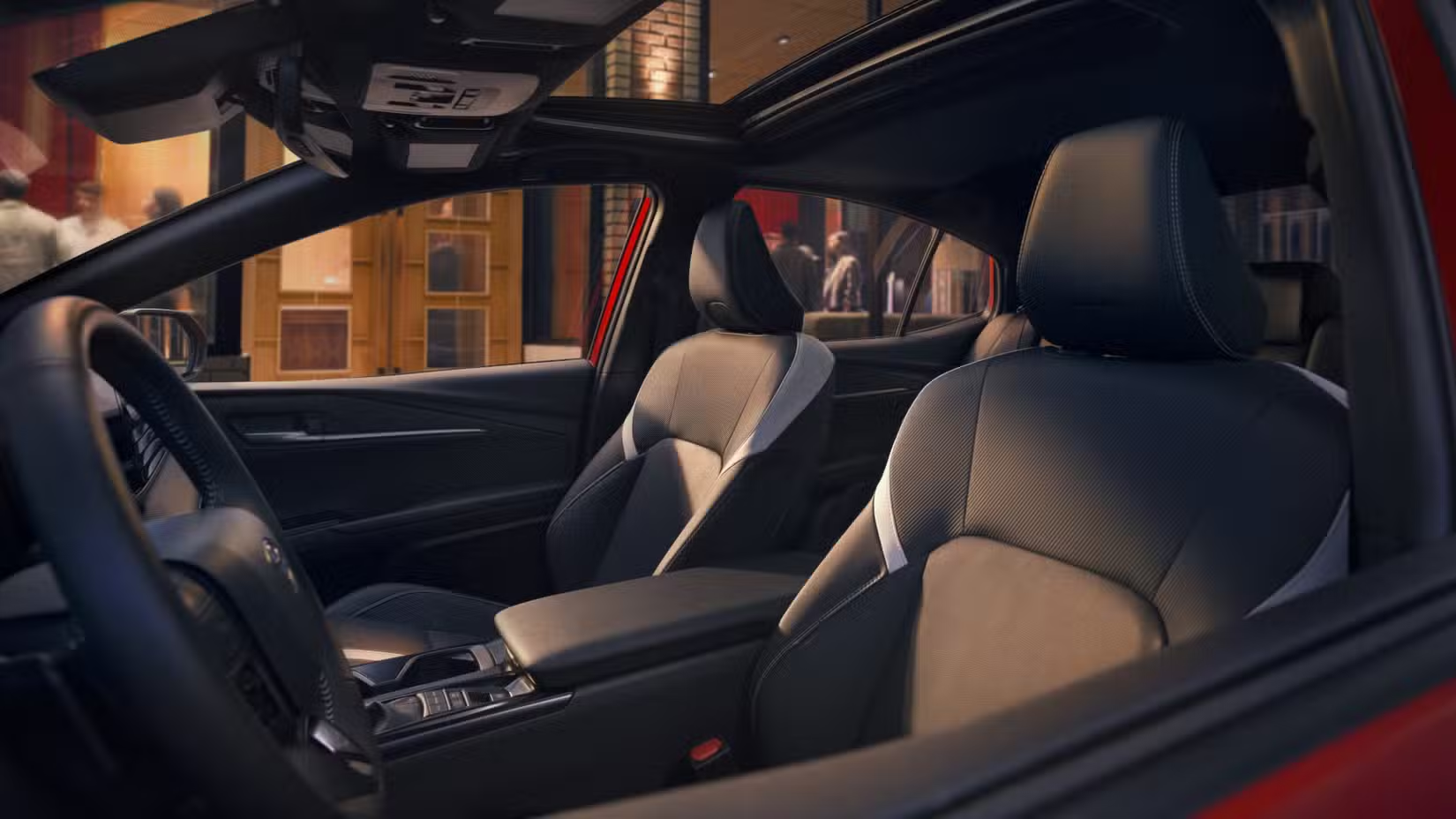
The Highlander’s third row is the more telling comparison. Most of the time it is folded flat to create cargo room, and when it is raised, the space behind it shrinks to about 16 cubic feet, roughly what the Camry offers all the time. If your household rarely carries more than four people, you are paying, fueling and parking a much larger vehicle for seats you seldom use.
Hybrid Power Delivers Smooth Performance With Fewer Fuel Stops
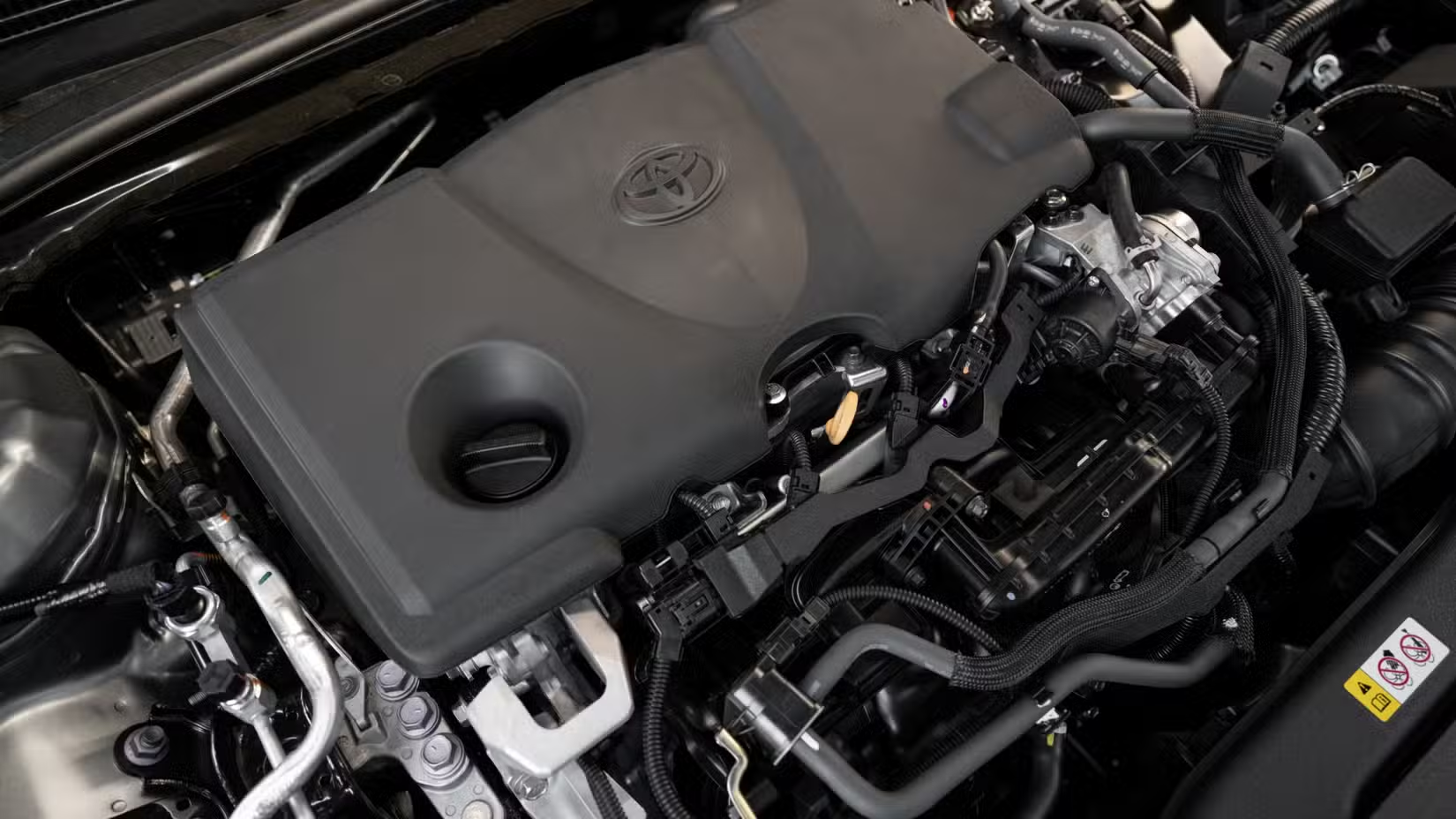
Toyota pairs its 2.5-liter four-cylinder with electric motors to produce 225 horsepower in front-wheel-drive form, or 232 horsepower with the available all-wheel-drive system. Electric torque arrives the instant you press the throttle, so the Camry steps away from stoplights with more urgency than its efficiency numbers suggest. Zero to 60 mph comes in around seven seconds, quick enough that highway merges and two-lane passes are stress-free.
The sedan shape helps here too. Less frontal area and less mass mean the powertrain is never working as hard as it would be hauling a two-ton crossover. The result is quiet, linear acceleration without the droning, rubber-band feel of older hybrids. Then there is range. With a fuel tank of roughly 13 gallons and real-world economy near 50 mpg, the Camry can cover well over 600 miles between fill-ups. That turns a weekly gas station into less of a chore. For anyone with a long commute or a habit of road trips, that is a quality-of-life upgrade no SUV brochure will highlight, because most SUVs cannot match it.
Lower Running Costs Give The Camry An Advantage Over Bigger SUVs
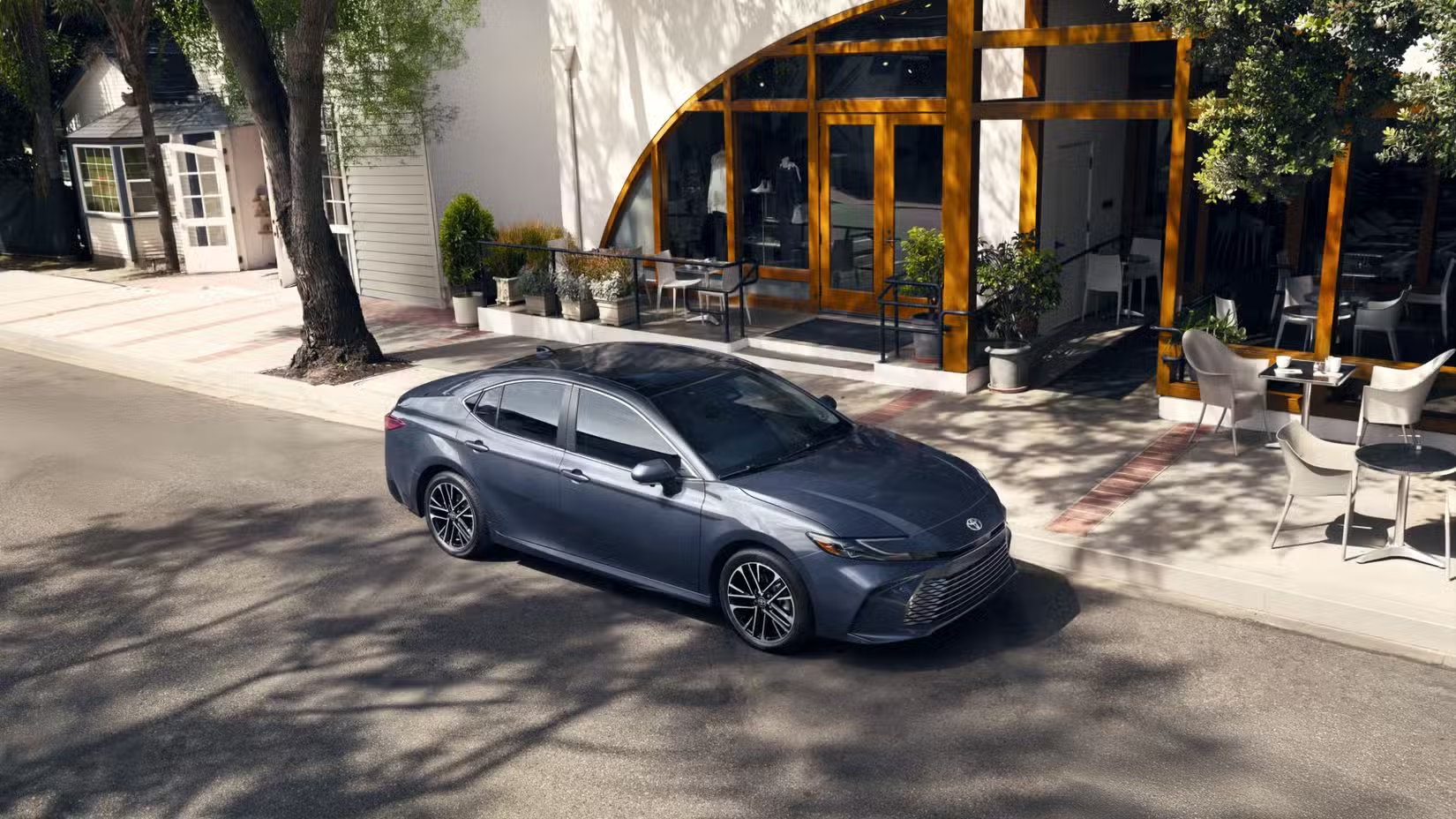
Fuel is only the first line of the spreadsheet. The Camry starts at $29,600 before options, while a comparable RAV4 Hybrid typically starts several thousand dollars higher, and a Highlander Hybrid climbs well into the $40,000s once you add the features most buyers want. Those gaps show up in your monthly payment, your insurance premium and your registration fees.
Smaller wheels and a lighter body also mean cheaper consumables. Tires for a Camry cost less than the larger, more specialized rubber on many SUVs, and they typically last longer. Toyota’s regenerative braking takes much of the workload off the pads and rotors, so brake service intervals stretch out considerably.
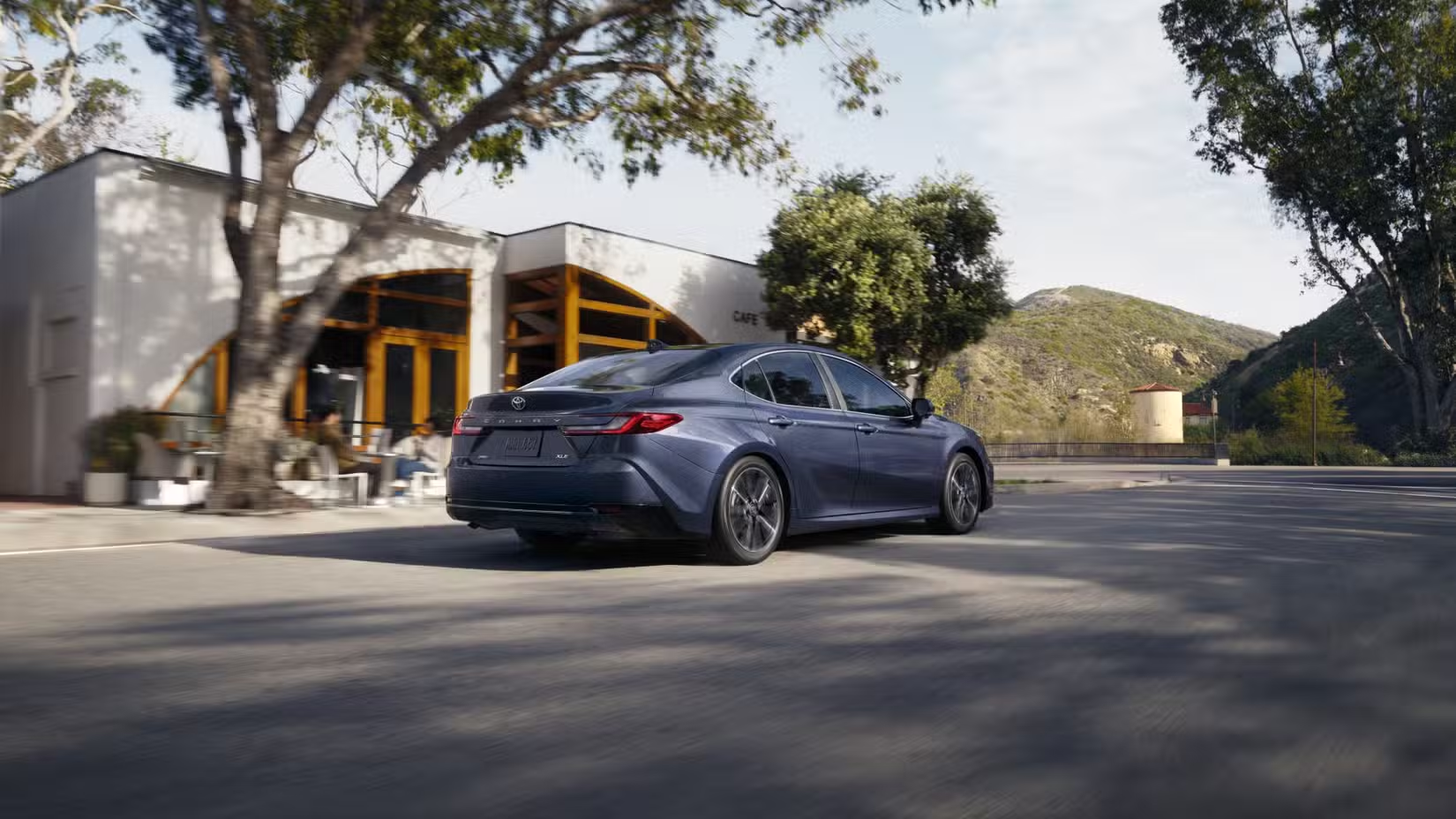
Toyota’s hybrid system has more than two decades of real-world data behind it, and the company backs the hybrid battery for 10 years or 150,000 miles. Camrys also hold their value well on the used market, which softens depreciation when it is time to sell. Add it all up and the cost of ownership gap between this sedan and a larger hybrid SUV is not a rounding error. Over five years it can reach into the thousands, money that stays in your pocket for doing absolutely nothing except choosing the lower-slung option.
The Camry Hybrid Proves You Don’t Need An SUV For Everyday Versatility
Versatility is the SUV’s last stand, and even here the Camry is more capable than its shape suggests. The rear seat splits and folds, opening a pass-through for skis, flat-pack furniture or a long piece of luggage. All-wheel drive is available for anyone living with snow or wet roads. Infotainment, driver aids and a quiet cabin are all standard-issue modern fare, so you are not trading away tech for the sake of economy.
Now the honest part. If you tow more than about 1,500 pounds, regularly haul three rows of passengers, drive on unmaintained gravel, or need real ground clearance, buy the SUV. The Camry is not built for those jobs, and pretending otherwise would be doing you a disservice. But for the commuter, the couple, the small family and the empty nester, the Camry covers 95 percent of what people actually do with a vehicle, and it does so while spending less.
So here is the practical advice: before you tour the crossover/SUV aisle, drive a Camry Hybrid first. Compare the five-year cost, not just the sticker. Ask yourself how often you genuinely need that extra cargo space or third row. If the answer is “a few times a year,” a roof box or a one-day rental will cost a fraction of what a bigger SUV demands every single month.
Sources: Toyota U.S., Motortrend, Kelley Blue Book