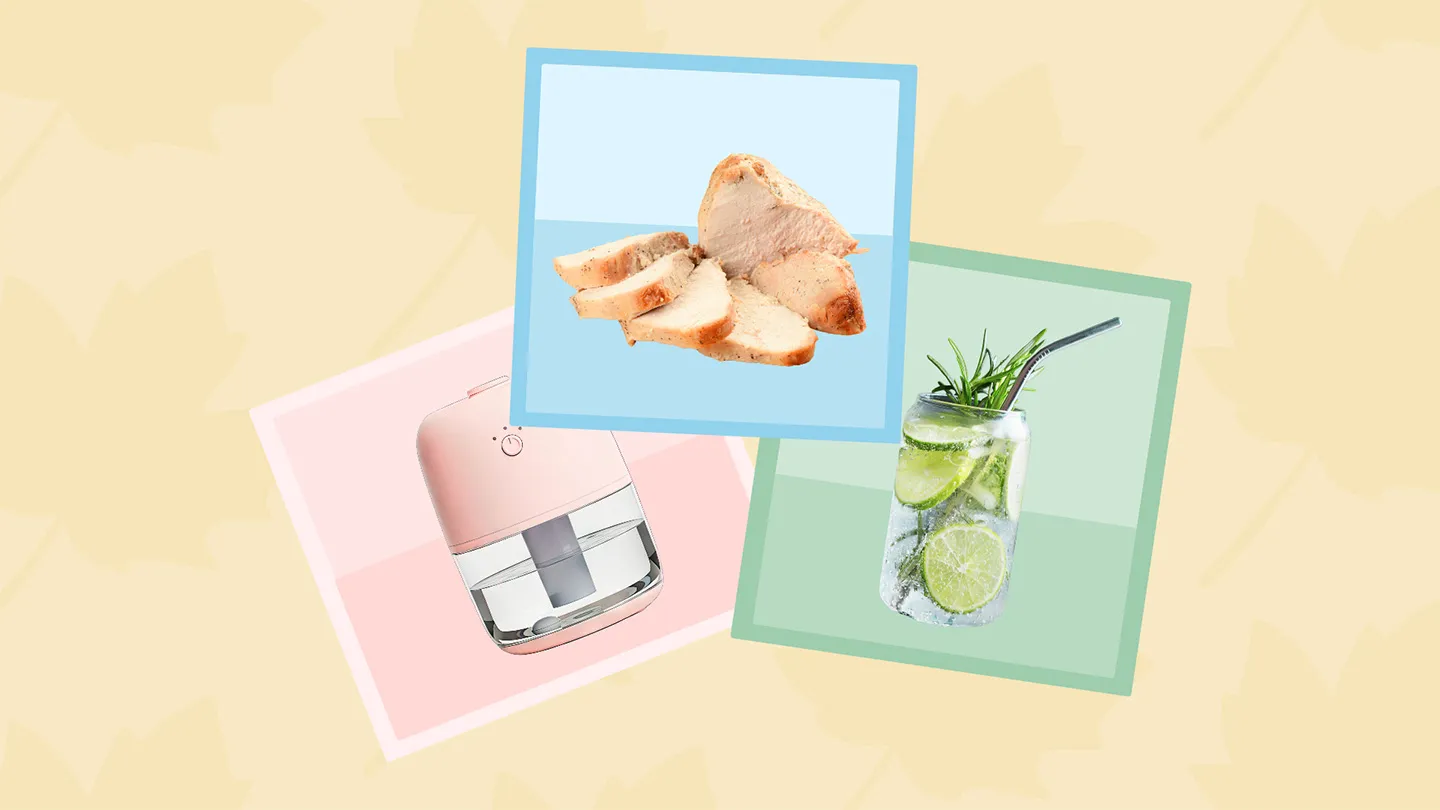
Look for Anti-Inflammatory Options at the Table
You have limited control over what’s served if you’re not hosting, but you can still choose the best options for you. “Indulgence in sugary dishes or alcohol may flare your skin, so try to counterbalance with good fiber, vegetables, and healthy proteins when you can,” Gordon says. You can also offer to bring a dish to share.
- Lean proteins like skinless turkey without a lot of gravy
- Steamed or roasted vegetables like Brussels sprouts, green beans, carrots, or sweet potatoes (limit creamy or cheesy dishes)
- Salads with nuts, seeds, or whole grains
- Nonalcoholic drink options like herbal tea or seltzer with muddled fresh fruit
Know that your meal doesn’t have to be all-or-nothing. “Include some protein and produce on your plate, and then choose small portions of the Thanksgiving foods you enjoy most,” says the Brooklyn, New York–based nutrition expert Alix Turoff, RD. Enjoy a modest scoop of the stuffing you look forward to all year — and skip the dinner rolls that just look okay.
The bottom line? “Eat in a way that supports your health most of the time while still leaving room to participate in the foods, traditions, and experiences that make the holidays enjoyable,” Turoff says.