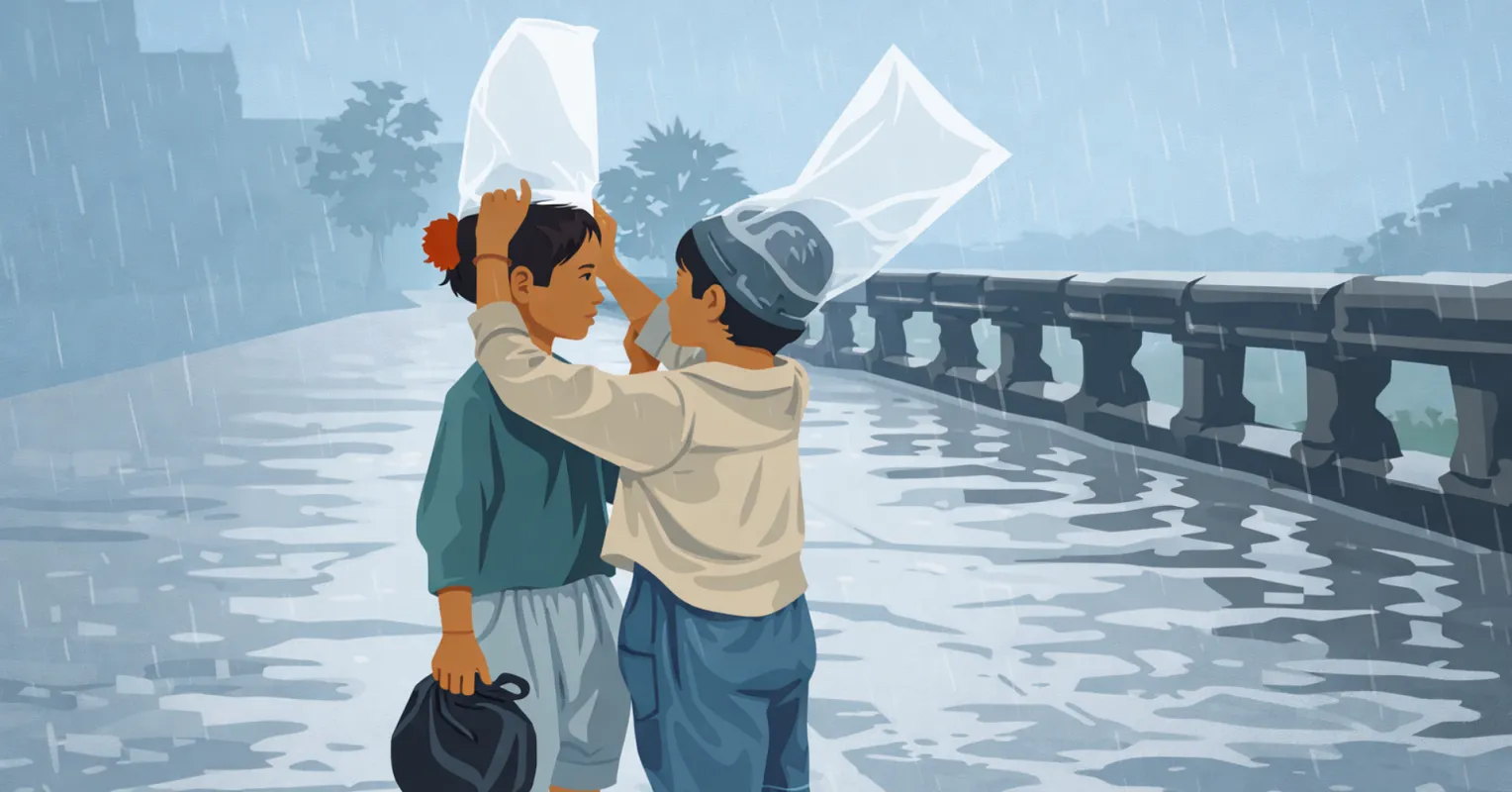
Most of us know what kindness is when we show it or when we see it. However the variety and scope of kind acts may be both smaller or greater than we typically consider. A smile or kind word may make someone’s day, a connection ever so brief, but a kind act that is meaningful in that moment. On the greater scale, kindness can be seen in efforts such as that by Bono, the lead singer of U2, who lobbied relentlessly and successfully for nations to provide AIDS/HIV medications that saved millions of African lives.
Writing for the Mayo Clinic, psychologist Steve Siegle described kindness as “a spirit of helpfulness, being generous and considerate, and doing so without expecting anything in return.” In Decoding the Workplace I shared that doing favors for others, such as in the workplace, builds personal power. This need not be manipulative or even intentional. Just being nice and helping others when they need help suffices. Just be kind.
Is Kindness a Trait, Attitude, or Behavior?
As a psychological concept, what is kindness? It may be viewed in different ways. For some it is a trait acquired over the years through our experiences and observations: “I like to think I am a kind person.” It can also be thought of as an attitude: “I like to do favors for others.” Accordingly the degree to which we are kind may vary across our lives. Ultimately our kindness is expressed through our behaviors, small and large, to help others. For example, earlier in my life I volunteered weekly at a children’s medical center doing research to help the parents of children and occasionally research for physicians.
Just because acts of kindness are done usually with no expected benefits in mind does not mean that acts of kindness are without benefits. To the contrary, research has shown numerous benefits. Multiple studies have found that being kind increases one’s happiness. Lee Rowland and Oliver Curry, published in The Journal of Social Psychology, stated “the more kindness activities that one does, the greater the increase in happiness.” It doesn’t matter whether the act is for a close friend or family member (strong ties) or a stranger (weak ties). Similarly studies have shown that acts of kindness increase well-being, both in Western cultures where people are more independent and in Eastern cultures where people are more interdependent.
How Does Kindness Affect Physical and Mental Health?
Kindness also benefits our body and mind through physiological effects. Increases in empathy, self-esteem, and mood can lower blood pressure and cortisol levels, thus reducing stress. Likewise acts of kindness can boost neurotransmitters like serotonin and dopamine enhancing positive feelings. In short, kindness activities can better our health. All other things being equal, the kind person should be healthier than the less kind person.
Social connections are important to our mental health across our lifespans. Being kind to others creates opportunities to connect and build relationships. This, in turn, can help with issues of loneliness and disconnection.
Is it tough to be kind? At times it can be. Political discourse, family feuds, disagreements, there may be obstacles. But being tough enough to be kind can make a difference in our lives, others’ lives, our world. Steve Siegle ended his Mayo Clinic article with a quotation from the Dalai Lama. I close with that quotation: “Be kind whenever possible. It is always possible.”