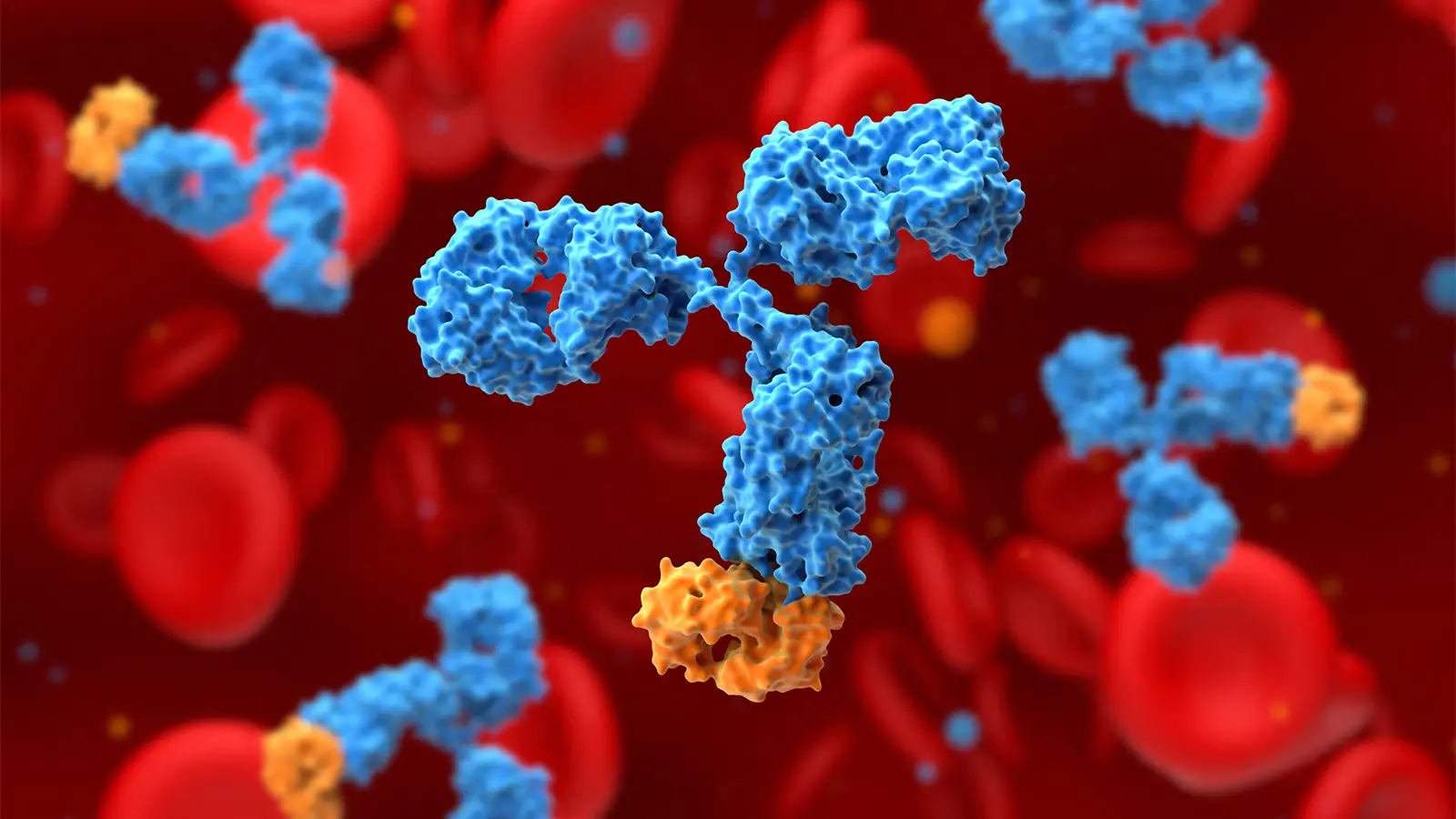
Researchers continue to lay the groundwork for expanding treatment in juvenile spondyloarthritis (SpA), borrowing from advances in disease-modifying anti-rheumatic drugs (DMARDs) in adults.
Earlier this year, the interleukin (IL)-17 inhibitor ixekizumab (Taltz) was shown to be well tolerated and effective for the treatment of children with enthesitis-related arthritis (ERA) and juvenile psoriatic arthritis (PsA) in the phase III COSPIRIT-JIA trial.
At week 16, 90% and 86% of biological DMARD-naive and -experienced participants receiving ixekizumab met the prespecified definition of treatment success — a juvenile idiopathic arthritis-American College of Rheumatology (ACR) 30 response, defined as at least 30% improvement from baseline in three of any six core outcome variables, with no more than one of the other variables worsening by more than 30% — in the 101-person study, giving ixekizumab a potential expanded pediatric indication outside plaque psoriasis.
Meanwhile, fellow IL-17-targeting secukinumab (Cosentyx) is still the only FDA-approved biologic for ERA in children. With few options officially on the market, there is currently more off-label use of biologics and targeted synthetic DMARDs in children versus adults.
“Biologics targeting TNF [tumor necrosis factor] and IL-17A have revolutionized the way we treat SpA and are changing the long-term outcomes,” Robert Colbert, MD, PhD, a pediatric rheumatologist at the National Institute of Arthritis and Musculoskeletal and Skin Diseases, told MedPage Today.
One idea behind the push to bring these therapies to children is that earlier initiation can help achieve better outcomes by preventing the progressive involvement of the axial skeleton in later-stage SpA.
Considerations in Juvenile SpA
“In adult patients, both biologics can slow radiographic progression, which is the formation of new bone in the axial skeleton that can lead to spinal ankylosis over many years,” Colbert explained. “While excess bone formation is rarely seen in children, these biologics started early in the course of axial arthritis may have long-term benefits in preventing the need for hip joint replacements and limiting radiographic progression.”
There is therefore much interest in better identification of these juvenile cases.
“Recognizing early axial disease in children continues to be a challenge and can cause delays in starting the most effective treatments,” Colbert noted. “This problem should improve now that there are classification criteria for axial juvenile spondyloarthritis.”
Juvenile and adult SpA are considered to exist on a continuum but do have important distinctions.
Compared with adult disease, juvenile SpA is typically marked by occasional mild to moderate flare-ups of hip or peripheral disease. ERA is considered a juvenile form of ankylosing spondylitis (AS), with juvenile PsA being the correlate to adult PsA, all falling in the SpA family of inflammatory rheumatic diseases related to arthritis of the spine and joints.
“While research suggests that the immune dysregulation leading to SpA is similar in children and adults, there are important age-related differences in how the disease manifests, particularly when it first starts,” Colbert said.
With less axial or spine involvement in the early course of juvenile SpA, arthritis in the spine or sacroiliac joint can develop 5-10 years after an ERA diagnosis. Some studies have observed up to 40% of children with ERA going on to develop juvenile AS. Ultimately, up to 20% of individuals with SpA experience disease onset in childhood, sometimes as young as 5 years.
“Overall, the biologics have been game-changing in the treatment of juvenile SpA,” Dax Rumsey, MD, MSc, of Stollery Children’s Hospital and the University of Alberta in Edmonton, Canada, told MedPage Today. “Having said that, there are still patients who do not respond to any of the available options, so more research and development in the area is certainly needed.”
More Research Needed
The need for evidence is clear in a 2026 update to the ACR guideline for the treatment of AS and axial SpA, in which many recommendations are only deemed “conditional” on account of the “very low” level of evidence.
Moreover, while the guideline strongly recommends that affected children and adults alike receive a TNF or IL-17 inhibitor for their initial biologic DMARD following first-line therapy with nonsteroidal anti-inflammatory drugs, there is no official preference for any single agent in these classes.
“However, it is generally recommended to choose a TNF inhibitor first, as long as there are no major contraindications to it for the patient,” noted Rumsey.
Safety is another major concern when it comes to biologics in children and adolescents. Anti-TNF therapy, for example, is associated with infection-related complications and increased risks of autoimmune disease; IL-17 inhibitors have generally been linked to infections (particularly candidiasis), inflammatory bowel disease, and mental health conditions.
“No biologic is completely safe, but with proper pre-screening and monitoring, TNF and IL-17A inhibitors are generally considered safe, although IL-17A inhibitors are avoided in patients with inflammatory bowel disease like Crohn’s disease and ulcerative colitis,” Colbert said.
Ixekizumab reportedly showed an adult-like safety profile in children in COSPIRIT-JIA. Similarly, in the phase III JUNIPERA trial, secukinumab’s safety profile in ERA and juvenile PsA was comparable to that in prior reports in adult plaque psoriasis, PsA, non-radiographic axial SpA, and AS.
“There are more long-term safety data in adults, but no particular safety signals have been found in children, suggesting that the risk-benefit ratio is quite acceptable,” Colbert said. “There should always be a discussion of risks and benefits between the patient and/or parent and treating physician.”