As recently as a few years ago, Substack was struggling to shed the perception that it was radioactive. “Substack Has a Nazi Problem,” read the headline of a 2023 Atlantic story that surfaced “scores of white-supremacist, neo-Confederate, and explicitly Nazi newsletters” on the platform, which was, in some instances, taking its standard 10% profit from them. Over 200 Substack writers wrote an open letter opposing the company’s hands-off approach to content moderation, and several high-profile writers and publications migrated to competitors.
Three years later, no one would argue that Substack, which launched in 2017 as a platform for individual writers to charge their subscribers and has since ballooned to five million paid subscriptions, is fringe. Last year, the company closed a $100 million Series C round at a $1.1 billion valuation. But can it, as the title of cofounder Hamish McKenzie’s new memoir-cum-manifesto suggests, really Save the Media?
Kareem Abdul-Jabbar and Charli xcx publish there—Kylie Jenner has said she’d like to—as do new media phenomena like Feed Me and The Free Press. The platform has significant footholds in fashion, AI, politics, literature, celebrity gossip, and most everything in between. In the opening pages of his book, How to Save the Media, McKenzie recalls drinking whiskey at the Chelsea Hotel alongside former Vanity Fair editor Tina Brown, who now publishes the popular Fresh Hell newsletter on Substack. The United Kingdom–born Brown, like McKenzie, came to America from abroad, only to rise to the highest rungs of its media world, and she seemed now to see him as a peer.
“You’re a New Zealander, aren’t you?” she asked McKenzie. “There’s something to being an outsider.”

‘How to Save the Media’ by Hamish McKenzie
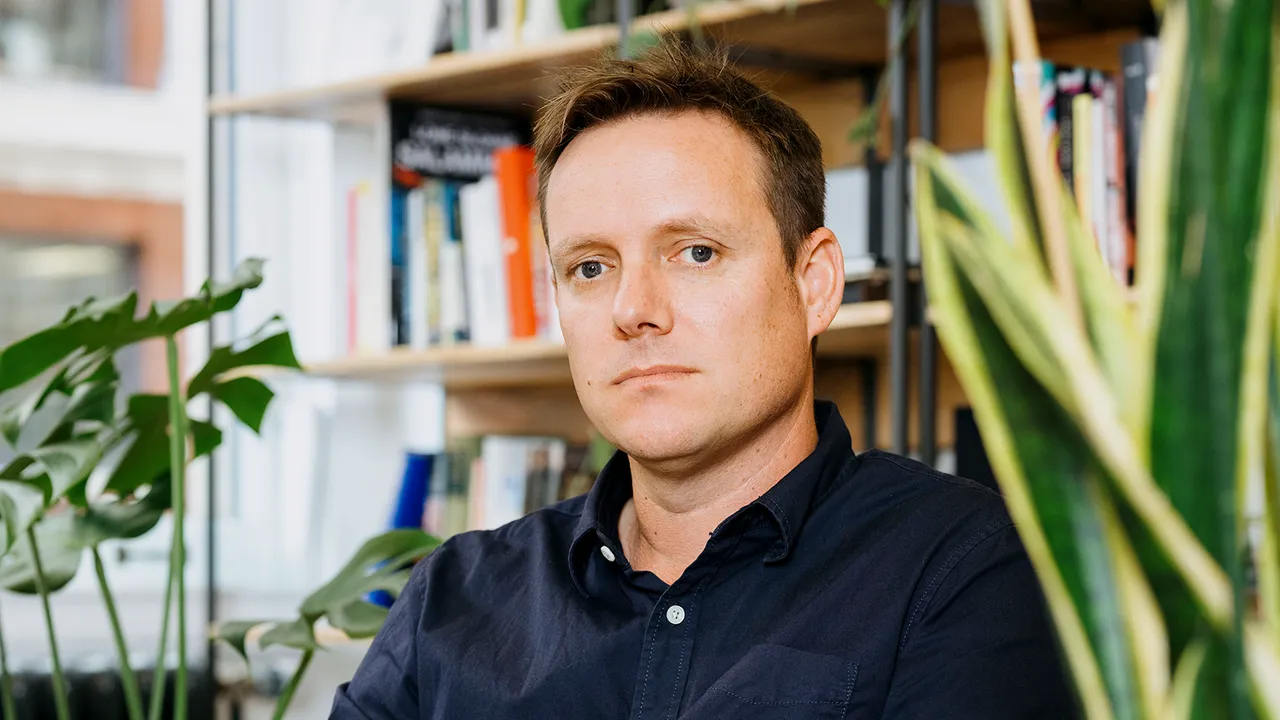
In a recent interview with Vanity Fair, speaking from the Toni Morrison Conference Room at Substack’s San Francisco headquarters, McKenzie appeared uncomfortable with the idea that his book, liberally sprinkled with such encounters with the cream of the Substack crop, amounted to a victory lap. He was, despite a generally mild manner and steadfast earnestness, relentlessly on message. “I’m always going to be like a broken record coming back to the importance of direct relationships,” McKenzie acknowledged. It’s the Substack theory of fixing an ailing media ecosystem: replacing the ad-based chaos sown by the internet with a more nourishing connection between writer and reader, and having consumers pay for the media they want to see in the world rather than subject themselves to the whims of an attention economy controlled by big social media companies. McKenzie admitted his book’s title was a provocation, but “for me, it’s backing up the gospel that I’m trying to preach.”
Still, we could agree that something about the controversies that dogged the platform in recent years now seems quaint—that Substack has achieved some fundamental conquest. Instead of reactively responding to the “Nazi problem,” the company chose to stick with its hands-off approach to content moderation, and the outcry dissipated: Substack remains the go-to home for your established journalists striking out on their own (Jim Acosta, Nate Silver) as well as your upstart media operations repurposing the expertise once best associated with legacy outlets (The Bulwark, The Ankler). I suggested to McKenzie that the platform today is akin to Instagram or Grindr: a tech company, yes, but also an undeniable element of the fabric of contemporary life.

