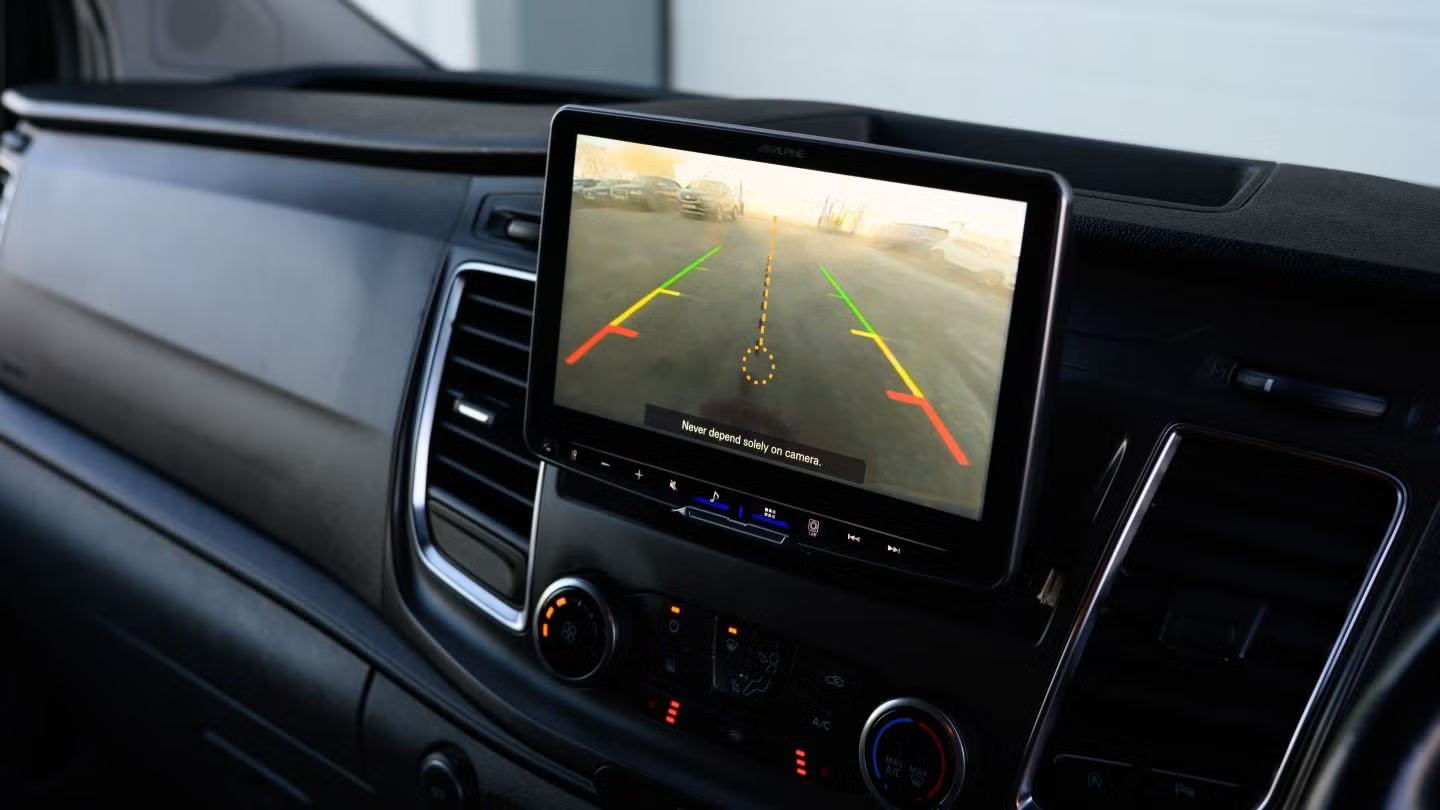
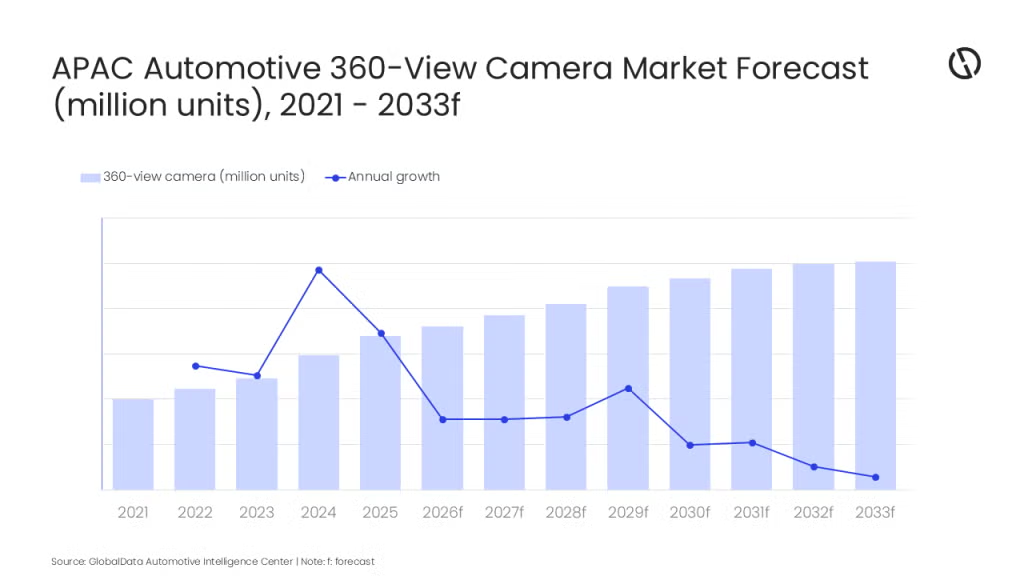
Designed primarily for low-speed maneuvering, 360-view camera technology helps drivers park, navigate narrow spaces, and identify nearby obstacles. For Asia-Pacific (APAC) consumers, its relevance is increasingly tied to urban density and daily parking constraints rather than to vehicle luxury positioning alone. Against this backdrop, the APAC 360-view camera market is projected to grow at a compound annual growth rate (CAGR) of 4.9% between 2026 and 2033, according to GlobalData, a leading intelligence and productivity platform.
GlobalData’s latest report, “Global Sector Overview & Forecast: Automotive Cameras Q3 2026”, reveals that the APAC automotive 360-view camera systems market is poised to grow from an estimated volume of 7.2 million units in 2026 to 10.1 million units in 2033.

Discover B2B Marketing That Performs
Combine business intelligence and editorial excellence to reach engaged professionals across 36 leading media platforms.
Madhuchhanda Palit, Automotive Analyst at GlobalData, comments: “Manufacturers are generally positioning 360-view cameras within wider parking-assistance and ADAS packages. This strategy enables automakers to use the system as a trim-level differentiator while increasing the perceived utility of broader safety and convenience packages. In APAC’s competitive passenger vehicle market, the technology may increasingly move from premium models into higher-volume segments as camera hardware and processing systems become more cost-effective. However, consumer acceptance will depend on whether the feature is intuitive to use and reliable across varying lighting, weather, and traffic conditions.”
360-view cameras are especially helpful in the APAC region, where high vehicle density combines with constrained parking infrastructure, narrow residential streets, mixed road use, and frequent low-speed interactions with motorcycles, bicycles, pedestrians, and roadside objects.
Palit concludes: “360-view cameras are likely to gain further relevance in APAC as vehicle ownership expands in densely populated urban areas and consumers seek practical support for parking and maneuvering. The technology’s long-term adoption will depend on affordability, system accuracy, and integration with complementary safety functions. Manufacturers that treat the feature as a practical response to local driving conditions, rather than solely as a premium option, may be better positioned to widen its appeal.”