Chery’s localisation goes beyond assembly to charging, logistics and robotaxis, embedding it in markets tariffs were meant to protect. By Stewart Burnett
Chery expects that at least 50% of the vehicles it sells abroad will be built outside China by the end of this year, up from around 48% so far in 2026, with the share rising to 60% next year and 70% by 2030, Executive Vice President Zhang Guibing said at the company’s Wuhu headquarters. Much of its European and African expansion is running through plants Nissan no longer needs, as Chery turns a rival’s surplus capacity into a route around local tariffs.
“Step by step, we are trying to localise production and rely mainly on local manufacturing,” Zhang said. He also emphasised that the strategy was about creating jobs and cooperating with local technology partners. Chery already has four main overseas manufacturing bases—in Brazil, Egypt, Kazakhstan and Malaysia, respectively—plus kit assembly in Indonesia, Thailand and Pakistan.
In the case of the latter, much of it runs through local partners such as CAOA in Brazil, GB Auto in Egypt and Inokom in Malaysia. Each site is tailored to its region: Brazil builds flex-fuel and hybrid SUVs for South America, Egypt supplies North Africa, and Thailand acts as a right-hand-drive hub for electric vehicles (EVs) and hybrids.
The common thread between most of its new sites is who it is acquiring them from. Chery bought Nissan’s Rosslyn plant in South Africa in January 2026, reopened it in July and expects production to begin in mid-2027. In Spain, its partnership with Ebro at Nissan’s former Barcelona plant is due to start pre-series production of the Jaecoo 5 BEV by the end of the year, with mass production set to follow in the first quarter of 2027.
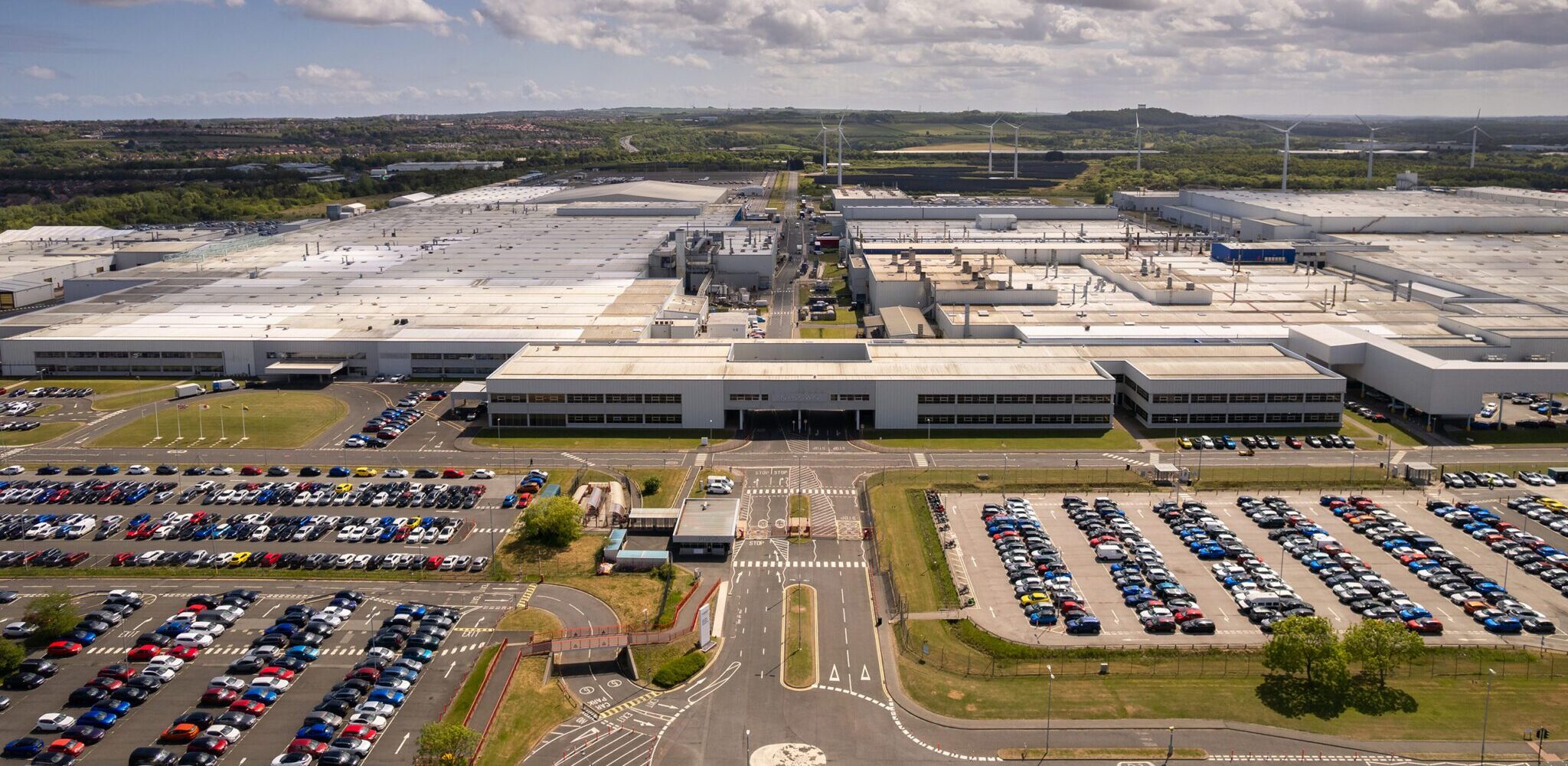
Meanwhile, in the UK it has signed a memorandum of understanding to explore contract manufacturing at Nissan’s Sunderland plant, although this remains under discussion. Clearly the automaker is leveraging what appears to be a positive working relationship with Nissan to capitalise on the latter’s ongoing restructuring, which will see it shutter seven of its nineteen global production facilities and slash its global workforce by as much as 20%.
Europe’s changing trade policies are giving that expansion added urgency. Per-automaker EU duties of up to 45%—41.3% for Chery—apply only to EVs built in China, and the UK has indicated that it may move towards a similar system. Meanwhile, Brussels’ upcoming Made in Europe rules would reward vehicles built inside the bloc, so local production puts Chery on the right side of the rules being designed to contain Chinese brands.
BYD is following the same logic with its Hungarian plant, and has indicated it needs in total three European assembly plants, plus a local battery factory. Leapmotor and Geely are leveraging their relationships with global automakers Stellantis and Ford to share production at existing European sites.
The approach extends to Asia, where Chery—following the example of BYD—plans to enter Japan’s kei segment in 2027 under its Emta brand, initially importing from China, but with Japanese production under consideration from 2030. To support the wider network, it signed an agreement in June with CMA CGM and its subsidiary Ceva Logistics covering finished vehicles, parts and EV batteries across Europe, Asia-Pacific, Latin America and the Middle East.
Chery is also actively building out local infrastructure to support its cars. Indeed, it plans to begin installing fast-charging and energy storage stations in markets including the UK, Spain and Thailand from 2027. “No matter where it invests, Chery Auto will try its best to integrate into the local economy, local community and the future of this country in every market it enters,” said Chairman Yin Tongyue at the reopening of the Rosslyn plant.