
Earlier this week, it was reported that the next round of amendments to the Road Transport Act 1987 (Act 333) will include a law that motorists who cause accidents while driving under the influence of alcohol or drugs will be made to compensate their victims. This is expected to be tabled in parliament next year.
To ensure that the mandatory compensation actually comes through, the government says it is formulating a mechanism to seize assets of – and impose additional jail terms on – drunk or drug-impaired drivers who fail to pay compensation to road crash victims or the families of those killed, the New Straits Times reports.
According to transport minister Anthony Loke, such a move would ensure compensation orders under amendments to the act provide meaningful recourse, particularly when offenders claim they cannot afford to pay.
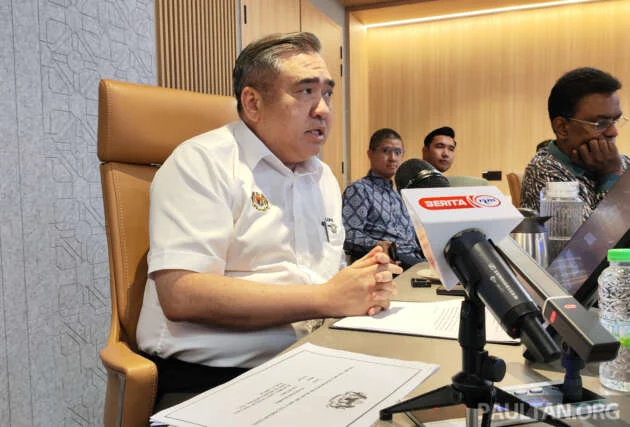
“Under existing provisions in other laws, if an offender is unable to pay compensation, a heavier fine or an additional prison sentence may be imposed. We are also looking into whether the offender’s assets can be seized to ensure that compensation is actually paid to the next of kin,” he told the Dewan Rakyat.
He said this in response to a supplementary question from Datuk Ahmad Saad @ Yahaya (PN-Pokok Sena), who asked about how families of fatal road crash victims would be protected should offenders lack the means to pay compensation.
Previously, Loke said that the proposed changes would also combine criminal proceedings against offenders with compensation claims, a move that would spare victims from having to file separate civil suits to seek damages and also speed up the process.

It was also indicated that it would be looked into that the amount of compensation is not fixed automatically or administratively by the government, but determined by the courts based on the facts and merit of each case, including the level of seriousness of the offence, injury or loss of life, losses faced by the victim or next of kin.
Details of the suggested mechanism will be studied comprehensively to ensure that the amendments are clear, fair and effective, before being presented back to the cabinet for consideration, and then tabled in parliament.