Losing share to hybrid leaders is pushing GM to make an abrupt government-funded pivot into the segment. By Stewart Burnett
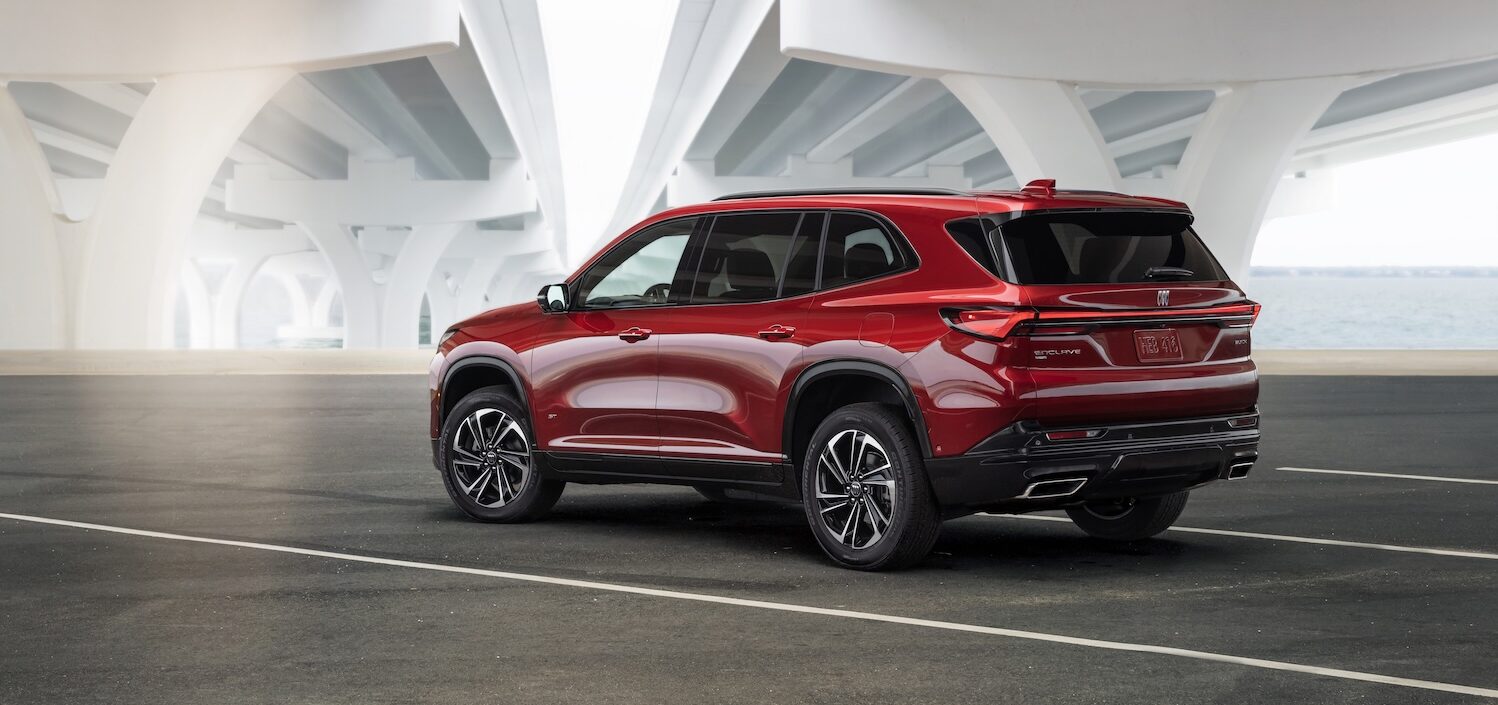
General Motors is planning to build hybrid versions of the Chevrolet Traverse, Buick Enclave and GMC Acadia at its Lansing Delta Township plant in Michigan, people familiar with the matter have told Reuters, as the automaker’s pivot away from full electrification deepens. The shift will be partly funded by a federal grant originally awarded to build battery-electric vehicles (BEVs), yet another sign of how quickly US industrial policy has followed demand back towards the internal combustion engine.
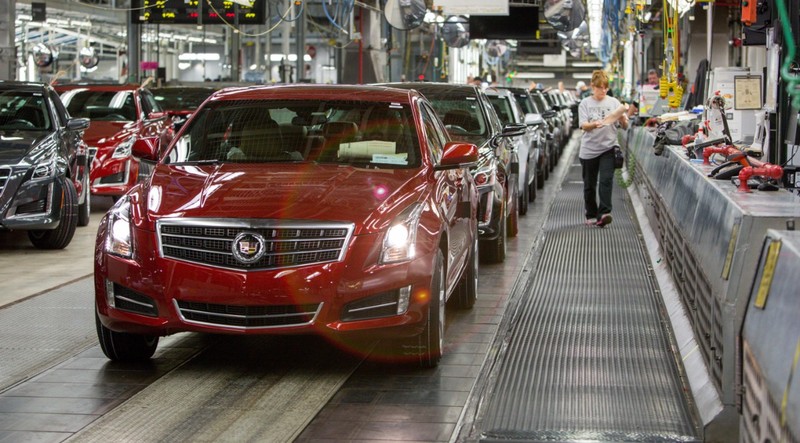
GM has officially confirmed it will prepare the plant for hybrid production as part of more than US$2bn in spending across the broader Lansing region, including a previously announced US$1.25bn for its nearby Grand River plant, but no details on models or timing have been formally announced. The Delta Township site, now open for 20 years, built a record 291,000 three-row SUVs in 2025. “Lansing’s strength starts with its people. Their skill and experience are why we continue to invest here,” said Mike Trevorrow, Senior Vice President of Global Manufacturing, in a statement.
The Department of Energy is also restructuring a US$500m Domestic Manufacturing Conversion Grant, awarded back in 2024 under the Biden administration to convert Grand River for BEV production but never released, so that it funds hybrids at Delta Township instead. The announcement is likely no coincidence, coming just days before the 3 November midterms with several Michigan seats in play. Assistant Energy Secretary Audrey Robertson toured the plant the same day.
Clearly automotive manufacturing is a core issue in the midterm elections, and President Donald Trump and his administration are trying to make hay on it. Perhaps the most noteworthy example, besides GM, was Audi having its Chief Executive appear at a Trump rally to celebrate the announcement of a new plant in central Georgia.
The short-to-medium-term merits of a pivot to hybrids are straightforward. US hybrid sales have surged alongside fuel prices, and GM’s US market share slipped to 16.6% in the first nine months from 17.4% a year earlier. GM’s only hybrids have been versions of the Corvette, and dealers have been pressing for more. “We’ve been telling them every chance we get that we need hybrids,” one dealer told Reuters. Meanwhile, Toyota and Honda gained, and Ford sold around 228,000 hybrids last year.
Relative to their peers, GM executives have been unusually resistant towards hybrids. They have argued for years that hybrids added too much cost and complexity, while doing little to meet the emissions standards Trump has since loosened. Chief Executive Mary Barra told analysts earlier in October that GM would offer hybrids in multiple segments, stating: “It’s not going to be additional [capital expenditures] and engineering.” This statement comes despite GM taking a US$500m federal grant to prepare the plant for hybrids.
The move builds upon an extensive retreat from GM’s BEV-first strategy, following a US$6bn charge in January, a 75% cut to planned Bolt output and the termination of a rare-earth magnet supply deal. Globally, hybrids outsold BEVs in the first half of 2026, taking 18% of sales against 17%, arguably vindicating the more cautious approach some Japanese automakers have taken for years.
GM’s turn to hybrids concedes that Toyota read the US market correctly, and it arrives years after its rivals reached scale in hybrids. Its advantage lies in the three-row SUV segment, where the Traverse, Enclave and Acadia already sell strongly, rather than in hybrid technology where Toyota, Honda and Ford are well ahead on cost.