There’s no doubt that a 200-horsepower superbike is always going to be hard to catch on a long straight. But as soon as you give the road a series of tight, technical corners, short braking zones, and rapid direction changes, outright output starts fading away as an important stat. These are the sections where low weight and agility trump horsepower.
Every motorcycle here weighs 430 pounds or less in running order, and each uses that relative lack of mass to great advantage with its compact chassis and sprightly performance. There’s an undeniable horsepower deficit, but on technical roads and tighter circuits, these featherweight sport bikes, arranged from the heaviest to lightest, can force much bigger counterparts to work hard.
Yamaha YZF-R9
Wet Weight: 430 Pounds

The YZF-R9 barely makes the 430-pound cut, but it also brings the most engine to the fight. Yamaha’s 890cc CP3 triple gives it the corner-exit punch associated with much larger sport bikes, while the dedicated aluminum frame keeps the package lean like a traditional liter-class superbike. Fully adjustable KYB suspension, Brembo Stylema front calipers, and a six-axis IMU make it a proper track tool. At $12,499, the R9, with 117.3 horsepower and 68.6 pound-feet, gives up substantial peak power against 1,000cc machinery, but then claws background through manageable size, strong midrange drive, and a properly agile chassis in the corners.
KTM 990 RC R
Wet Weight: 429.9 pounds
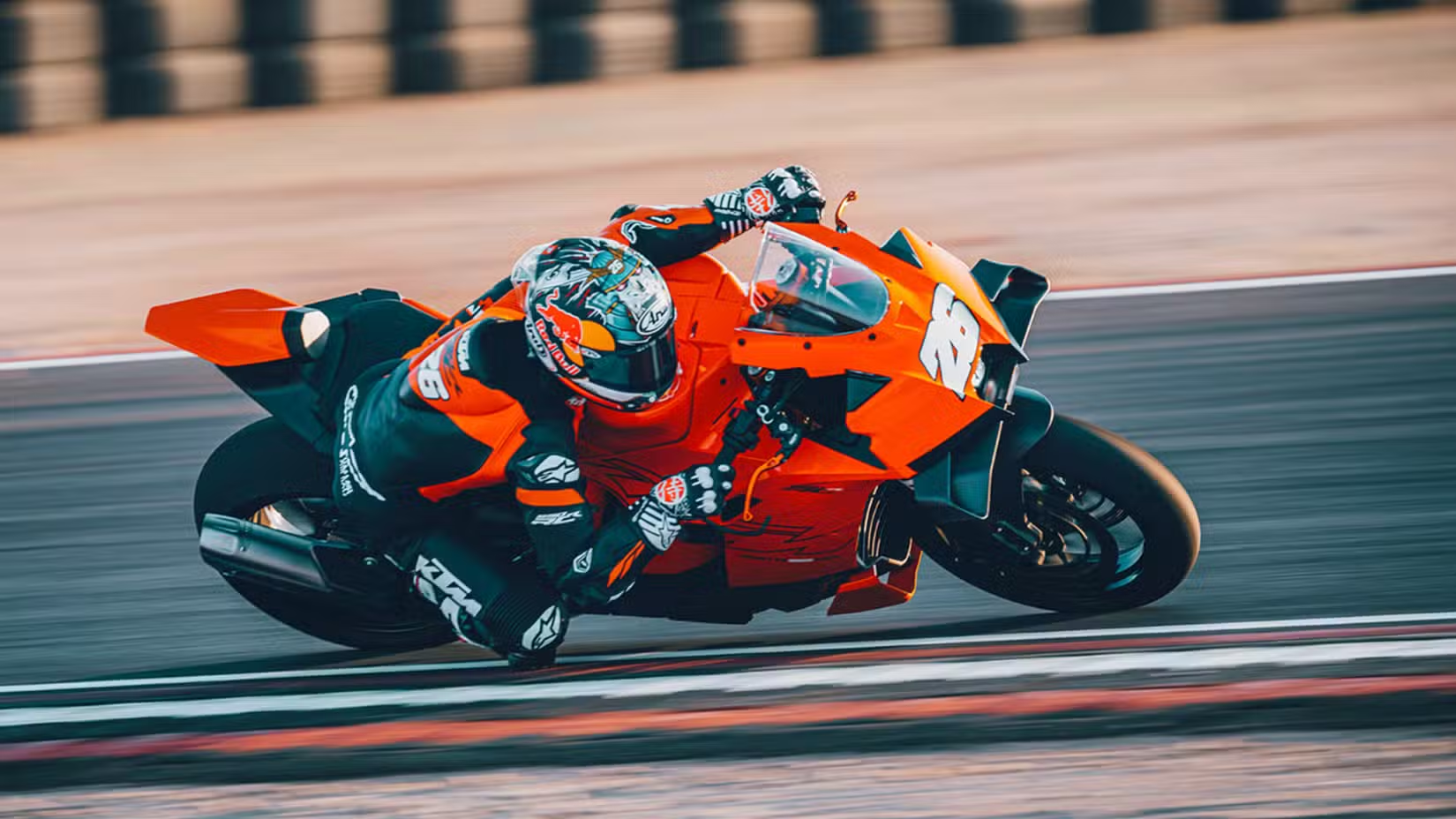
When you want a lightweight sportbike that takes the fight to more powerful models, let KTM handle it. This company is known for its razor-sharp handling motorcycles, and its current-gen supersport, the 990 RC R, is no exception. Powered by a 947cc parallel-twin engine producing 126 horsepower, this orange sportbike is designed for circuit performance. It features a chromoly-steel trellis frame, WP Apex suspension, radial-mount calipers, and a full suite of rider aids that allow you to push the bike on the track and bully superbikes in corners.
MV Agusta F3 RC
Wet Weight: 424.39 pounds (No Fuel)
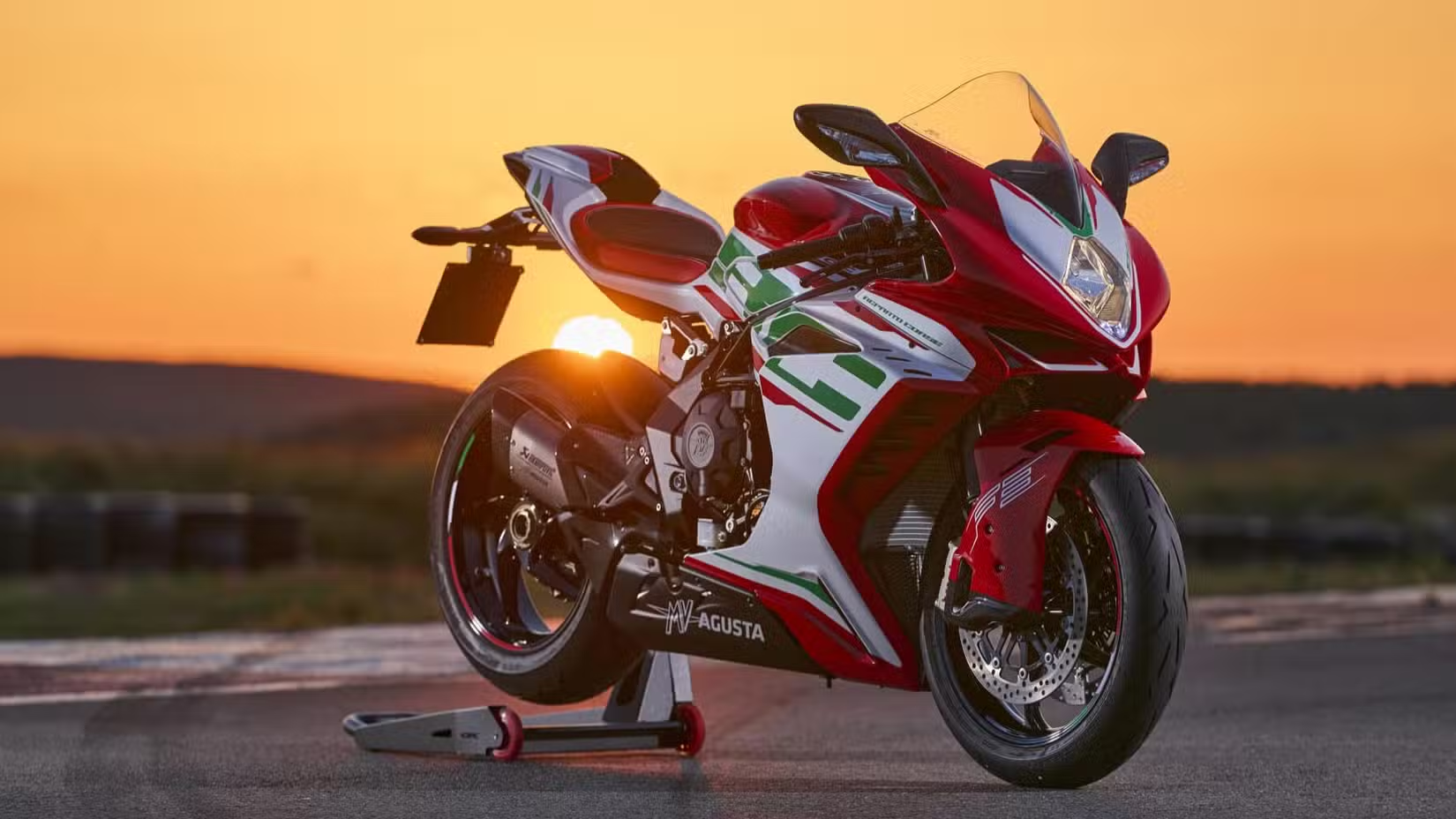
The MV Agusta F3 RC is one of the most slept-on supersport motorcycles out there, and the first thing you’ll notice about this bike is its stunning design, a modern carryover of the legendary F4 superbike. Powering this bike is a 798cc inline-triple producing up to 155 horsepower, and it comes decked out with high-end features. Think Marzocchi/Sachs suspension, Brembo monobloc calipers, carbon fiber body panels, and much more. And in true MV Agusta fashion, this one is known to handle like it’s on rails in corners.
Suzuki GSX-R750
Wet Weight: 419 Pounds
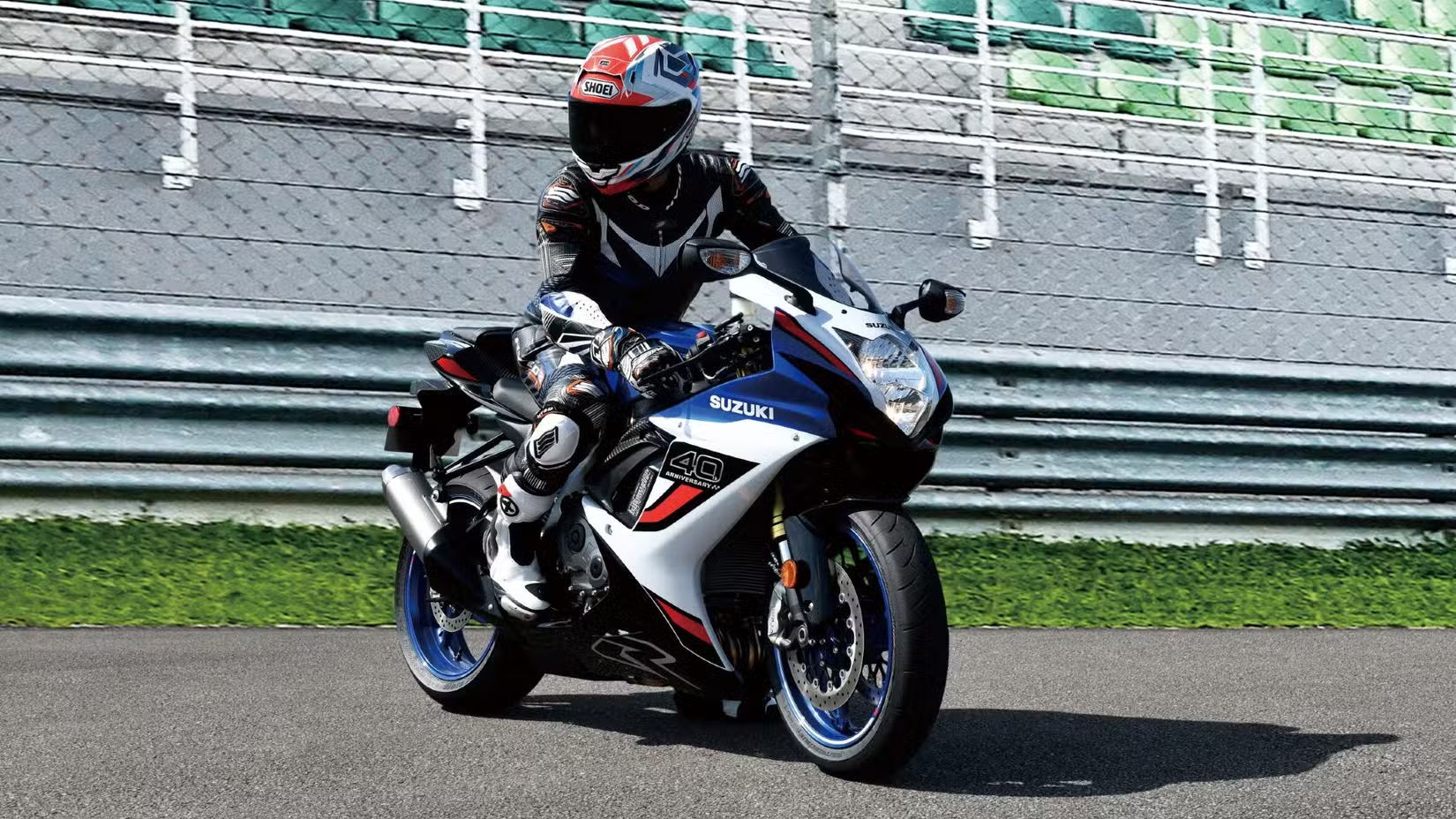
The GSX-R750 exploits a particularly effective loophole in the sport-bike hierarchy. It weighs exactly the same as the non-ABS Honda CBR600RR below, yet its 750cc inline-four has considerably more displacement to work with, developing 148 horsepower and 64 pound-feet. Suzuki still packages that engine inside a chassis closely related to the GSX-R600, which is why the 750 remains difficult to classify and harder to dismiss. It has the straight-line muscle to gap most middleweights without the weight penalty of a liter bike. At $13,249, it remains a rare middle ground between traditional 600 supersports and 1,000cc superbikes.
Honda CBR600RR
Wet Weight: 419 Pounds
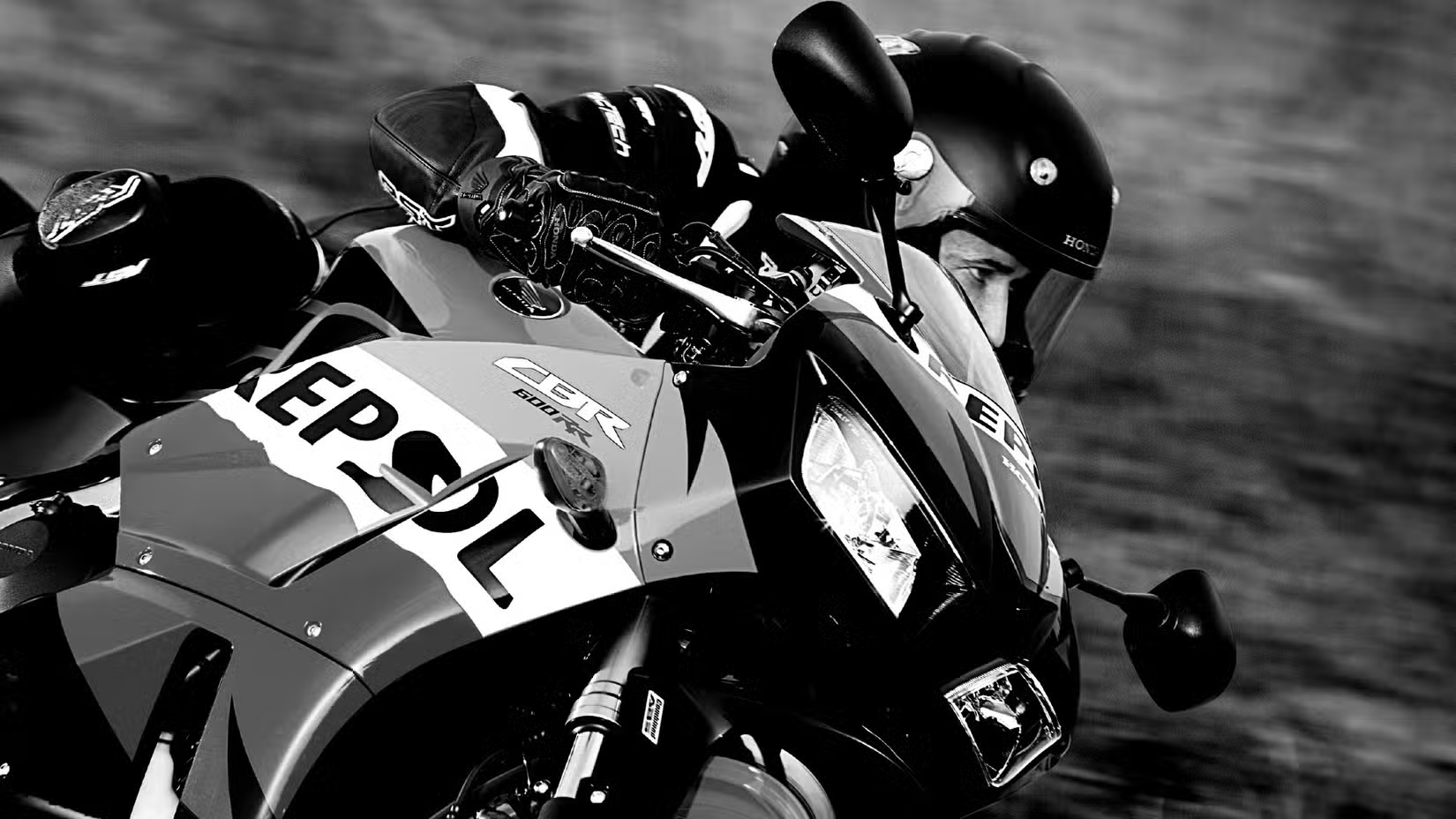
Instead of adding displacement, the Honda CBR600RR leans into the precision that made the 600 supersport class so formidable in its heyday. Its 599cc inline-four churns out 119 horsepower and 46.5 pound-feet, and needs revs, but the supporting hardware is built for late braking and maintaining corner speed. With a 53.9-inch wheelbase, Showa Separate Function Fork-Big Piston fork, and radial-mount front calipers, the CBR600RR rewards a rider who keeps the engine in its working range while carrying serious pace into the corners. The non-ABS 2026 CBR600RR starts at $11,499, and its 419-pound curb weight keeps the focus on agility and accuracy.
Yamaha YZF-R7
Wet Weight: 417 Pounds
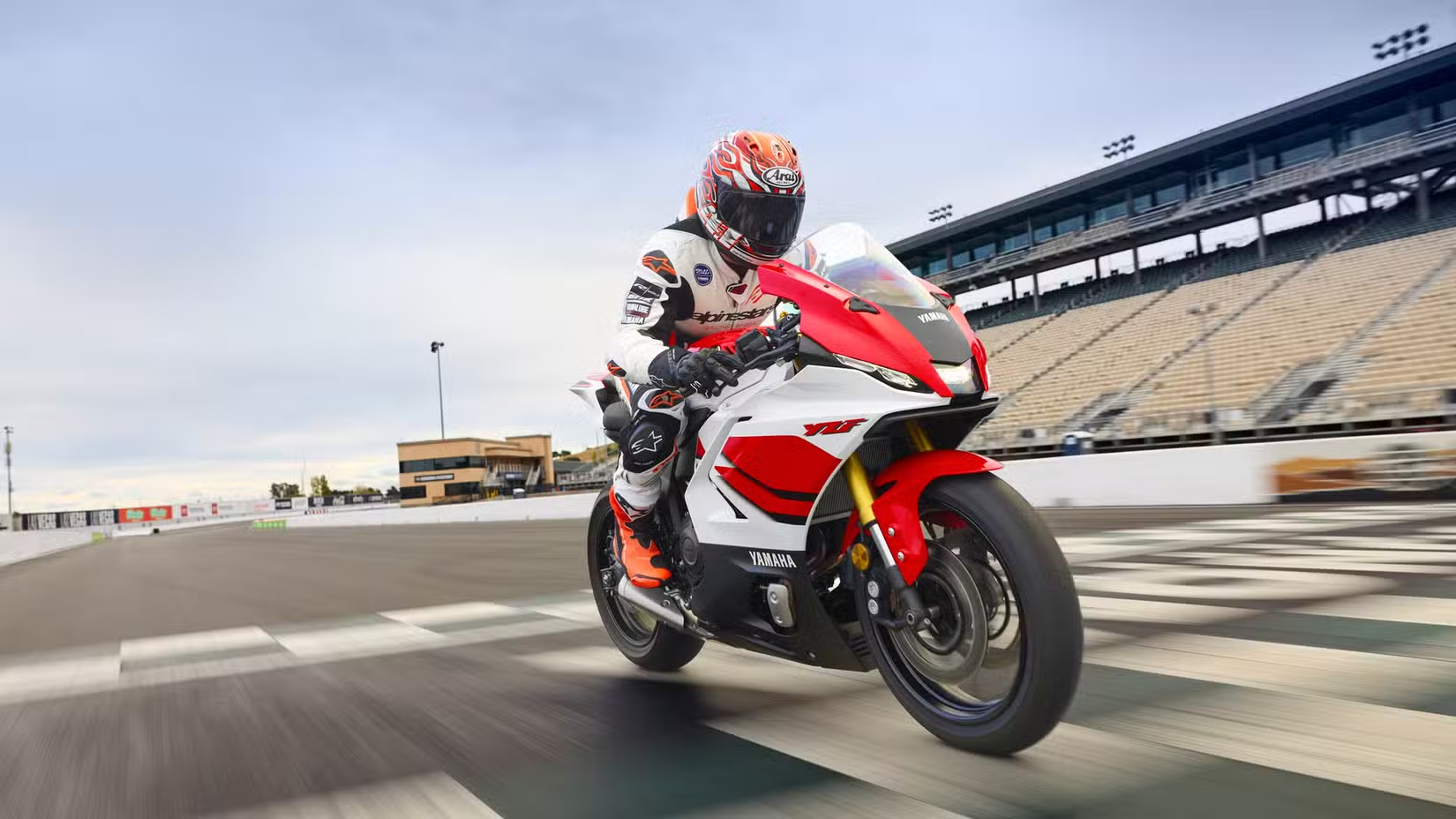
The R7 is slower in a straight line than the 600s here, but that is not the only way to make progress. Yamaha’s 689cc CP2 twin delivers 72.4 horsepower and 50.2 lb-f of torque without demanding high revs. The 2026 update adds a redesigned frame, lighter wheels, a six-axis IMU, and expanded electronic rider aids. The result is a motorcycle that is easier to exploit on a winding road, where corner entry, line choice, and early throttle input are key. At $9,399, the R7 also costs substantially less than the remaining Japanese 600 supersports and fares below bigger bikes.
Kawasaki Ninja ZX-4RR
Wet Weight: 414.5 Pounds
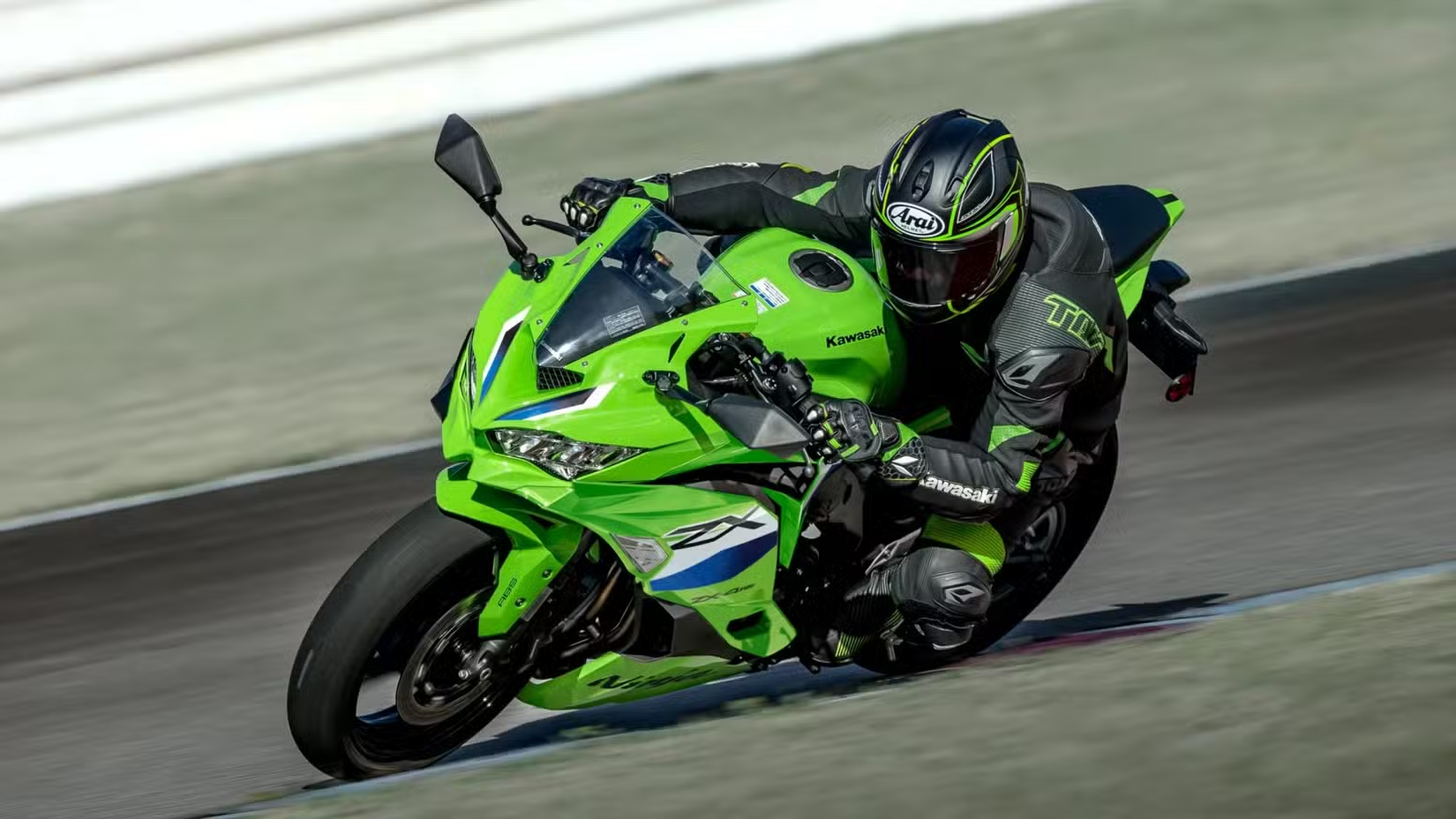
The Ninja ZX-4RR embarrasses bigger bikes in a unique way. Its 399cc inline-four produces a limited 56 horsepower in the U.S., and can be worked around to its full output, but nobody should expect it to win a drag race against a proper 600. What it offers, however, is permission to use far more of the engine, way more often. The four-cylinder thrives on five-digit revs, and the chassis supported by a Showa BFRC Lite rear shock and an adjustable SFF-BP fork gives it genuine track-day credibility. Tight sections reward a committed rider on the ZX-4RR because maintaining momentum becomes the priority. At $9,999, the ZX-4RR is expensive for a 400, but there is little else like it on the market.
Suzuki GSX-R600
Wet Weight: 412 Pounds
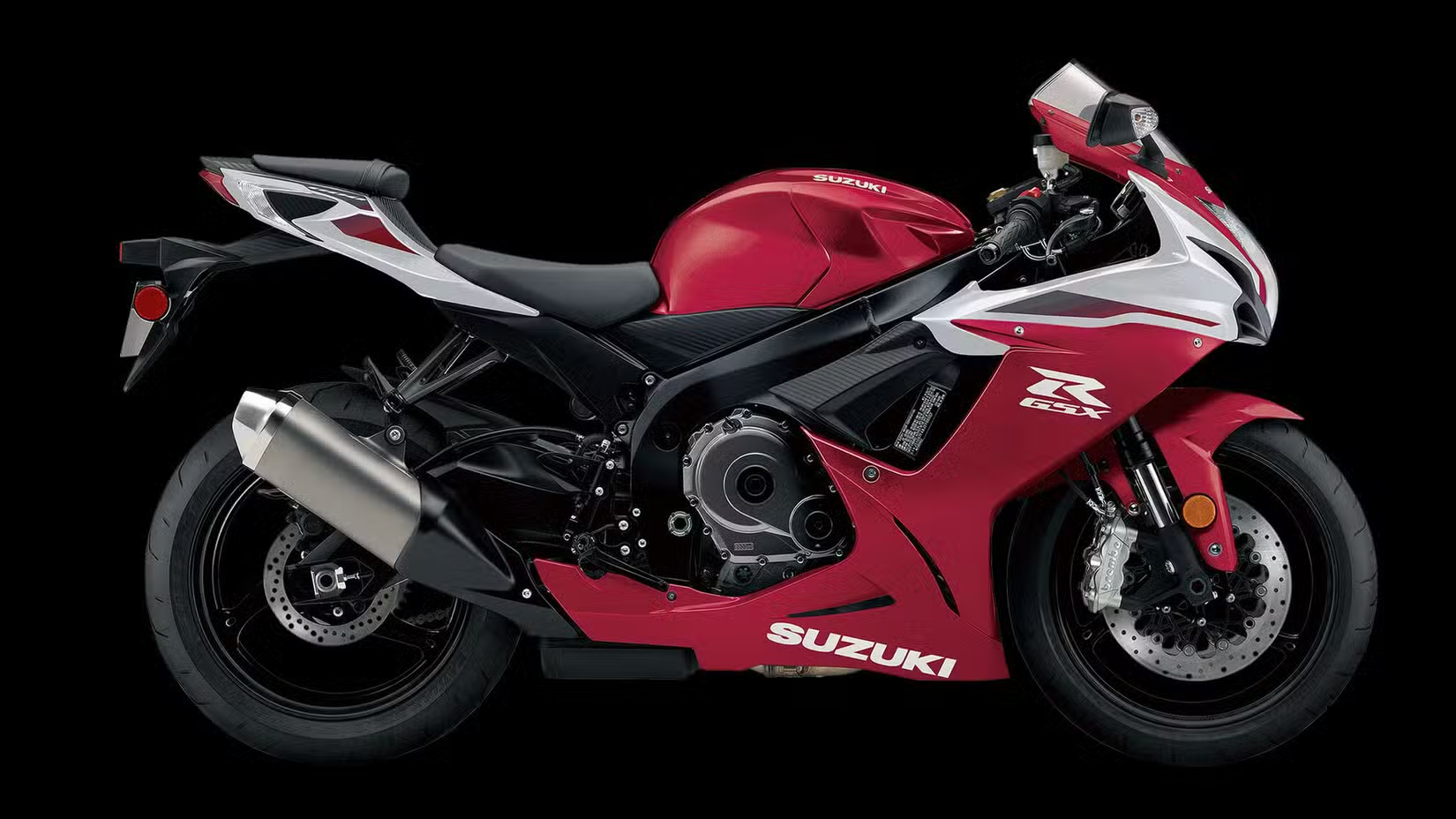
Seven pounds, 22 horsepower, and 12.6 pound-feet separate the GSX-R600 from its 750cc sibling, but the smaller Suzuki has a distinct job. Its 599cc inline-four, close-ratio six-speed gearbox, adjustable Showa suspension, and Brembo Monobloc front calipers are built around carrying momentum. Where a larger bike can compensate for a compromised corner with torque, the GSX-R600 rewards a cleaner line and more committed corner speed. That makes it demanding, but also extremely effective when the road stays tight enough to limit the value of huge horsepower. The 2027 GSX-R600 starts at $12,499, keeping one of the purest old-school supersports alive.
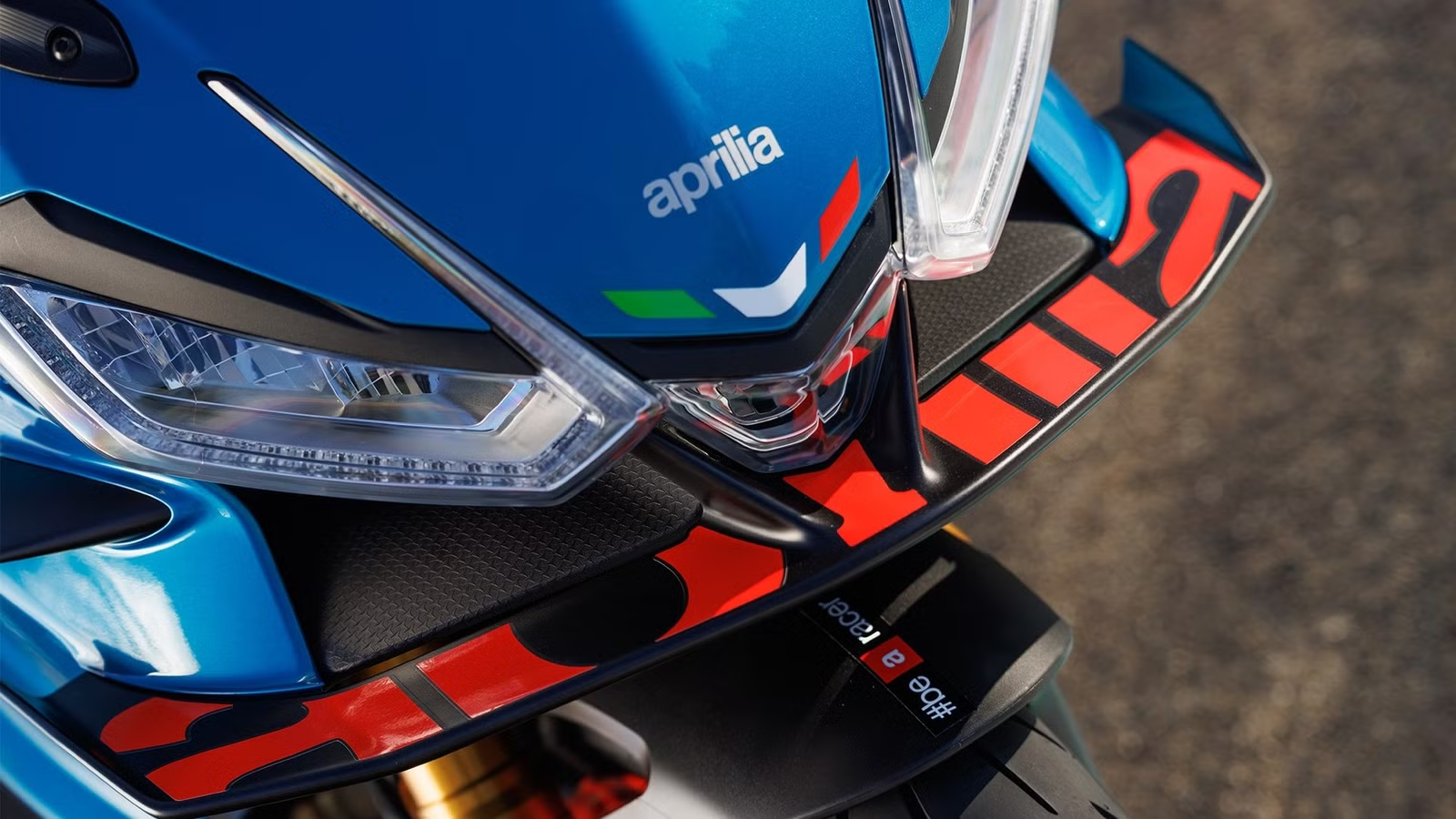
Aprilia RS 660 Factory
Wet Weight: 403 Pounds
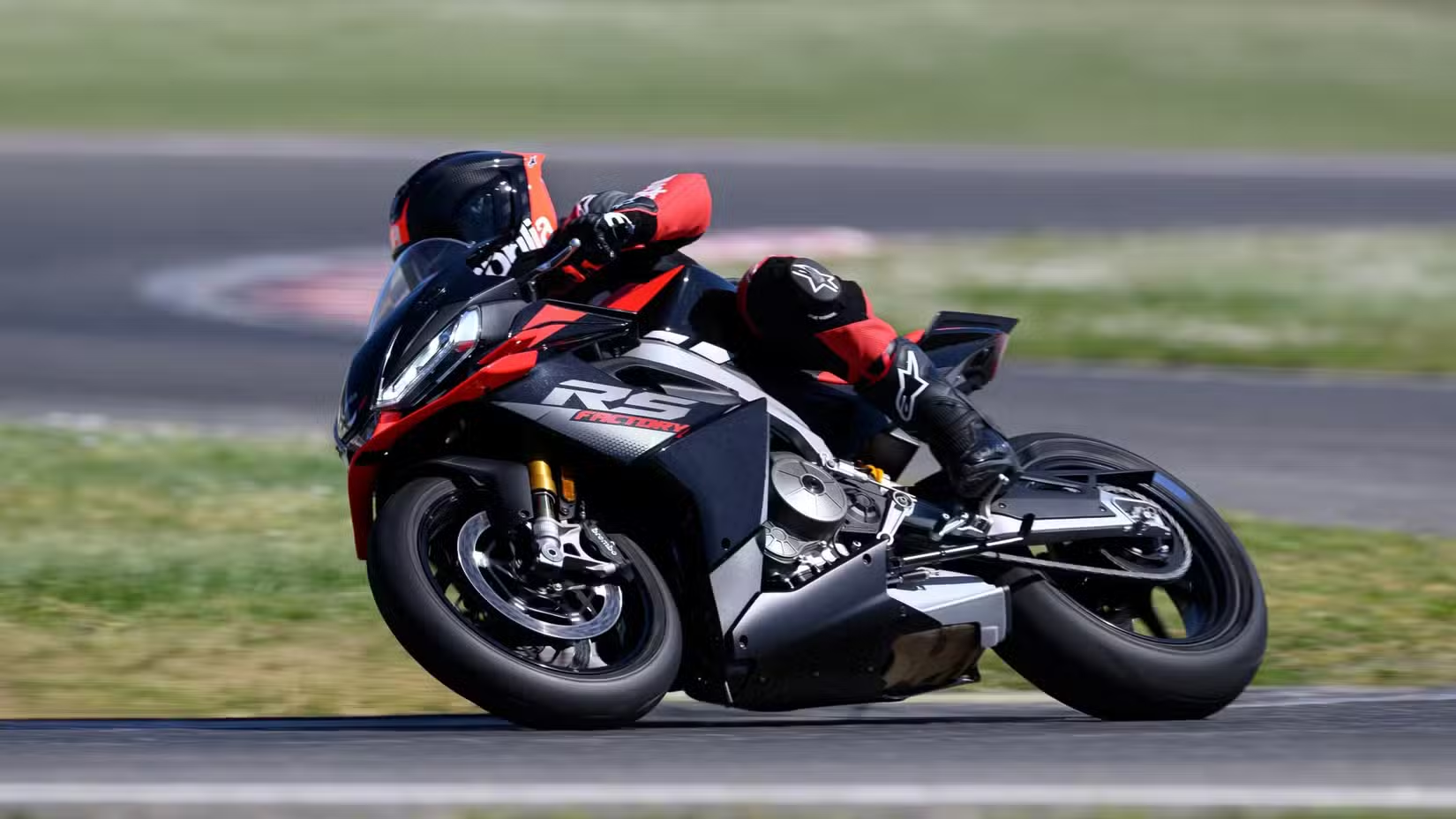
The RS 660 Factory’s power-to-weight ratio is what makes it special. Aprilia claims 105 horsepower from its 659cc parallel-twin, yet its curb weight is only 403 pounds, 16 pounds less than the GSX-R750 and CBR600RR. Fully adjustable Öhlins suspension separates the Factory from the standard RS 660, while cornering ABS, traction control, wheelie control, launch control, and a bidirectional quickshifter match the chassis with serious electronics. It costs $14,149, which is substantial for a middleweight. Still, few bikes here combine triple-digit horsepower, premium suspension, and such low mass in one street-legal package.
Ducati Panigale V2
Wet Weight: 395 pounds (No Fuel)
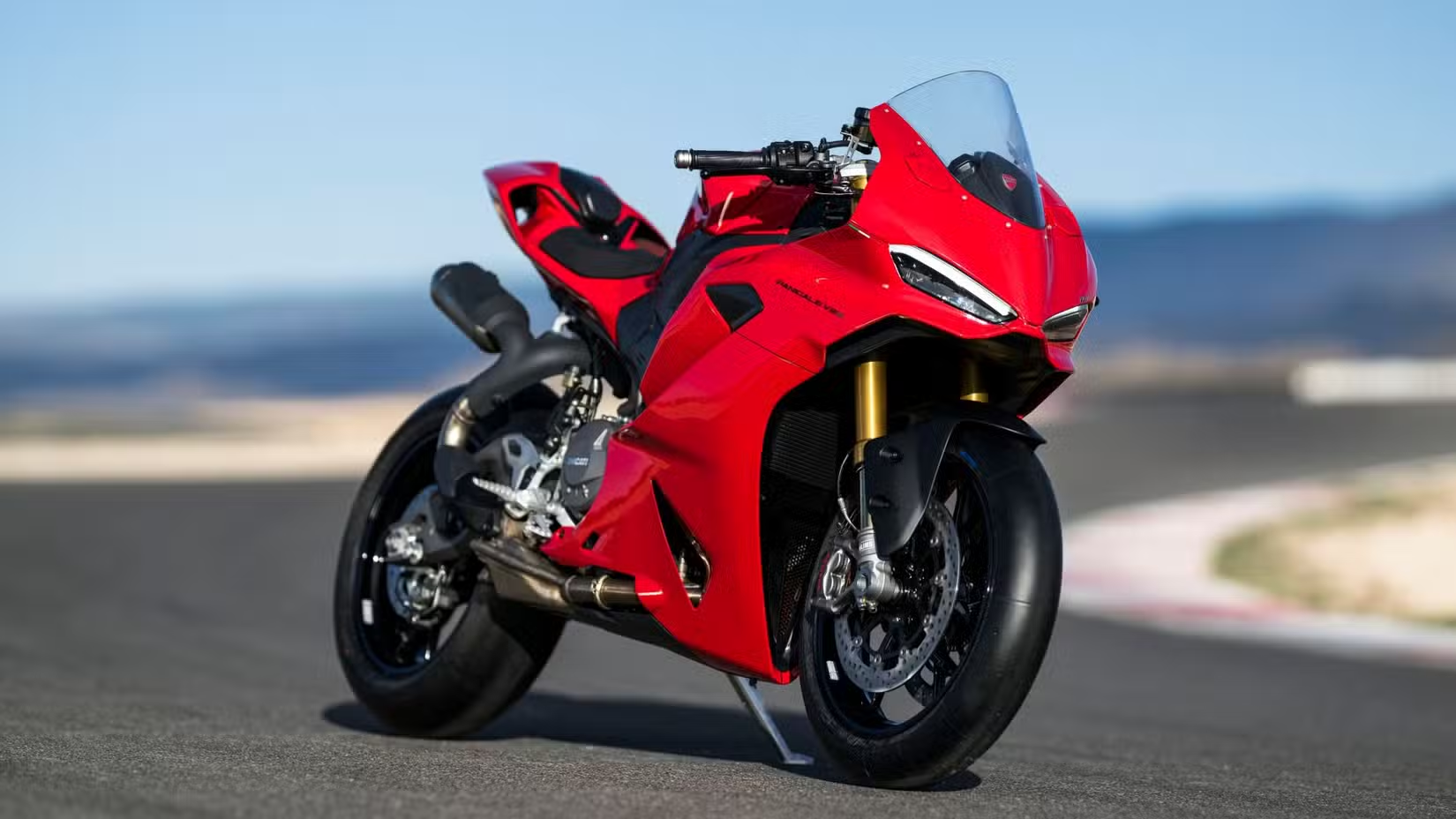
The Ducati Panigale V2 lives in the shadow of its superbike sibling, the Panigale V4, but it remains one of the most capable middleweight sportbikes you can buy today. It features the new V2 engine that produces 120 horsepower and 69 lb-ft of torque, which is paired with a monocoque frame, fully adjustable Kayaba suspension, and Brembo M50 monobloc calipers. In its V2 S avatar, it upgrades to Ohlins suspension, launch control, pit limiter, and more, which not only make it more capable but also shave a few pounds off its weight.