The automaker known as the Volkswagen Group used to control Bugatti. It all started in 1998, when the Wolfsburg-based colossus acquired the French automaker’s design and naming from Romano Artioli. Indeed, the guy who commissioned a Bugatti factory in Italy for the EB110. In 2021, the Porsche division moved the company into a joint venture with the Rimac Group.
Porsche and the Volkswagen Group as a whole completely sold off remaining stakes in Bugatti Rimac earlier this year, giving the hypercar marque to the Rimac Group and HOF Capital. As the German automaker was planning its divestment of Bugatti, the suits in Wolfsburg pressed Mate Rimac to develop a fully electric successor to the Chiron.
It sure was time for something completely new, especially if you remember that the Chiron follows the very same recipe as the Veyron. Even though Mate Rimac had the Nevera’s platform ready to fulfill this project’s non-negotiable targets, the guy in charge of Bugatti Rimac and the Rimac Group opted for something far more daring than VW’s idea.
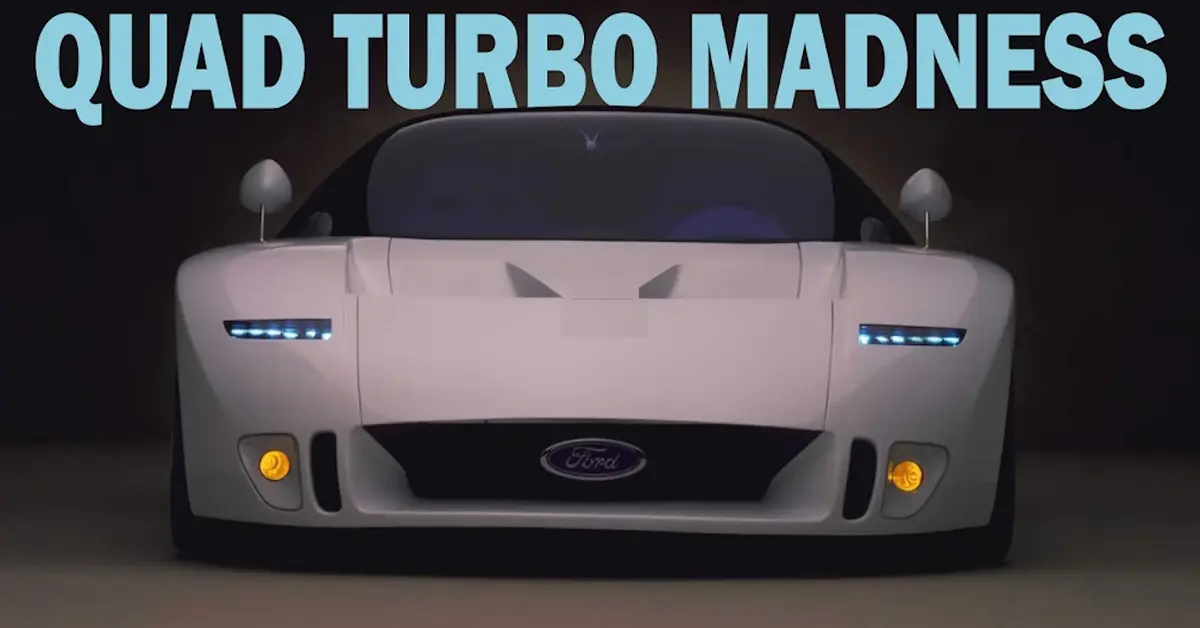
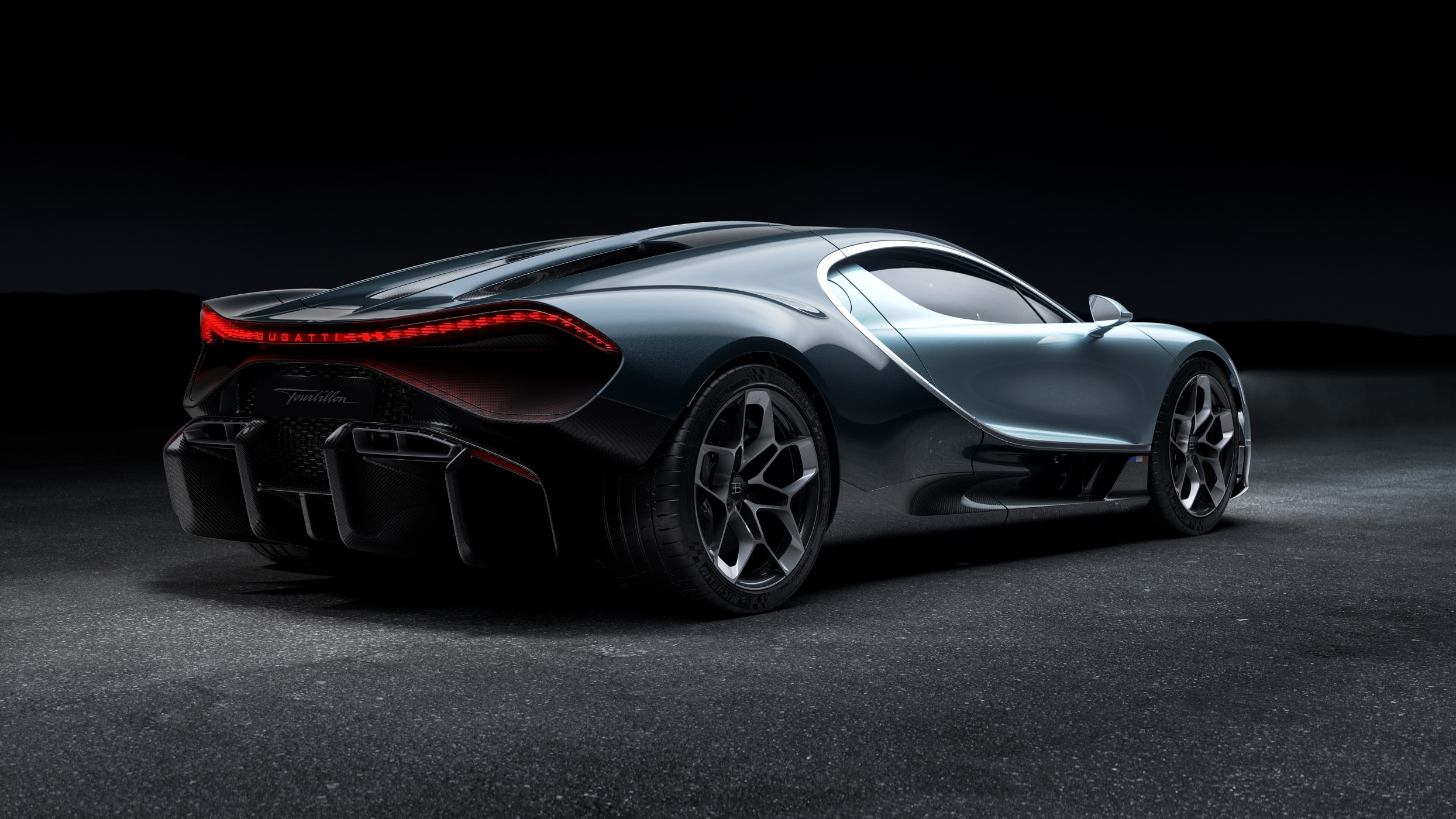
Mate Rimac went in the opposite direction, building the Tourbillon around a Cosworth-developed naturally aspirated V16 that happens to be larger than the Volkswagen Group’s quad-turbo W16 engine. Instead of complete electrification, the compromise reached with the Volkswagen Group came in the form of plug-in hybrid assistance. This compromise also helped the Tourbillon meet Euro 7 regs, but more importantly, an internal combustion engine this ludicrous gives the car emotional appeal.
Speaking to Automotive News, the Croatian engineer and entrepreneur made it clear that he originally believed that electric powertrains would become preferable to internal combustion in the hypercar segment due to inherent peak torque and software advantages. The Nevera, however, taught Mate an uncomfortable lesson in regard to how emotion works in the automotive industry.

Photo: Bugatti
More specifically, the very technologies and advantages that once made electric hypercars feel like the future also took away something extremely important. With the passing of time, said technologies and performance attributes became the norm across multiple segments, hindering the appeal of electric hypercars. Customers at the top of the market, he concluded, do not settle for the norm.
Mate compared the shift to the world of luxury watches. Remember when digital watches were once viewed as futuristic? They eventually became commodities, and buyers returned to the appeal of traditional analog timepieces. The parallel was clear for Mate, and you can also see a bit of this parallel in the absolutely insane gauge cluster of the 1,775-horsepower Bugatti Tourbillon.
The chief exec acknowledged that developing a completely new hybridized powertrain would be far more complex and costlier than going electric while leaning on the Nevera’s platform, but looking back, Mate and company have nothing to regret. The originally proposed Bugatti electric hypercar might have bombed hard, and bombing hard is not an option at this level of the industry.
Mate was equally candid to Automotive News about the commercial outlook for the Nevera itself. Asked whether he would start the Croatian electric hypercar program today, Mate would still explore the potential of four independently controlled electric motors, because why not? But from a commercial standpoint, he acknowledged that it would be the wrong choice in 2026.
That admission makes the Tourbillon decision all the more revealing. Mate isn’t arguing that electric powertrains lack performance or that Bugatti should abandon new technology. Instead, he is arguing that technical capability is a very different animal from customer appetite. As it often happens in this business, they do not always move in lockstep.