With the ICE Golf leaving for Mexico in 2027, Wolfsburg’s most important electric model continues to face uncertainty. By Stewart Burnett
Volkswagen is reportedly pausing development of the electric ID. Golf at Wolfsburg, as cost cuts reach one of its most important future models. “We simply can’t afford this work right now,” Brand Group Chief Executive Thomas Schäfer told staff in a memo, days after reports that he had proposed moving most of VW’s next-generation models, the ID. Golf presumably included, onto its Xpeng-derived Chinese architecture.
The decision would come on the heels of the group’s €5.9bn (US$6.5bn) operating loss in Q3, comfortably its largest since the 2015 Dieselgate scandal. The loss was driven by a write-down on its Porsche stake, continued sales deterioration in China and thinner margins on its electric vehicles. “We cannot afford to lose any time and must act quickly and decisively,” said Chief Financial Officer Arno Antlitz. Wolfsburg, which is also the company headquarters and therefore not among the plants facing closure, is currently €300m short of its cost-cutting target, according to Schäfer’s memo.
David Powels, Chief Financial Officer of the VW brand and its core brand group, described the move as “a specific measure” to “temporarily pause development work on the future ID. Golf at the VW brand until we can securely accommodate the necessary investments”. The works council, for their part, said the pause would not delay the vehicle’s launch and pledged to make up the lost time. It also characterised the freeze as “yet another sign of how strained the group’s financial situation is”. The electric ID. Golf had already slipped from 2028 to around 2030.
The model is due to be among the first Volkswagen models on the group’s Scalable Systems Platform (SSP), which has itself slipped from its original 2026 target, with Audi and Porsche now first in line. Its software is being developed through the joint venture with Rivian, which emphasised on 29 October that the working relationship with Volkswagen was “very positive” as its revenue contribution rose to US$354m in the third quarter.
Still, the architecture question naturally hangs over the pause. Schäfer has proposed using CEA, the architecture VW co-developed with Xpeng, for around three-quarters of the brand group’s next-generation models, with supporters estimating that a China-developed Tiguan would cost about €8,000 (US$9,000) less than a European one. Freezing ID. Golf work now avoids committing further funds to one architecture while the board decides whether to switch to the other.
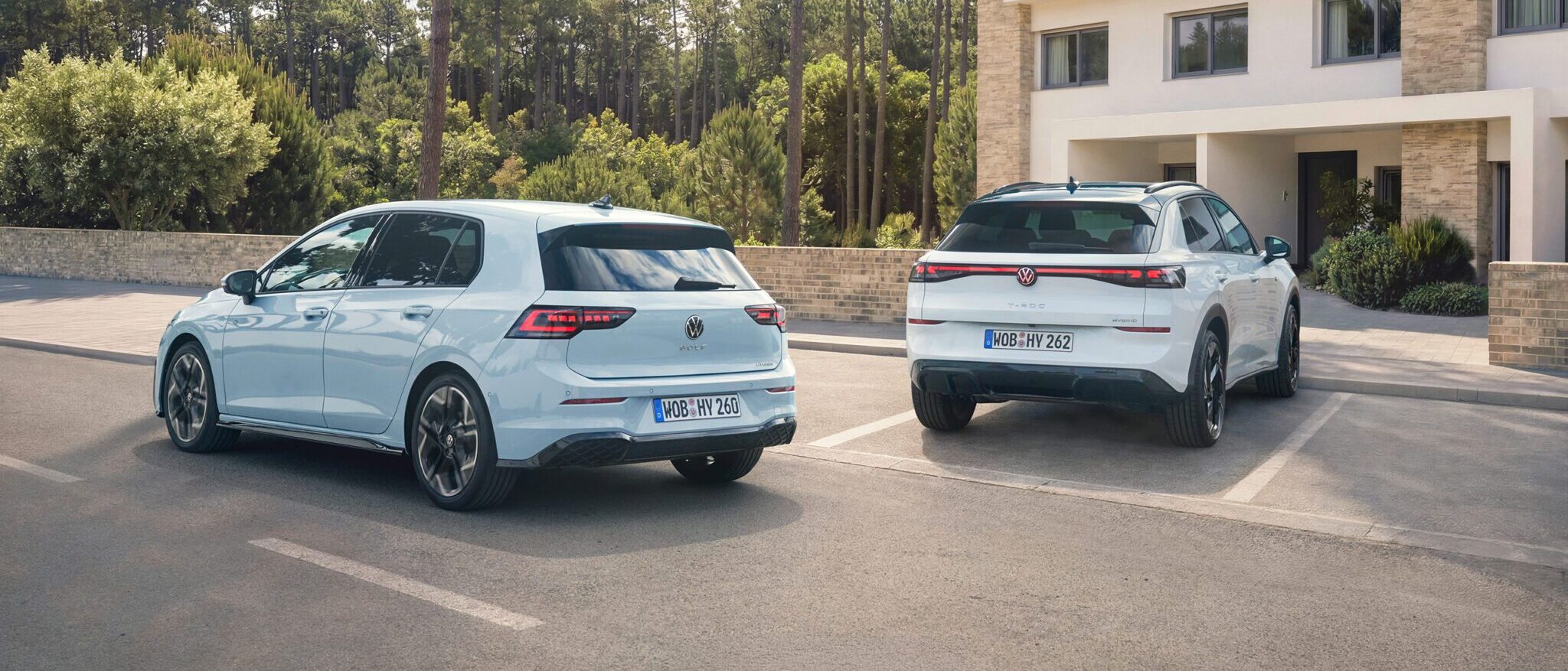
The knock-on effects reach beyond the Golf. Internal combustion engine-powered (ICE) Golf production is set to move from Wolfsburg to Mexico in 2027, leaving the plant’s long-term Golf role dependent on the electric version. Meanwhile, the related Škoda Octavia and Cupra Leon are likely to stay on sale longer. IG Metall is considering strikes from 1 January, with anger already high over VW’s 100,000 job cuts and Audi’s US$4bn Georgia plant announcement.
The pause is less a funding gap than a decision deferred: from the outside, it appears that Volkswagen will not commit more money to its most important electric model until it decides whose software will run it. For Wolfsburg, that means its future rests on a car whose architecture is undecided while its ICE equivalent leaves for Mexico.