
- The proposal would cover about 75% of next-generation models from Volkswagen, Skoda and Cupra, pending review by group management.
- Using the Chinese architecture could save billions of euros, though concerns remain internally over adaptation costs and technical risks.
Volkswagen is reportedly considering using an electrical/electronic architecture co-developed with Xpeng (NYSE: XPEV) for mainstream models in Europe, potentially expanding the role of China-developed technology across its global lineup.
Germany’s Manager Magazin reported on Monday, citing people familiar with the matter, that the China Electronic Architecture (CEA), originally developed for the Chinese market, could underpin future models from Volkswagen, Skoda and Cupra.
Volkswagen core brand chief Thomas Schaefer is expected to present the proposal to group management on October 27. It would cover about 75% of next-generation models across the 3 brands.
If implemented, the proposal would alter Volkswagen’s strategy of developing separate software technologies for China and Western markets.
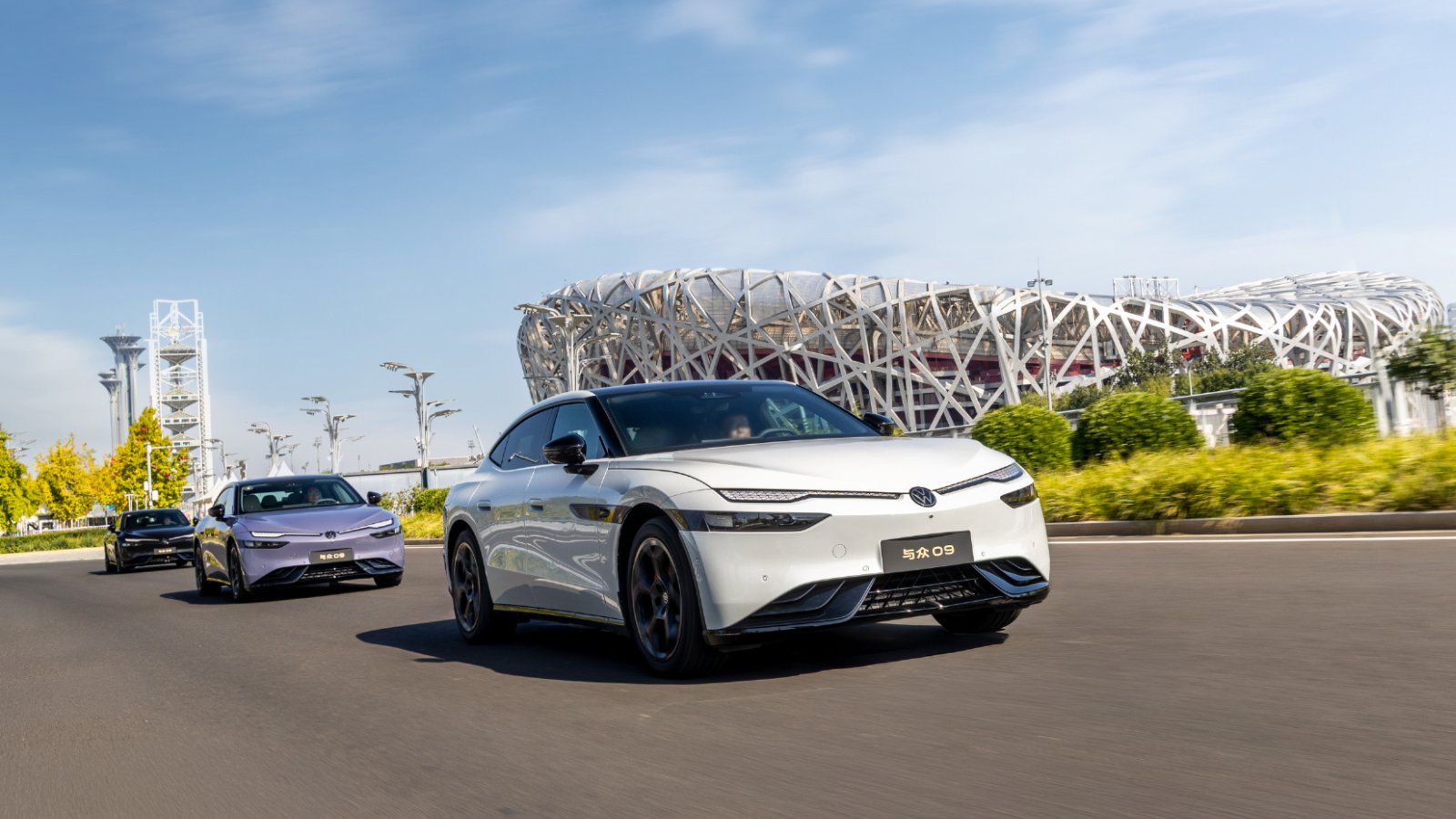
Volkswagen currently uses the architecture co-developed with Xpeng in China, while working with US electric vehicle maker Rivian on a separate technology for Western markets.
The Rivian partnership involves a $5.8 billion investment and is central to Volkswagen Group CEO Oliver Blume’s software strategy. Bringing the Chinese architecture to Europe could diminish the US partner’s role in the group’s technology plans.
Cost is a major driver of the proposal. Schaefer’s team estimates that switching to the Chinese architecture for key vehicle segments could save the group €4 billion to €5 billion, according to Manager Magazin.
Potential applications cited in the report include future electric models such as the ID. Golf, ID. Passat and Skoda Enyaq. The mainstream segments these vehicles compete in are particularly sensitive to development costs and pricing competitiveness.
Supporters of the proposal argue that the software and electrical/electronic architecture developed by the Chinese team are already in use and can also support vehicles built on the group’s existing European platforms, the magazine reported.
However, divisions remain within Volkswagen. Some question whether adapting the architecture to European regulations would be as simple or inexpensive as its advocates suggest, while further development also carries risks.
Supporters of the Rivian approach also worry that a substantial reduction in the Volkswagen brand’s use of its technology could affect cost-sharing within the partnership, according to Manager Magazin.
Software development has long been a challenge in Volkswagen’s transformation. The group’s complex lineup, spanning mainstream brands such as Volkswagen and premium marques including Audi and Porsche, has made it difficult to scale technology, a challenge also faced by its software unit Cariad.
Volkswagen’s strategic partnership with Xpeng began in July 2023, when the German automaker announced a $700 million investment in the Chinese company and plans to jointly develop 2 Volkswagen-branded battery electric models for China.
In August 2025, the companies expanded their cooperation, extending the jointly developed electrical/electronic architecture (E/E Architecture) beyond battery electric platforms to Volkswagen’s internal combustion engine and plug-in hybrid platforms in China.
Xpeng said at the time that deploying the architecture across platforms and powertrain types could accelerate software iteration and over-the-air (OTA) updates, shorten vehicle development cycles and deliver greater economies of scale.
The proposed European rollout could extend the technology developed through the partnership beyond Volkswagen’s Chinese operations to its core European lineup, though the ultimate scope remains subject to group decisions.
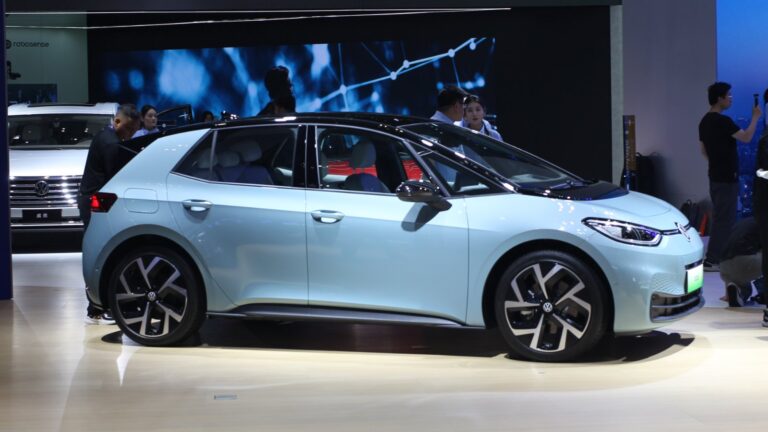
Volkswagen has begun real-world road testing and data collection for L3 technology in Hefei.