Ending a beloved book series is notoriously difficult. The longer readers spend with a world and its characters, the more expectations build around the finale, and even an otherwise excellent series can stumble when it’s time to deliver long-delayed answers and cathartic goodbyes. Thus, it’s no surprise that many beloved sagas end in at least a bit of disappointment.
Not so with the titles on this list, however. These series got better at the end, culminating in their strongest book. Interestingly, they lean toward fantasy, but some other genres are also well represented. What’s important is that all pull off their masterful farewells with confidence and style, delivering a final book that is the undeniable standout in their series.
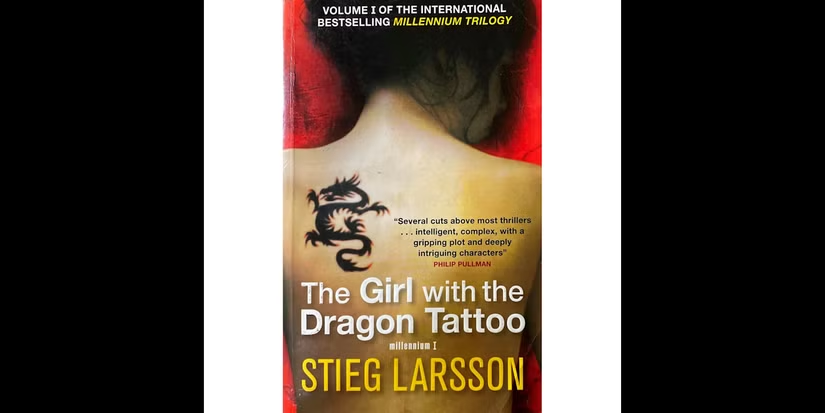
“The whole story was one big goddamn mess.” This series gripped the public imagination in the mid to late 2000s, starting strong with The Girl with the Dragon Tattoo and then finishing off with the perfect capstone in The Girl Who Kicked the Hornets’ Nest (though the subsequent continuation novels, not written by the original author, would be disappointing). Tattoo introduced journalist Mikael Blomkvist and hacker Lisbeth Salander through a largely self-contained mystery, while The Girl Who Played with Fire dragged Lisbeth’s history to the foreground.
The final book then takes those revelations and builds an intricate conspiracy thriller around the forces that have been exploiting and silencing her for years. It moves into a courtroom setting, giving the spunky antiheroine an opportunity to fight her enemies on terrain beyond physical survival. We get a satisfying conclusion to her arc, and it’s cathartic to see Lisbeth at least freeing herself from her demons.
The Expanse by James S.A. Corey
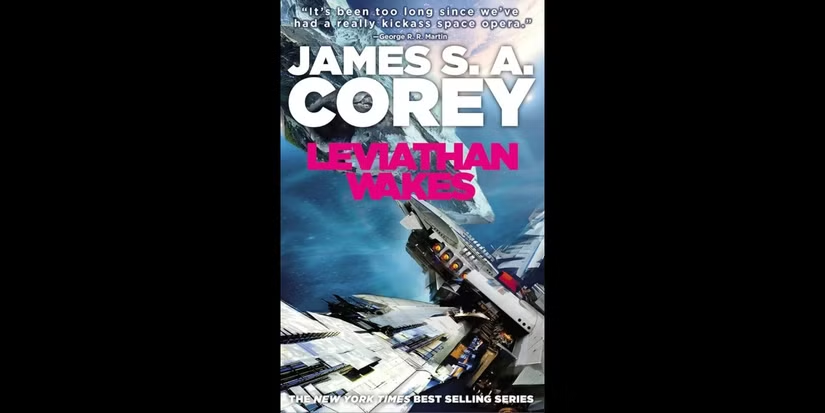
“When people don’t know anything, they love having meetings to talk about it.” The Expanse is a masterful sci-fi series by James S.A. Corey (the pen name of writers Daniel Abraham and Ty Franck). By the ninth and final novel, Leviathan Falls, the saga had traveled a remarkable distance from the relatively straightforward mystery of the opening installment, Leviathan Wakes. The original political struggles between Earth, Mars, the Belt, and Laconia are eventually dwarfed by questions about alien technology and humanity’s place in a much older cosmic conflict.
Nevertheless, a big part of why Leviathan Falls is so good is because it keeps the focus on the protagonists and their emotions, even in the face of galactic forces. Holden, Naomi, Amos, and the others feel like real people rather than simply pieces being moved around to serve the plot. Not to mention, some of the answers to big, long-standing lore questions are truly juicy.
Malazan Book of the Fallen by Steven Erikson
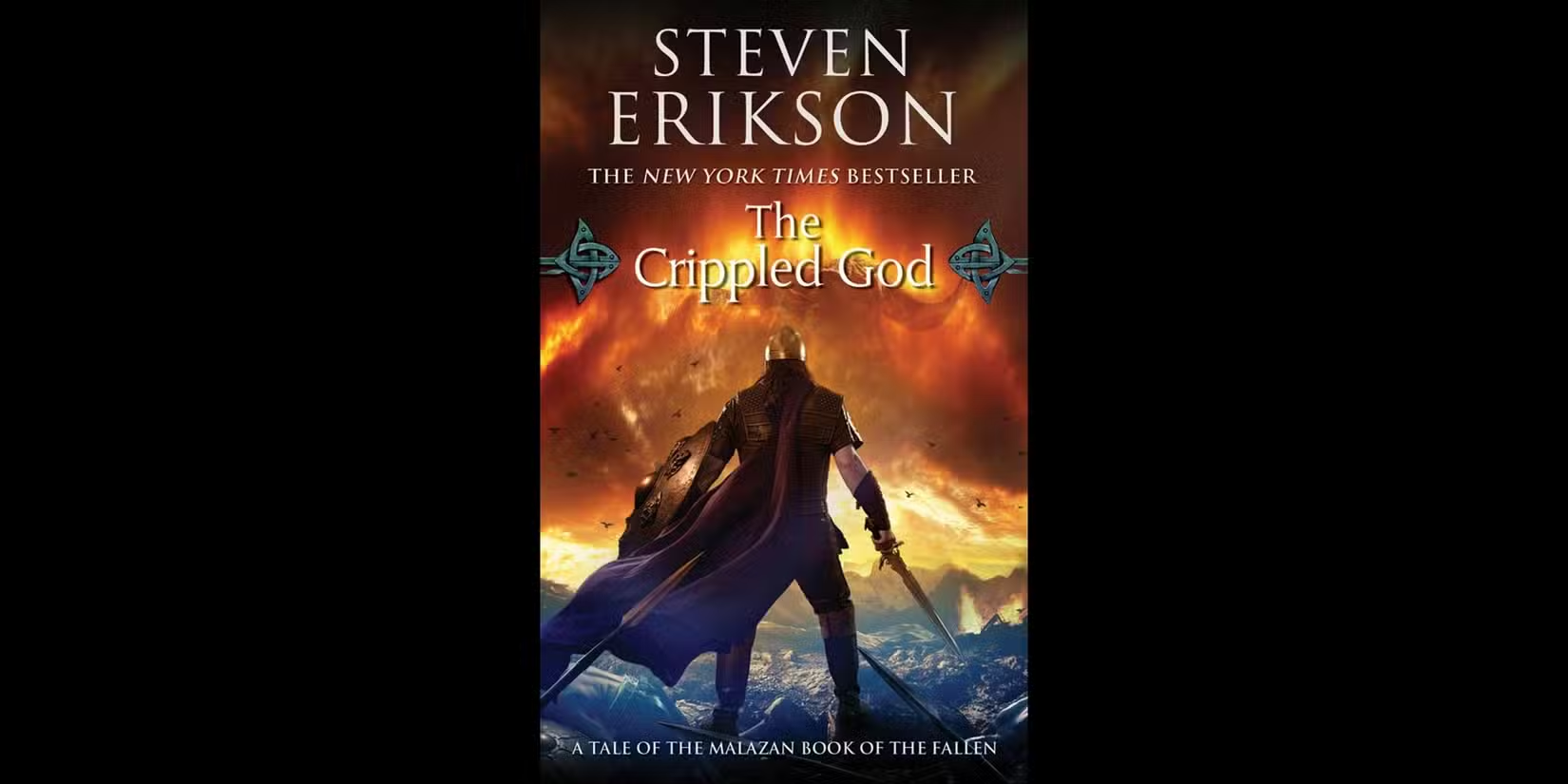
“We were never what people could be. We were only what we were. Remember us.” The Malazan Book of the Fallen is arguably the most epic of all epic fantasy, unfolding across hundreds of storylines, literal millennia of history, and some 11,000 total pages. By the last book, The Crippled God, author Steven Erikson was juggling a mind-boggling number of characters and plotlines, yet he managed to bring them all to a graceful and coherent conclusion (something that these kinds of blockbuster fantasy series often botch).
The resulting book is brutal, exhausting, occasionally bewildering, and unexpectedly emotional, full of sound and fury, battles and sorcery, but also some genuinely touching, character-driven moments. In the end, a sprawling tale of warring empires and scheming gods becomes a statement on empathy and compassion. In other words, this finale delivers both hard-hitting action and weighty themes.
Realm of the Elderlings by Robin Hobb
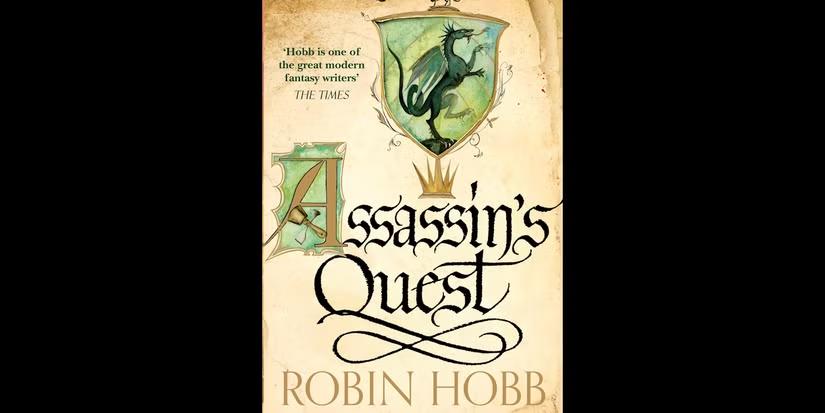
“I have never been wise.” Realm of the Elderlings is a super-saga by author Robin Hobb, consisting of five subseries totaling 16 novels. There were the Six Duchies books centered on FitzChivalry Farseer, and separate subseries following the Bingtown Traders and the Rain Wilds. The last book, Assassin’s Fate, seamlessly merges these worlds, bringing together liveships, dragons, serpents, and characters from across the entire globe.
This could easily have collapsed into a total mess, but Hobb has the narrative skills to pull it off, and she clearly put a lot of care and thought into it. For instance, this book was published in 2017, and it contains payoffs to prophecies, background lore, and minor plot points that were seeded all the way back in 1995’s Assassin’s Apprentice. Hobb also succeeds in keeping Fitz and his character development front and center, even amidst all the other color and action.
The Dark Tower by Stephen King
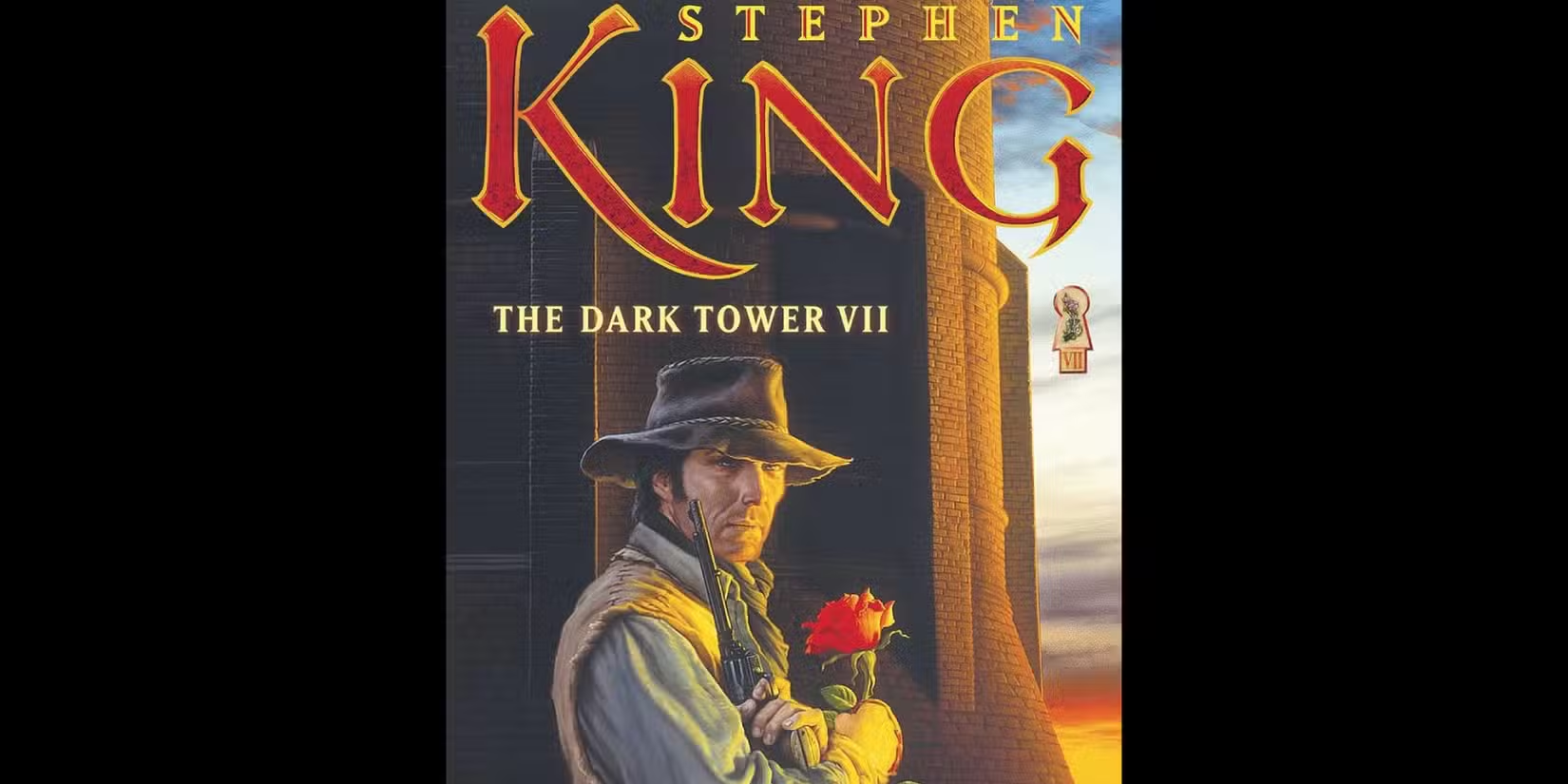
“The man in black fled across the desert, and the gunslinger followed.” This misguided movie adaptation mangled the series completely, but the original Dark Tower books are very much worth checking out. In many ways, it’s Stephen King‘s magnum opus, a superstructure connecting many of his novels and short stories. By the last book (also titled The Dark Tower), our gunslinger Roland and his allies have crossed worlds, survived impossible enemies, and sacrificed almost everything in pursuit of their destination.
Here, King finally cashes in the emotional investment built around these characters, and the results can be merciless. Death and separation hang over the journey, as does Roland’s obsession. How much can he sacrifice before reaching the Tower ceases to qualify as victory? Then comes the ending. It was divisive, to say the least, but it perfectly fits the themes that the series was always hinting at.
His Dark Materials by Philip Pullman
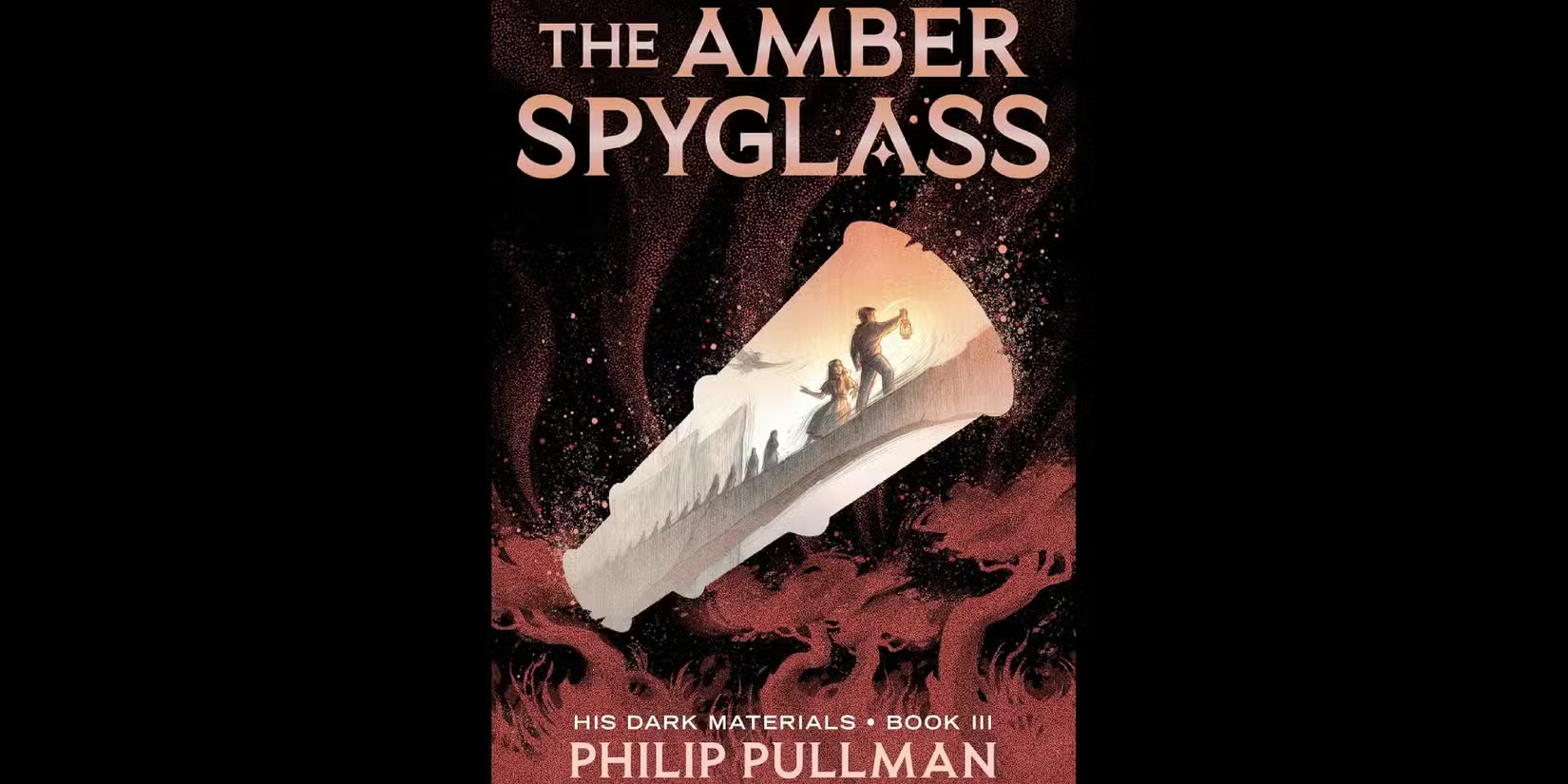
“I stopped believing there was a power of good and a power of evil that were outside us.” His Dark Materials is one of the smartest and most philosophical fantasy series ever, as well as one of the most entertaining, and nowhere is that more on display than in The Amber Spyglass, the third entry in the trilogy. In it, Lyra Belacqua’s childhood adventure has expanded into a conflict spanning multiple universes, and she and Will Parry must undertake a journey to the land of the dead.
The book’s ambition is simply enormous. Angels, armored bears, dæmons, specters, witches, the mysterious Dust, and the knife capable of cutting between worlds all become pieces of a story concerned with consciousness, religion, freedom, mortality, and growing up. However, aside from the big ideas, there are simply beautiful, poignant scenes, like Will and Lyra’s all-too-fleeting romance in the third act.
The Lord of the Rings by J.R.R. Tolkien
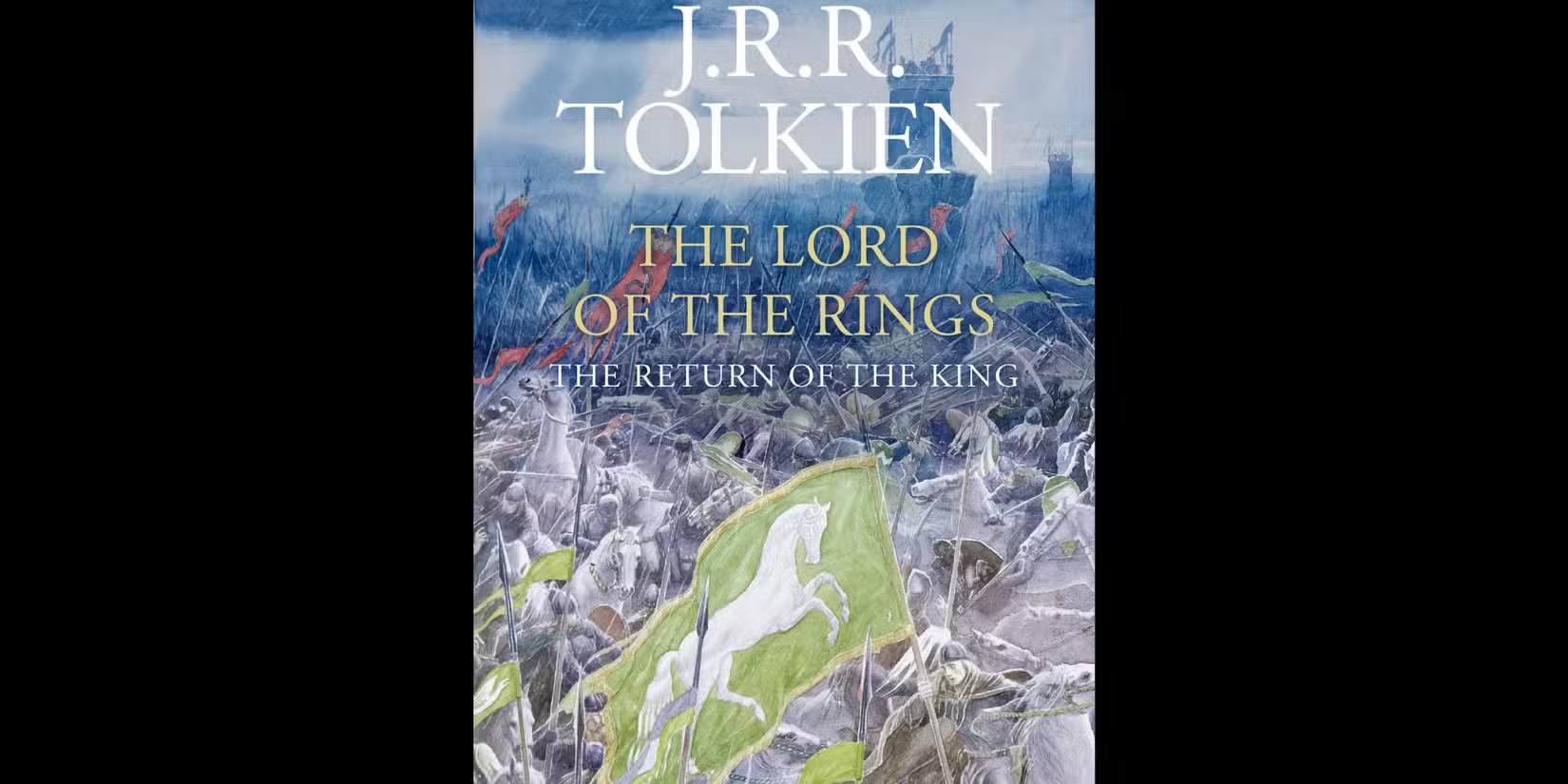
“Well, I’m back.” Some readers will prefer the warmth of Fellowship, but The Return of the King is probably the grander and more well-rounded book. Indeed, it delivers on practically every front. The Battle of the Pelennor Fields delivers the military climax promised across the trilogy, Aragorn finally steps fully into the identity he’s spent so long approaching, and Éowyn receives one of the saga’s defining heroic moments.
At the eye of the storm are Frodo and Sam, whose journey through Mordor strips fantasy adventure down to exhaustion, hunger, loyalty, and the increasingly impossible task of putting one foot in front of another. Then, after armies have clashed, kingdoms have returned, the One Ring has been destroyed, and an age of Middle-earth has ended, J.R.R. Tolkien concludes it with Sam returning home. It’s the perfect bookend, taking us back to where it all began: just a hobbit in the Shire.