In 2007, pop culture mainstay Anna Nicole Smith died of an accidental drug overdose at just 39 years old. Her death sparked a sprawling investigation into the prescription drugs she had been receiving, with her physician, Dr. Sandeep Kapoor, eventually facing criminal charges related to prescribing controlled substances. Kapoor was ultimately acquitted of all charges, but not before becoming the center of a sensational media circus.
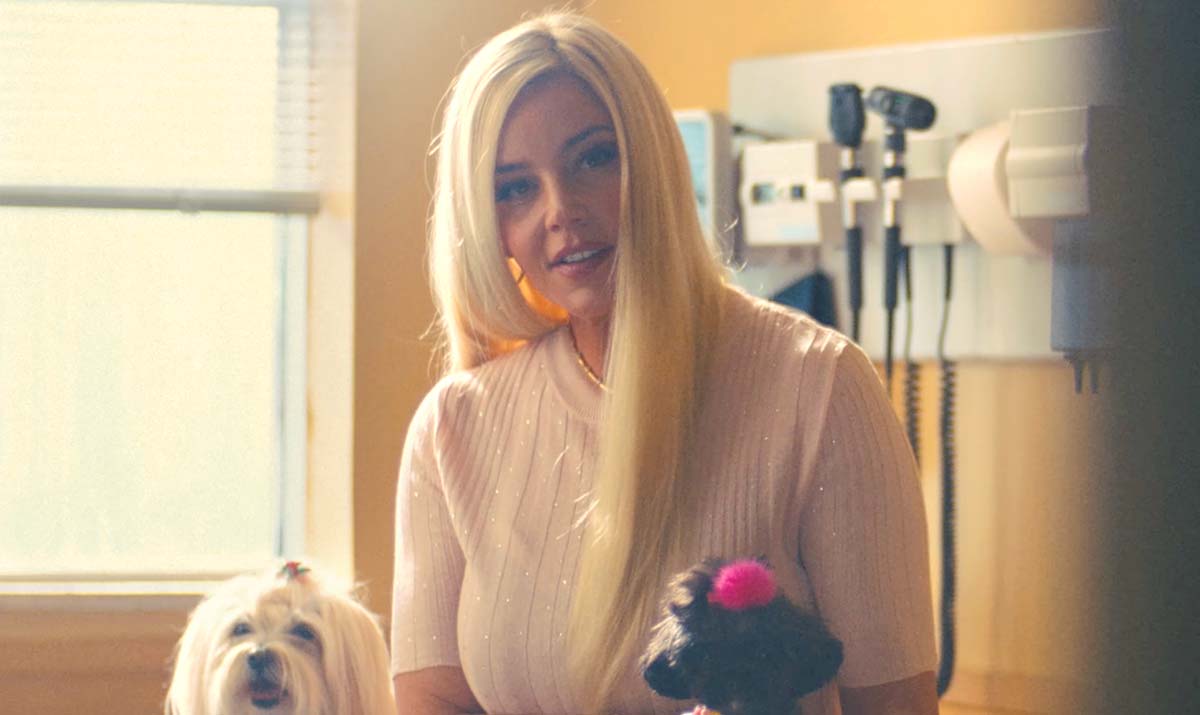
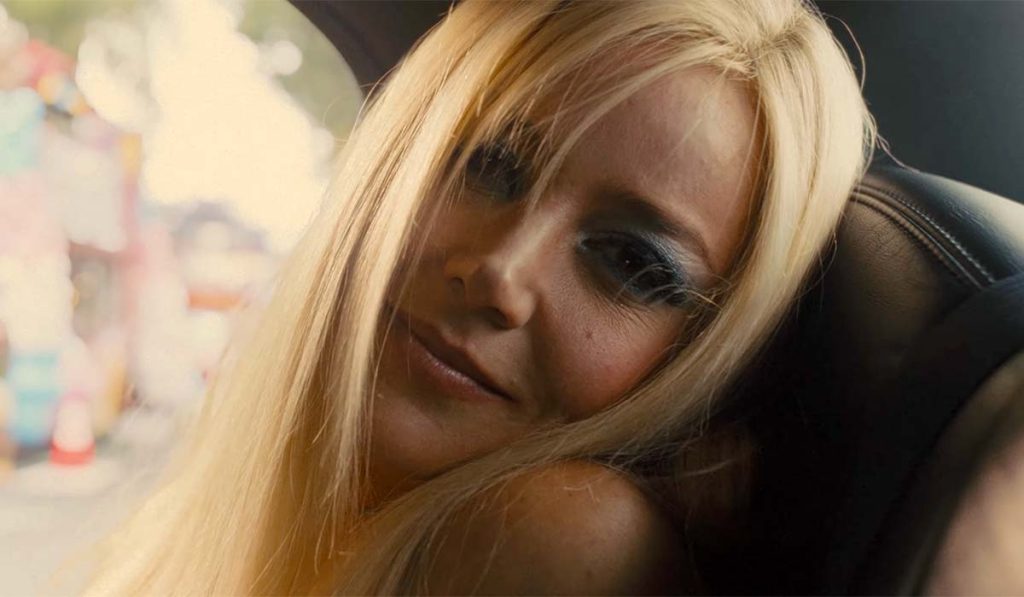
The new film ‘Trust Me, I’m a Doctor’ revisits the ordeal from Kapoor’s perspective, with Kal Penn portraying the physician in a darkly comedic drama that frequently breaks the fourth wall. Directed by Thane Economou, the film also stars Linda Hamilton as Kapoor’s hard-nosed attorney, Ellyn Garofalo, and Abbie Cornish as Smith herself.
The Playlist’s Brian Farvour sat down with Cornish to discuss the challenges of portraying such an instantly recognizable figure, separating the woman from her larger-than-life public persona, working alongside Penn, and the unexpectedly emotional connection she developed with Smith while making the film.
Anna Nicole Smith became famous for being Anna Nicole Smith. How did you separate the real woman from the public persona when approaching the role?
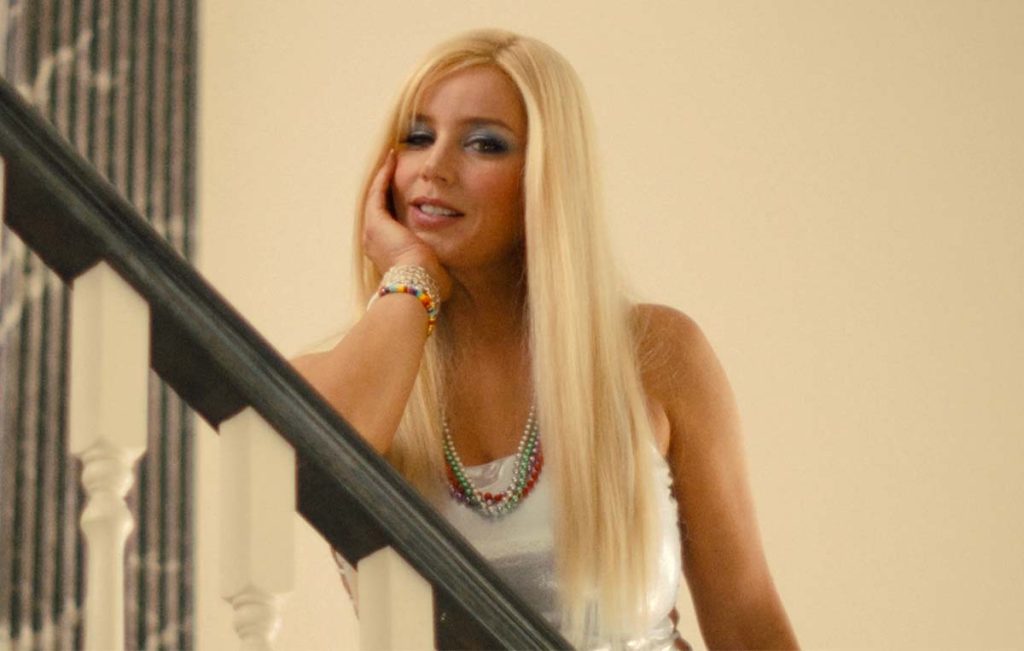
I felt very lucky because there was so much material to absorb. The documentary, made not long before we went into production, was a great starting point. I watched as much as I could on YouTube and the internet, and there was plenty of audio available, too. What I found most beneficial was watching and listening to her. I wanted to understand the timeline of her life and the incredible number of changes she went through over the years: her background, her upbringing, where she came from, how she entered the industry, and all those landmarks that audiences witnessed.
Even people who didn’t know her particularly well still remember certain moments. They remember a wild MTV Awards appearance or a massive billboard in Hollywood. She was this beautiful, blonde-haired woman whom people of all ages encountered in one way or another. I didn’t want to categorize those moments as good or bad. I wanted to understand the timeline and build that knowledge into the scenes we were filming, even though we didn’t have actual footage. I needed enough context to place those moments in the right time and space.
When did all that research become an emotional understanding of who she was, rather than simply reproducing the image audiences already knew?
That’s a great question. I distinctly remember a couple of moments. One example was Pride. We actually filmed the entire parade, from beginning to end. We had a limited number of extras dressed alike, and the costume, hair, and makeup teams did an incredible job recreating Anna. [The real] Dr. Sandeep and some of the producers even dressed as extras! Although the parade is only a couple of minutes in the film, we spent hours doing it. Kal [Penn] and I stayed in character the whole time. It was wild.
At the end, when it was time to go home, I remember getting into my car and finding the silence incredibly eerie. I’d accidentally left my cellphone in the back seat, so I had to find a way to get it back. I live fairly close to where the parade took place, and the whole experience felt surreal. When we finished, we were all arm in arm with the producers, our director Thane, and the first assistant director. We had a small guerrilla crew because we were shooting in Toronto, and it was such a wonderful experience.
Immediately afterward, there was also a scene in which I get out of a limousine while Dr. Sandeep talks about how that day felt. I remember shooting it and feeling something I can only describe as a sadness that wasn’t my own. I wasn’t sure what it was, and I just had to let it move through me. On the surface, it felt uplifting: Anna was on display, smiling. But something else lay beneath it. That was a very particular moment for me.
Was that one of the moments when you could forget you were playing someone famous and respond to what she was experiencing?
Honestly, I felt that most, if not all, of the time. I prepared not just in the lead-up to filming, but the night before, the morning of, and in the moments before a scene. I’d take time in my trailer to breathe. Sometimes I’d listen to frequencies, Tibetan singing bowls, or other sounds that helped me slow down and tune in. I found that really helpful. I could walk onto the set feeling ready.
I especially loved the moments when we saw Anna in a more vulnerable state, particularly when she became pregnant with her daughter and wanted to get off everything and become sober. Those scenes let me tap into real sensitivity. The hospital scenes were especially quiet and delicate. The entire crew was respectful and present. I was very lucky to work with this cast and crew; everyone worked together to create a film we could be proud of.
And Kal Penn was wonderful. From the first day I met him during preparation, he was completely present and ready to go. He’s a great actor and an incredibly wonderful human being. I couldn’t imagine anyone else playing Dr. Sandeep. The real Dr. Sandeep was there during preparation, too, and he even walked alongside us during the Pride parade. That was quite beautiful.
Did you approach Anna differently when she was performing for the public versus those more private, vulnerable moments?
I think most performers are aware when a camera is on them, whether it’s a still camera or a video camera. That on-and-off-camera quality came quite naturally. Anna was a true performer, and she loved it. She genuinely enjoyed being in the spotlight. But there are also moments of vulnerability and sensitivity. After she becomes pregnant, there’s a scene where she’s close to her son. Other people are in the room, but they still share an intimacy.
Her relationship with Dr. Sandeep was important, too. They were friends, and she trusted him. He was one of the people who made her feel safe and secure, someone she could be honest with. He was the first person she called after her son died. That says a lot about their relationship. It was a phone call to a friend. I like that you can see that relationship taking root almost immediately, from their first meeting in the doctor’s office.
You’ve played real people before, including Fanny Brawne in “Bright Star.” Was portraying someone as recognizable as Anna Nicole Smith a different challenge?
This was a much bigger undertaking than the others. With “Bright Star,” for example, you had to be a real John Keats fan, having read all the letters and knowing a lot about Fanny Brawne. Much of what we know about her appearance and clothing comes through text, so there’s room for imagination. With “Candy,” we had material to draw on, too, including Luke Davies’s book written before the film. But Anna Nicole Smith was a completely different challenge. You couldn’t escape the wealth of material and the public’s perception of her.
I felt a lot of excitement. I felt the pressure, but it was an exciting challenge. I thought, “Okay, I have some real work to do with my craft, and I get to go the whole nine yards here.” The work involved filling in the gaps and honoring the moments in between, both the timeline and who Anna was as a person. It was about letting her come alive through me and trusting myself as an actor, while also trusting her to take the lead. Sometimes I really felt as though I was breathing with her.
I wanted to be as open and prepared as possible while allowing her to take the reins. It was a lovely feeling. I like to think we had a spiritual connection, that she felt comfortable with me and I felt comfortable with her. Finishing the film was bittersweet. Even when I finished the additional dialogue recording, I remember thinking, “That’s it. I’m done.” The film was about to go out into the world, and I could finally talk about it. I felt this enormous exhale.
It was like watching someone you love get married. You’re smiling and crying at the same time, or when your brother has a baby, and you’re happy and emotional all at once. That’s what it felt like.
If Anna could somehow watch the film, what would you hope she recognized about herself in your performance?
I really hope she enjoys it and feels that she’s there in spirit. I hope she feels I’ve done right by her in all her facets and complexities, and in the different parts of who she was and the life she lived. I’d like her to watch the film, enjoy it, and feel at peace with the work I’ve done with her there. It’s difficult to put into words, but that’s what I would hope for.
This interview has been edited for clarity. ‘Trust Me, I’m a Doctor’ opens in theaters October 16.

Brian Farvour is a film/television critic and entertainment journalist whose work has also appeared on Fandomwire. He previously co-hosted The Playlist Podcast.