/Film: Around the time of “Kubo and the Two Strings,” I remember hearing that you had started incorporating visual effects to capture things that would be impossible to achieve with traditional stop-motion. How has that mixture evolved in the decade since then?
Travis Knight: Well, we’ve actually integrated visual effects and technology from the very beginning. In fact, when I go back to the genesis of Laika, I think back to when all this started […] At the time, stop-motion was dying. Stop-motion was an art form that didn’t seem to have a future because everything that we could do in stop-motion, the computer could do better. It could do it faster. It could do it cheaper. It could do it with greater precision.
So I remember having this hard conversation with myself, which is like, “How can stop-motion continue to live and maybe even flourish in this modern era?” And it was by essentially embracing the author of our demise, the infernal machine — the thing that was trying to take all of our jobs, all of our livelihoods, away from us. If we could somehow try to figure out a way to integrate the technology into the process, maybe we could find a way that we could live together. It was a bit like a Luddite embracing a loom.
And when I took a further step back, I realized that a computer is just another tool, just like a pencil or a paintbrush, a 3D printer. So from the very, very beginning, we integrated art, craft, science, and technology into the process of making these things.
There were a ton of technological innovations that came to bear on “Coraline,” many things that had never been done in the medium before, and it was because of the integration of those things. And with every film we’ve done, we’ve had further technological advancement, further craftsmanship advantages and advancements and learnings. Tools, techniques, tricks that we develop with every single film, that we then can apply to the next film. Things that used to be impossible, now we do as a matter of course.
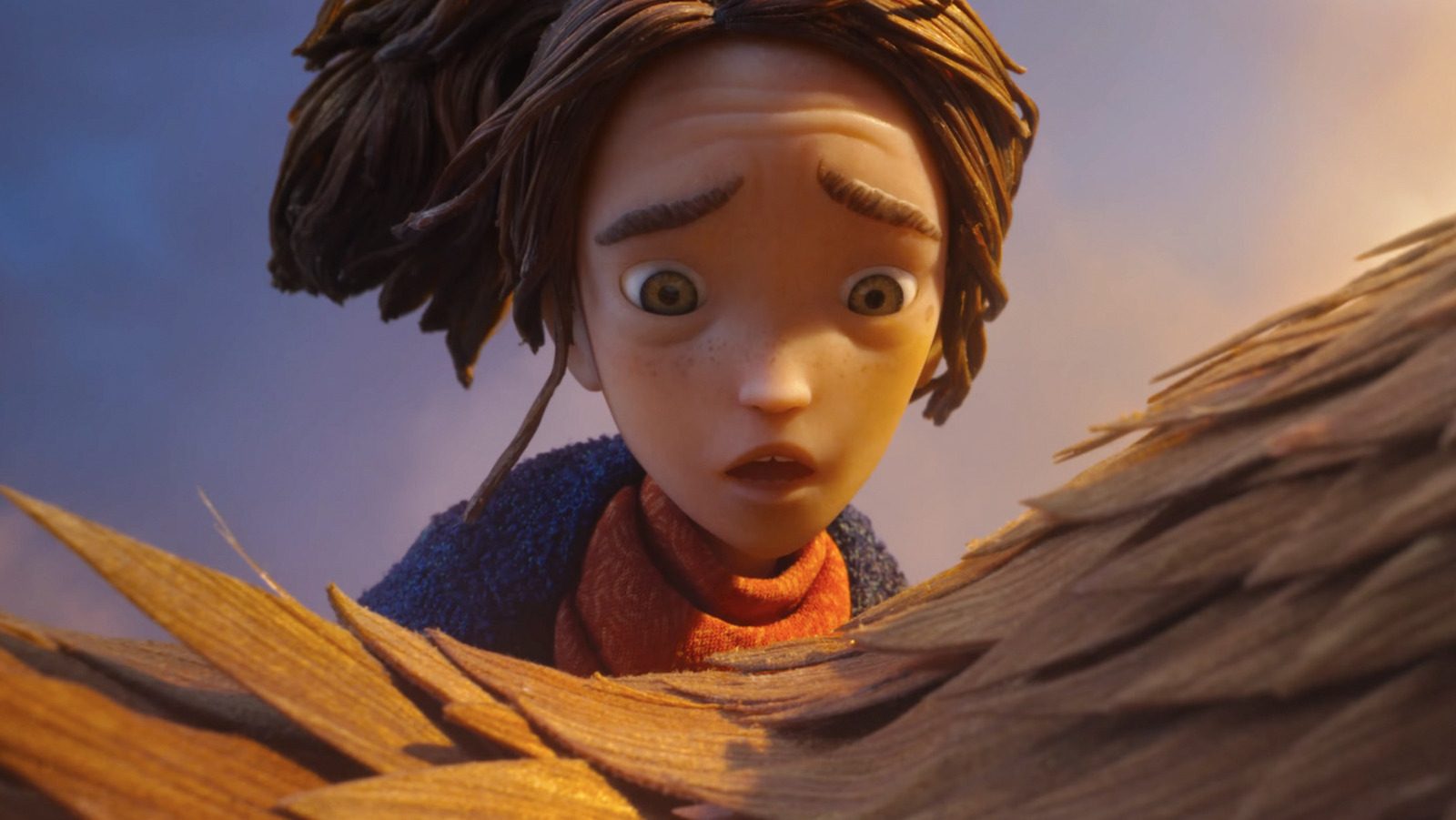
So when we got to the point five films in, I felt like finally we’ve developed a big enough toolkit where we can take on a film of this scale in “Wildwood.” This was seven years ago, and I said, “All right, guys, we’re going to do this thing. We’re ready.” But Ben, we were not ready, and we had to grow and we had to learn and we had to suffer in the process and also hopefully become good enough that we were worthy of what the film was asking of us.