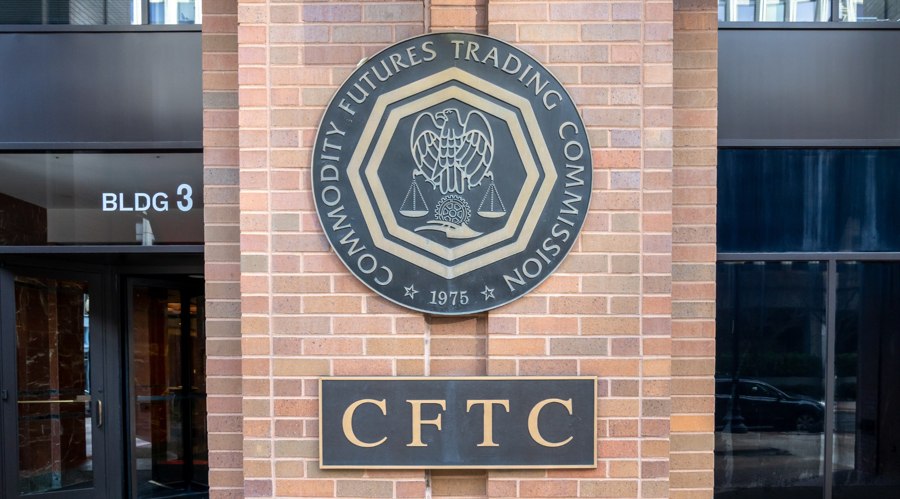
A $ 1 5 billion monthly market rests at the centre of Washington’s most recent regulative offensive, as the Product Futures Trading Payment moves to formally declare jurisdiction over the growing event-contract sector.
On October 9, the regulatory authority recommended policies to order sports, political, and climate wagers as government regulated swaps while taking conventional sportsbooks.
Occasion agreements are made use of by Americans daily to hedge threats, guess, and provide the general public with information about the outcome of future events.
With this action, the @CFTC is taking another vital action to clarify that these commodity derivatives drop squarely within the CFTC’s governing remit under the Commodity Exchange Act and are subject to the firm’s unique territory.
— Mike Selig (@ChairmanSelig) October 9, 2026
The divide is currently improving the gaming and derivatives landscape: according to the CFTC, sports contracts drove $ 1 2 billion, or 80 %, of August’s trading quantity.
Since September 1, at the very least seven CFTC-registered exchanges supplied sports event contracts, and greater than 15 DCM applications submitted because 2025 were still pending.
Even sportsbook drivers are relocating into the room. For example, Sporttrade has shut its state-regulated betting procedures in five states to seek government enrollment as an exchange and clearinghouse.
For retail individuals, backing a football team on a forecast exchange might really feel similar to positioning a sportsbook wager. For the market, that distinction determines whether drivers deal with 51 % state video gaming tax obligations and federal economic oversight.
Federal Preemption Meets Local Tax Obligations and Tribal Legal Rights
The CFTC is safeguarding its authority over the exchanges it monitors. It suggests that government policy ought to supply a solitary national structure for trading, clearing and market honesty.
In the agency’s sight, letting individual states decide which contracts those exchanges can offer would certainly fragment that framework. The compensation cautions that state enforcement could take down federally managed event-contract markets by forcing them to comply with various guidelines in each state.
States are protecting their spending plans. If businesses choose the federal path, the states might lose costs and other profits.
Yet the disagreement isn’t just about cash. States are additionally safeguarding their authority to determine where wagering is allowed and which consumer safeguards apply.
For Tribal federal governments, the stakes include sovereignty and video gaming legal rights protected with compacts with states. The Indian Gaming Organization argues that prediction platforms are using assets guideline to bypass those arrangements.
Appeals Courts Are Split on Two Concerns
With regulators and states at a deadlock, the fight has moved to the appeals courts, developing a broken legal landscape around 2 core concerns.
The very first concern is whether sporting activities event agreements certify as swaps under the Asset Exchange Act. The second is whether, if they do, federal oversight bars states from applying their very own gambling laws.
In April, the Third Circuit discovered Kalshi likely to succeed on both points in its conflict with New Jacket: the agreements were probably swaps, and federal legislation possibly disallowed the state from implementing its betting regulations versus the exchange.
The Ninth Circuit later on got to the opposite final thought in Kalshi’s disagreement with Nevada and declined to block state enforcement. The Sixth Circuit likewise ruled versus Kalshi. It discovered that the sporting activities contracts were not swaps, which government legislation would certainly not displace state limitations also if they were.
All three rulings go to the preliminary-injunction phase, however they still leave a straight split over whether a federally regulated exchange can provide sporting activities contracts without state betting licences.
New Jacket has now asked the US High court to evaluate the Third Circuit’s choice The Court has not yet made a decision whether to take the case.
The CFTC Draws the Line Between Home Odds and Market Value
On October 9, the CFTC issued a two-pronged rulemaking package designed to require its own interpretations into federal regulation.
In a Notice of Proposed Rulemaking, the payment clearly categorizes event agreements connected to sports, politics, and culture as product swaps within its special remit.
In a Meantime Final Guideline, provided on the very same day, it carves out typical online casino and sportsbook betting, with Chairman Michael S. Selig declaring that “casino-style betting items are not by-products.”
Casino-style betting items are not derivatives. Today, the @CFTC is providing clarity concerning the limitations of our remit by codifying the exclusion of casino-style gaming items from the “swap” interpretation equally as we have actually performed with respect to other products traditionally managed by the states.
— Mike Selig (@ChairmanSelig) October 9, 2026
The CFTC’s new regulation discusses when a wager remains outside by-products regulation. A product will not be dealt with as a swap if it is provided under state or Tribal betting law and clients put wagers with the driver as opposed to profession contracts with each other.
A traditional sportsbook bet up in arms set by a licensed bookie for that reason stays a betting product. By comparison, an occasion contract bought and sold between market individuals at a market-determined price does not receive that exemption, and may qualify as a swap.
The CFTC adopted the exclusion before looking for public comment, pointing out “excellent cause” and the danger of market interruption. Remarks will certainly remain open for 30 days after magazine in the Federal Register, potentially opening up an additional line of obstacle over whether the company was justified in acting prior to appointment.
The two actions clarify just how the CFTC identifies betting from by-products, however they do not deal with the 2nd component of the conflict: whether states can use their gambling regulations to occasion agreements traded on federally managed exchanges.
The Dispute Might End in Among Three Ways
While the CFTC ‘s rulemaking is an aggressive effort to grow its flag on the region, neither state attorneys general neither Tribal video gaming authorities are expected to capitulate silently.
With billions in tax obligation income and administrative sovereignty at stake, challengers are virtually certain to strike back, striking the company’s emergency “good reason” bypass in court and doubling down on neighborhood enforcement.
As this regulative war of attrition heads toward an orgasm, the standoff is likely to deal with in among three ways:
The CFTC victories. Courts accept that exchange-traded sports agreements are swaps which government jurisdiction stops states from enforcing their gaming regimes on DCM trading. Prediction exchanges can then supply those contracts nationwide under a single government framework.
The states win. Courts decide either that sports agreements are not swaps or that swap standing does not override state gaming laws. Systems might face state licensing, geofencing and required exits from states that prohibit the products.
A divided system emerges. Regulations might differ by territory or agreement kind. Sports markets could drop under state limitations, while political, economic and other event contracts continue to be largely under government oversight.
Underneath the administrative fight, both sides are explaining different items. States see a customer risking cash on the end result of an event. The CFTC sees an agreement traded and gotten rid of on a controlled exchange.
The next markers are the 30 -day remark window on the exclusion and the High court’s choice on whether to listen to New Jersey’s request.
A $ 1 5 billion month-to-month market sits at the centre of Washington’s newest governing offensive, as the Asset Futures Trading Commission moves to formally claim jurisdiction over the booming event-contract sector.
On October 9, the regulator suggested rules to codify sports, political, and climate wagers as government regulated swaps while carving out standard sportsbooks.
Event agreements are used by Americans everyday to hedge risks, hypothesize, and provide the public with details concerning the result of future events.
With this move, the @CFTC is taking an additional crucial step to clear up that these commodity by-products drop directly within the CFTC’s regulative remit under the Commodity Exchange Act and are subject to the firm’s exclusive territory.
— Mike Selig (@ChairmanSelig) October 9, 2026
The divide is already improving the betting and derivatives landscape: according to the CFTC, sporting activities agreements drove $ 1 2 billion, or 80 %, of August’s trading quantity.
As of September 1, at least 7 CFTC-registered exchanges provided sports occasion contracts, and more than 15 DCM applications filed considering that 2025 were still pending.
Also sportsbook drivers are relocating right into the room. For instance, Sporttrade has actually closed its state-regulated betting operations in five states to pursue federal enrollment as an exchange and clearinghouse.
For retail customers, backing a football group on a forecast exchange might feel identical to putting a sportsbook wager. For the sector, that distinction establishes whether drivers face 51 % state gaming tax obligations and federal financial oversight.
Federal Preemption Fulfills Regional Taxes and Tribal Rights
The CFTC is safeguarding its authority over the exchanges it supervises. It suggests that federal regulation needs to offer a solitary national framework for trading, cleaning and market integrity.
In the company’s view, letting specific states choose which contracts those exchanges can use would certainly fragment that framework. The commission cautions that state enforcement could take apart government regulated event-contract markets forcibly them to follow various regulations in each state.
States are protecting their budgets. If organizations pick the government path, the states might lose fees and various other revenue.
However the conflict isn’t just about cash. States are likewise protecting their authority to make a decision where wagering is permitted and which customer safeguards use.
For Tribal governments, the risks consist of sovereignty and video gaming legal rights secured through compacts with states. The Indian Gaming Association argues that forecast systems are utilizing products regulation to bypass those arrangements.
Appeals Courts Are Split on Two Inquiries
With regulators and states at an impasse, the battle has actually shifted to the charms courts, developing a fractured legal landscape around 2 core issues.
The first concern is whether sporting activities occasion contracts qualify as swaps under the Product Exchange Act. The 2nd is whether, if they do, federal oversight bars states from using their own betting laws.
In April, the Third Circuit found Kalshi likely to prosper on both factors in its disagreement with New Jacket: the agreements were most likely swaps, and government regulation most likely disallowed the state from enforcing its gambling policies versus the exchange.
The Ninth Circuit later on reached the contrary final thought in Kalshi’s dispute with Nevada and decreased to obstruct state enforcement. The Sixth Circuit additionally ruled against Kalshi. It found that the sporting activities contracts were not swaps, which government legislation would certainly not displace state restrictions also if they were.
All 3 judgments go to the preliminary-injunction phase, yet they still leave a straight split over whether a federally controlled exchange can offer sports agreements without state gambling licences.
New Jacket has now asked the US High court to examine the Third Circuit’s choice The Court has not yet made a decision whether to take the instance.
The CFTC Draws the Line In Between Home Probabilities and Market Value
On October 9, the CFTC provided a two-pronged rulemaking plan designed to require its very own meanings into federal regulation.
In a Notification of Proposed Rulemaking, the compensation clearly classifies occasion contracts linked to sports, politics, and culture as commodity swaps within its unique remit.
In a Meantime Final Policy, provided on the very same day, it takes typical gambling establishment and sportsbook betting, with Chairman Michael S. Selig stating that “casino-style gaming items are not derivatives.”
Casino-style gambling items are not derivatives. Today, the @CFTC is offering quality pertaining to the limits of our remit by ordering the exemption of casino-style gambling products from the “swap” interpretation equally as we have made with respect to other items traditionally regulated by the states.
— Mike Selig (@ChairmanSelig) October 9, 2026
The CFTC’s new policy describes when a wager continues to be outside by-products policy. An item will certainly not be treated as a swap if it is supplied under state or Tribal gaming law and customers place wagers with the driver instead of trade agreements with each other.
A conventional sportsbook wager at odds established by a qualified bookmaker consequently continues to be a gambling product. By contrast, an event agreement bought and sold in between market individuals at a market-determined rate does not obtain that exemption, and might qualify as a swap.
The CFTC took on the exemption prior to looking for public remark, citing “good reason” and the risk of market disturbance. Comments will certainly continue to be open for 30 days after publication in the Federal Register, possibly opening an additional line of difficulty over whether the agency was validated in acting before consultation.
Both steps clear up exactly how the CFTC differentiates betting from by-products, but they do not fix the second component of the disagreement: whether states can use their gaming laws to event contracts traded on federally controlled exchanges.
The Disagreement Could Finish in Among 3 Ways
While the CFTC ‘s rulemaking is a hostile effort to plant its flag on the region, neither state attorney generals of the United States neither Tribal pc gaming authorities are anticipated to capitulate silently.
With billions in tax obligation profits and administrative sovereignty at risk, oppositions are almost certain to strike back, striking the agency’s emergency “great reason” bypass in court and doubling down on regional enforcement.
As this regulative war of attrition heads towards an orgasm, the standoff is most likely to settle in one of three methods:
The CFTC victories. Courts accept that exchange-traded sports agreements are swaps which government territory protects against states from imposing their betting regimens on DCM trading. Forecast exchanges can then use those contracts across the country under a solitary government framework.
The states win. Courts choose either that sports contracts are not swaps or that swap status does not bypass state gaming legislations. Platforms can encounter state licensing, geofencing and forced departures from states that forbid the products.
A divided system arises. Rules could differ by jurisdiction or contract kind. Sports markets could drop under state limitations, while political, economic and various other event agreements continue to be mainly under federal oversight.
Below the jurisdictional fight, the two sides are describing different items. States see a customer running the risk of money on the result of an event. The CFTC sees a contract traded and removed on a controlled exchange.
The next pens are the 30 -day comment window on the exemption and the High court’s choice on whether to listen to New Jersey’s request.